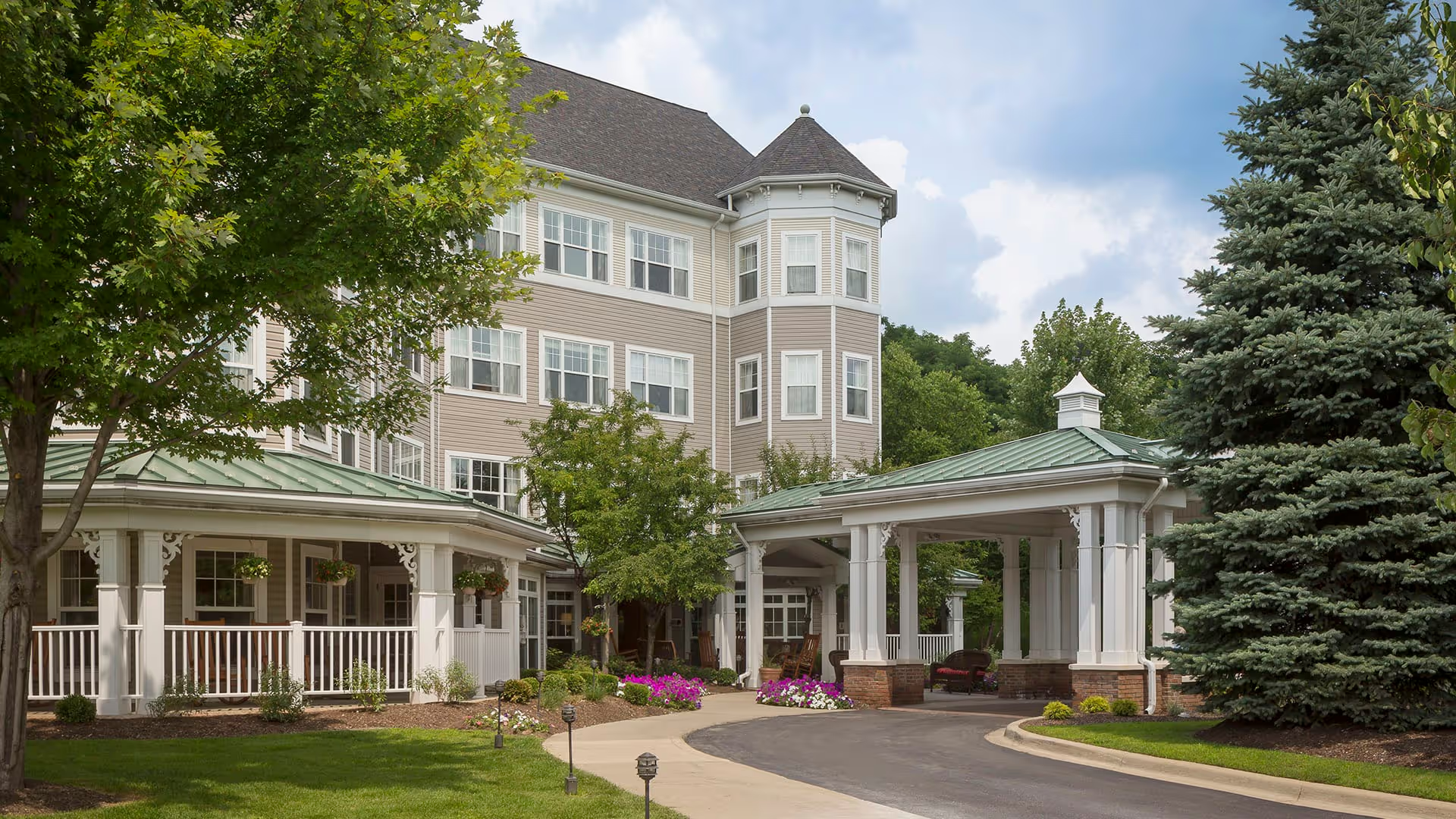
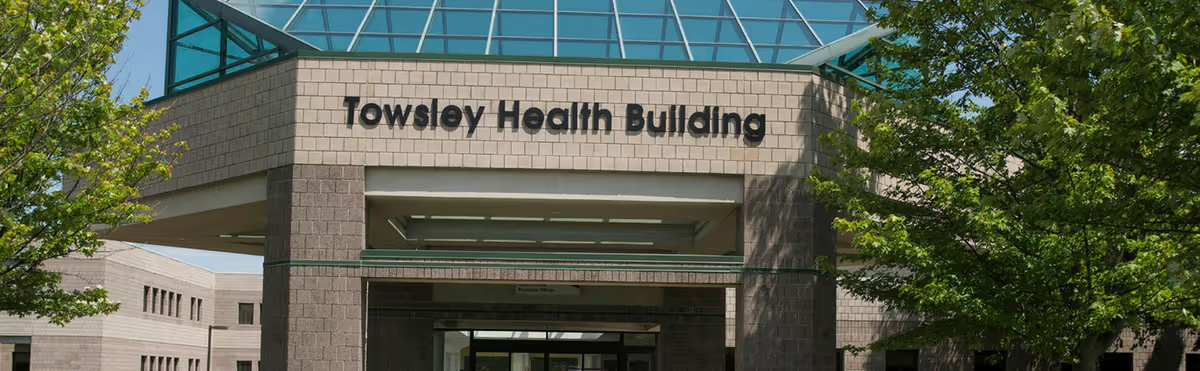
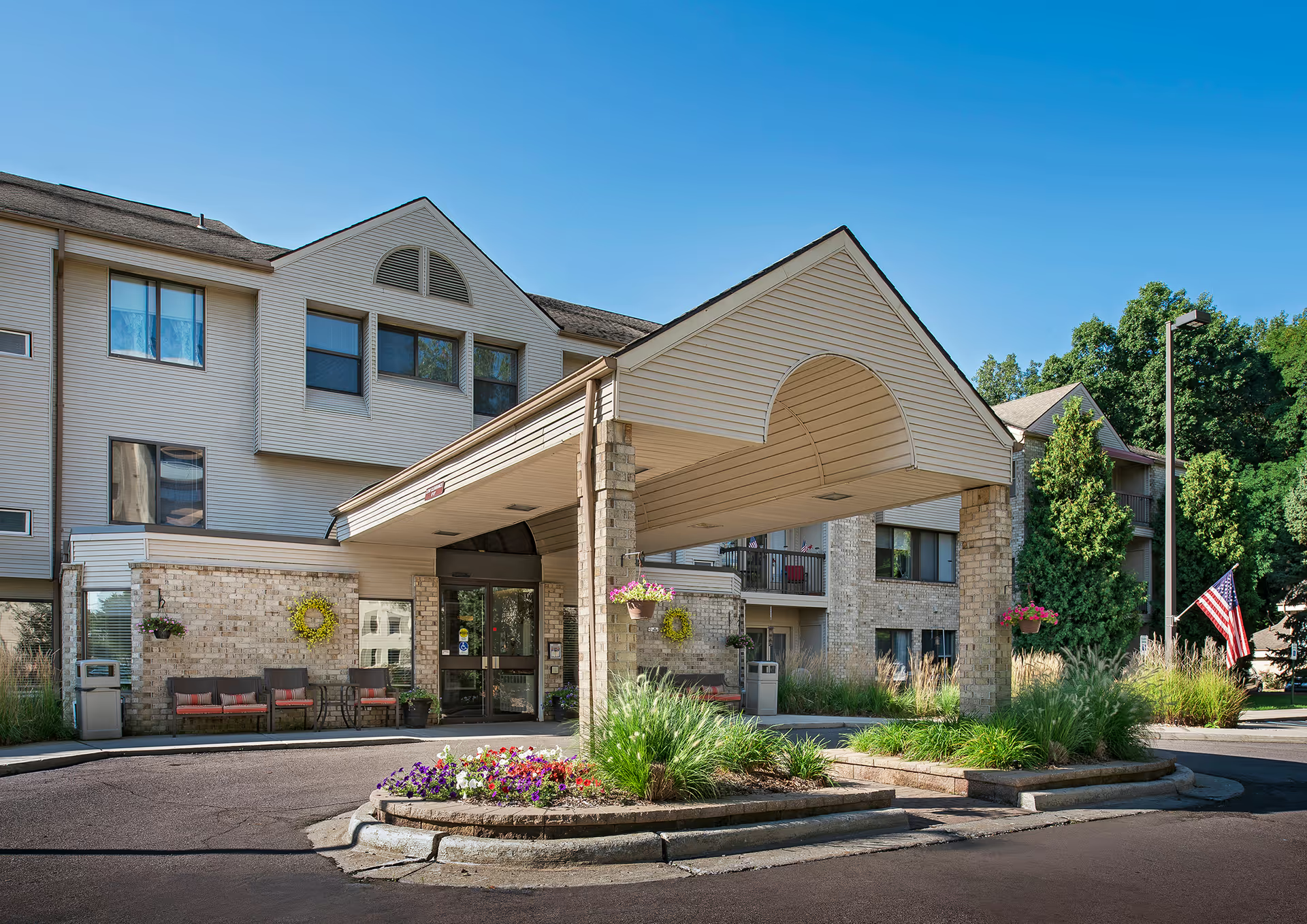
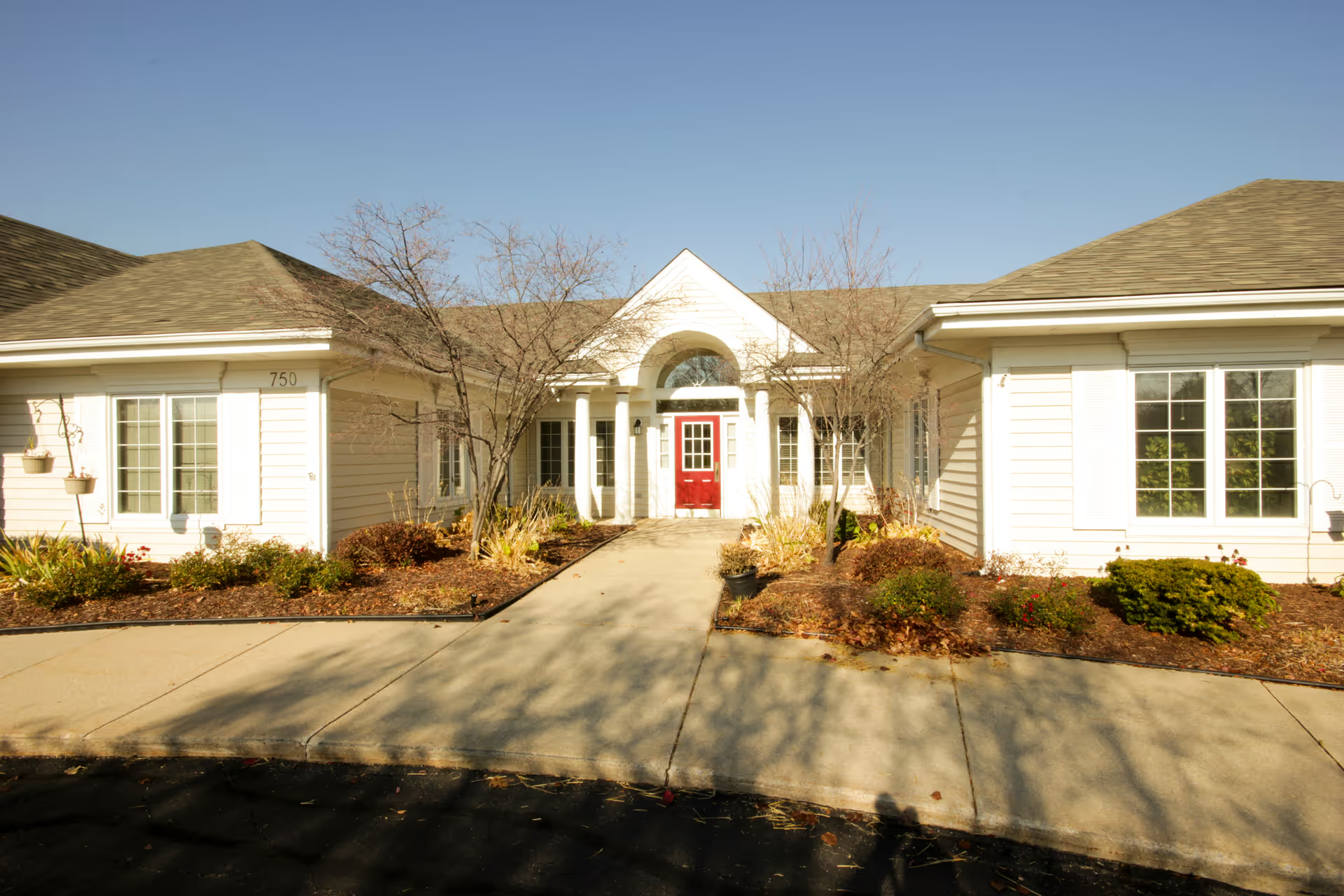
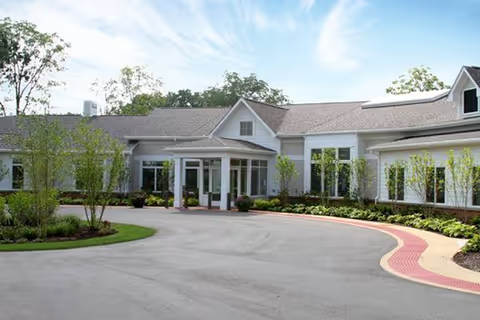
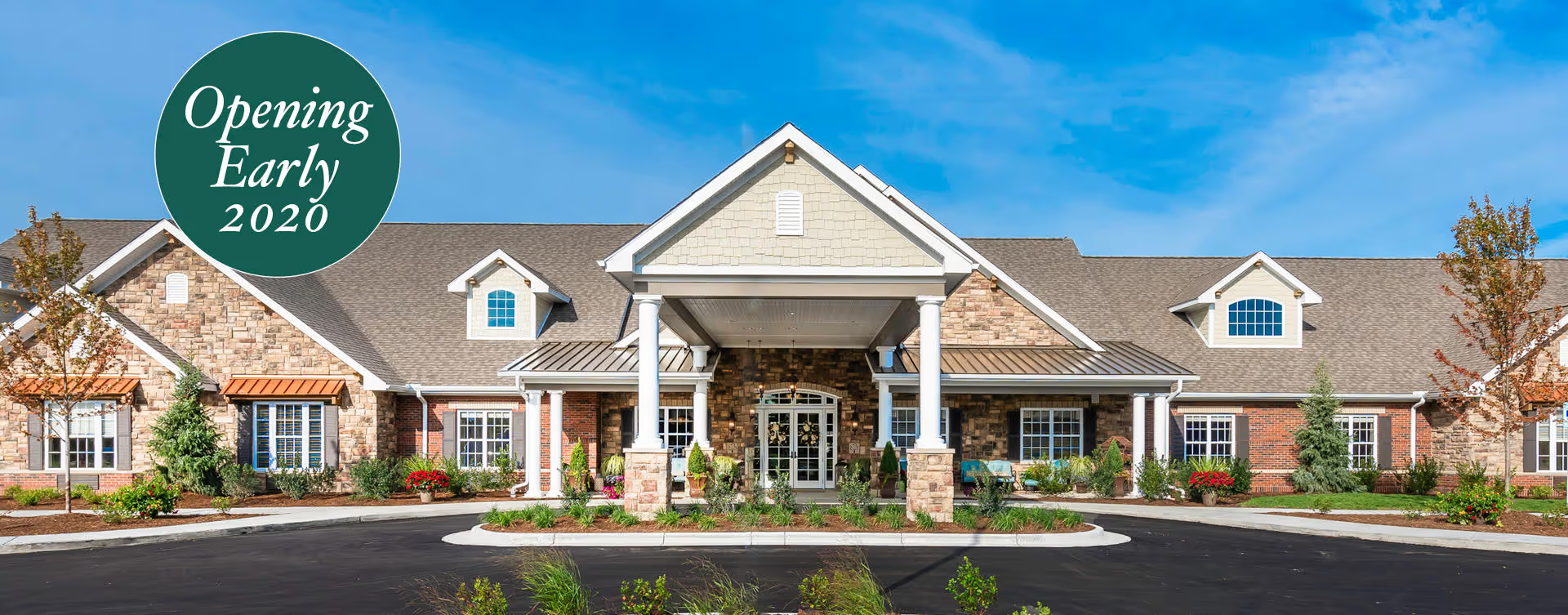
Glacier Hills presents a mixed but distinct profile: it is frequently praised for its rehabilitation capabilities, campus amenities, and vibrant activity life, while families and short‑stay residents often raise operational and clinical concerns. The facility's physical plant and public areas are commonly described as clean, attractive, and recently updated; apartments and communal spaces receive consistent positive remarks. Programming is a strong point — a broad calendar of classes, live music, lectures, and social events, together with an active events coordinator, contributes to a lively resident culture. The on‑site continuum of care and rehabilitation amenities (including a therapy pool) are valuable for residents seeking short‑term rehab or long‑term planning within a single campus.
Therapy services (physical therapy and occupational therapy) are a recurring strength. Many reviews describe measurable functional gains, goal‑directed therapy, and attentive therapy teams that accelerate recovery after orthopedic procedures. Dining is also frequently cited as a positive: many residents enjoy fresh, varied meal choices and accommodating dining staff, though comments about menu limitations and periodic inconsistencies appear in other reviews.
Contrasting with these strengths are repeated concerns about nursing and clinical operations. Across multiple accounts there are patterns of inconsistent nursing quality, delayed responses to call lights, and process weaknesses in medication administration and wound care. Several reviewers associated staffing shortages and high workload with slower attention and care delays. Families describe communication and intake gaps as well — unclear admission procedures, delayed or incomplete discharge coordination, and inconsistent family communications. These operational gaps at times manifest as clinical risks; there are isolated but serious allegations of clinical incidents and end‑of‑life care concerns that prospective families should investigate directly with the provider and regulatory sources.
Staffing and supervision emerge as an organizing theme behind many negative observations. Where therapy teams and some front‑line employees are praised for compassion and effectiveness, other comments point to distracted staff behavior, inadequate supervision, and turnover that correlate with declines in day‑to‑day resident support. Reviews also note a divergence between care in public/common areas (which is often well maintained) and variable maintenance or housekeeping in individual rooms. Several reviewers perceive a shift in culture and quality following management or ownership changes, including cost‑control measures that coincided with staff reductions and service changes.
Practical patterns for prospective residents and families: Glacier Hills can offer strong rehab outcomes, rich activities, and a well‑kept campus environment, making it suitable for those prioritizing therapy and social programming. At the same time, verify current nursing staffing levels and clinical oversight, ask detailed questions about medication and wound‑care protocols, confirm emergency-equipment readiness (oxygen/suction and transfer safety), and request written policies on meal credits and menu substitutions. Visit at varied times (including evenings and weekends) to assess response times and staff presence, and review recent inspection or complaint records if clinical safety is a primary concern.
In summary, Glacier Hills combines notable strengths in rehabilitation, amenities, and campus life with repeated operational weaknesses in nursing, clinical oversight, and staffing consistency. The facility may be an excellent choice for residents focused on therapy and active programming, provided families perform due diligence around clinical staffing, communication practices, and current management stability.