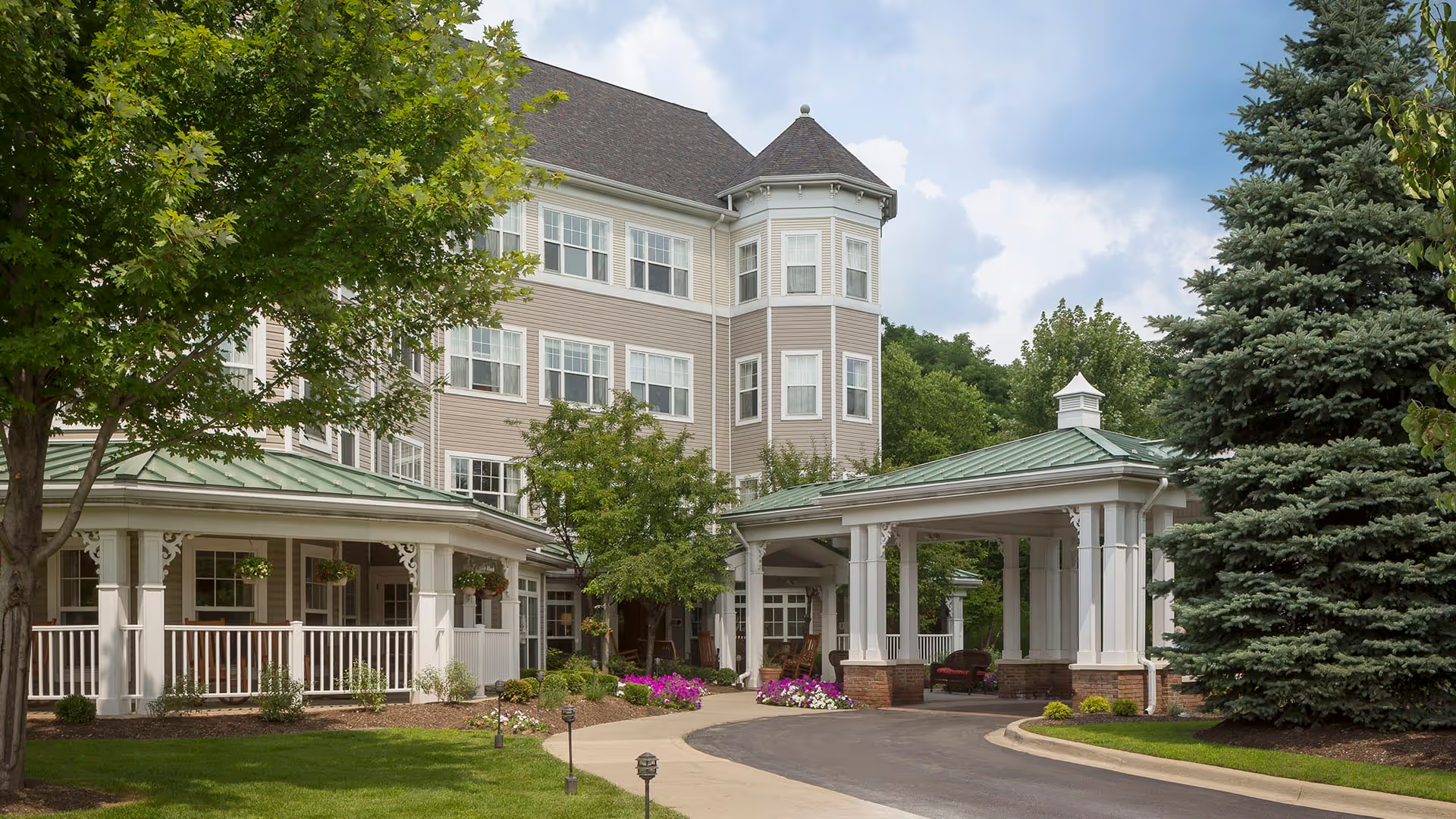
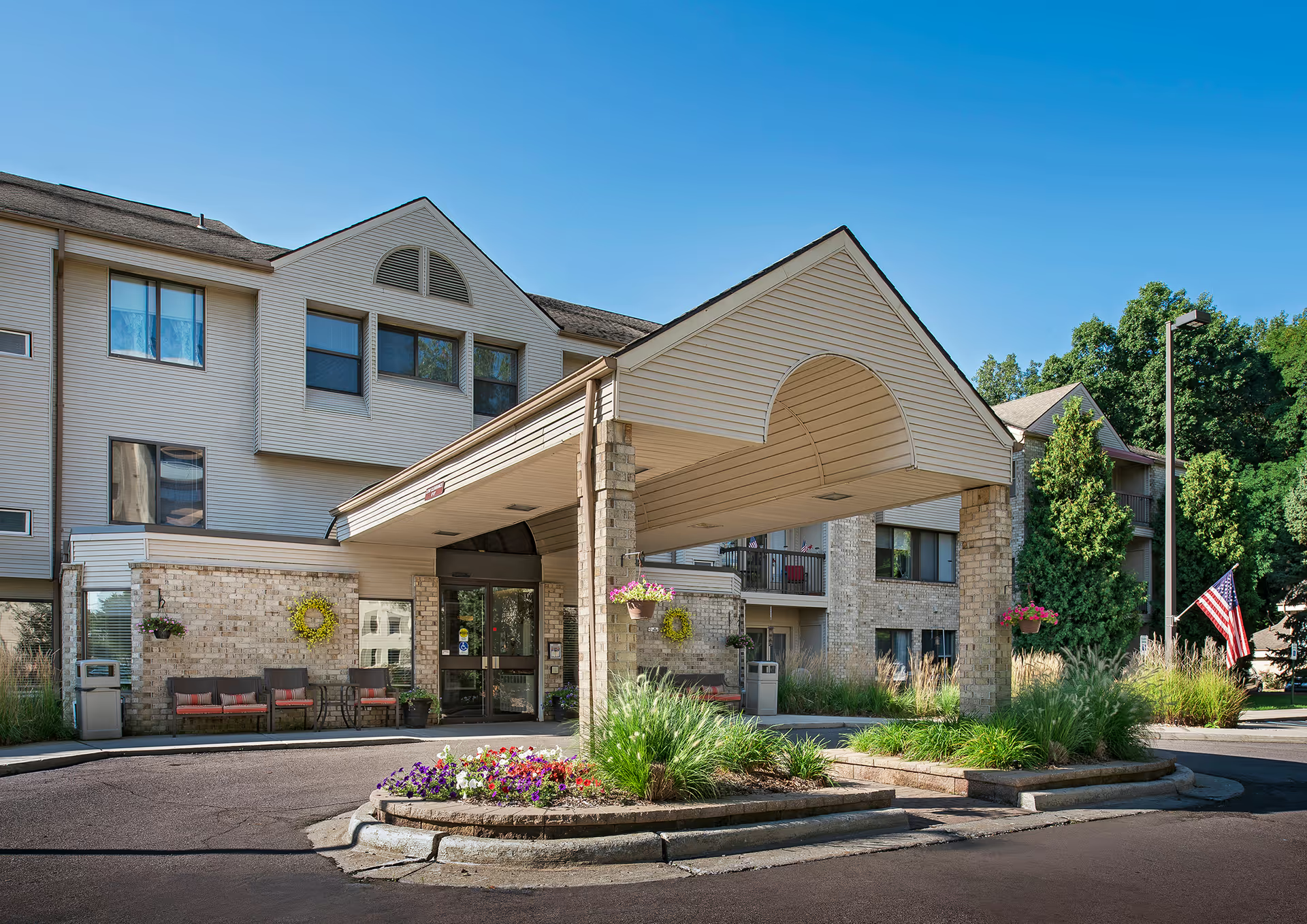
Overview: Regency at Bluffs Park elicits strongly mixed impressions. Many families highlight the facility's rehabilitation strengths — notably physical and occupational therapy, specialized wound care, and demonstrable recovery outcomes — and praise an array of staff members (nurses, CNAs, therapists, and specific clinical leaders) for compassionate, effective bedside care. The building, grounds, and several common areas are frequently described as clean, pleasant, and conveniently located near major medical centers, with transportation and appointment support that families find useful.
Care and staff: Clinical teams receive consistent positive mention for therapy, wound management, and day-to-day nursing care. Several accounts emphasize individualized therapy plans and nurses who go above-and-beyond. At the same time, there is a recurrent pattern of operational variability: night and weekend responsiveness can lag, call-button response times are sometimes slow, and families describe inconsistent follow-through for bathing and incontinence-related care. Medication administration and documentation issues are also raised across multiple reviews, including timing errors and incomplete records, which point to gaps in medication-safety processes and shift-to-shift continuity.
Dining and activities: Dining receives mixed feedback. The facility has a dedicated dietitian and some families praise meal variety, responsive diet adjustments, and a capable kitchen/chef. Conversely, others cite small portions, repeated menu errors, cold or late trays, and unmet dietary restrictions. Activities programming, outdoor courtyards, and social spaces are generally viewed positively and contribute to a rehabilitative, family-friendly atmosphere.
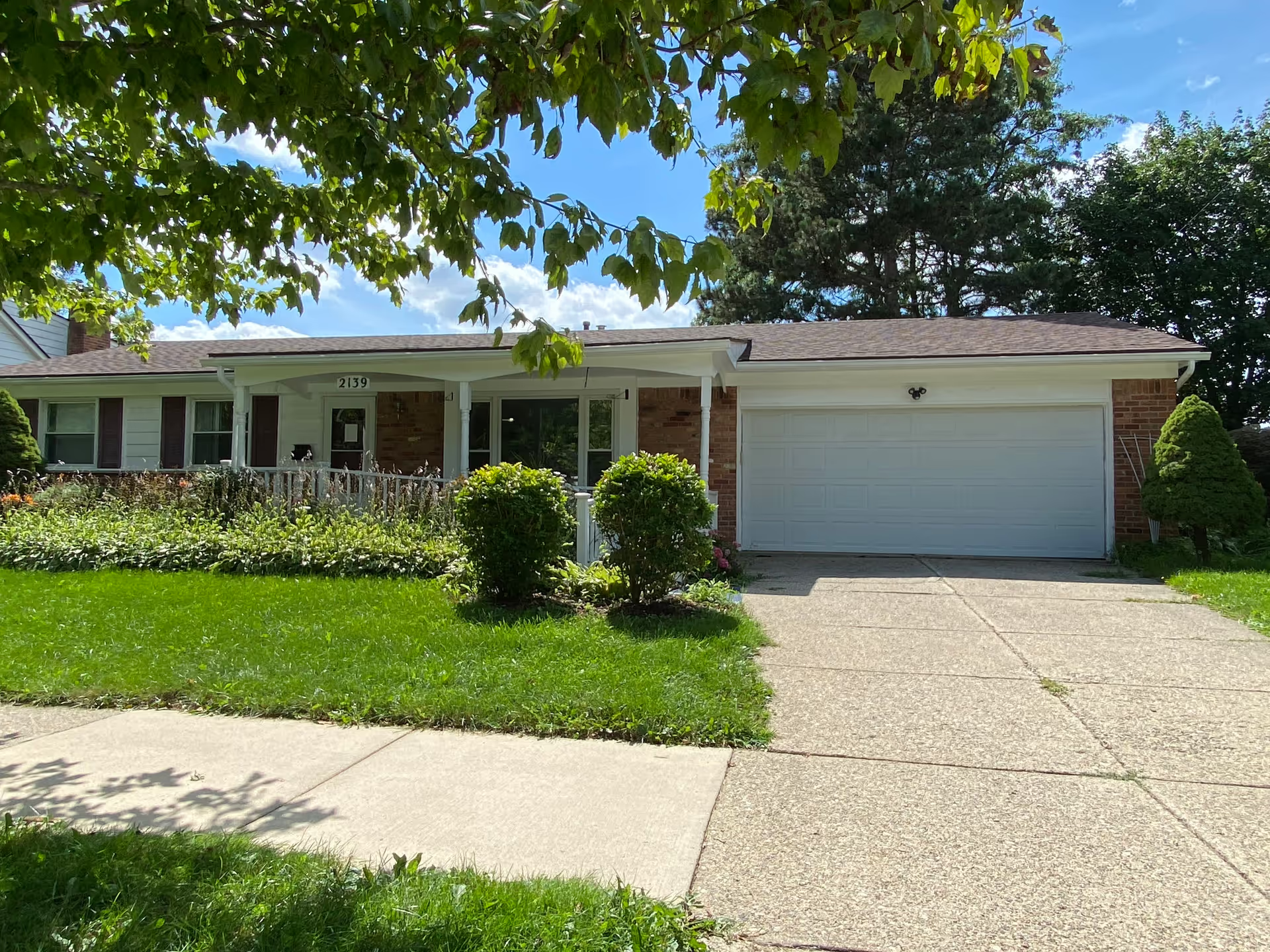
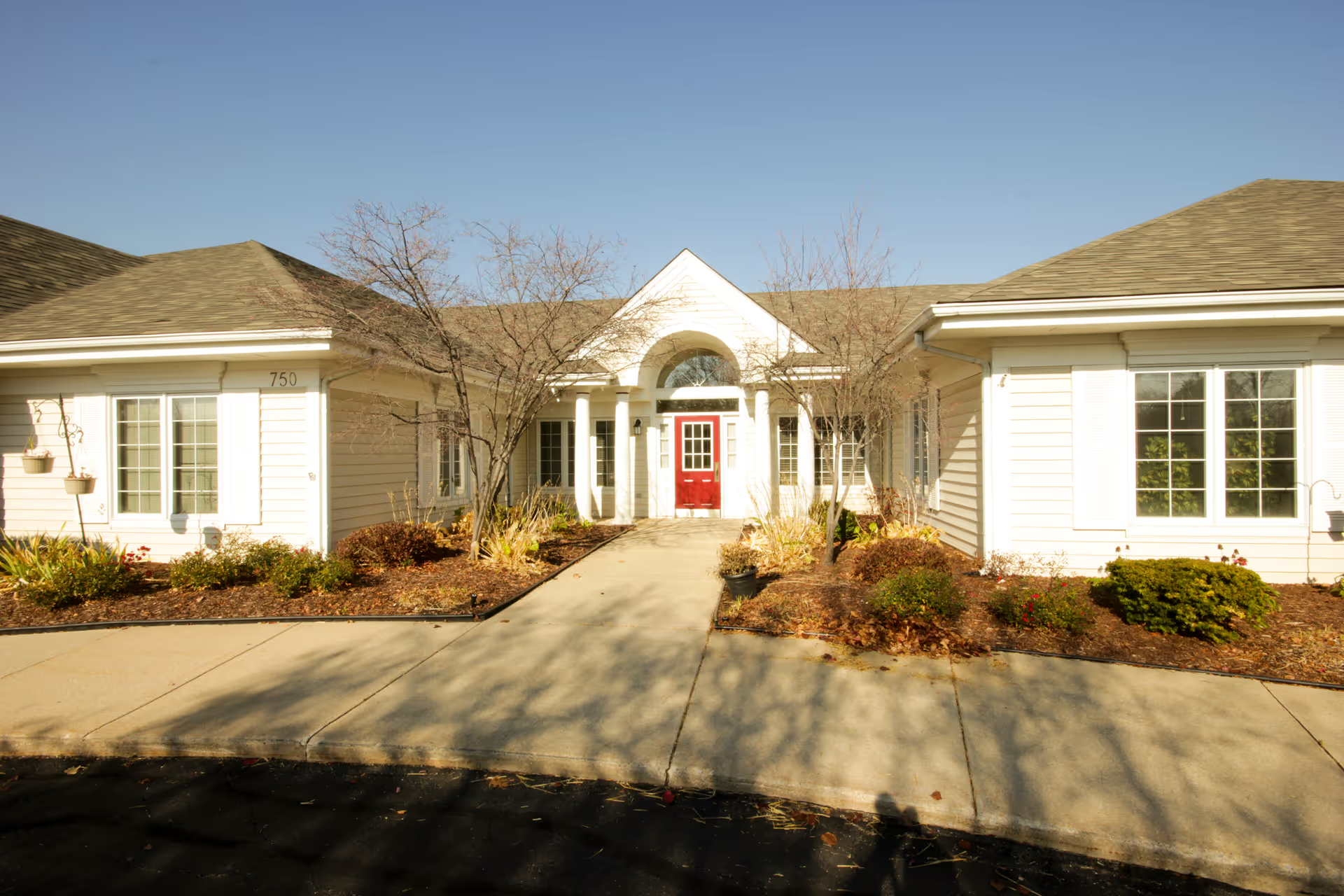
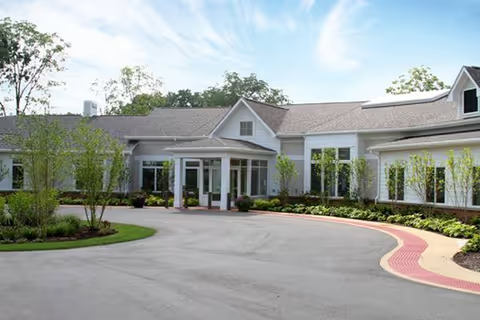
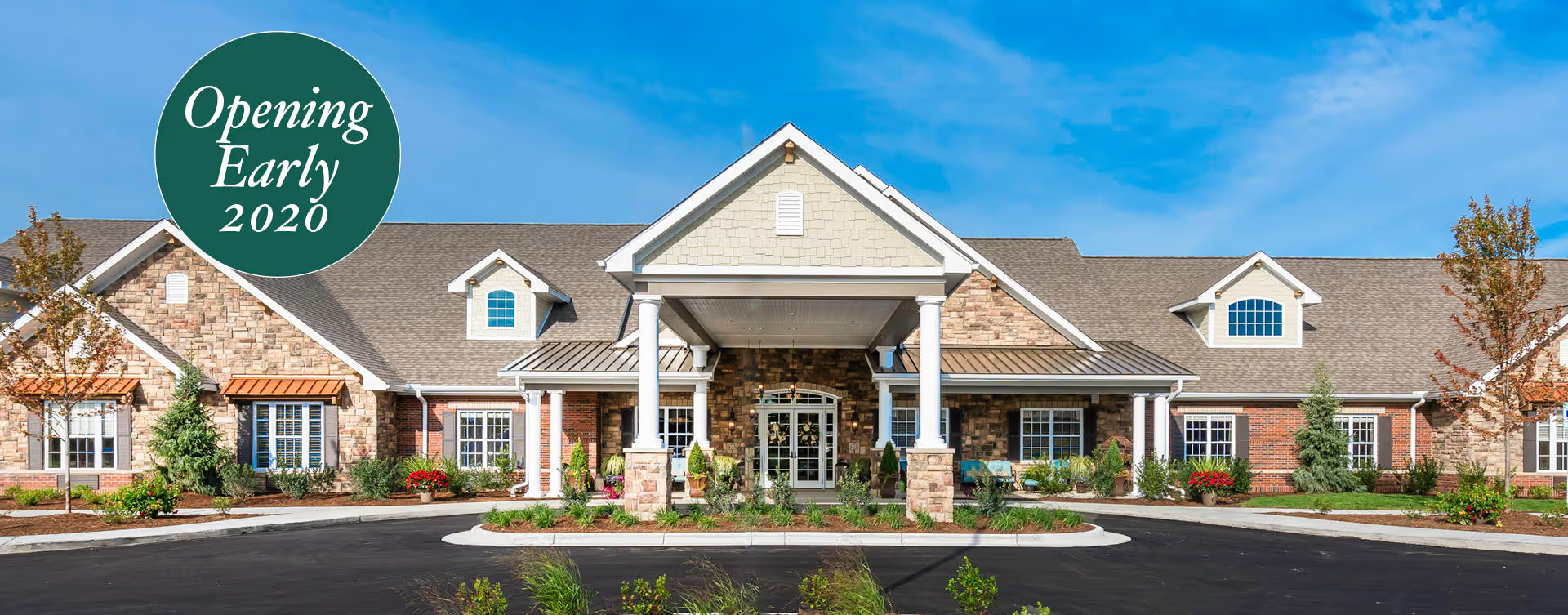
Facilities and cleanliness: Many reviewers describe bright, modern communal areas and routine housekeeping. However, there are substantive sanitation and room-upkeep concerns in a subset of accounts — including room-level maintenance issues, odor concerns, and isolated pest-control observations — that suggest variability in environmental services and maintenance follow-through. These issues appear concentrated in specific units or during periods of higher census rather than uniformly across the campus.
Management, communication, and safety: Perceptions of leadership are polarized: some families commend hands-on directors and nursing leadership, while others describe difficulty reaching administration, disorganized intake/discharge processes, billing confusion, and inconsistent family communication. Safety themes raised include transfer and lift practice weaknesses, lapses in infection-control processes, and a number of serious individual incidents that families characterized as warranting regulatory attention; there are also isolated allegations of property mishandling. Taken together, these items point to systemic challenges with staffing levels, shift coordination, and incident-response protocols.
Notable patterns and guidance for prospective families: Regency appears to perform strongly as a therapy-focused rehab center with skilled clinicians and successful short-term recoveries for many patients. However, experiences vary considerably; operational weaknesses — particularly inconsistent staffing coverage, variability in sanitation and room conditions, medication and documentation lapses, and uneven management communication — create risk for less favorable outcomes in some stays. Prospective residents and families should weigh the facility’s therapeutic strengths against these operational inconsistencies. When considering placement, ask for specifics about night staffing and call-light response metrics, infection-control protocols, transfer-safety procedures, medication reconciliation processes, discharge coordination, and how leadership handles property and complaint investigations. A targeted pre-admission conversation and periodic family check-ins during a stay can help align expectations and surface any issues early.