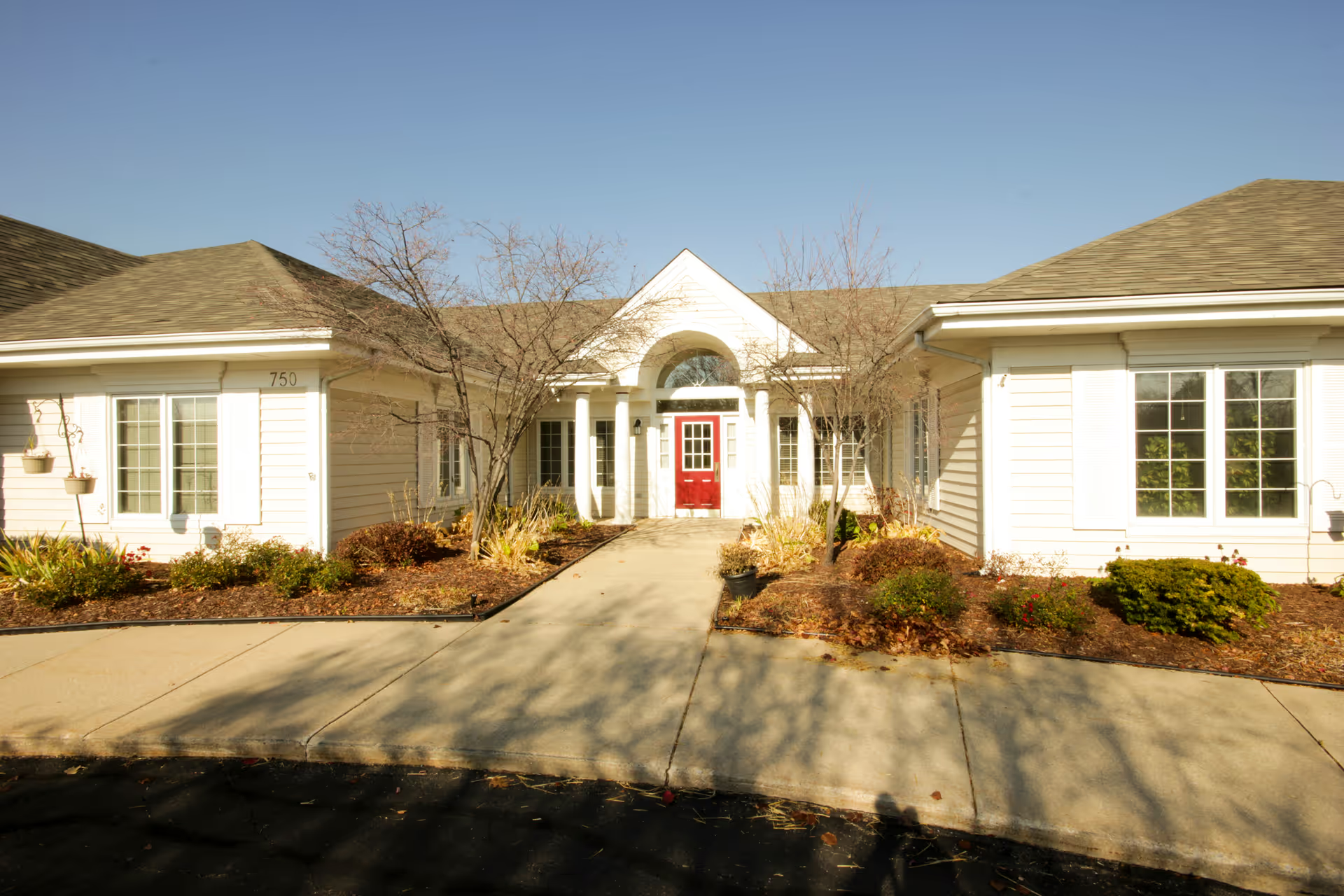
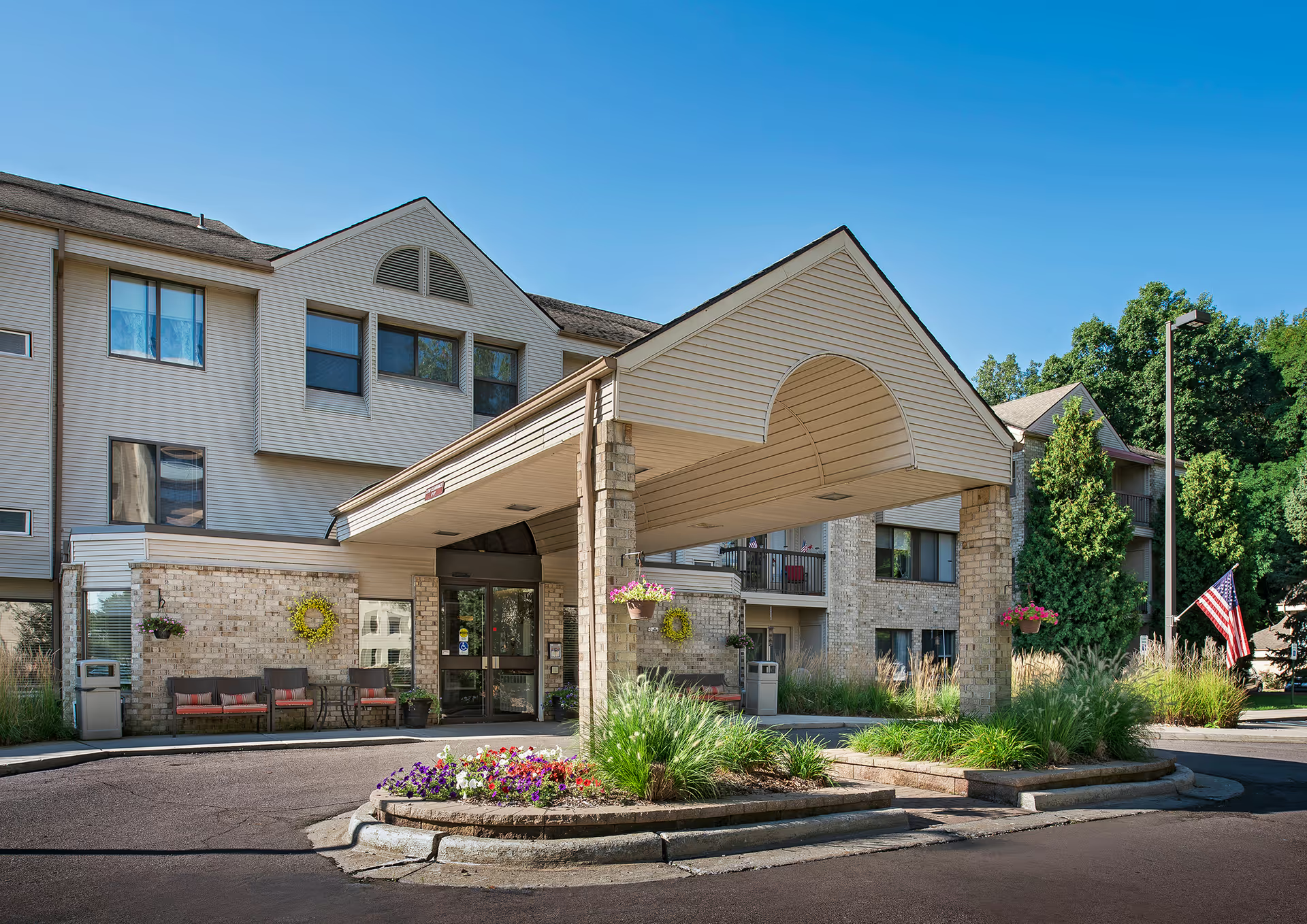
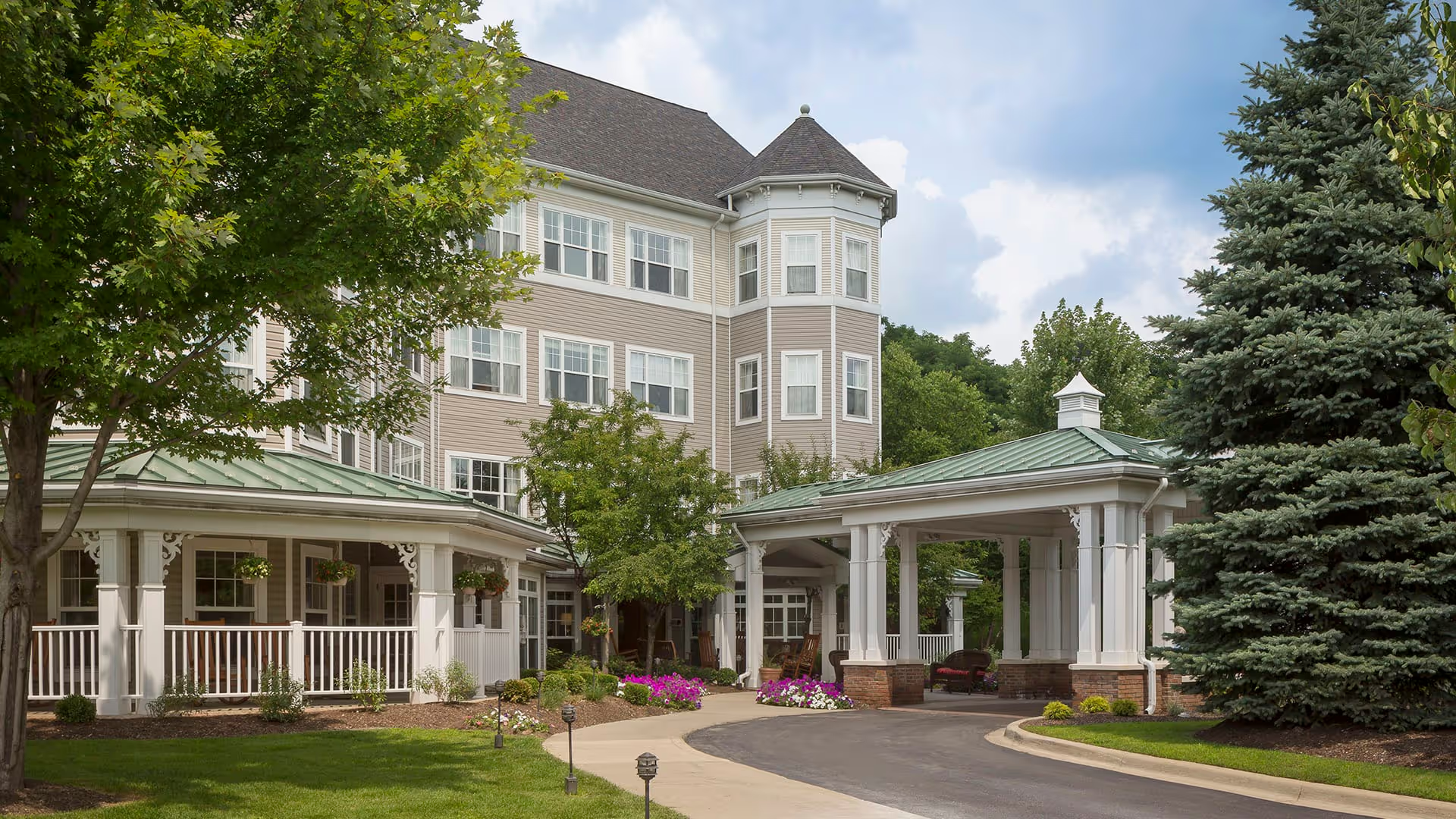
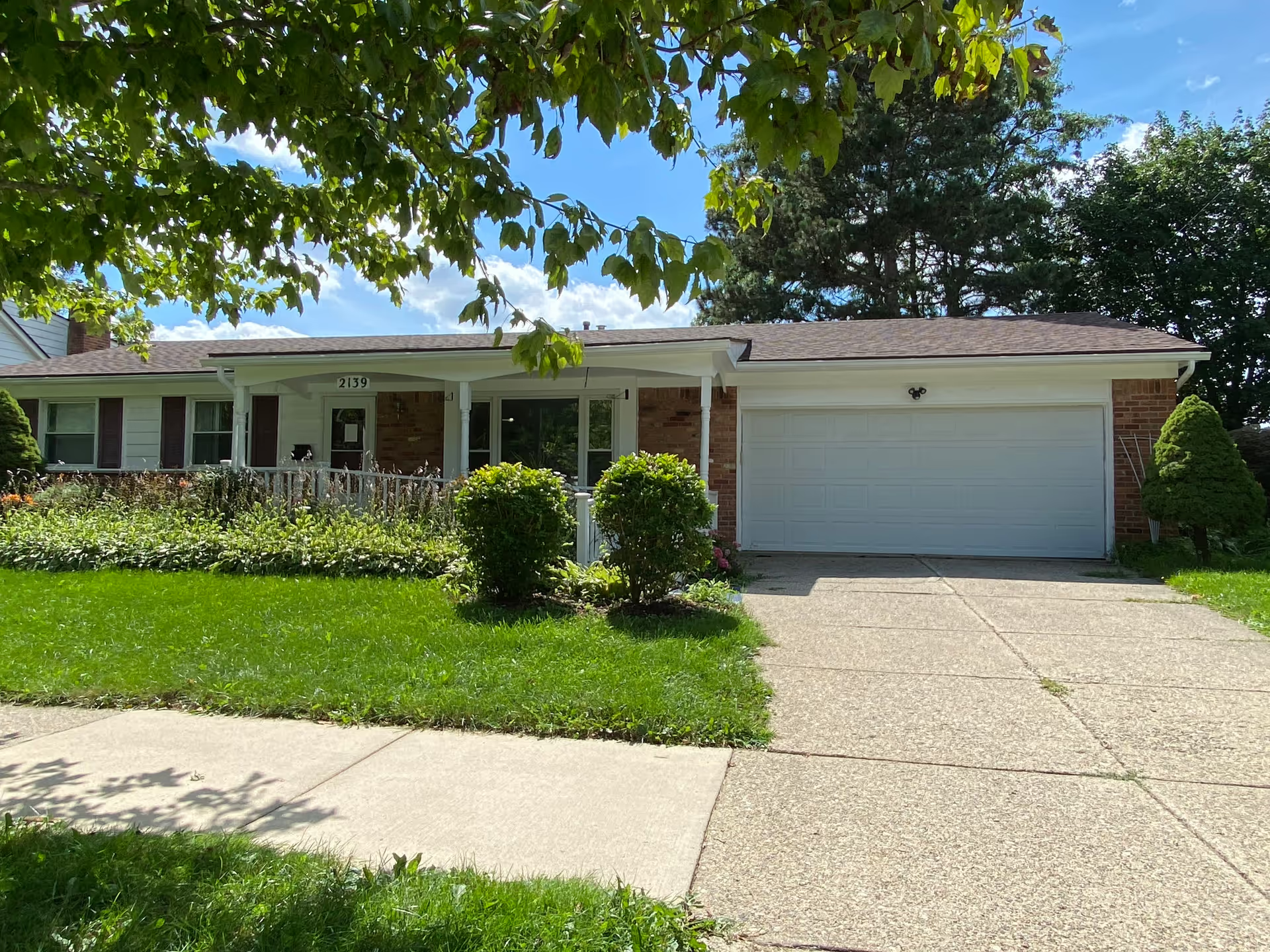
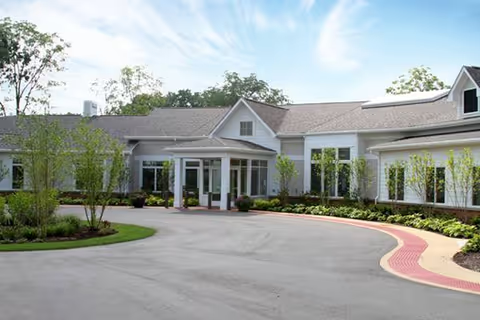
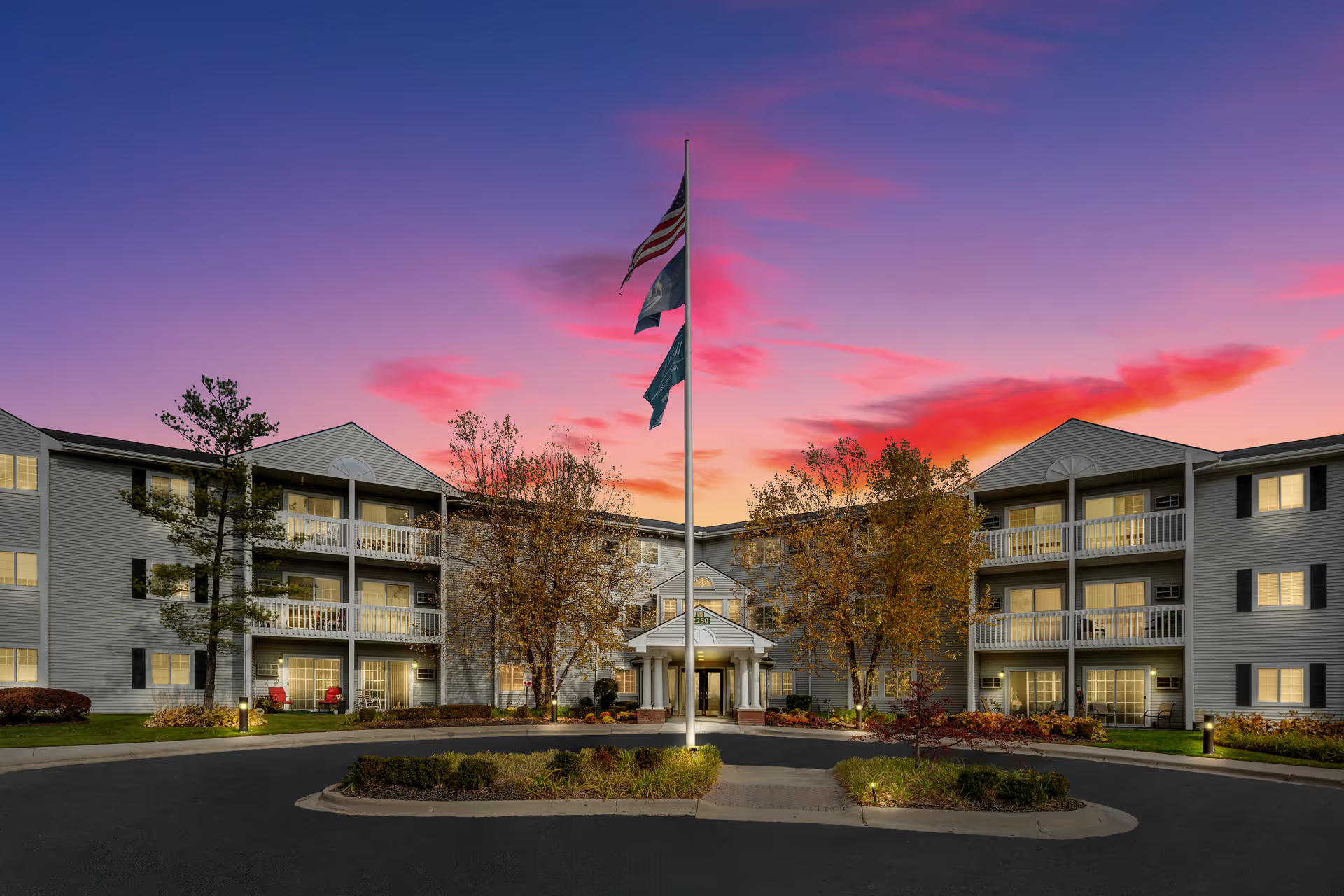
University Senior Living elicits polarized impressions: many families highlight genuine strengths in staff compassion, onsite clinical coverage, and an active social program, while others point to recurring operational gaps that affect daily experience. Positive reports emphasize warm, respectful resident interactions, visible nursing presence (including full‑time and 24‑hour nursing in some units), and a broad activities calendar featuring music, guest lectures, outings, and therapy services. The building and amenities are frequently described as modern, clean, and hotel‑like, with convenient access to a nearby hospital, pet-friendly programming, and responsive maintenance and housekeeping.
Despite these strengths, a consistent pattern of staffing shortages and turnover appears to be a primary driver of negative experiences. Families described delays in responding to call lights, inconsistent bathing and personal-care schedules, and reliance on agency staff who may be less familiar with residents’ needs. Reviewers also raised concerns about staff training for memory‑care and other higher‑acuity needs; where training and dementia-care consistency are weak, families reported uneven clinical practice and variable day-to-day support.
Dining and hospitality receive mixed evaluations. Some reviewers appreciate restaurant-style service and accommodated meal substitutions, while others cite limited menu variety, occasional cold or late meal delivery, lack of condiments, and staffing/chef shortages that reduce meal choices. Activities programming is generally a strong point—music, crafts, volunteer visits, and planned trips are frequently praised—but there are also comments about the need for more encouragement to participate, fewer evening or night activities, and variability in how actively staff engage residents.
Operational and management issues recur in the commentary. Several families described inconsistent communication, slow follow-up after incidents, and unexpected pricing or billing changes that created financial strain. Problems with laundry and personal-property handling and variable cleanliness in specific common areas were also noted. While some administrators and frontline leaders receive strong praise for responsiveness and hands-on care, experiences with leadership engagement are uneven across reports.
In summary, University Senior Living offers many features families value—compassionate staff members, clinical presence, robust activities, therapy services, and modern facilities—but operational weaknesses, primarily staffing shortfalls, inconsistent clinical and dining execution, and gaps in communication and billing transparency, create variability in resident experiences. Prospective residents and families should tour the community, ask for current staffing and turnover metrics, review sample menus and activity schedules, and request written policies on billing, incident follow‑up, and dementia‑care training to assess fit and mitigate known concerns.