The collected reviews indicate significant, recurring operational concerns at the facility across clinical care, safety, environment, and management. Several families described problems with clinical oversight and medication practices, including delays in medication administration and end-of-life pain management concerns; a small number of reviews raised serious allegations following a resident's death that would merit further verification through regulatory records. Reviewers also described infection-related events that led to hospital transfer for at least one resident, suggesting gaps in infection-control procedures and clinical monitoring.
Staffing and staff behavior emerged as a major theme. Reviewers identified inconsistent responsiveness from caregivers and front-desk personnel, with reports of long waits for assistance and limited updates to families. While some staff members were described as friendly or helpful, the overall pattern suggests variability in training, conduct, and communication skills. Families reported issues with tone and unhelpful interactions, and several cited inadequate supervision from clinical leadership or attending physicians.
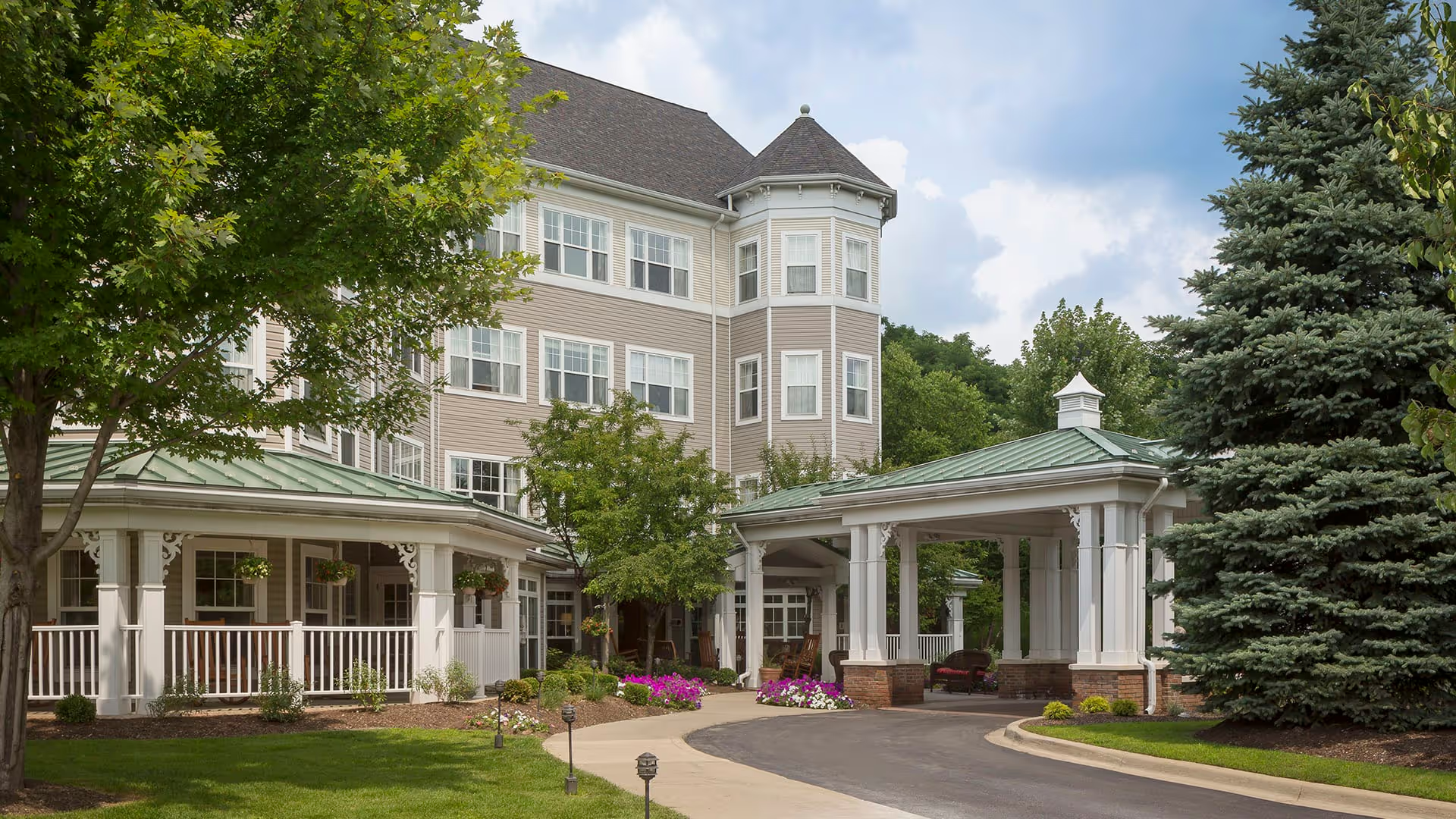
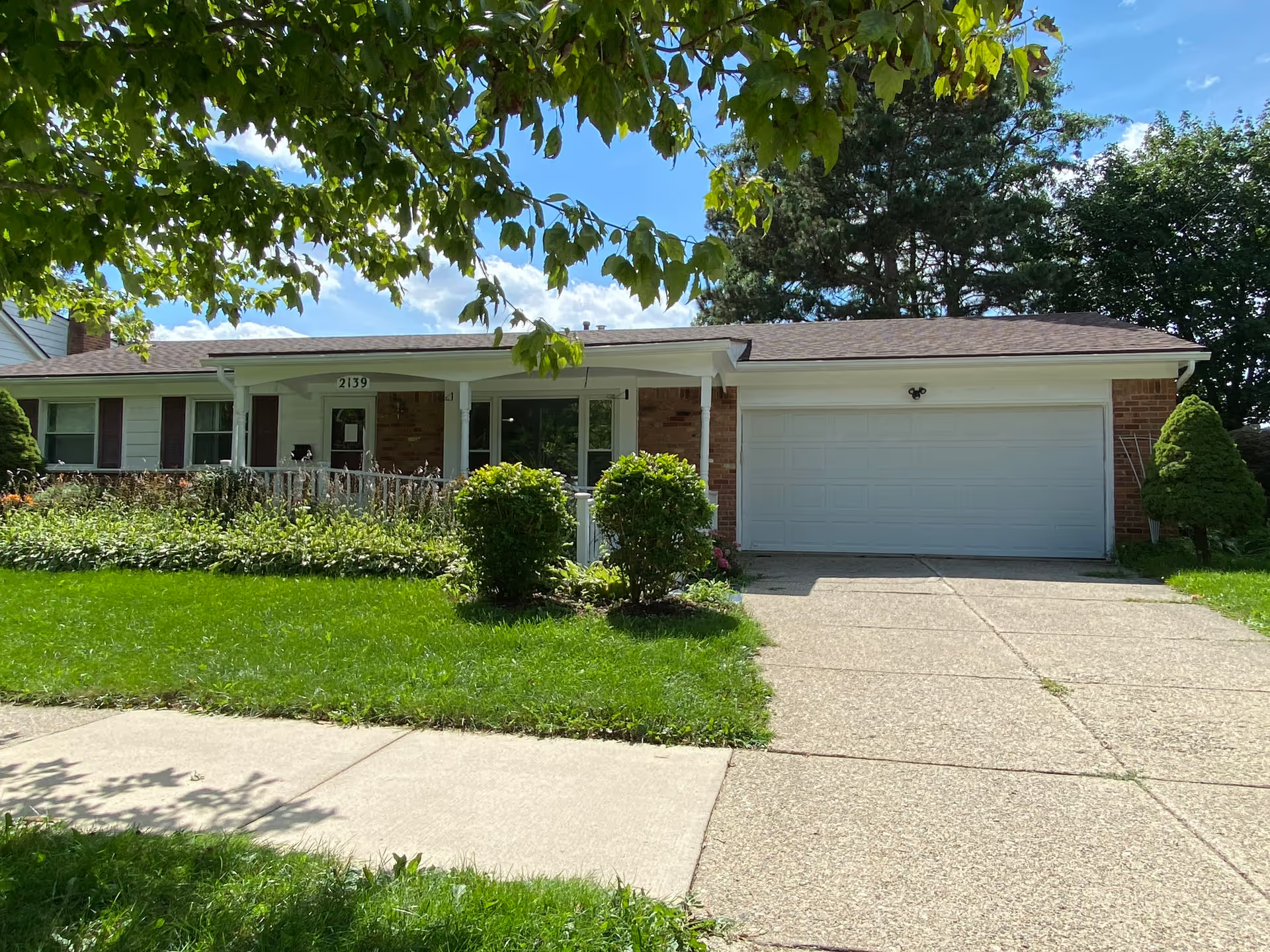
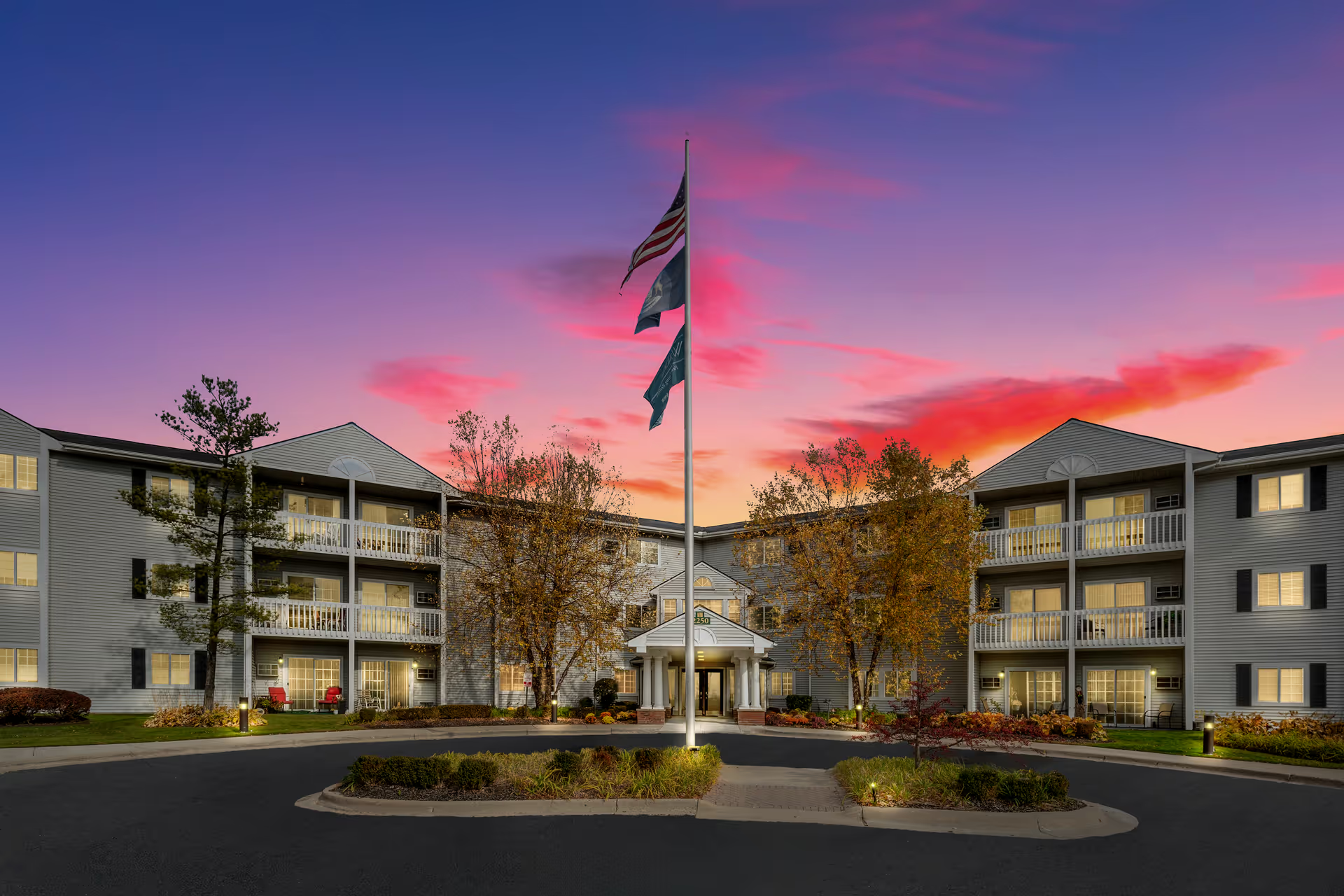
Facility condition and safety issues were frequently noted. The physical plant is described as dated and crowded, with limited in-room amenities such as televisions or accessible windows in some rooms and an absence of centralized climate control in parts of the building. Multiple reviews raised sanitation and odor concerns in both resident rooms and common areas and identified shortfalls in maintenance. Security and access-control deficits were reported, including unsecured exterior points, gates, and doors that could allow unsupervised entry or exit, and alarms or entry alerts that were delayed or unattended. Reviewers also raised concerns about driveway and property access posing safety risks for arrivals and departures.
Dining and activities are present but were described as limited in variety and consistency. Several reviewers noted restricted meal options and sparse recreation schedules; the service exists, but families perceived it as insufficient relative to expectations. Administrative responsiveness to family complaints and requests was another recurrent issue: reviewers reported poor communication from management, delayed or absent follow-up on concerns, and a perception that grievances were not adequately addressed.
Taken together, these patterns indicate operational weaknesses in security, environmental maintenance, staffing consistency, clinical oversight, and administrative responsiveness. For prospective residents and families, recommended due diligence includes reviewing the facility's most recent inspection and complaint records, asking for staffing ratios and on-site clinical coverage details, inquiring about infection-control protocols and alarm-response times, observing cleanliness and access-control measures during unannounced visits, and seeking references from current families. Confirming written policies on medication administration, end-of-life care, and family communications can help clarify whether the facility’s practices meet your expectations before placement.