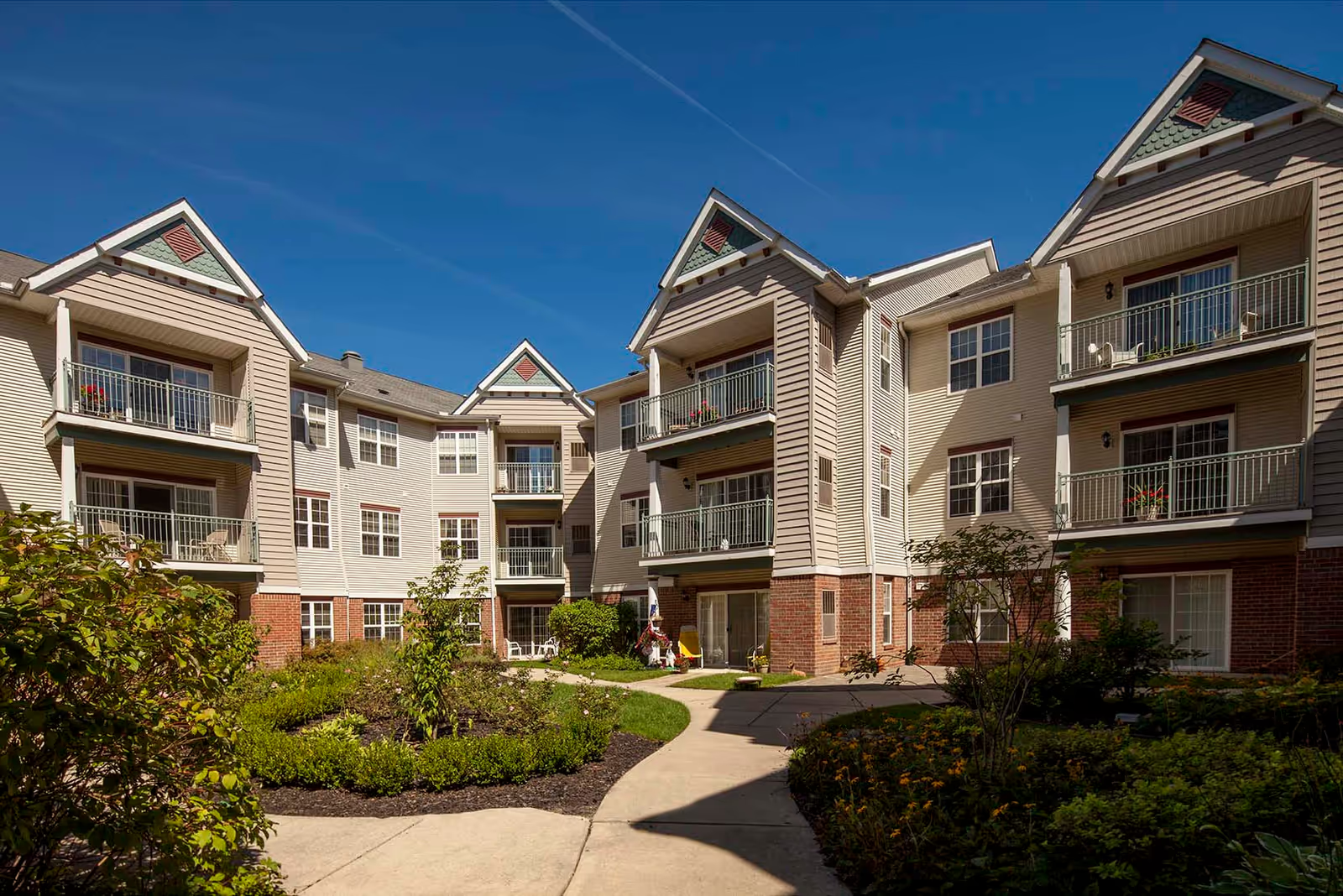
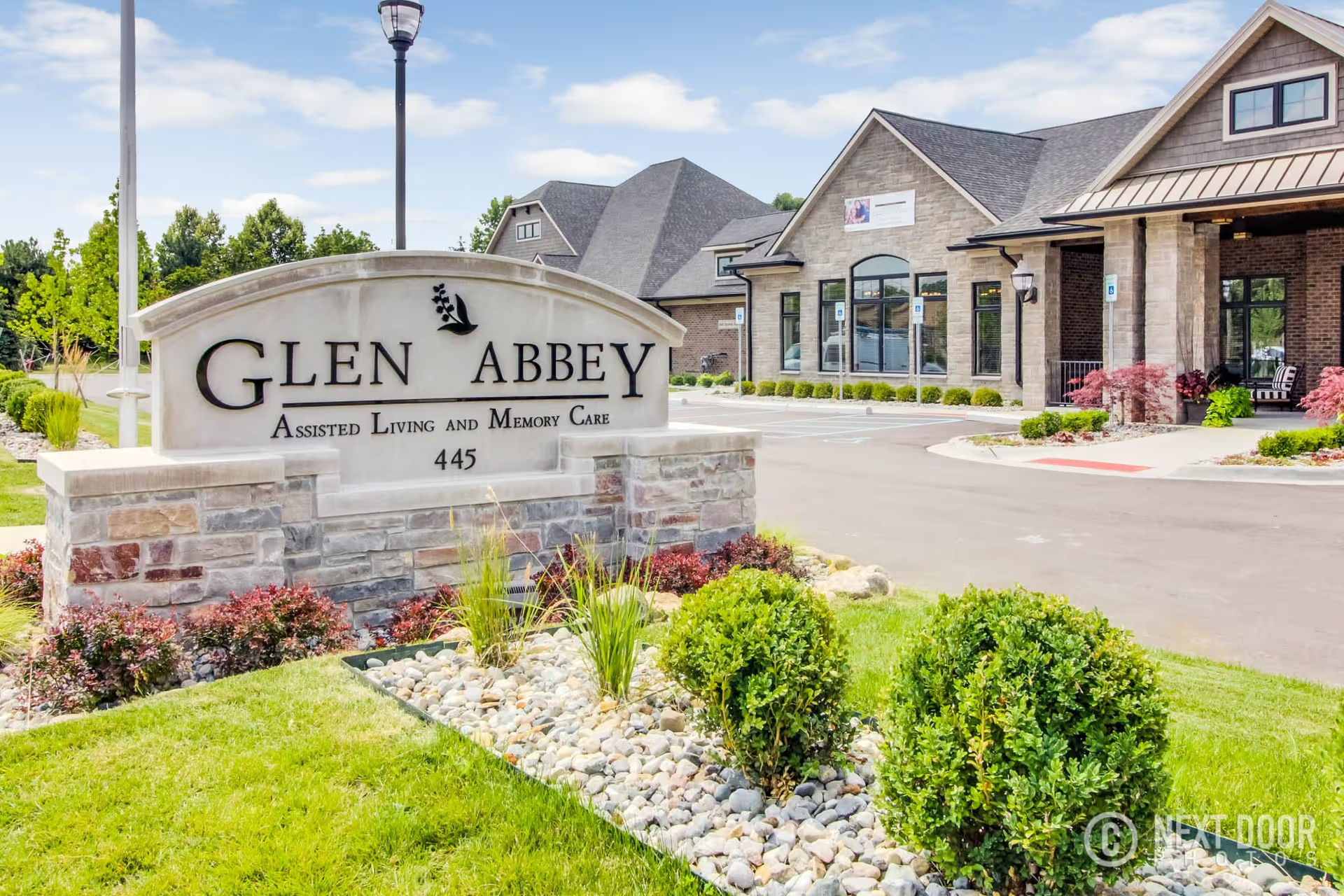
CedarWoods Assisted Living & Memory Care elicits a mix of strong praise and substantive operational concerns. The facility's strengths center on caregiving staff and basic supports: reviewers consistently highlight compassionate, resident-focused employees who learn residents’ names, provide individualized attention, and foster social engagement. Many families value the facility’s affordability, onsite chef and meal structure (three meals plus snacks), available rehabilitation/PT services, and partnerships with hospice providers. Amenities such as a movie theater, daily activities, a secured memory-care unit, and outdoor seating areas (gazebo/courtyard) contribute to a homelike atmosphere for numerous residents. The organization also receives positive notes for infection-control practices and responsive nursing leadership, and management appears invested in upgrades and renovations in visible areas.
Care quality and staffing present the most mixed feedback. Positive accounts describe attentive, warm caregivers and effective day-to-day support; however, there are recurring operational concerns about inconsistent staffing levels—notably during nights, holidays, and busy mealtimes—which families say can produce delays in routine assistance. Relatedly, several comments point to gaps in medication management and monitoring (including anticoagulant oversight) and to inconsistent adherence to individualized care plans. Equipment-readiness and emergency-preparedness issues (for example oxygen equipment and lift use) were raised in multiple narratives, indicating an area for clinical-process improvement and stronger staff training.
Dining and activities are broadly viewed as strengths with qualifications. The facility’s onsite cook and structured dining are appreciated, and many residents enjoy social connections formed in the dining room and activity programming (bingo, church services, sing-alongs, crafts, reading groups, and scheduled physical therapy activities). At the same time, some families describe variability in meal quality and the need for more menu variety. Activity offerings in the general assisted-living portion are regarded as ample, but programming in the memory-care unit is described as less consistent and occasionally limited; prospective families should clarify daily schedules for memory-care residents.
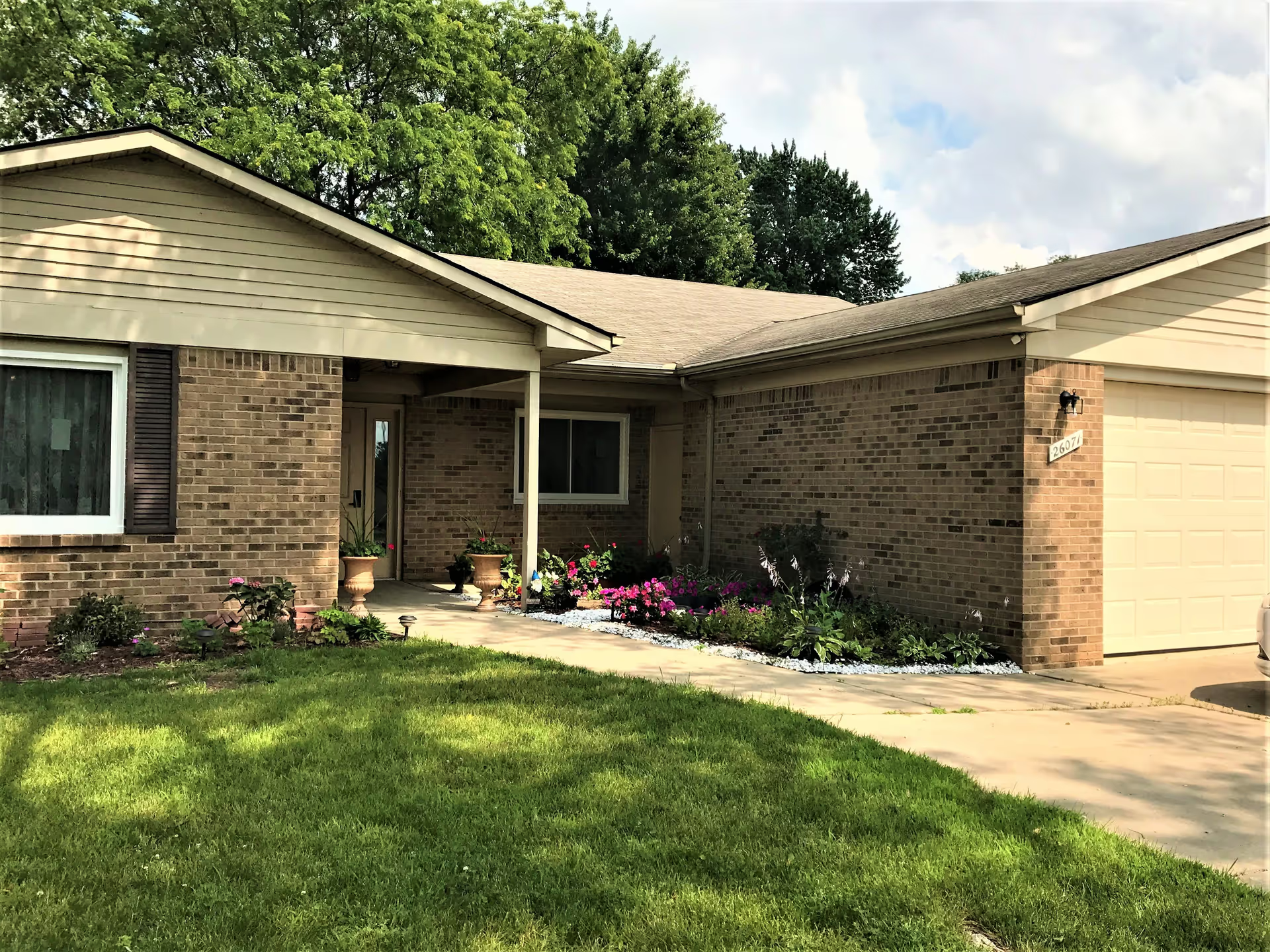
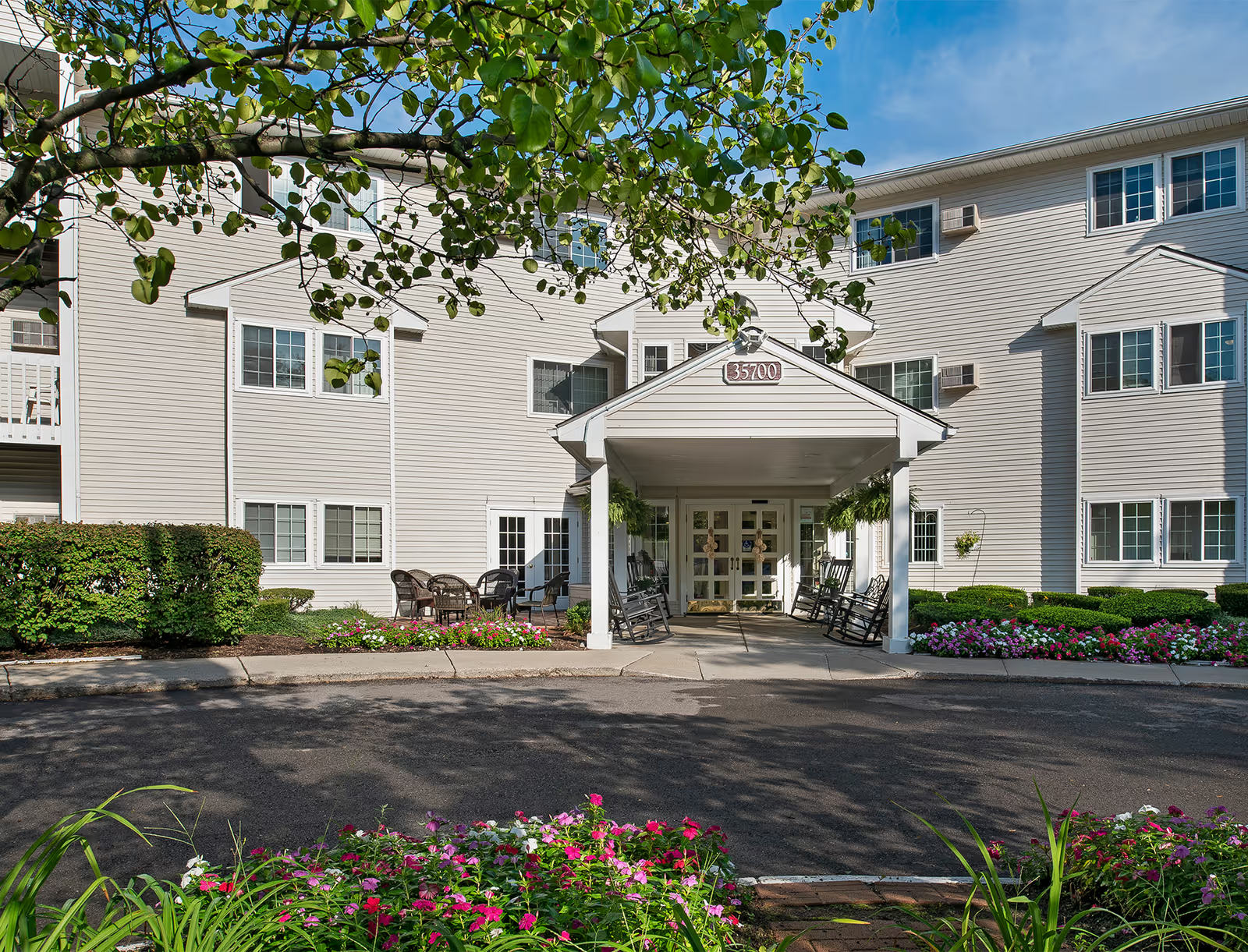
Facilities and operations show contrasts between cleanliness/maintenance and an older physical plant. Reviewers frequently describe clean, well-kept rooms and communal areas, while also noting an institutional or dated appearance in parts of the building, limited outdoor walking space and landscaping, and a prevalence of shared multi-occupancy rooms rather than single-occupancy options. Operationally, the facility has recurring issues with laundry and property tracking (lost clothing, canes, glasses), occasional lapses in communication (receptionist or email difficulties), and variability in supervisory responsiveness. Those patterns—combined with uneven staffing transparency—mean family members should ask specific, documented questions about staffing ratios, laundry/property procedures, medication oversight protocols, and emergency equipment checks during tours.
Overall, CedarWoods presents a service model with clear strengths in staff compassion, core medical and social supports, and cost-effectiveness for many families. At the same time, prospective residents and families should weigh the facility’s operational weaknesses—particularly around consistent staffing, medication management, property controls, and memory-care programming—when determining fit. For families considering CedarWoods, recommended pre-admission steps include reviewing current staffing schedules and supervision practices, asking for written medication-management and emergency-equipment protocols, touring the memory-care daily-activity offerings, and clarifying laundry/property-return processes and single-room availability.