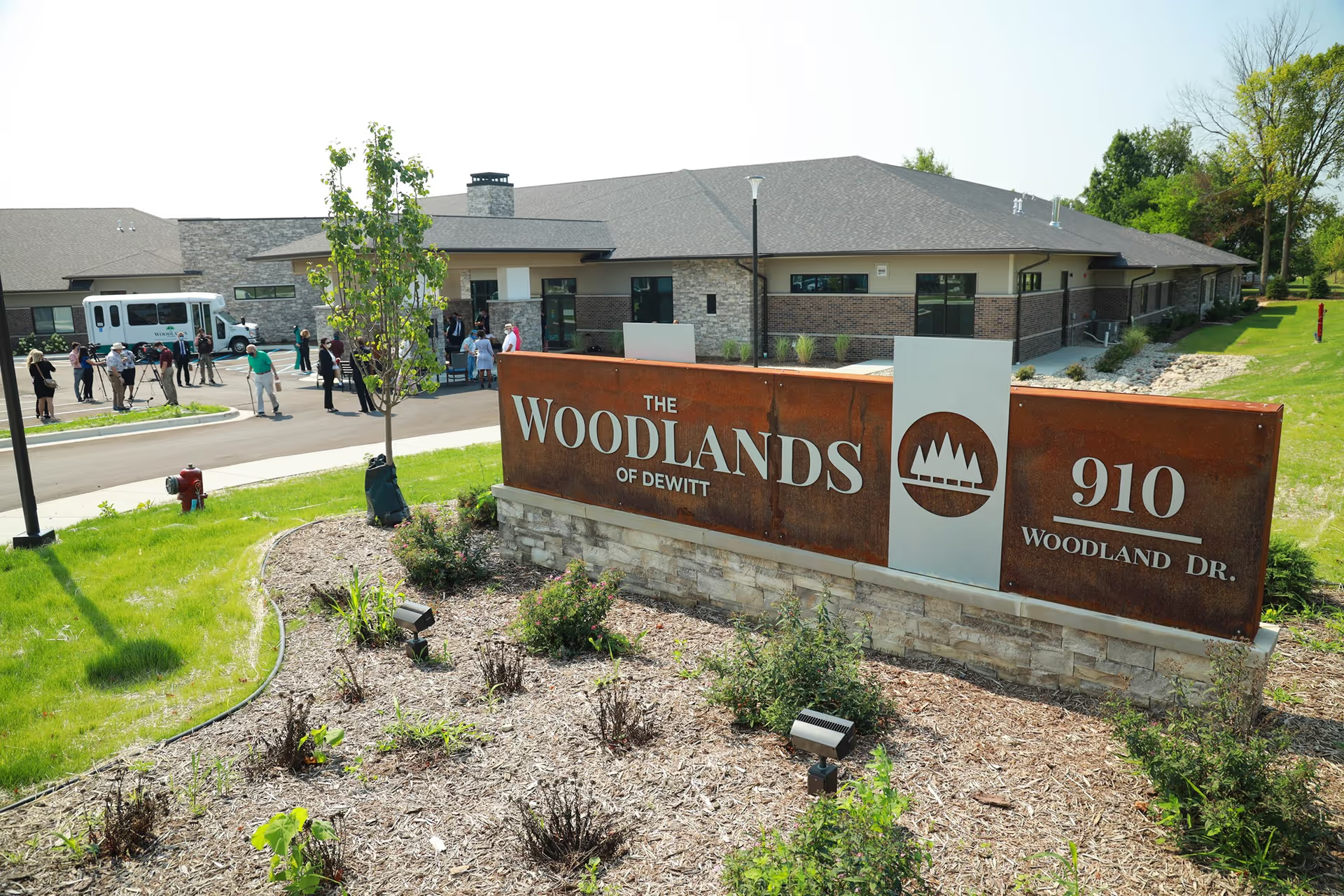
Reviewer impressions of Divine Living Center of DeWitt are polarized: many families describe a warm, family-like atmosphere with highly engaged staff, while others describe operational shortcomings that have materially affected care experiences. Strengths repeatedly cited include a welcoming move-in process, individualized attention from caregivers, rich family-oriented events (music therapy, family dinners, live entertainment), and generally appealing dining described as homestyle and timely. The campus and common areas are frequently described as attractive and well maintained, and the rural, wooded setting is a consistent positive for those seeking a quieter location.
Care quality and staff behavior emerge as the facility’s core strength for a substantial number of reviewers. Comments praise compassionate, attentive caregivers, long-tenured staff, strong end-of-life and hospice support, and staff members who go beyond expectations to involve families and personalize services. Several accounts emphasize effective transition support and prompt responses to routine concerns, and some reviews highlight strong infection-control planning and proactive communication during outages or events.
At the same time, a notable set of reviews identifies operational weaknesses that affect resident experience. Cleanliness and housekeeping are described inconsistently across accounts: while common areas are often praised, there are recurring sanitation concerns at the room level and reports of missed housekeeping tasks. Staffing and training variability is a theme; reviewers indicate periods of understaffing, delays in responding to personal-care needs, and occasional medication-administration and pharmacy-coordination problems. These issues are reported as intermittent rather than constant, but when they occur they are presented as impacting dignity and comfort.
Dining and activities receive predominantly positive remarks overall, yet there are patterns worth noting. Many families find the food and social dining format appealing, but others cite variability in meal oversight and express concern about pharmacy costs and communication when medication or pharmacy vendors change. Activity programming is described as engaging—particularly in memory-care when music and family events are included—but some families find memory-care activities less varied and would like more consistent, tailored engagement.
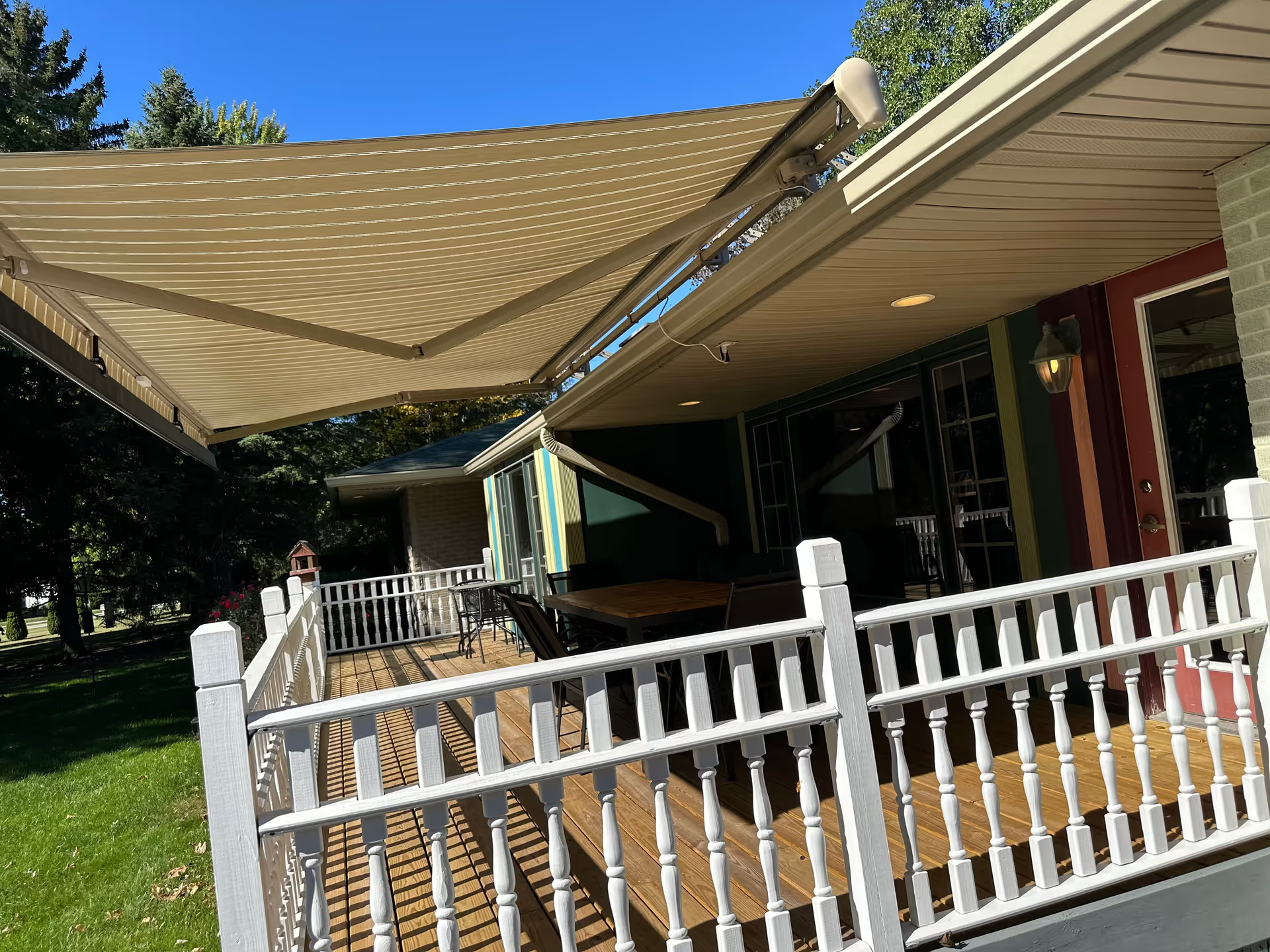
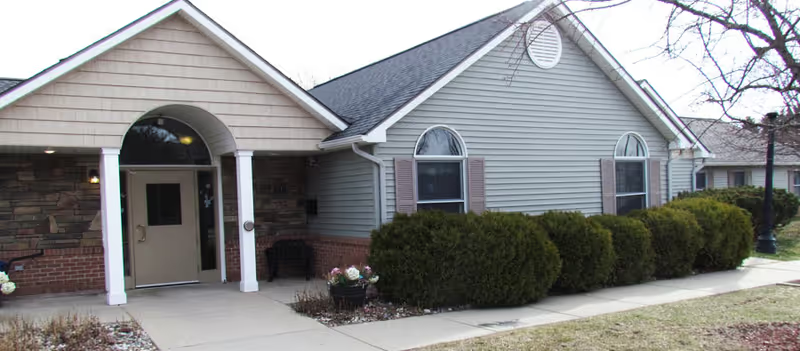
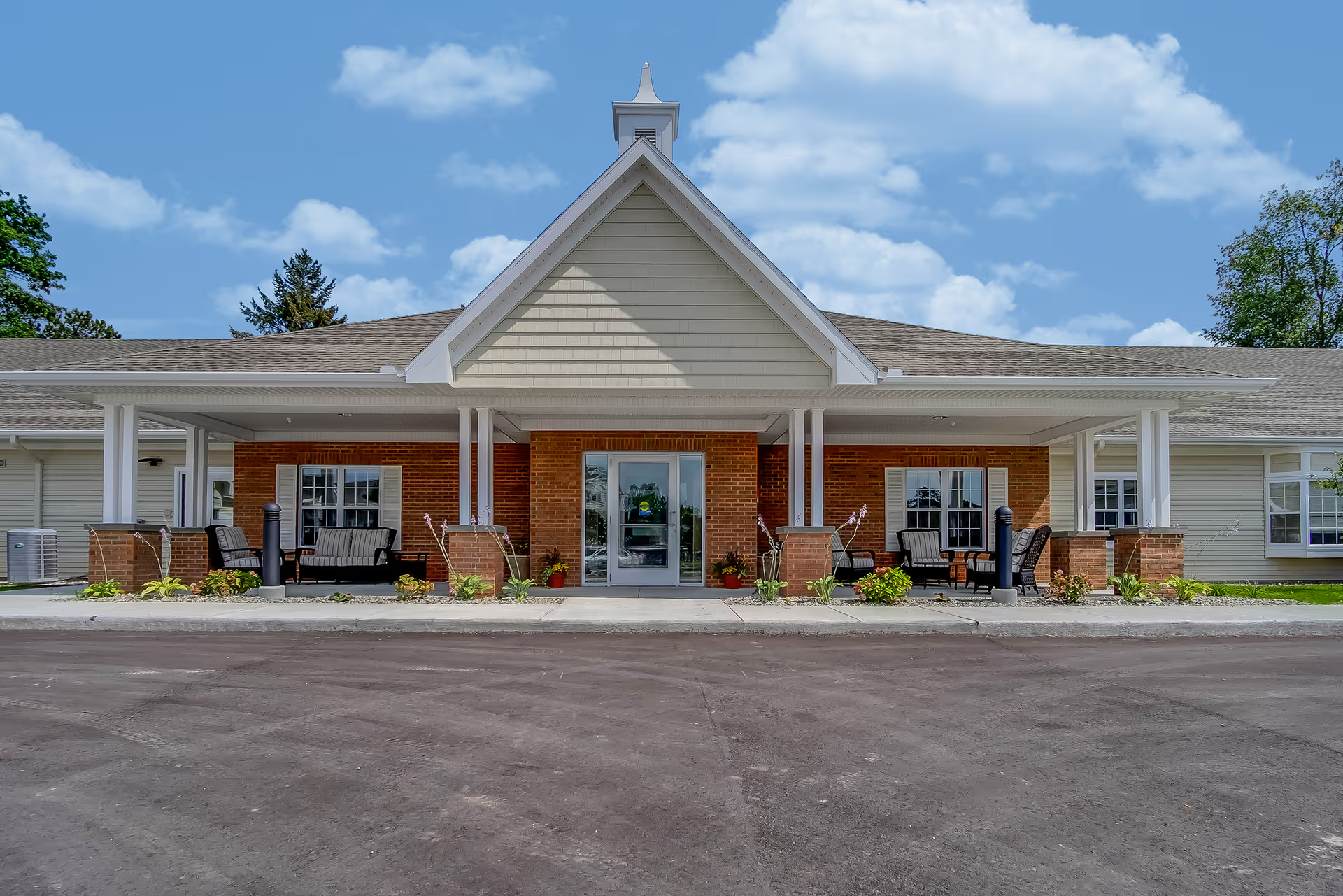
Facility features and safety impressions are mixed. The property, grounds, and communal spaces are frequently described as attractive and well maintained, and 24-hour availability is a reassuring feature. However, some reviewers identify environmental safety and maintenance gaps (slippery entrances, seasonal hazards, nighttime security concerns) and small private-room footprints with shared-bathroom configurations in some units.
Management and administration are central to the divergent impressions. Positive accounts point to helpful, communicative leaders and staff members named as assets, while critical accounts emphasize leadership instability, ownership changes, and inconsistent responsiveness to family concerns, including billing and refund delays. Pricing is frequently described as on the higher side, and several families question value when operational issues arise.
For prospective residents and families: the facility appears capable of providing high-quality, person-centered care and a warm community experience when staffing, housekeeping, and management systems are functioning well. Important due diligence items before placement include direct observation of room-level cleanliness, verification of staffing levels for the intended unit (memory care vs. assisted living), inquiry about medication and pharmacy processes, clarification of pricing and refund policies, and discussion of recent leadership or ownership changes and how they have affected operations. Touring at different times of day and speaking with families currently using the specific unit of interest can help evaluate consistency in the areas flagged by reviews.