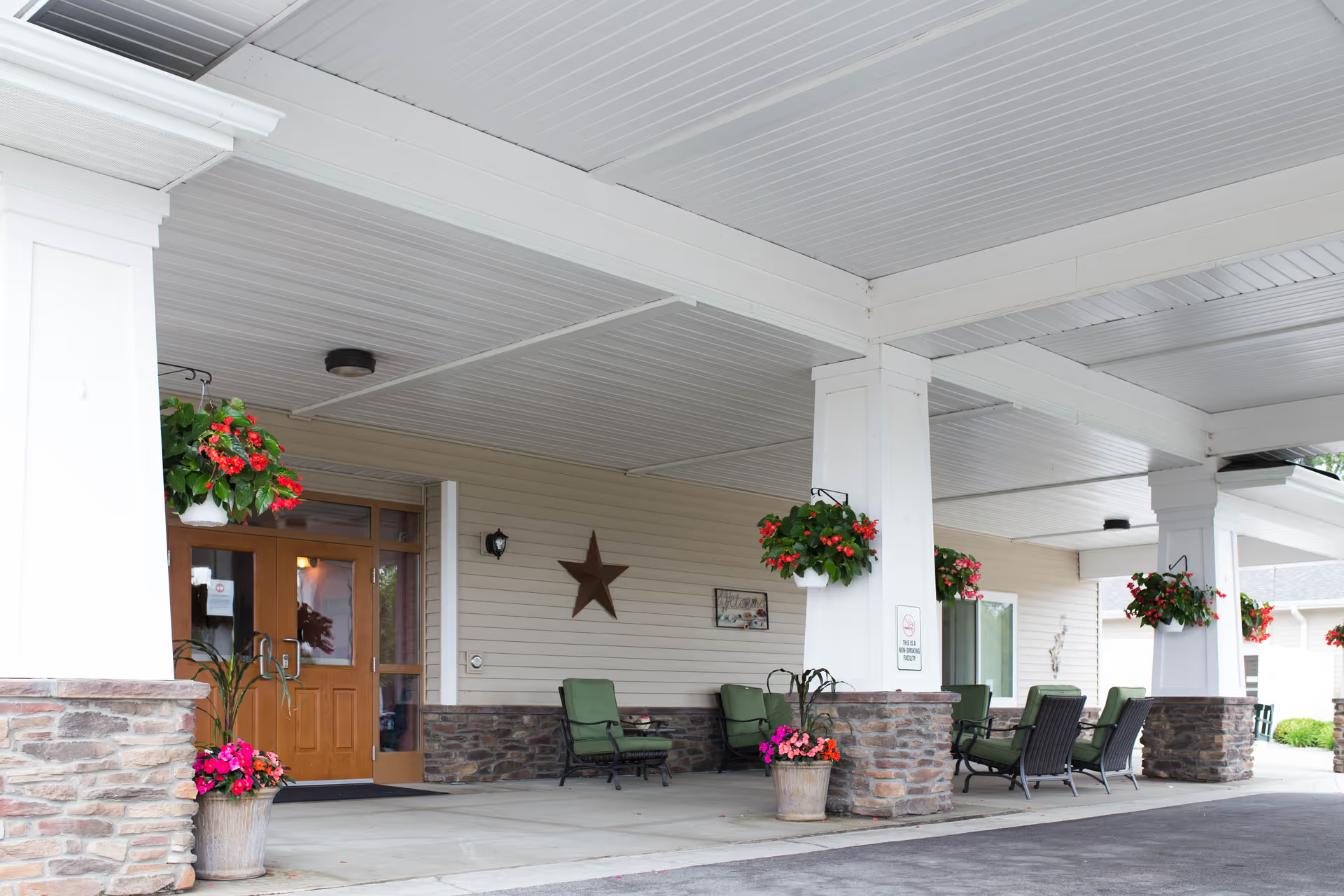
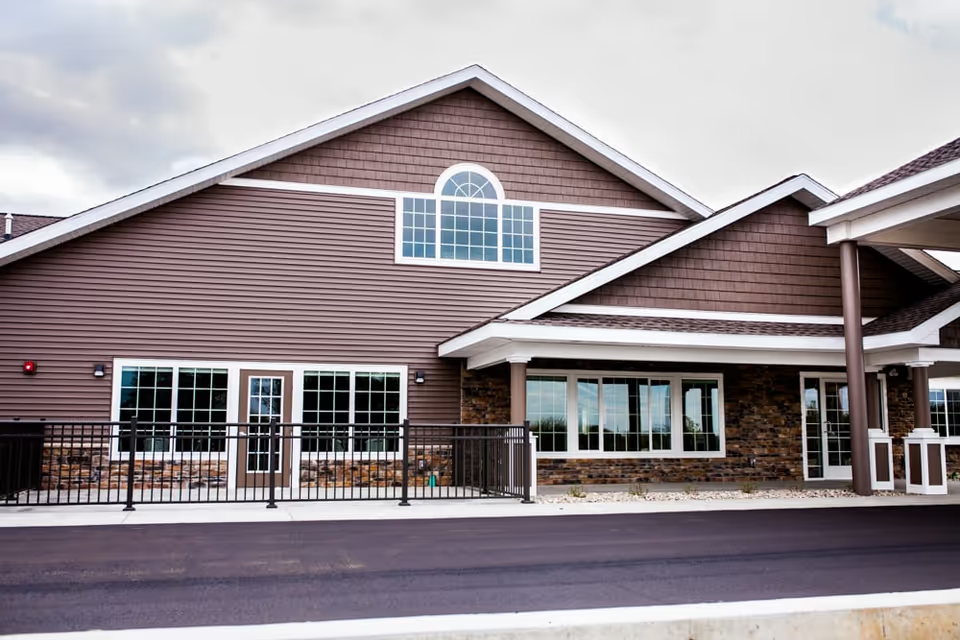
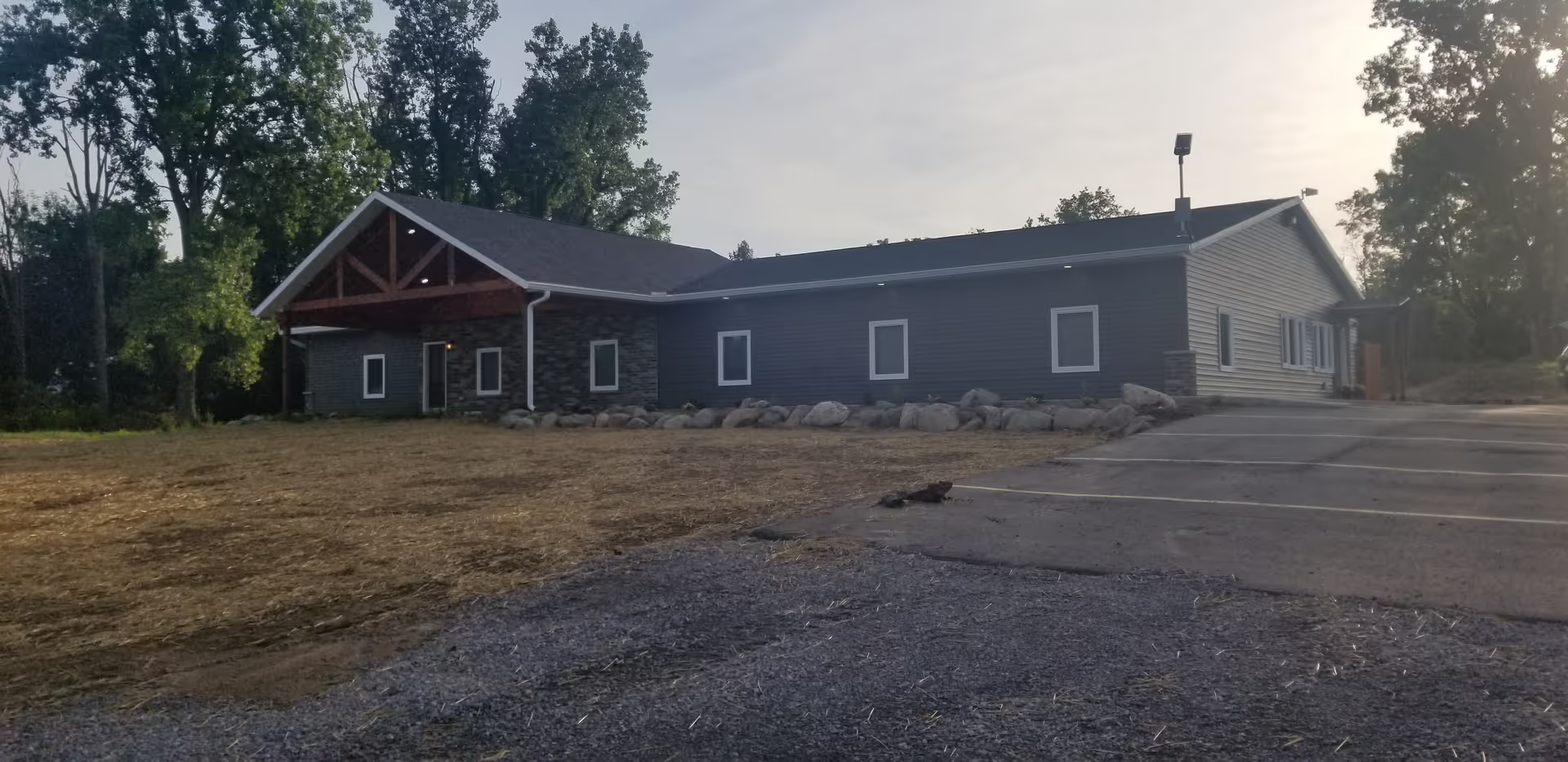
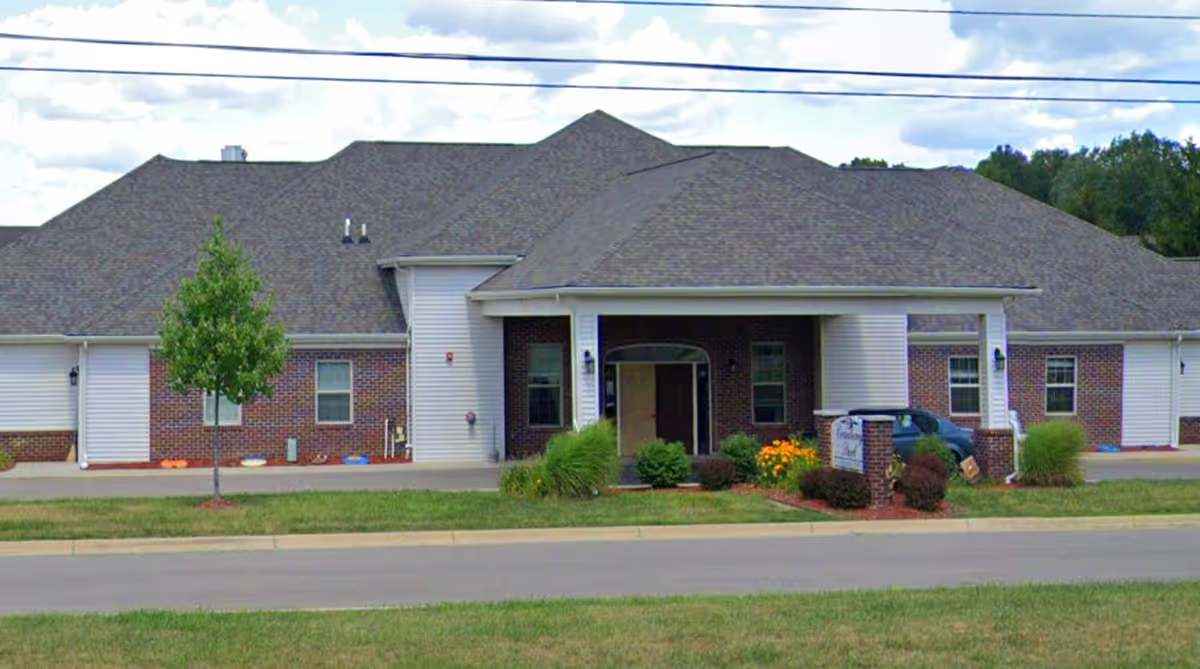
Reviews of Medilodge of Frankenmuth present a mixed picture with distinct strengths alongside recurring operational concerns. Many families and patients praise the clinical therapy teams and several direct-care staff, describing effective physical and occupational therapy, an engaging activities program, and compassionate bedside caregivers. Common positive comments highlight a well-equipped rehab area, social dining spaces, responsive front-desk/security procedures, available transportation assistance when arranged, and laundry/housekeeping services. There are also multiple accounts of successful short-term or respite stays where rehabilitation goals were met.
At the same time, a consistent set of care-quality and operational issues appears across reviews. Staffing inconsistencies — particularly during evenings and nights — are frequently linked to long call-light response times, delayed PRN medications, and missed or inconsistent bathing and toileting assistance. Several reviews describe problems with medication management, including administration delays, medication identification or record-keeping errors, and challenges managing insulin and PRN pain medications. Discharge planning and family communication are other recurrent themes: missing or unreviewed discharge paperwork, delayed coordination with families, and administrative errors related to billing and test documentation were cited multiple times.
Facility condition and environmental concerns are also prominent. Reviewers note aging furnishings and infrastructure (mattresses, lighting, general maintenance), bathroom leaks and wet floors, and specific sanitation and pest-control concerns in resident rooms and bathing areas. These issues are often raised together with safety observations such as a lack of grab bars, fall incidents, and perceived gaps in monitoring or supervision. Dining experiences are inconsistent in reviewers' accounts — some praise the dining atmosphere and specific menu items, while others describe small portions, high-sugar offerings, or meals they found unpalatable.
Management and staff conduct present a mixed pattern. Numerous reviews commend individual staff members, nurses, CNAs, and therapy personnel as kind and effective. At the same time, other reviewers report variable staff responsiveness, tone, and administrative follow-through; front-line staff may address concerns quickly in some cases, while families in other cases encountered unhelpful social-work or administrative interactions. Several reviews describe documentation and process failures (billing disputes, lost or miscommunicated test results), which amplify family frustration when clinical issues arise.
Notable patterns for prospective families to investigate further include: current staffing ratios and night-shift coverage, medication-administration and documentation protocols (including insulin and PRN pain management), infection-control and pest-control procedures, bathing/toileting schedules, and the facility's process for discharge planning and family communication. Given the variability in experiences reported, direct observation during a visit (mealtime, therapy sessions, room inspection) and targeted questions to management about corrective actions for the operational concerns above will provide the clearest sense of whether this facility is an appropriate fit for a particular resident's needs.