The reviews for Aria Nursing & Rehabilitation present a polarized picture: the facility demonstrates clear strengths in rehabilitative care and many instances of compassionate bedside care, yet also shows operational inconsistencies that raise concern for some families. Therapy services—particularly physical, occupational, and speech/swallowing programs—are frequently described as effective, with measurable mobility and functional improvements. Several families credited specific therapists and nursing staff with producing strong recovery outcomes after surgery or stroke. Admissions, scheduling, and some front-desk personnel receive repeated praise for helpfulness and clear coordination.
Care quality narratives are mixed. Positive accounts emphasize attentive nurses and CNAs who provide individualized attention and dignity. Contrasting accounts describe lapses in clinical oversight, delays in medication administration, and failures in monitoring that required hospital follow-up. These contrasting reports suggest variability in clinical processes and staffing competency across shifts. Families should inquire specifically about staffing ratios, on-call clinical coverage, and medication reconciliation procedures when evaluating the facility.
Dining and nutrition emerge as inconsistent. Some reviewers praised enjoyable meals and a dedicated chef, while others experienced cold, unseasoned, or stale food and menu inconsistencies. The absence of an on-site dietitian for complex dietary restrictions was noted and may impact post-operative or medically restricted diets. Meals and dining logistics (timeliness, temperature, snack quality) appear to vary by shift and day.
Activities and ancillary services are generally well-regarded. The facility offers an active calendar, special events, and convenient on-site services such as a barber/stylist and transportation assistance. Therapy rooms and rehabilitation spaces are frequently described as updated and well-equipped, supporting the facility’s strength in short-term rehab stays.
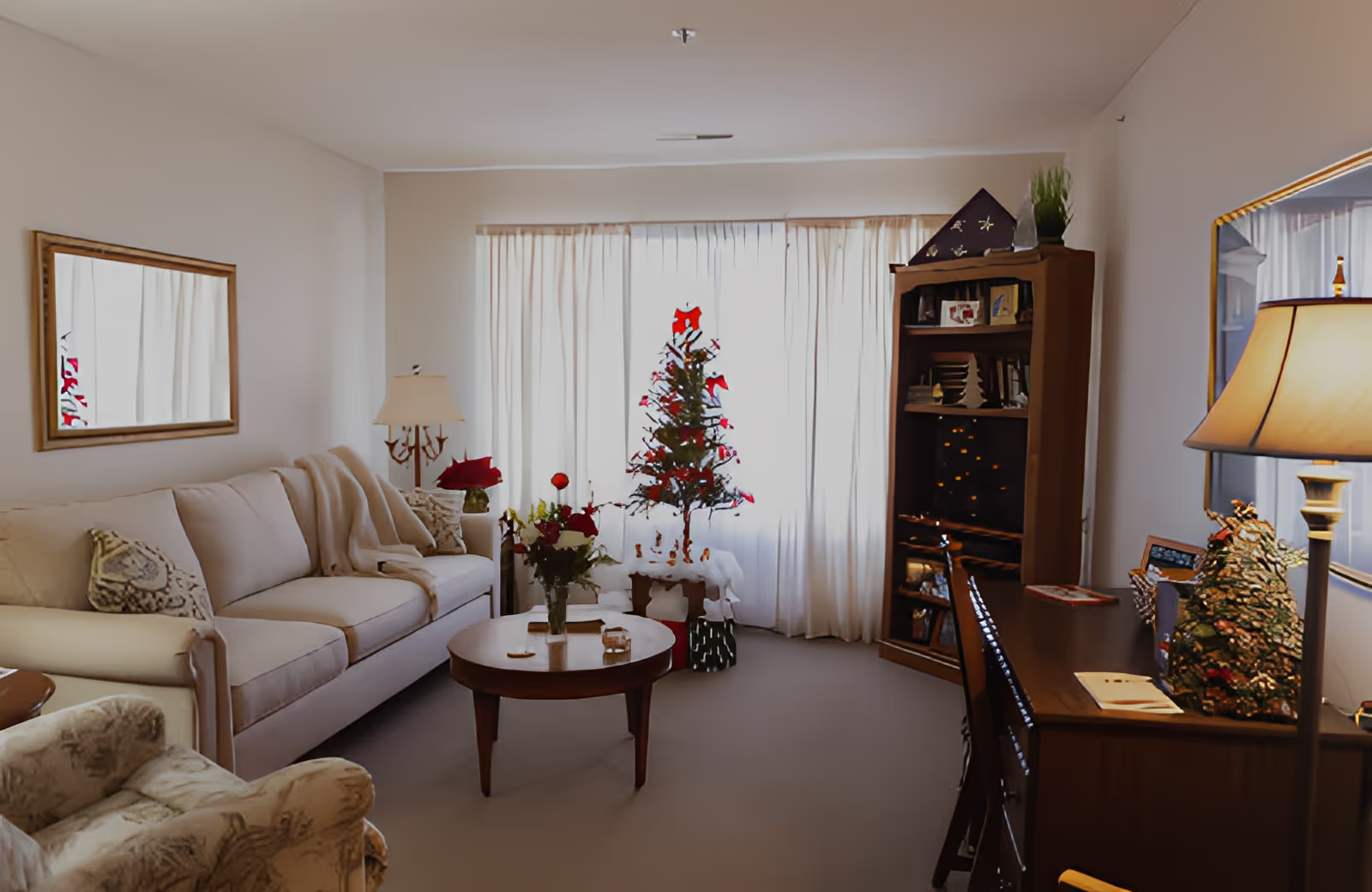
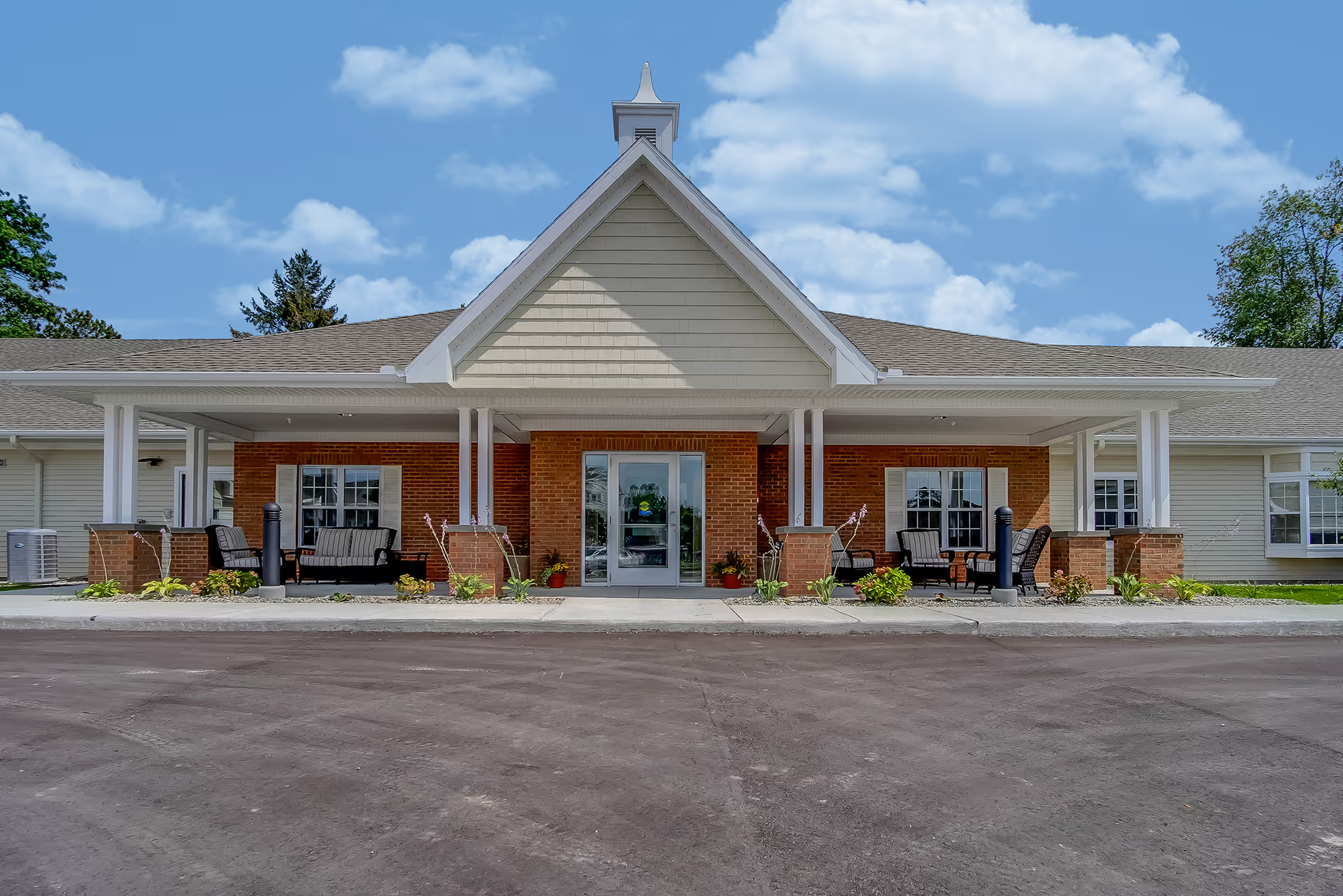
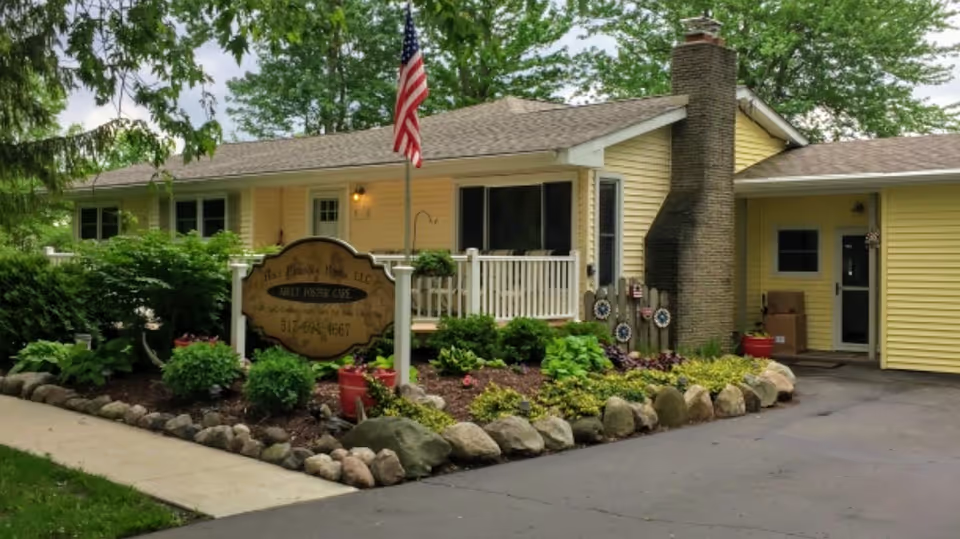
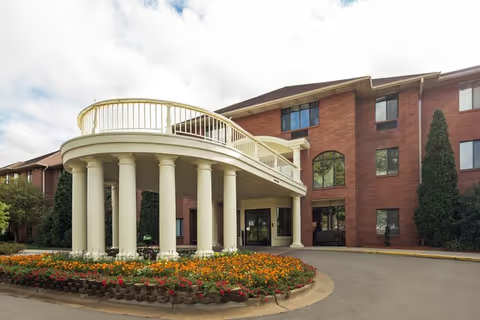
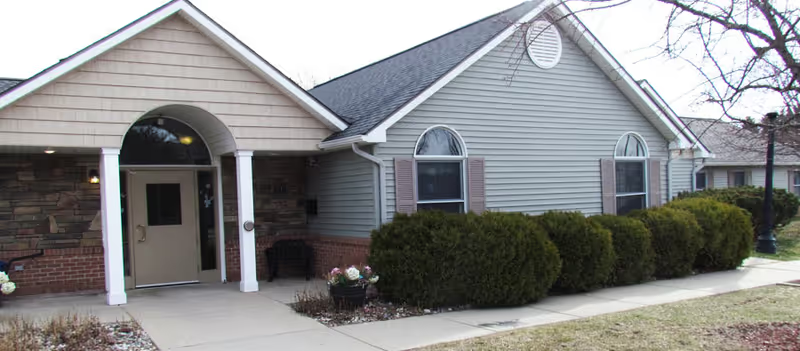
Facility condition and cleanliness received mixed feedback. Many visitors and families noted a clean, welcoming environment and recent renovations, while others reported sanitation concerns, odor issues in common areas, and pest-control worries. Heating/cooling inconsistencies and occasional supply shortages (gowns, appropriately sized clothing, linens) were also mentioned. Prospective residents should assess environmental controls and housekeeping protocols during a visit.
Management and communication patterns are inconsistent in the reviews. Positive narratives highlight visible, involved ownership and staff who promptly address complaints; negative narratives describe difficulty reaching administration, delayed discharge coordination, and communication breakdowns with families. There are a small number of serious claims involving privacy, record-keeping, and alleged financial/property mishandling; these items warrant direct inquiry and documentation during the selection process.
Notable patterns to consider: (1) rehabilitation services are a consistent relative strength and may suit patients needing short-term, goal-directed therapy; (2) care and operational consistency appear to fluctuate by shift and weekend coverage, so ask about staffing schedules and oversight for overnight/weekend periods; and (3) dining, sanitation, and supply management are uneven and should be evaluated in person. In sum, Aria appears capable of excellent rehabilitative outcomes with attentive staff, but families should verify current staffing levels, clinical-monitoring protocols, dining accommodations, infection-control and pest-control practices, and administrative responsiveness before placement.