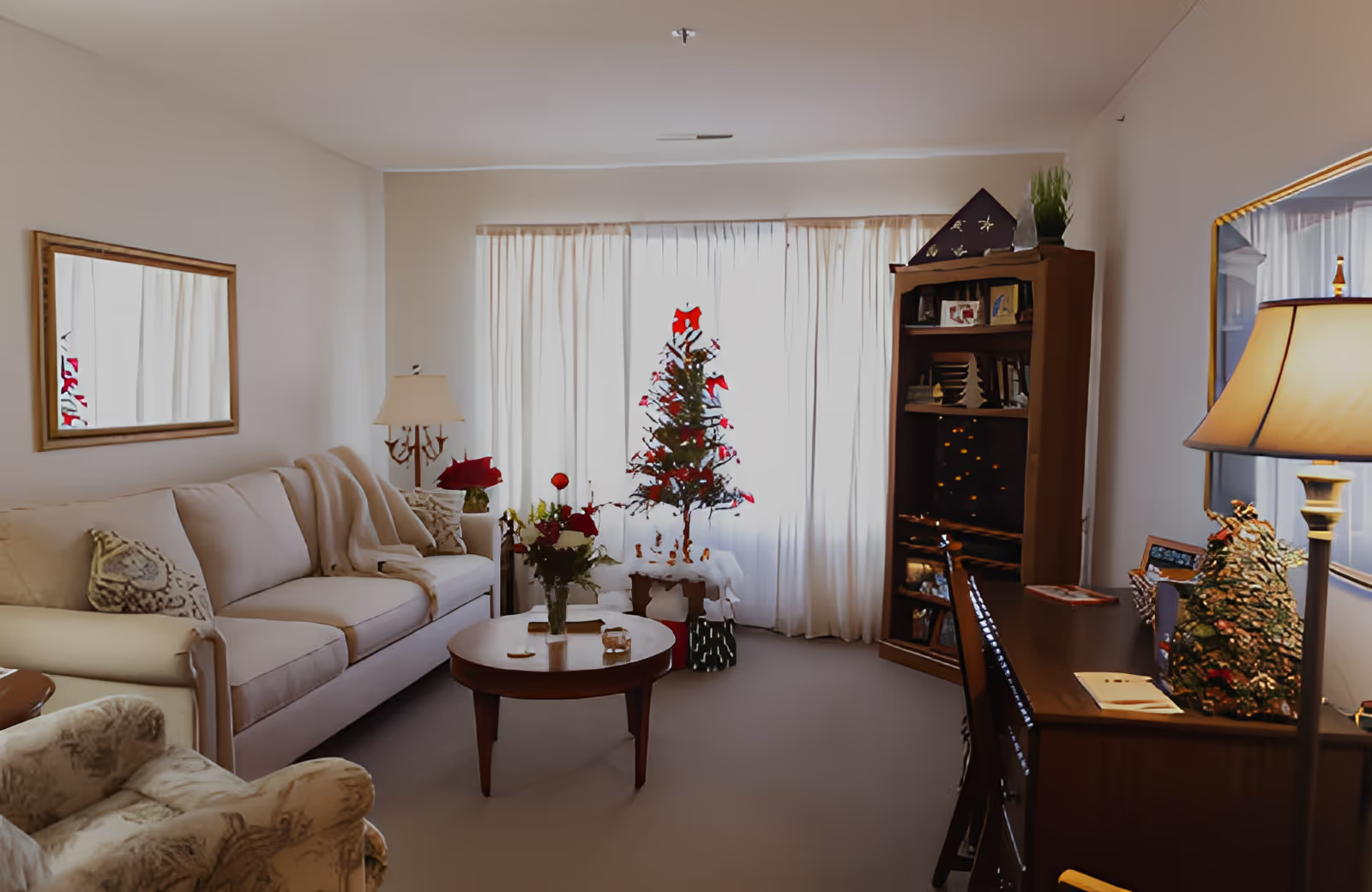
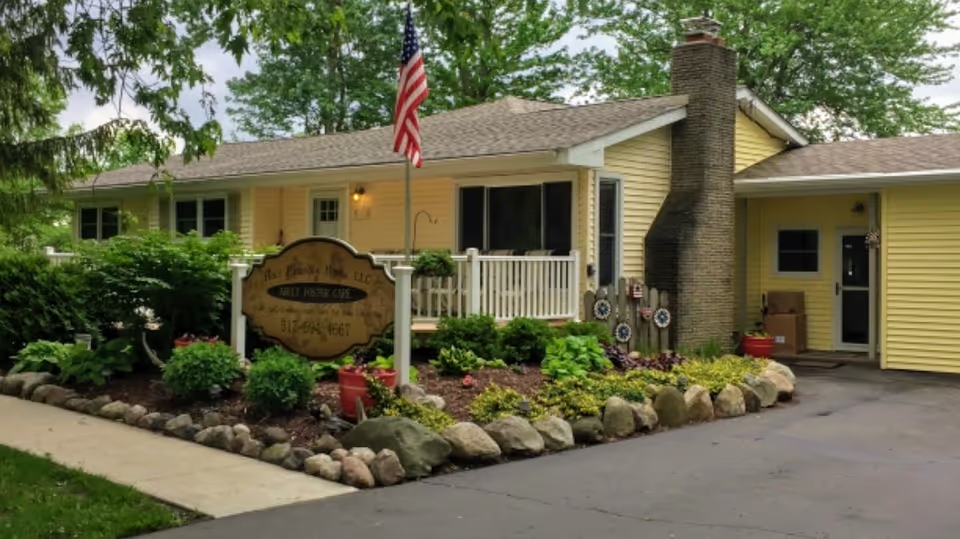
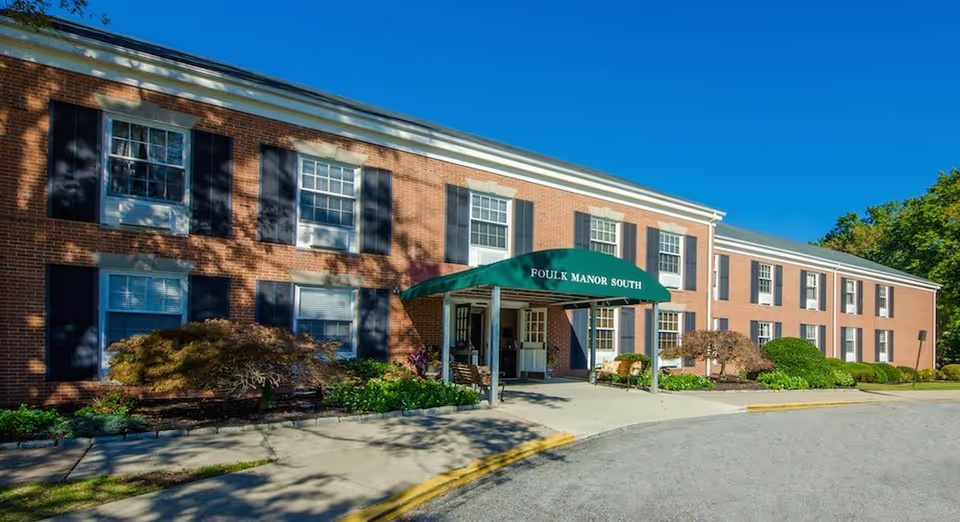
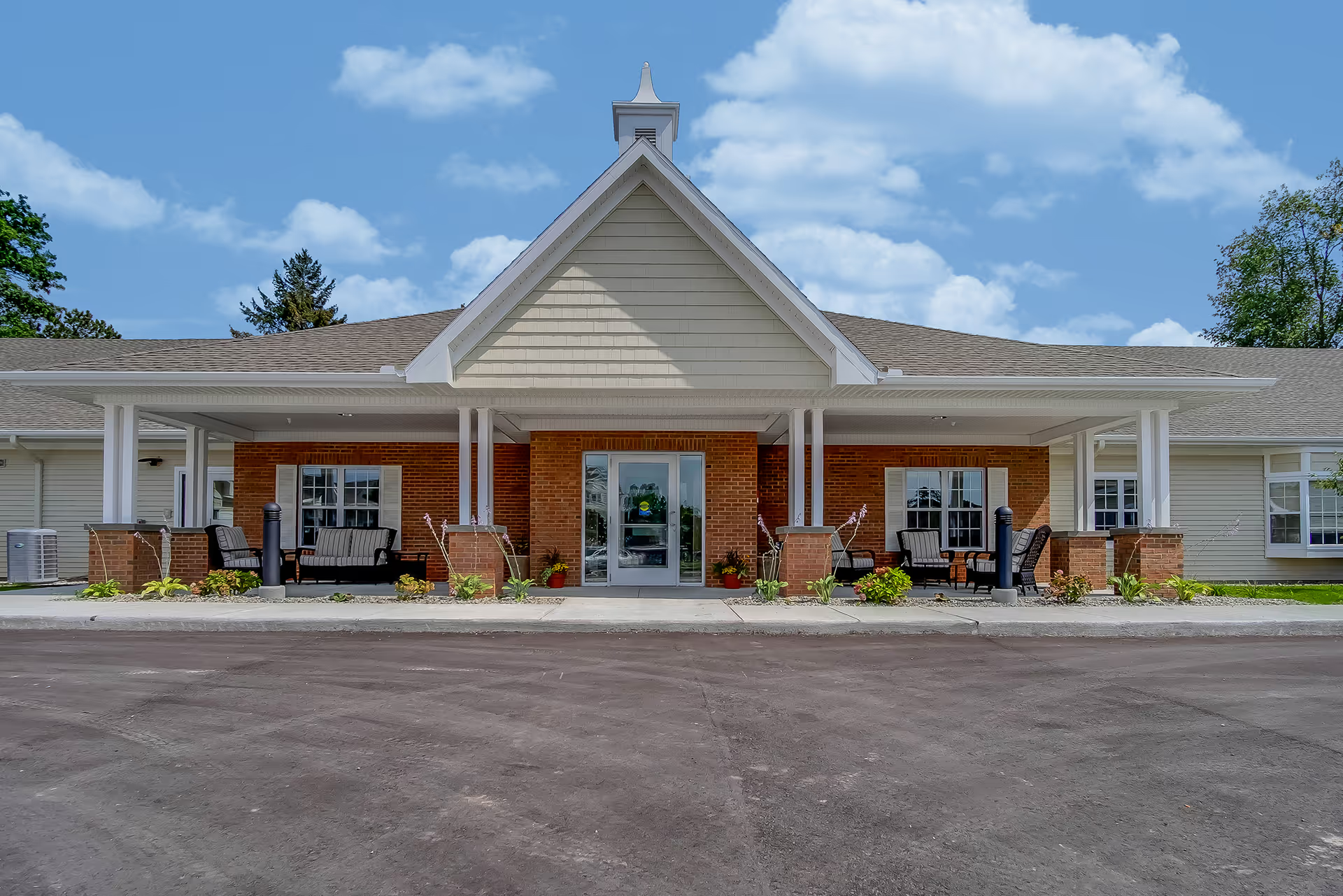
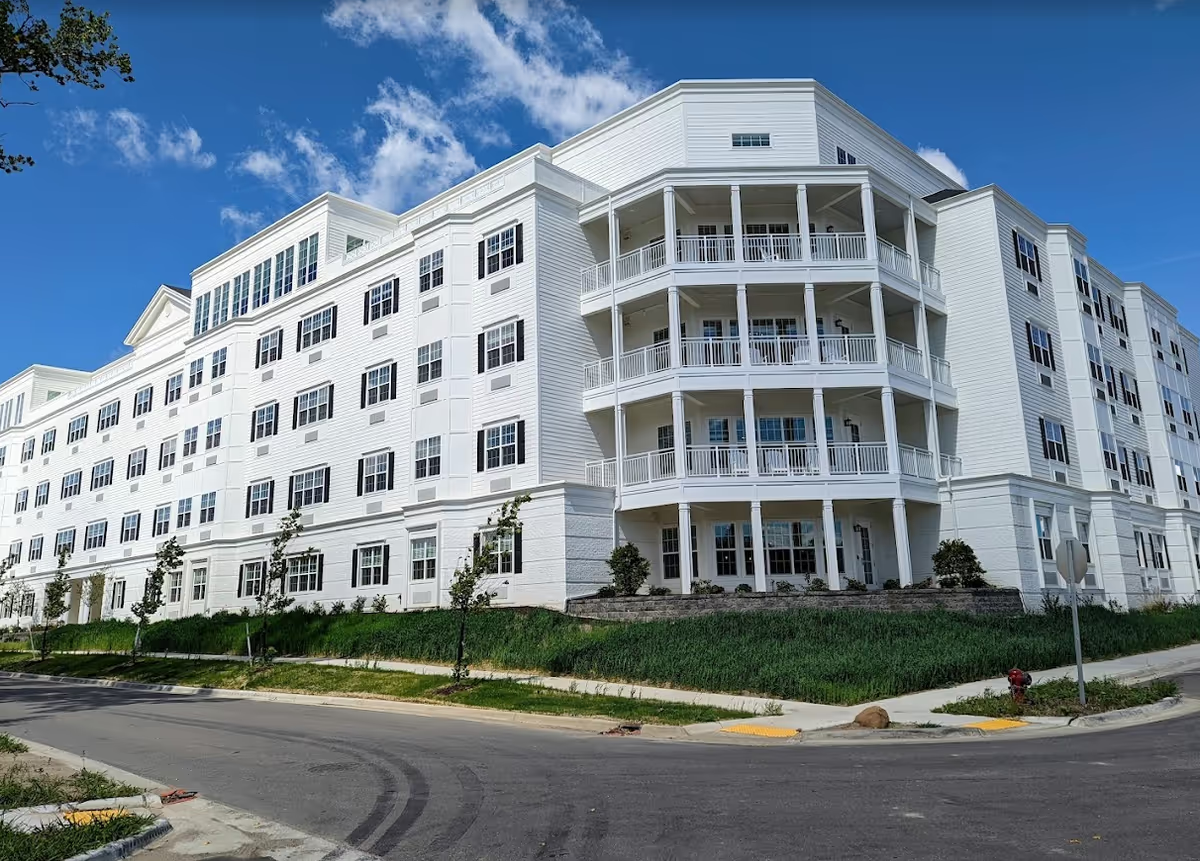
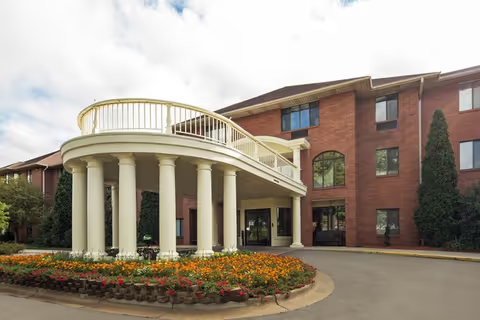
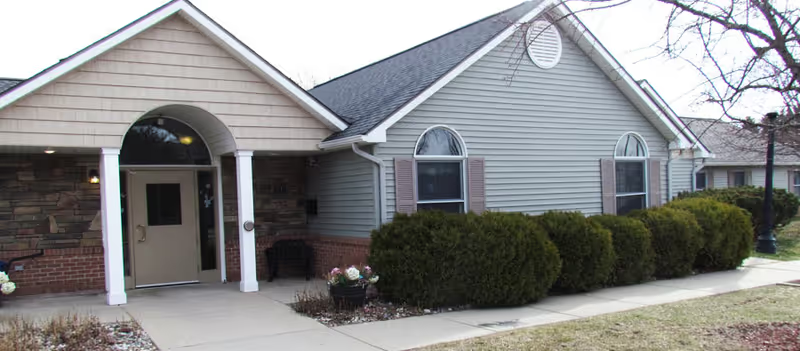
The reviews present a strongly mixed picture of Baldwin House Senior Living Lansing. Many families and residents praise the facility’s caregiving teams, common areas, and activity programming; several accounts highlight compassionate aides, helpful administrative staff, a welcoming dining experience, and useful services such as on-site therapy and transportation. Physical features such as accessible apartment layouts, bright rooms with views, and an overall home-like atmosphere are often cited as reasons families feel comfortable placing a loved one there.
Care-quality observations are varied. Positive notes describe attentive, kind caregivers and effective therapy services. Conversely, other comments identify systemic clinical concerns: inconsistent medication administration, medication-handling weaknesses (including unattended med carts and missed doses), and inaccuracies or delays in care documentation. These items suggest gaps in clinical controls and recordkeeping that prospective families should evaluate directly with nursing leadership.
Staffing and staff conduct are recurring themes. Multiple accounts indicate chronic understaffing and high personnel turnover, which correlate with variable responsiveness and inconsistent execution of daily care tasks (for example, bathing schedules, laundry handling, and room upkeep). Reviewers also describe uneven staff communication and, in some cases, concerns about staff conduct and professionalism; one set of comments included an allegation of staff substance use while on duty. At the same time, other staff members and managers receive clear praise for professionalism and hands-on involvement, indicating an uneven performance picture across shifts and roles.
Dining and activities show similar variability. Several reviews describe appetizing meals with regular dessert offerings and an active calendar of exercise classes, field trips, and social programs. Other reports reference pre-packaged or repetitive menus, limited attention to individual dietary needs, and inconsistent meal‑service sanitation—issues that point to variability in kitchen operations and dietary planning.
Facility condition feedback ranges from positive to critical. Some reviewers describe a clean, attractive, and well-maintained building undergoing attractive updates; others identify maintenance shortcomings such as aging HVAC and elevator equipment, leaking or damaged finishes, unfinished renovation work, drainage problems in renovated bathrooms, and pest-control concerns. Construction-related disruption and placement of residents during projects were also noted as operational stressors.
Management and operations receive mixed evaluations. Positive comments reference proactive directors who honor contracts and support residents during move-in. Negative observations emphasize frequent management turnover, weak oversight, poor family communication during infection-control closures, pricing and contract transparency issues, and problems with property and inventory control (missing clothing or personal items). These operational weaknesses appear linked to inconsistent resident experience and variable outcomes across different time periods.
Given the mixed pattern, prospective residents and families should schedule an in-person visit during meal service and an activity period; ask for written protocols on medication administration, staffing ratios, and recent inspection or licensing records; review contract terms and recent pricing history; and request references from current residents or families. Focused questions about cleaning schedules, laundry handling, maintenance plans for ongoing renovations, and how the community manages visitation during infection-control events will help clarify whether the facility’s strengths align with an individual’s needs.