Delta Retirement Center generates consistently mixed but predominantly positive impressions across reviewers. Strengths most commonly cited include a compassionate, hands‑on direct-care staff, a clean and home‑like physical environment, and a robust activity schedule that supports socialization and engagement (movies, music, crafts, bingo, outings, seasonal events). Many families praised individualized move‑in support, coordination with hospice and rehab services, and a dining-room atmosphere that encourages communal meals. The property offers a variety of apartment sizes, pet-friendly options, on-site amenities such as a library, cafe, and beauty shop, and convenient proximity to shopping and medical services.
Care quality is described in divergent terms. Numerous reviews highlight attentive, kind caregivers and responsive management that make residents and families feel supported; several accounts emphasize staff who go beyond expectations for hospice or end‑of‑life coordination. At the same time, there is a recurring pattern of staffing instability — turnover, weekend staffing gaps, and inconsistent aide assignments — that contributes to variability in day‑to‑day care and response times. Reviewers also raise concerns about the facility’s ability to support residents who require higher‑acuity or round‑the‑clock clinical care; many families used outside home‑care providers when needs increased.
Dining and nutrition are another area of mixed feedback. Positive comments note a warm dining room, friendly servers, and well‑received holiday meals. However, a substantial subset of reviews describes inconsistent meal quality, diminished food preparation after staffing changes, problems meeting special dietary needs, and variability in portioning. Meal‑delivery service during outbreaks or room service has been criticized in some instances. These patterns suggest meal continuity and dietary‑accommodation processes are uneven.
Operational and management themes include generally responsive on‑site maintenance and clean common areas, alongside concerns about billing transparency, sudden price increases, and numerous ala‑carte charges that families describe as opaque. Communication from upper management and some front‑line reception staff was described as distant or occasionally patronizing; conversely, local managers and caregiving teams are often portrayed as helpful. There are also comments about emergency and infection‑control events (e.g., outbreaks, a fire) that disrupted operations and revealed gaps in family communication during incidents.
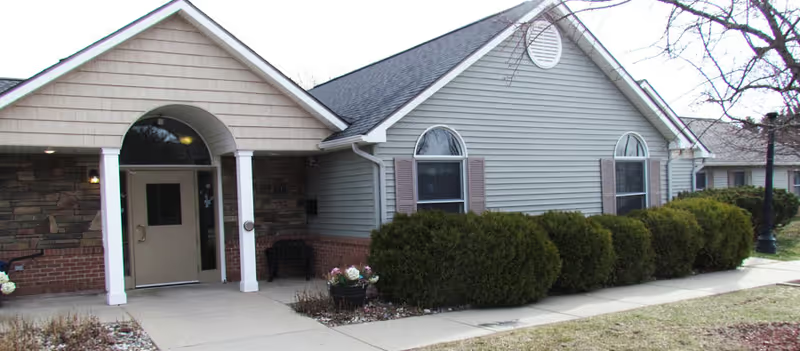
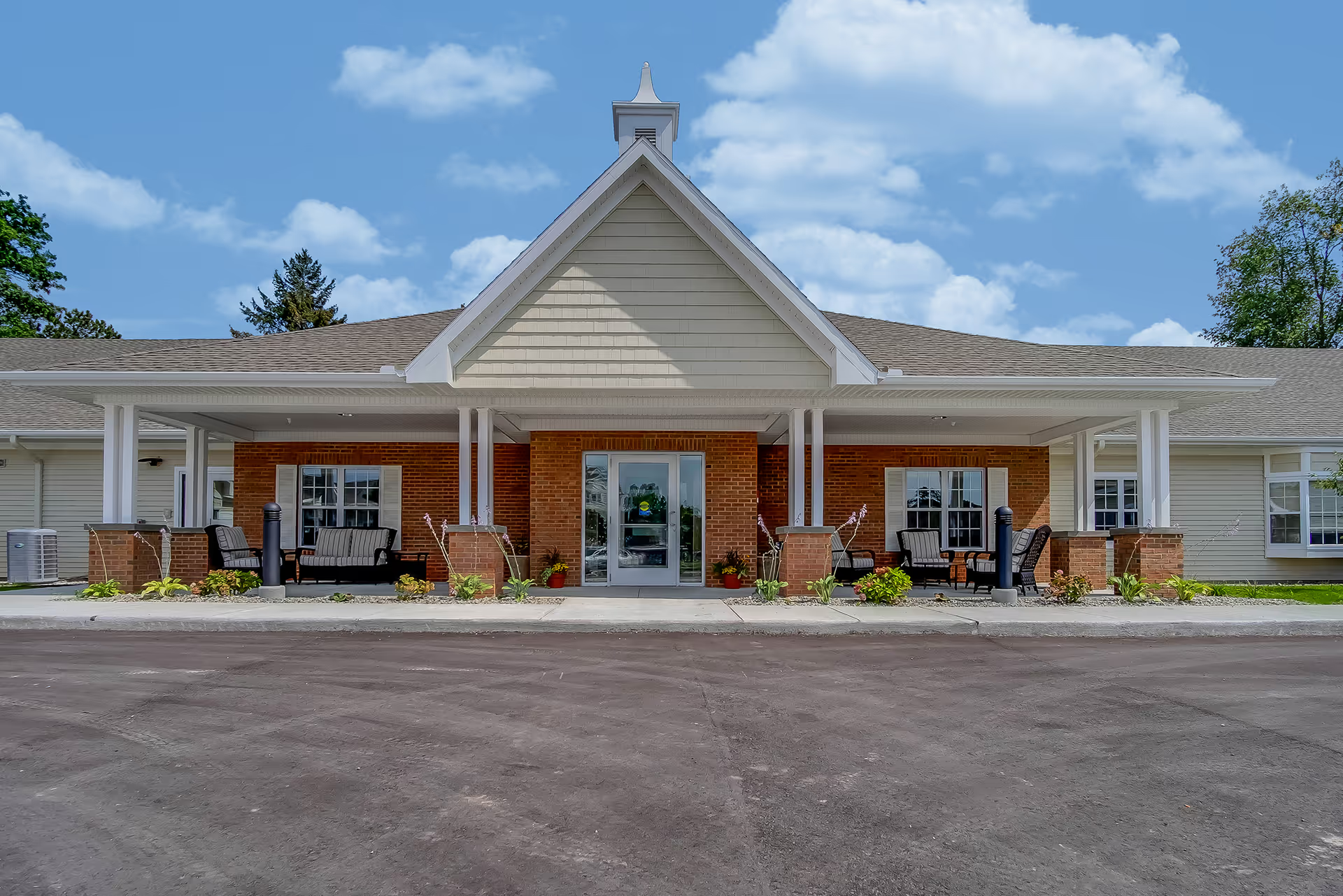
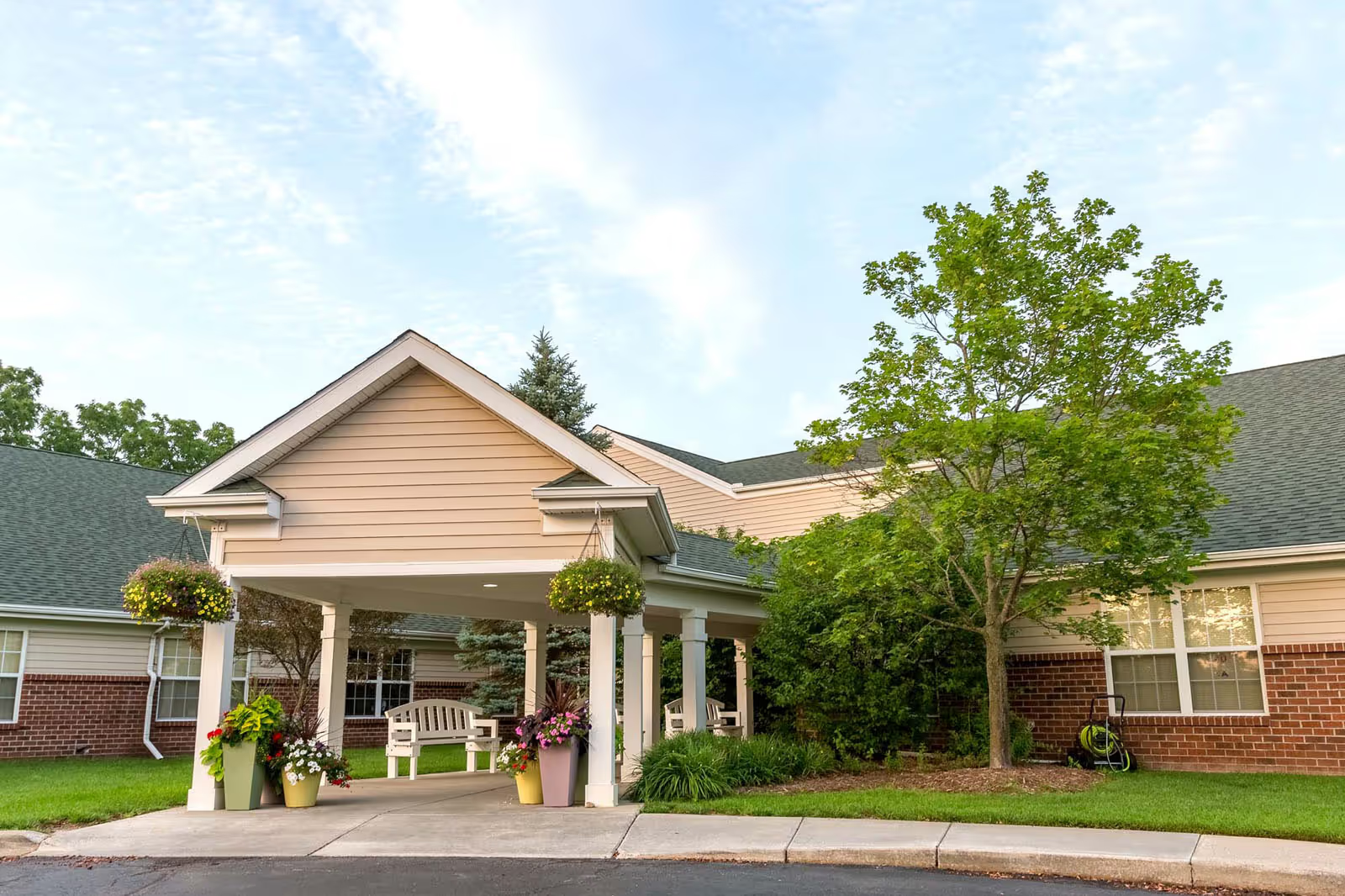
Facility and accessibility observations are mixed. The building is generally clean and well kept, with many reviewers appreciating single‑floor layouts and visible activities. Yet physical accessibility is uneven: some apartments and bathrooms are not fully handicap‑friendly, door widths and bus accessibility were noted as limitations, and ongoing remodeling has created wayfinding issues—some reviewers specifically noted corridors with uniform color schemes that could confuse residents with cognitive impairment. Finally, while many families emphasize the community’s welcoming, social atmosphere and reasonable value, a number of reviews call out variability in staff conduct and a small set of serious allegations about clinical practice and safety; these raise the need for prospective families to ask targeted questions during tours about staffing continuity, clinical oversight, billing practices, and accommodations for higher‑acuity needs.
Overall, Delta Retirement Center appears to offer a social, well‑appointed independent/supported living option with many strengths in resident engagement and day‑to‑day responsiveness. Prospective residents and families should balance those strengths against documented variability in meal service, staffing stability, billing transparency, and limited capacity for intensive clinical needs. Recommended next steps for decision making include an in‑person tour during an active meal period, direct questioning about staffing ratios and weekend coverage, review of sample contracts/fee schedules, and clarity on how the community manages dietary restrictions, emergency communications, and transitions to higher levels of care.