Overall impression: Reviews present a mixed but clear pattern: direct-care staff and the small-community model receive frequent praise for compassionate, personalized care, while administrative, billing, and privacy practices show recurring operational weaknesses. Families commonly describe positive day-to-day experiences with caregiving staff and cite a family-like culture and demonstrable attention to resident needs. At the same time, multiple administrative shortcomings have produced significant dissatisfaction for some families.
Care and staff: The strongest and most consistent theme is the quality of frontline caregiving. Reviewers describe direct-care staff and care managers as kind, attentive, and willing to accommodate families’ needs; several accounts single out individual caregivers and managers for above-and-beyond service. The small size of the community and the memory-care unit’s low-stimulation approach are noted as advantages for residents who benefit from personalized attention and a quieter setting. Families reported that residents were well cared for and, in some cases, showed measurable improvement after placement.
Dining and activities: There is limited specific feedback about dining and structured activities in the available summaries. Positive references to resident well-being and a safe, welcoming atmosphere imply routine engagement and basic daily support are being provided, but prospective families should request direct information about meal planning, dietary accommodations, and scheduled activities when touring.
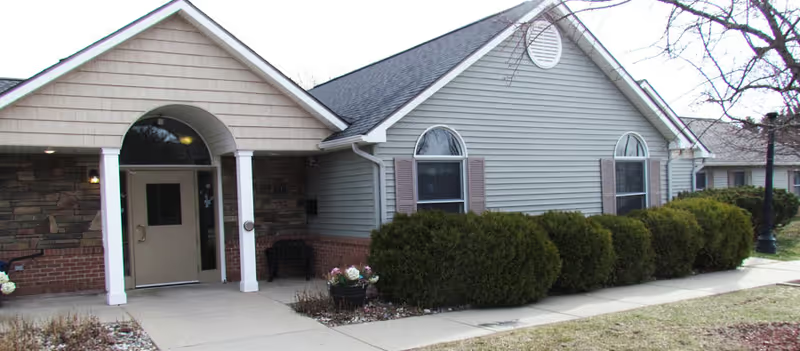
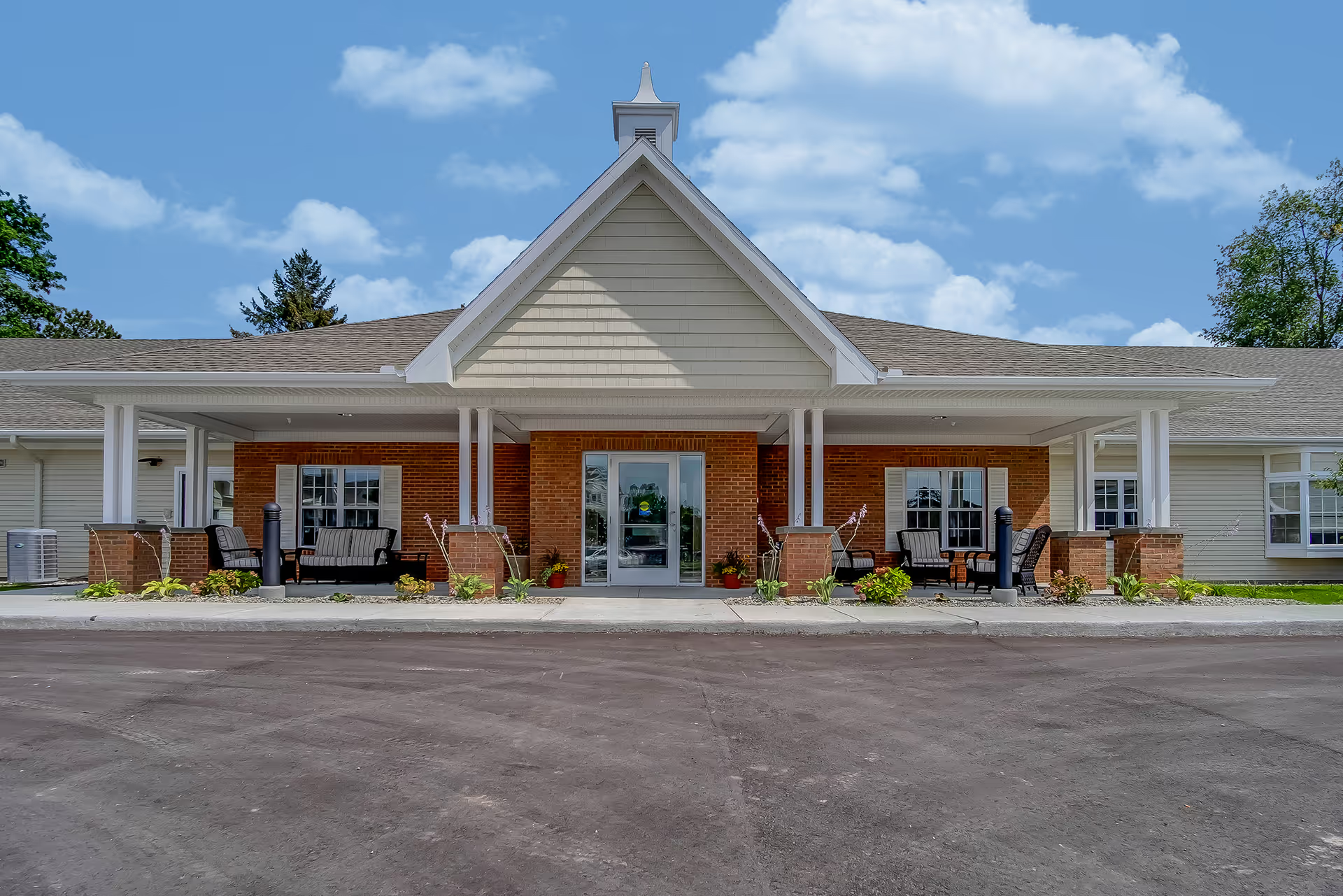
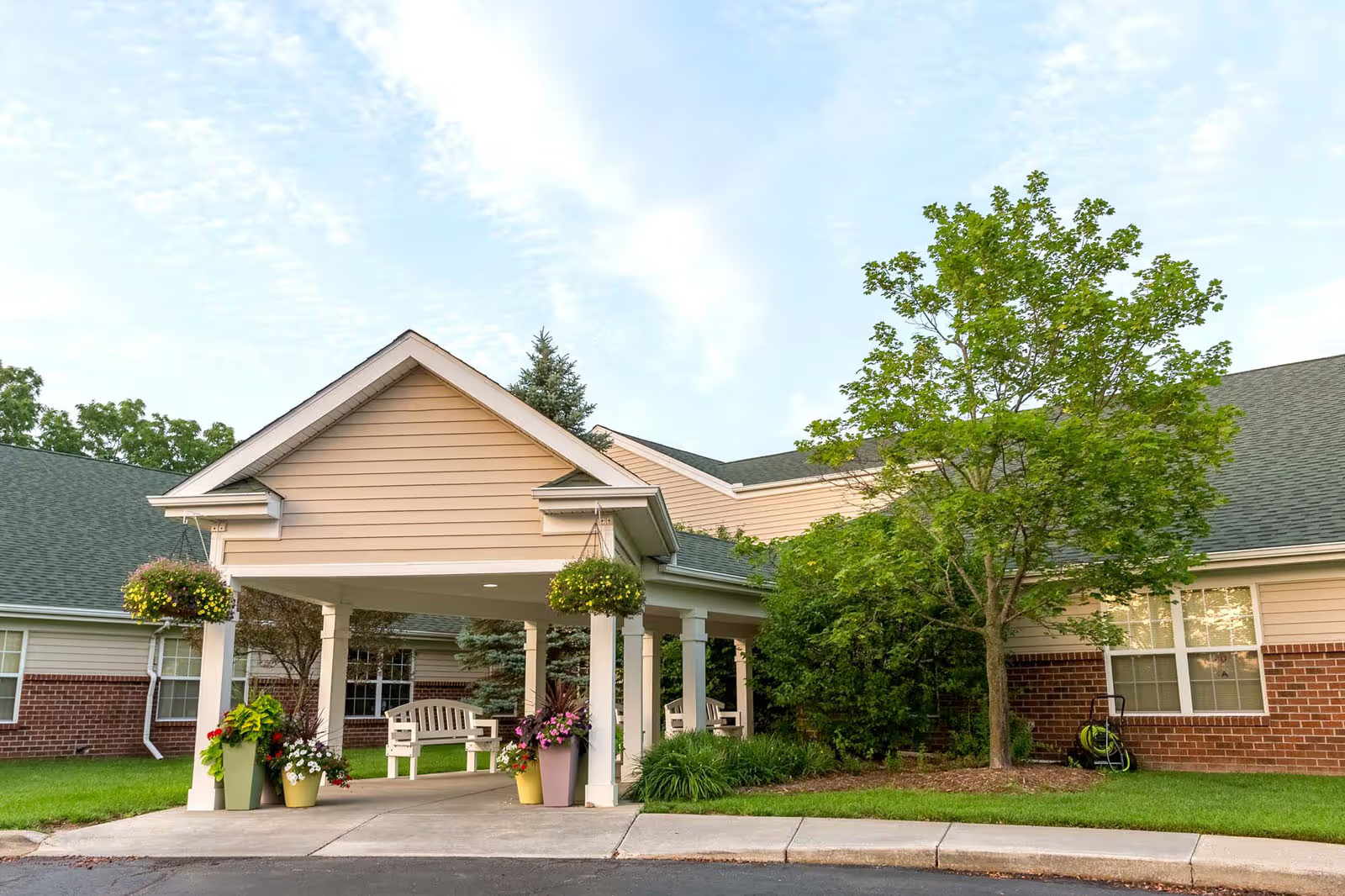
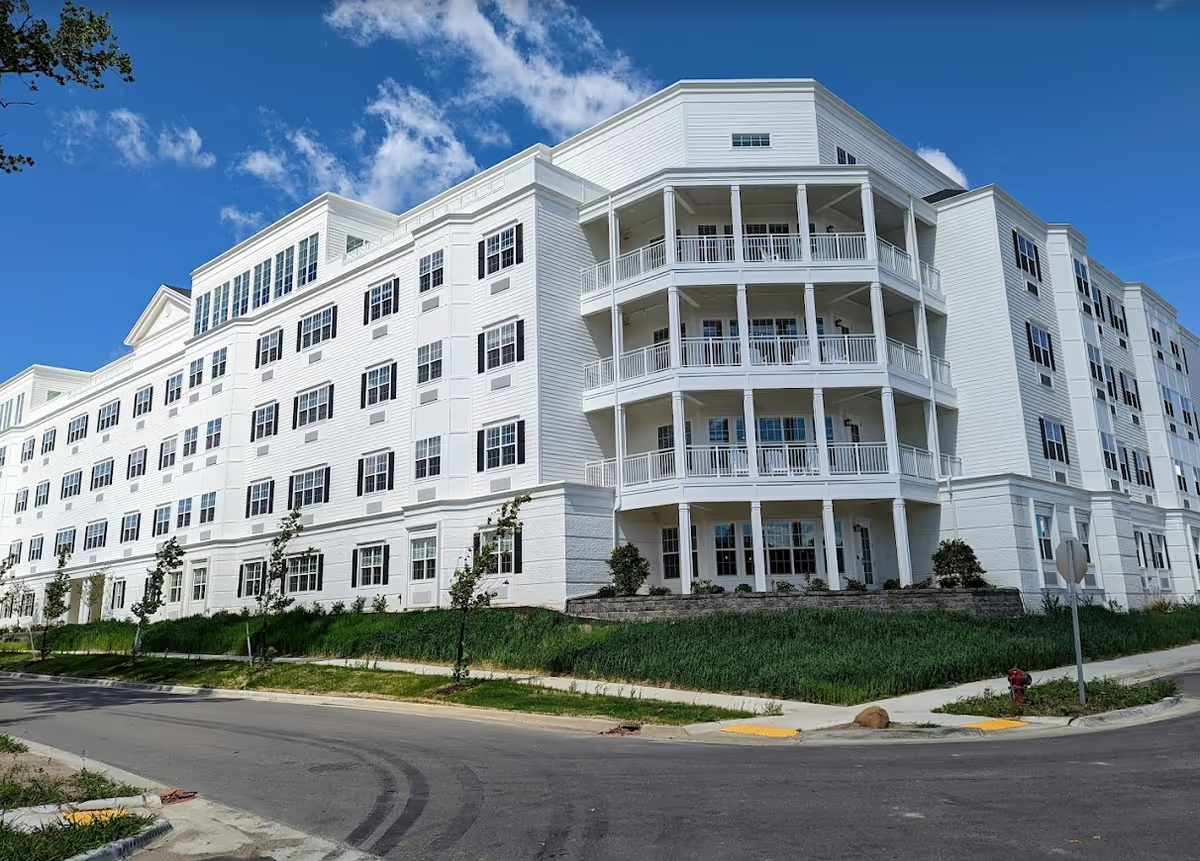
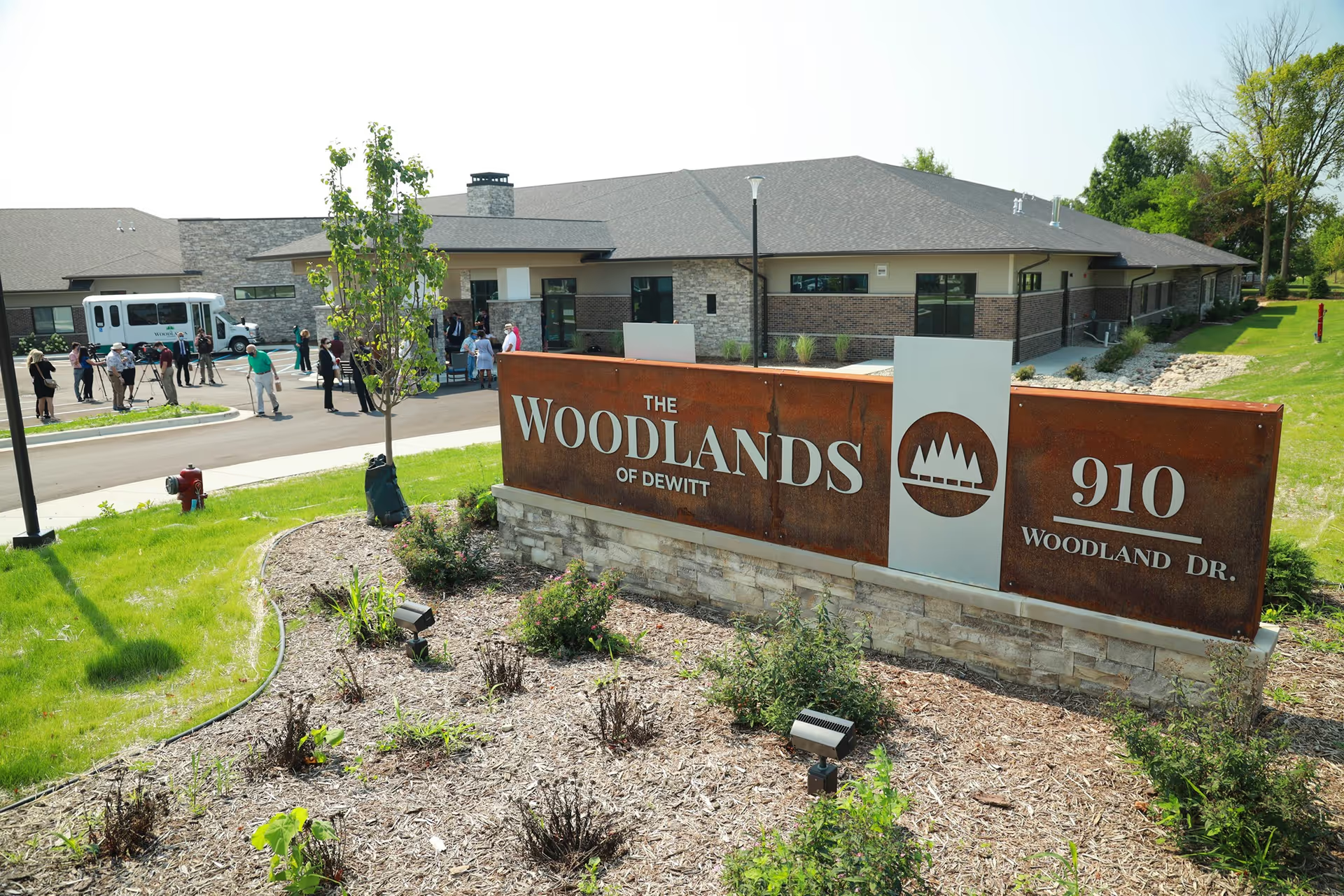
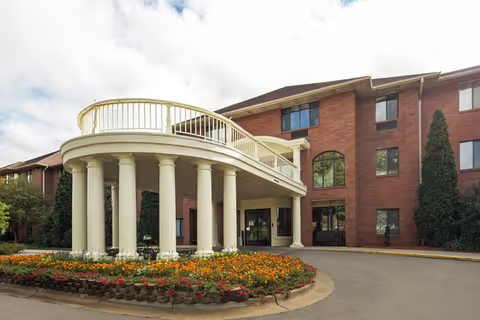
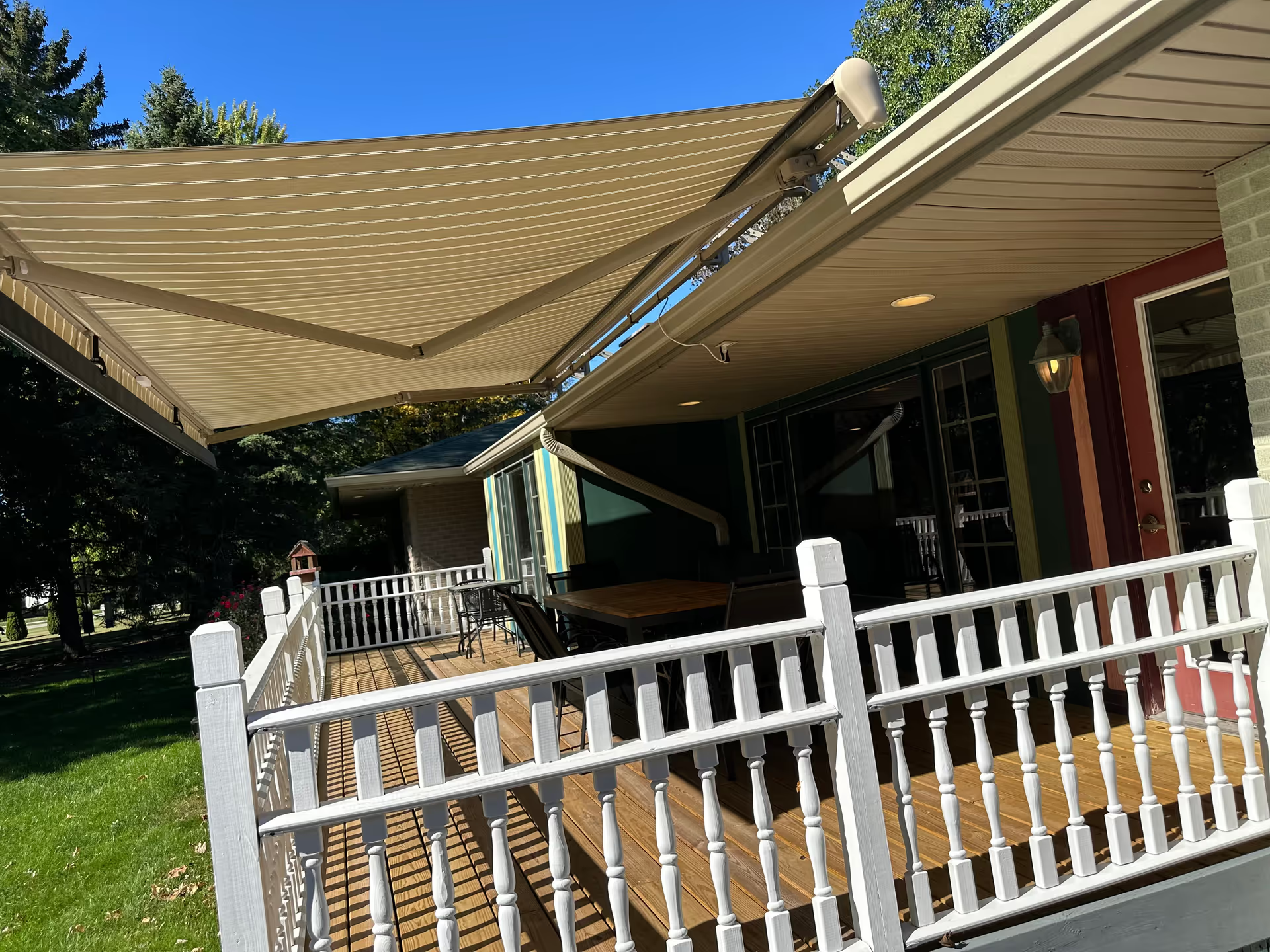
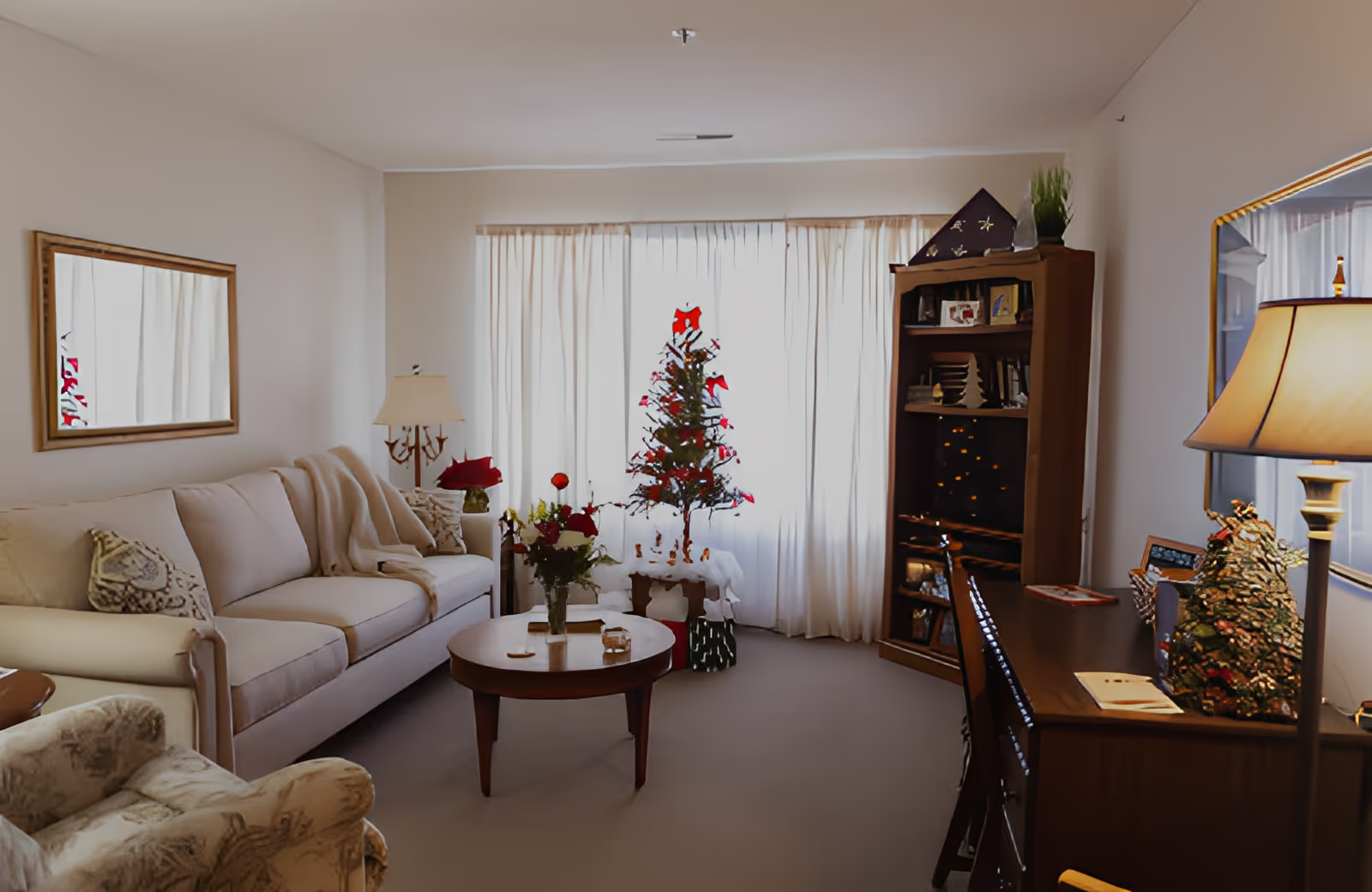
Facilities and cleanliness: Many reviewers describe clean rooms and common areas and an overall neat facility with a pleasant outdoor setting. However, isolated accounts point to inconsistent upkeep — examples include localized maintenance and cleaning issues — suggesting that facility maintenance may be uneven. Prospective families may wish to inspect targeted areas (floors, blinds, common spaces) and ask about maintenance schedules and recent repair history during a visit.
Management and administration: Administrative practices are the most commonly cited area of concern. Themes include inconsistent communication from leadership, disorganized onboarding and staff training, and problems with billing and accounting processes. Specific administrative weaknesses inferred from multiple comments include double-processing or mishandling of payments and a lack of proactive guidance around Medicaid/waiver enrollment and financial planning. There are also reports indicating gaps in how resident medical information is protected and shared, which suggests a need to confirm confidentiality procedures.
Notable patterns and guidance: The facility appears to offer a high level of direct resident care within a small, community-focused environment, which will appeal to families prioritizing close, personalized attention. However, the administrative and operational gaps — particularly around billing controls, privacy safeguards, staff onboarding consistency, and management responsiveness — introduce material risk and potential stress for families managing finances or requiring administrative support. Prospective residents and families should verify administrative controls before committing: ask for written billing procedures, examples of privacy/confidentiality policies, staff training protocols, average staff tenure, waitlist timelines, and how the facility supports Medicaid/waiver enrollment. A balanced assessment on a tour and clear, documented answers to these operational questions will help determine whether this community’s strong direct-care culture aligns with a family’s expectations for reliable administration and facility upkeep.