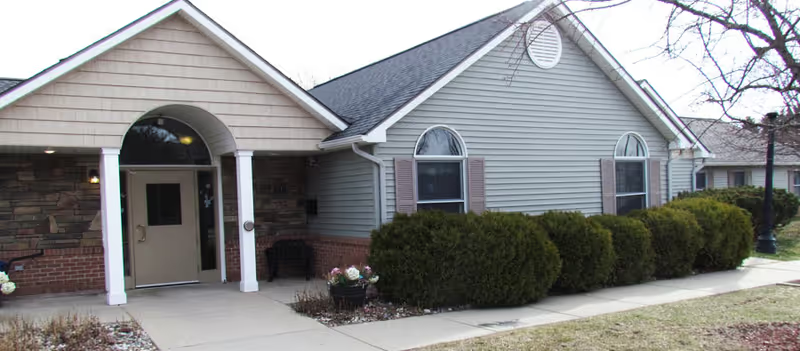
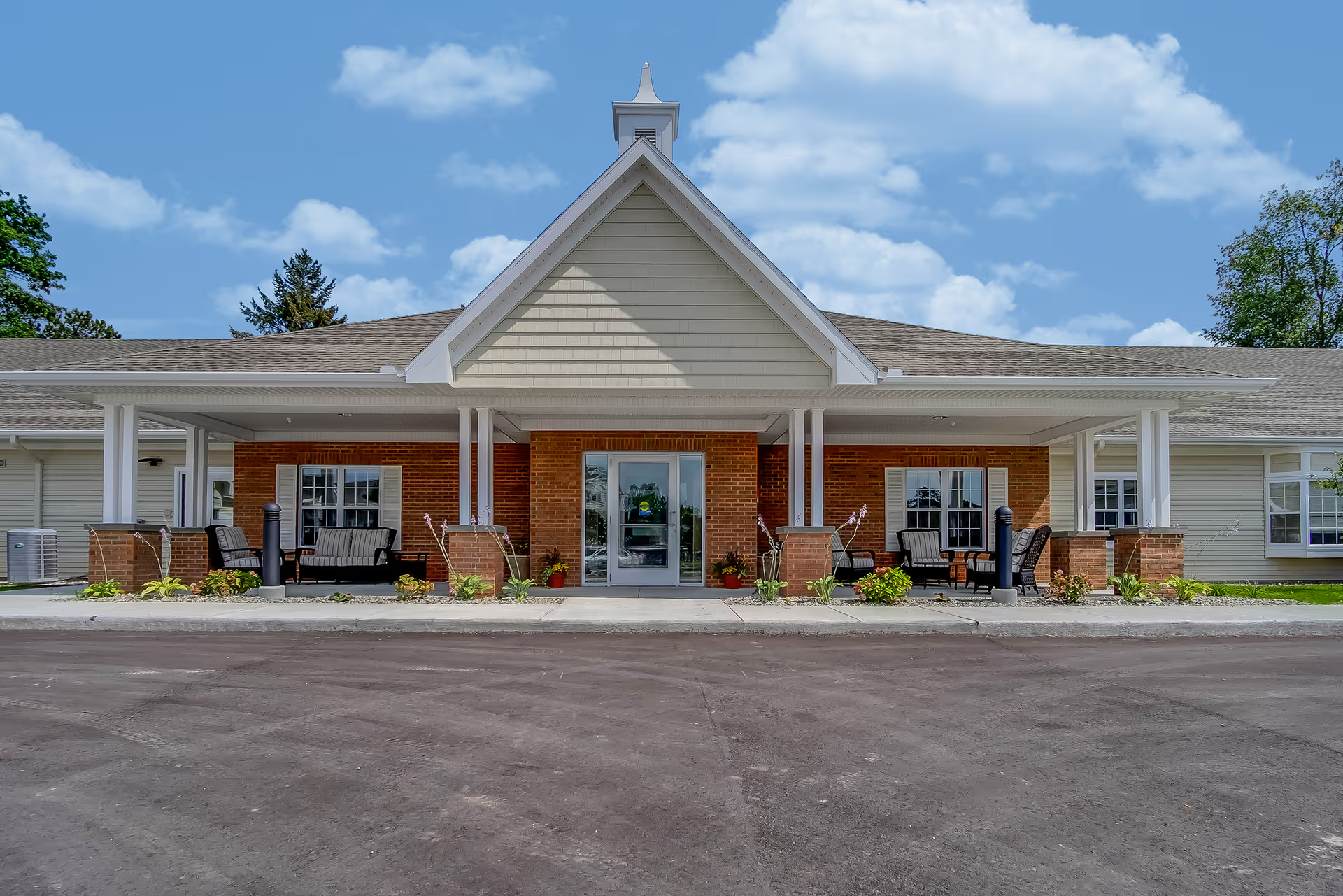
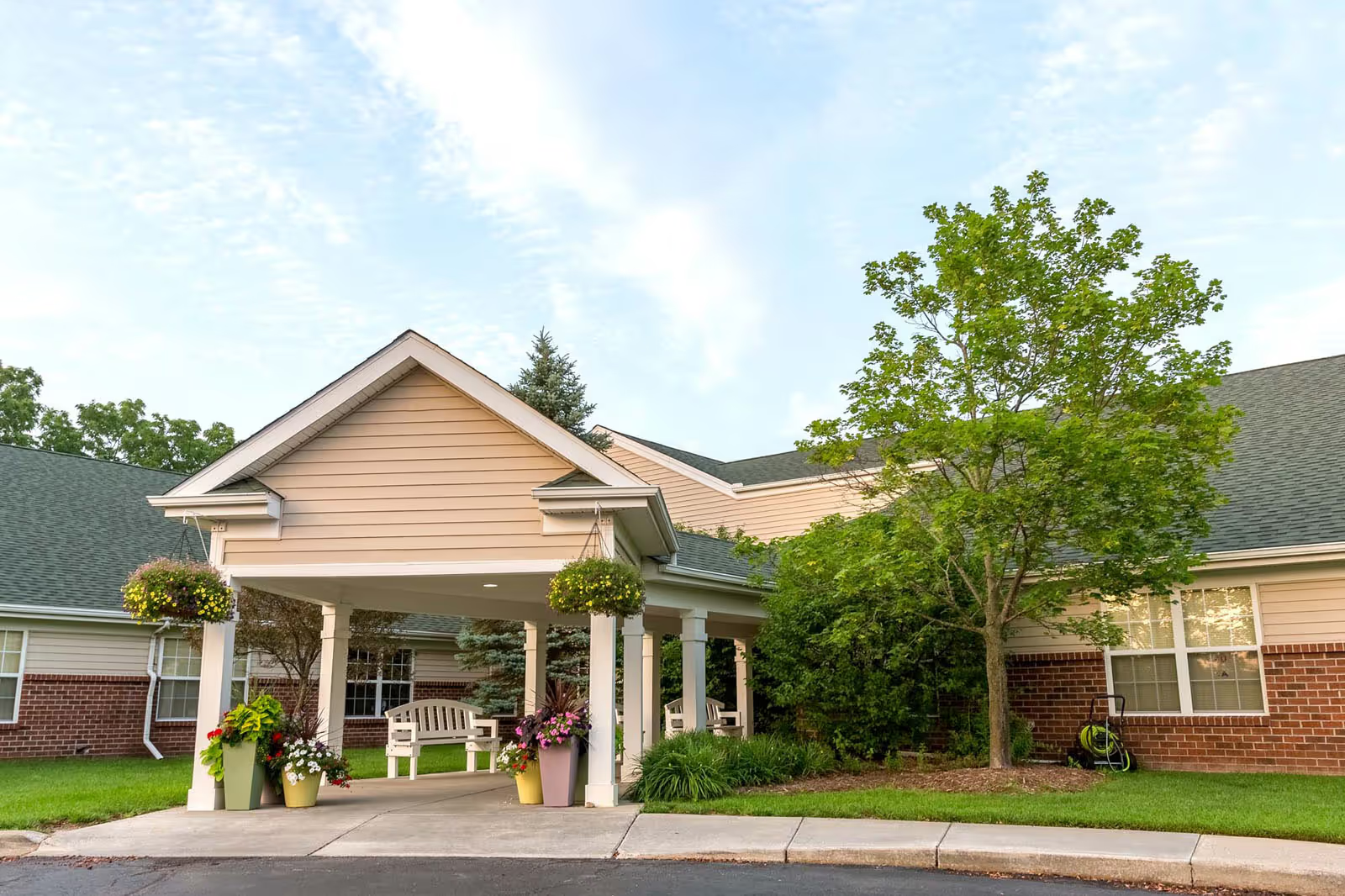
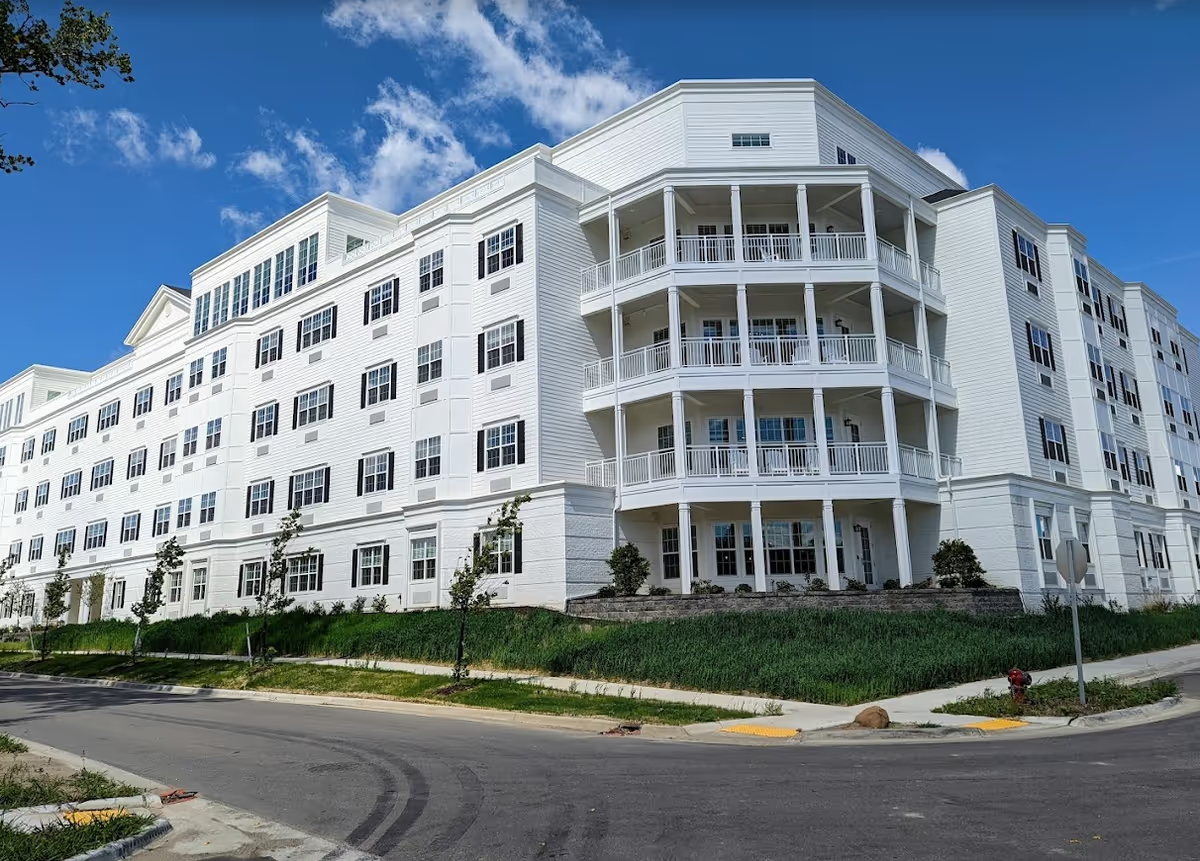
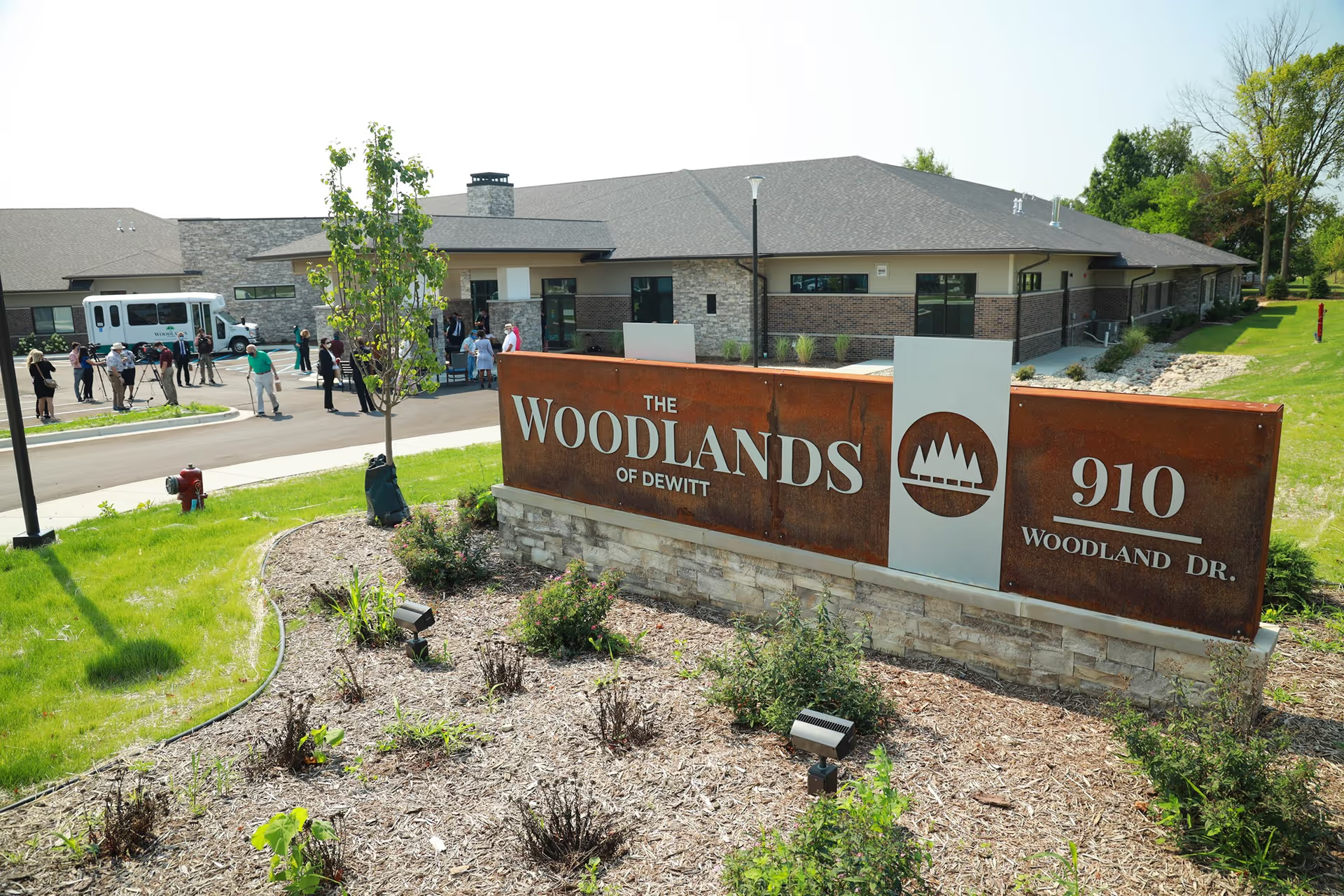
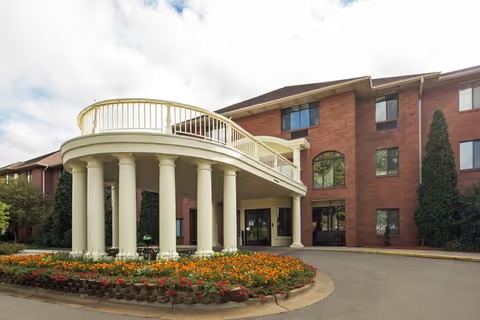
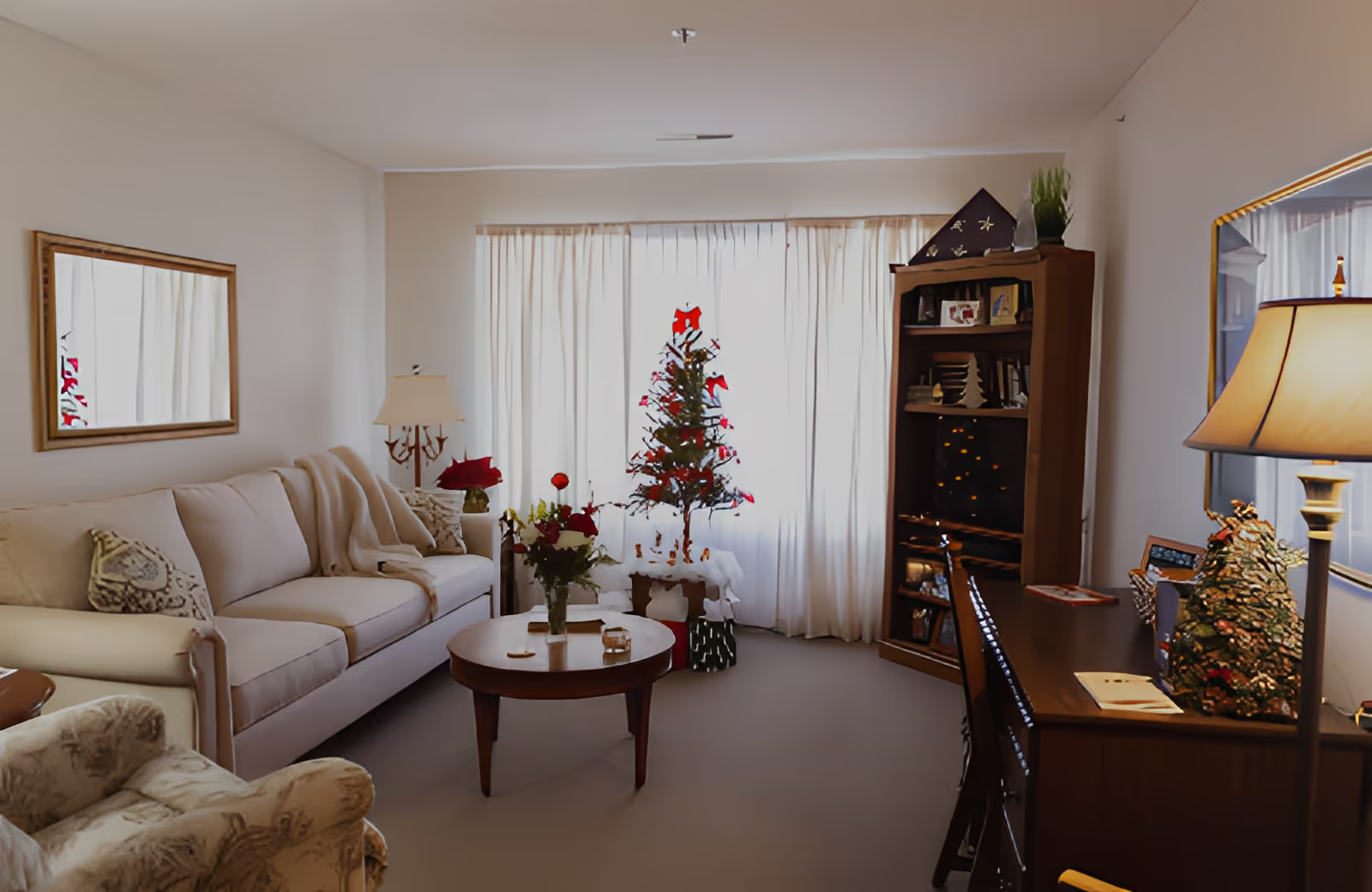
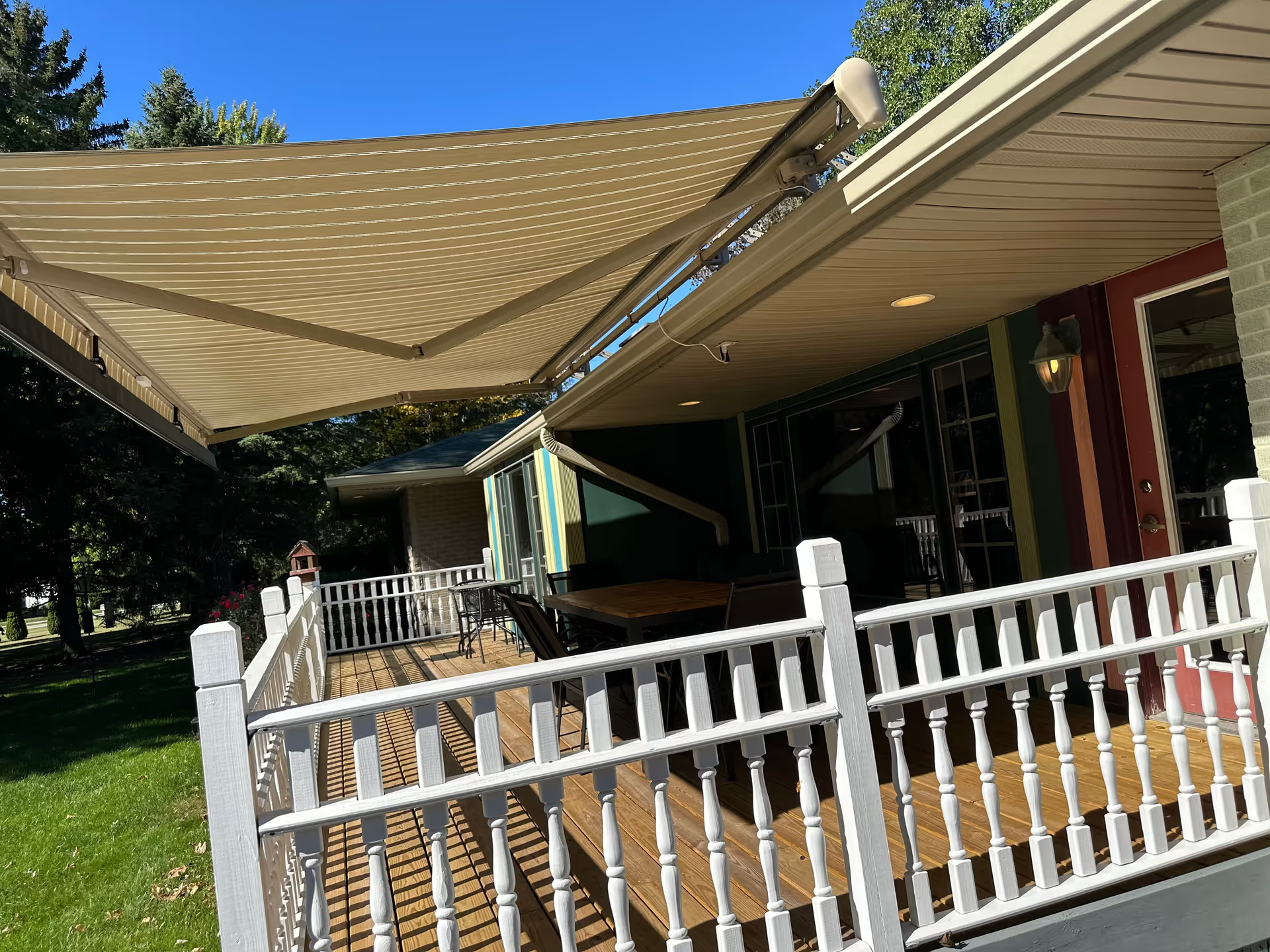
The reviewer set presents a highly polarized picture of the facility. On the positive side, many comments highlight compassionate nursing and frontline caregivers who build strong relationships with residents, a secure and efficient entry/kiosk process, a well-regarded behavioral unit with trained staff, and structured admission practices that include a plan of care and discharge goals. Some visitors and staff describe well-maintained grounds, pleasant interior areas, and an easy-to-use information kiosk, creating an environment that can feel welcoming and professionally organized in parts of the building.
Care quality is described inconsistently. Several reviewers praised individual nurses and caregivers for attentive, respectful care; simultaneously, a substantial number of accounts describe delays in responding to call lights, postponed medication administration, and lapses in wound and pressure-area care. These accounts suggest variability in clinical follow-through and care reliability: when core tasks (turning, timely meds, wound attention) are not consistently completed, clinical risk and family anxiety increase. Mobility and transfer practices are also flagged as an operational weakness, with concerns about equipment handling and resident transfer safety.
Staffing and workplace culture appear to be major drivers of variability. Many comments point to unstable staffing levels, frequent turnover, and rotating management, which are linked to inconsistent scheduling, orientation gaps, and occasional onboarding that lacks clear documentation. At the same time, several reviewers described individual staff and supervisors who are effective and supportive. The coexistence of strong individual performers and widespread staffing instability suggests that systemic management and retention issues may undercut otherwise capable clinical teams.
Dining and daily assistance are another area of mixed performance. The facility is credited with providing meals and social opportunities, but recurring concerns include cold or reheated meals, limited meal choices, and insufficient assistance for residents who cannot feed themselves. Mealtime assistance and consistent meal-service continuity are operational areas that reviewers flagged repeatedly as needing improvement.
Facility infrastructure and environmental controls show disparate conditions across the campus. Positive remarks about clean, fresh sections and pleasant smells contrast with multiple reports of sanitation concerns, inconsistent linen changes, HVAC/ventilation failures, sealed or non-working windows, inoperative room amenities (TVs, call-button accessibility), and pest-control concerns. These mixed facility conditions contribute to an uneven experience depending on unit and shift.
Management and governance concerns are prominent in the feedback. Reviewers cite communication breakdowns with families, inconsistent admission decisions and scheduling practices, and a punitive personnel atmosphere in some accounts (including allegations of retaliatory employment practices). More serious claims include allegations related to financial/consent practices and inappropriate denials of prescribed treatments; these are severe concerns that merit investigation by regulators or family advocates when raised in individual cases. Privacy and monitoring policies were also questioned by some families, creating additional trust issues.
Overall pattern: the facility appears to deliver very strong care in certain units and under certain staff, but systemic problems—primarily inconsistent staffing, communication failures, lapses in routine clinical tasks, and facility-maintenance shortfalls—create significant variability in resident experience and safety. Prospective residents and families should tour specific units, review staffing and clinical protocols (medication administration, turning/wound care, transfer practices), clarify policies on visitor communication and privacy, and discuss billing/consent safeguards before placement. If there are concerns about acute clinical needs or complex behavioral support, request detailed, written care plans and observe responsiveness to simulated needs during the visit.