The reviews present a polarized view of The Orchards at Lapeer: several families describe consistently positive short-term rehabilitation experiences and praise specific staff members and therapy teams, while other accounts raise significant operational and clinical concerns. Strengths most commonly cited include compassionate front-line caregivers, an effective physical-therapy/rehab program that produced measurable mobility gains, a family-like social environment with active programming, and administrative staff who are visible and supportive in some cases. Practical conveniences such as Medicaid acceptance, medication-delivery coordination, and available dialysis transportation were also noted.
Care quality shows broad variability across accounts. Positive narratives emphasize attentive, respectful caregiving and strong rehab outcomes; conversely, other accounts indicate systemic problems such as inconsistent clinical oversight, delayed physician access, and gaps in follow-through for wound care and post-acute needs. Reviewers flagged inconsistencies in personal-care routines (for example, bathing and grooming schedules) and concerns about weight loss or insufficient attention to nutrition for some residents. A small number of families described end-of-life or hospice-related concerns; these situations appear to have been emotionally consequential and underline the importance of clear clinical communication.
Staffing and staff conduct are recurring themes. Many reviews single out particular caregivers and nurses as exemplary, citing individualized attention and helpfulness. At the same time, reports point to chronic understaffing, long staff hours, and variability in staff tone and responsiveness. These operational staffing issues are associated in the reviews with delayed responses to call lights, slowed incident response, and inconsistent daily care. Several accounts also describe difficulty reaching administration by phone or encountering restricted access to administrative offices.
Dining and activities are generally described as a positive element of resident life for many families, with social programming encouraged and opportunities for socialization and friendship formation. Meal quality is mixed in the feedback: some families found meals appetizing and appetite-supportive, while others described inconsistent food preparation or seasoning preferences that did not suit certain residents. Prospective families should ask about dietary accommodation and meal-service continuity.
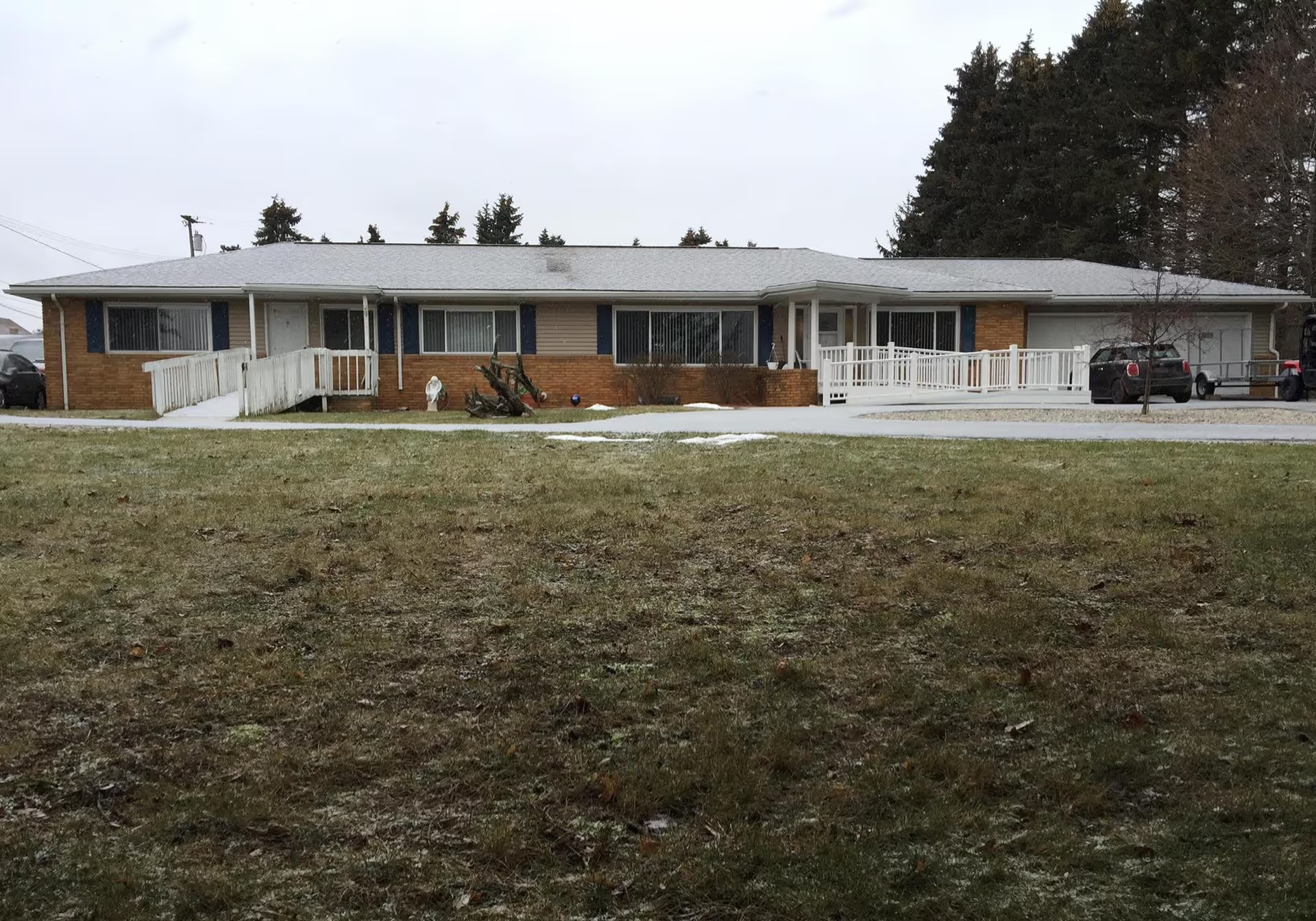
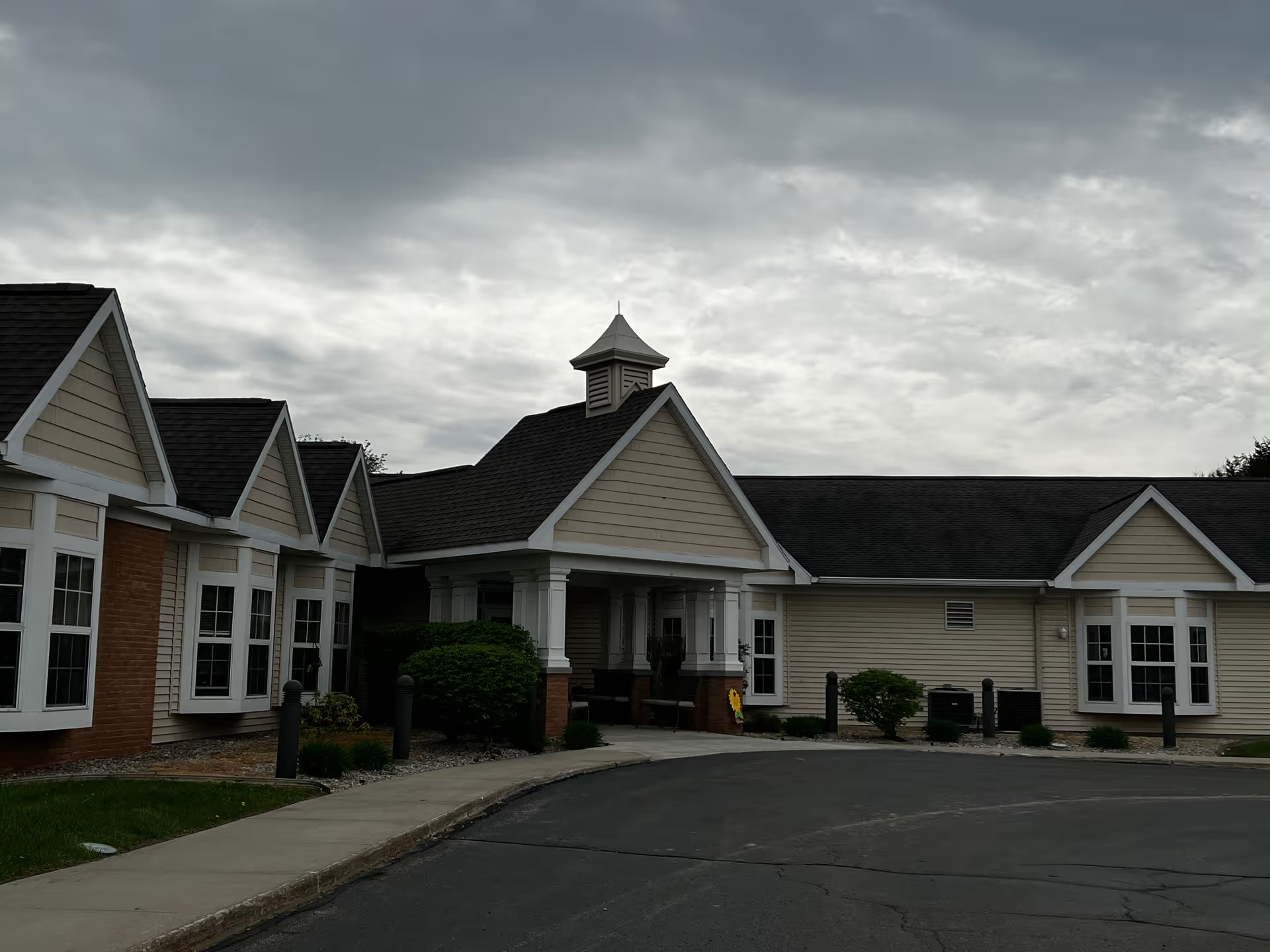
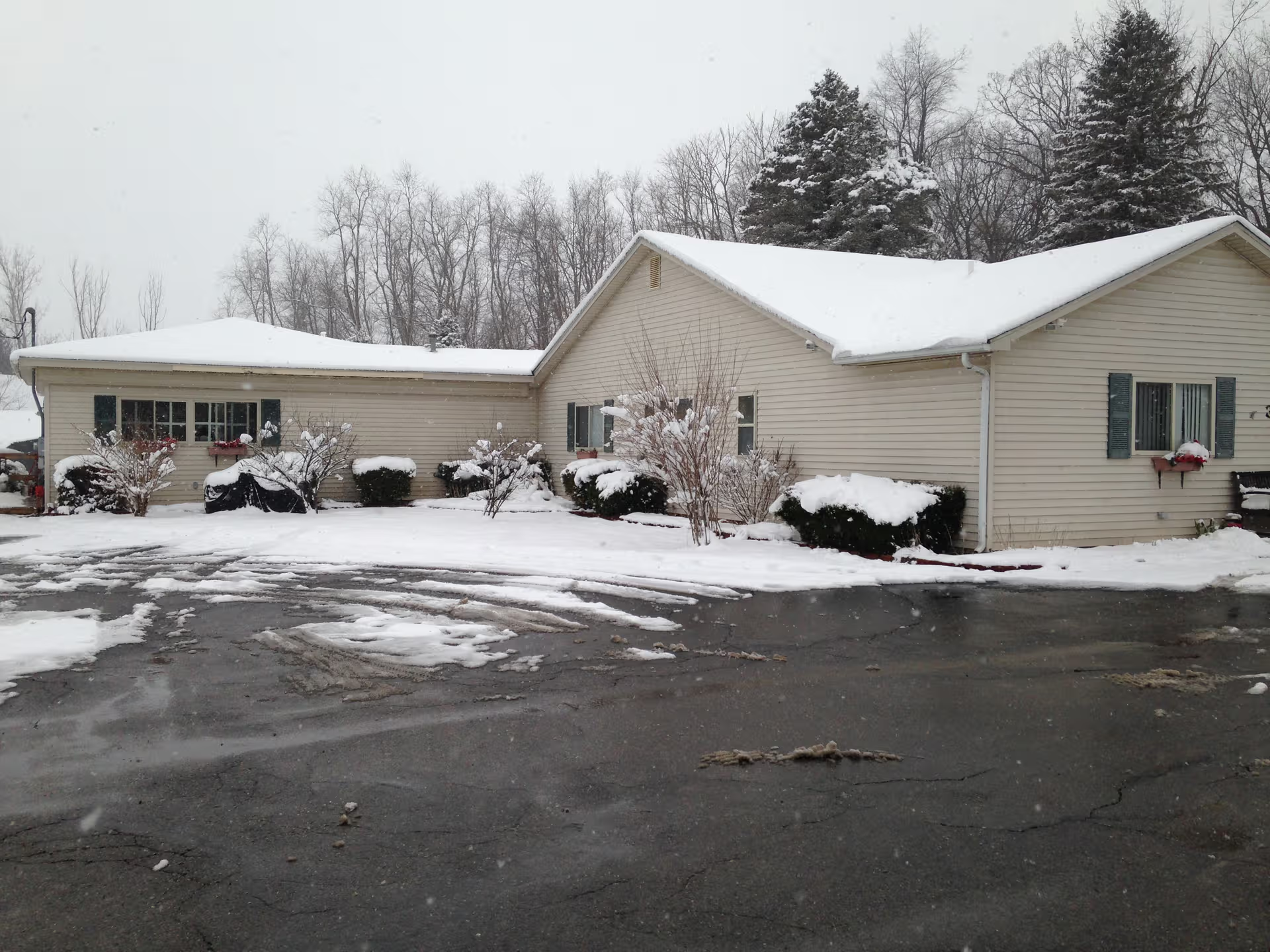
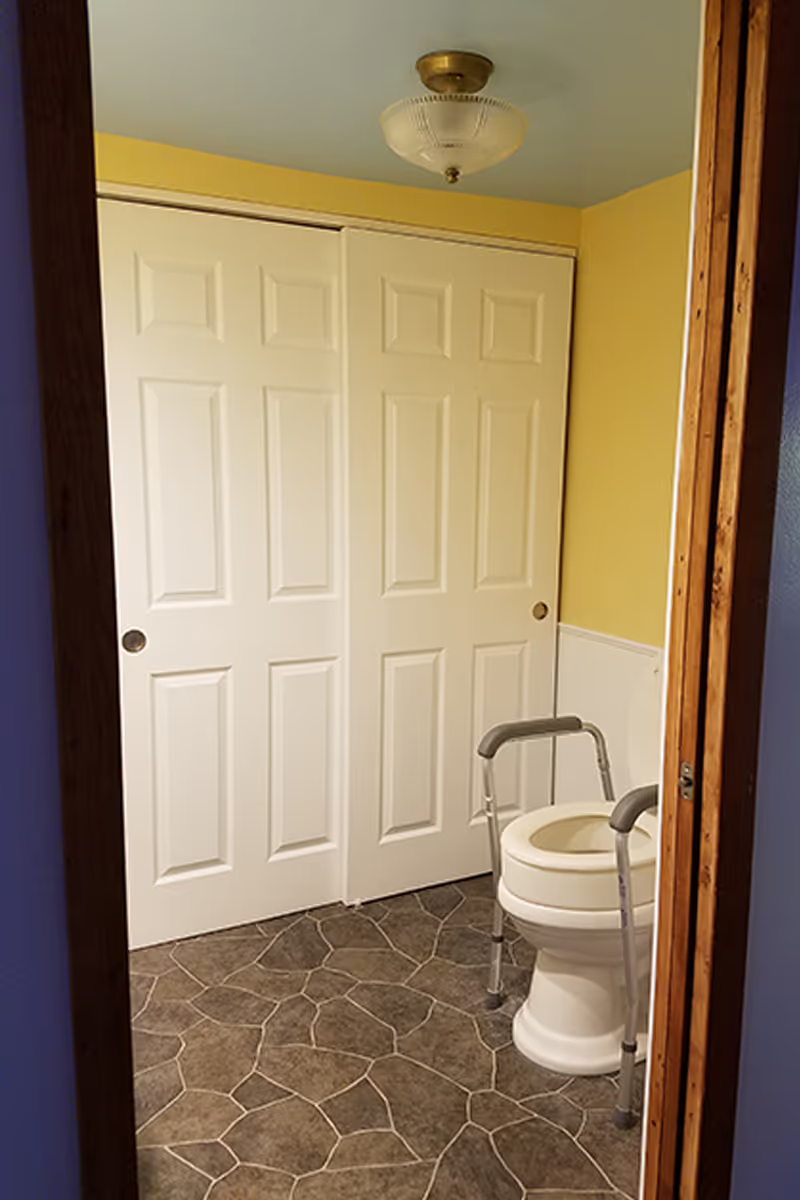
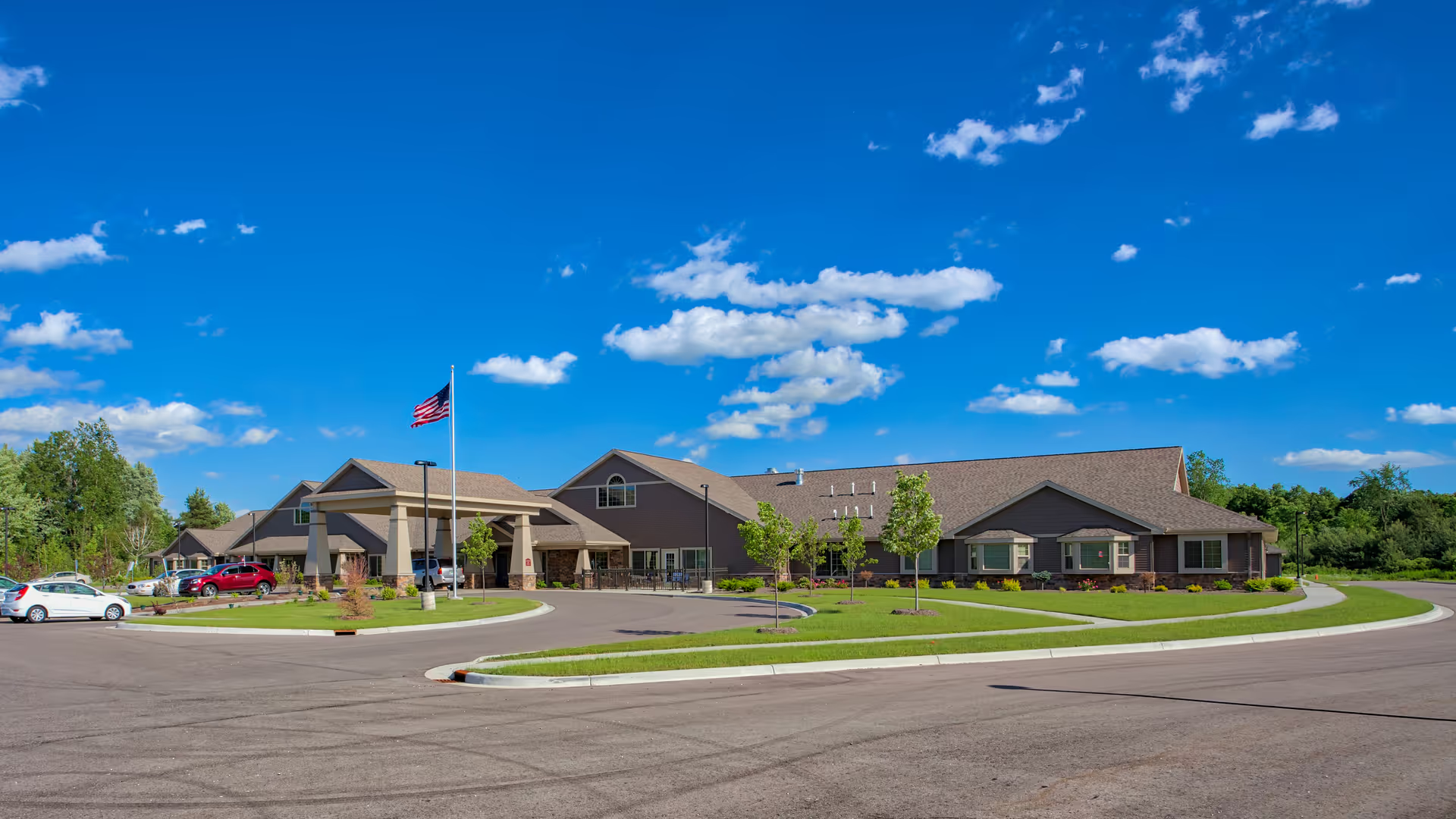
Facility condition and infection-control practices show a split pattern. Multiple reviewers described an older, sometimes outdated building with pockets that are clean and well-maintained, while others noted sanitation and odor concerns in public areas and inconsistencies in PPE handling. These observations suggest variability in housekeeping and infection-control execution across units or shifts.
Management and leadership perceptions differ over time: some reviews praise an involved administrator and an open-door culture, while others indicate a decline in operations and morale after management changes, including staff concern about leadership and operational direction. Given the mixed sentiments and the presence of both strong positive experiences and serious operational criticisms, families touring the community should focus on current staffing ratios, incident-response protocols, wound- and post-acute care plans, bathing schedules, infection-control policies, recent inspection or survey results, and recent leadership tenure to assess whether the facility’s strengths align with their expectations and clinical needs.