The Pines of Lapeer elicits strongly mixed impressions across reviewers. Many families and residents emphasize a warm, home-like atmosphere supported by a consistently described core of friendly, compassionate caregivers and an engaged activities team. Several accounts highlight a cheerful dining room, an active snack bar, varied menu options, and meaningful programming led by an activity director; others describe helpful admissions support and staff who are responsive during transitions and public-health events.
At the same time, a recurring operational pattern concerns staffing and management. Multiple descriptions point to inconsistent staffing levels, frequent staff turnover, and periods with limited coverage—particularly on night and weekend shifts—which reviewers link to delayed assistance and reduced supervision. Alongside staffing instability, administration and billing processes are noted as uneven: families reported difficulty obtaining upfront information, delays or errors in billing and insurance processing, and challenges reaching administrators for timely resolution.
Dining and direct-care quality show internal variation. Several reviewers praised meal variety and quality, while others described inconsistent preparation, uneven food quality, and an apparent lack of dedicated culinary oversight. Care practices receive similarly mixed comments: many praised attentive aides and respectful staff–resident interactions, but others raised concerns about staff training, responsiveness during understaffed shifts, and procedural gaps in memory-care versus assisted-living integration.
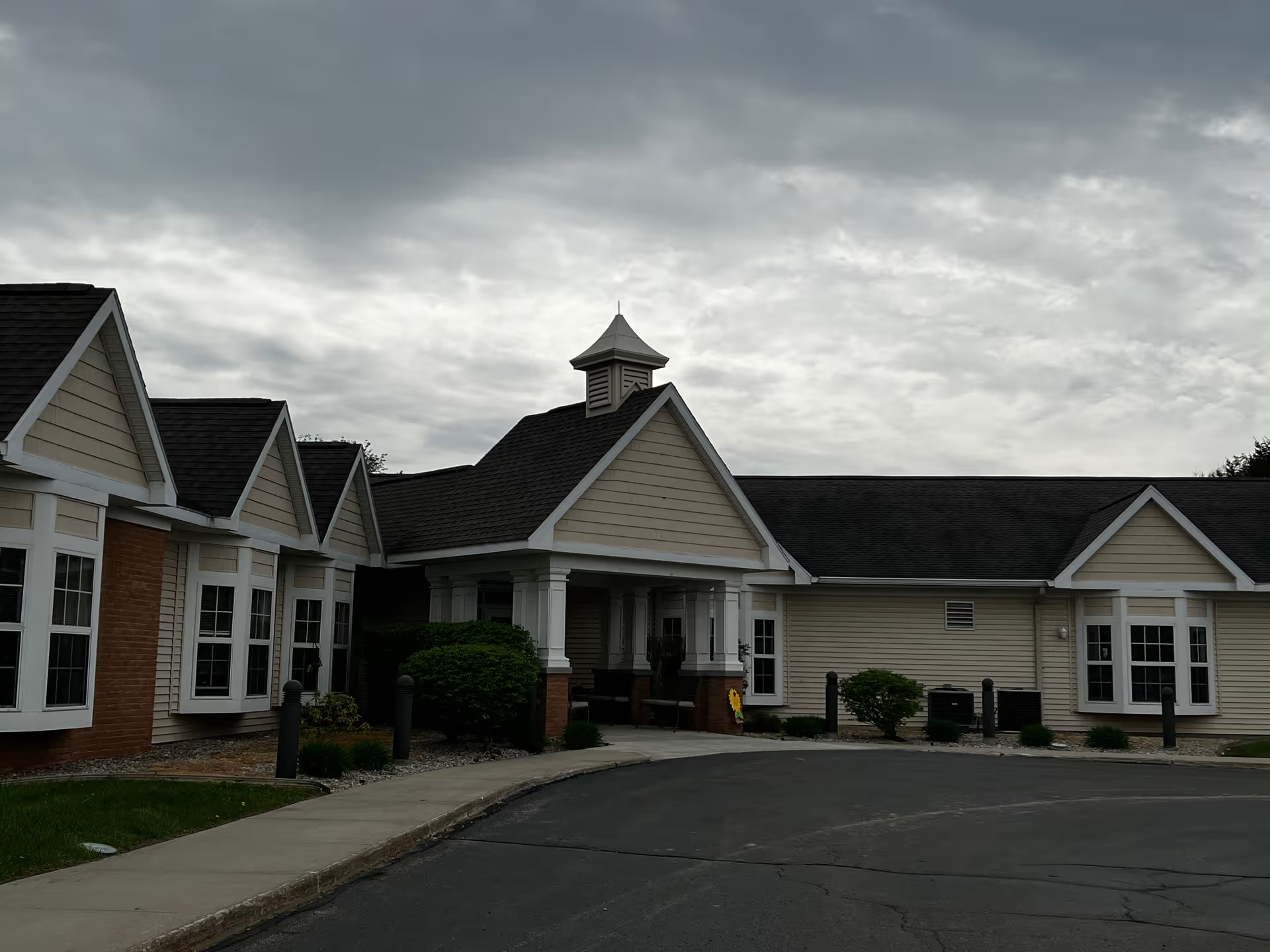
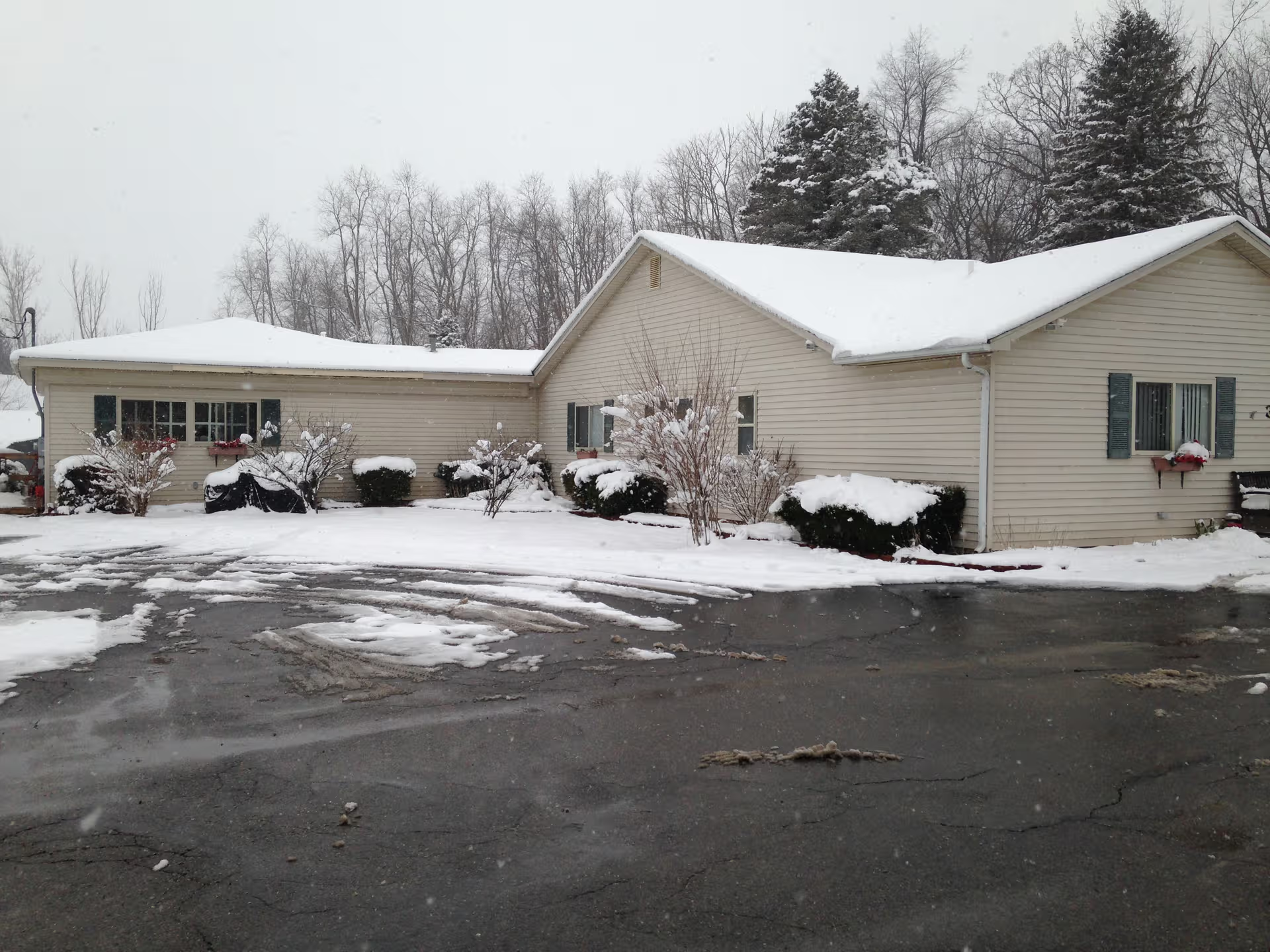
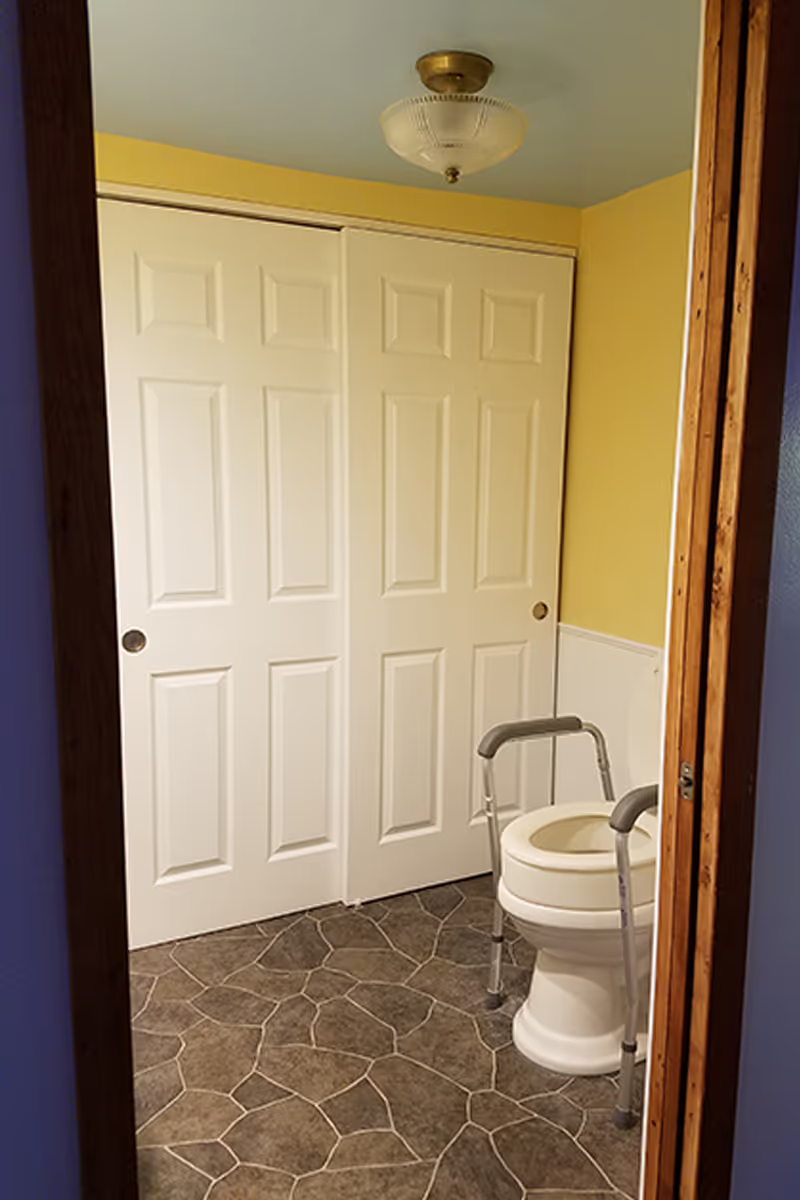
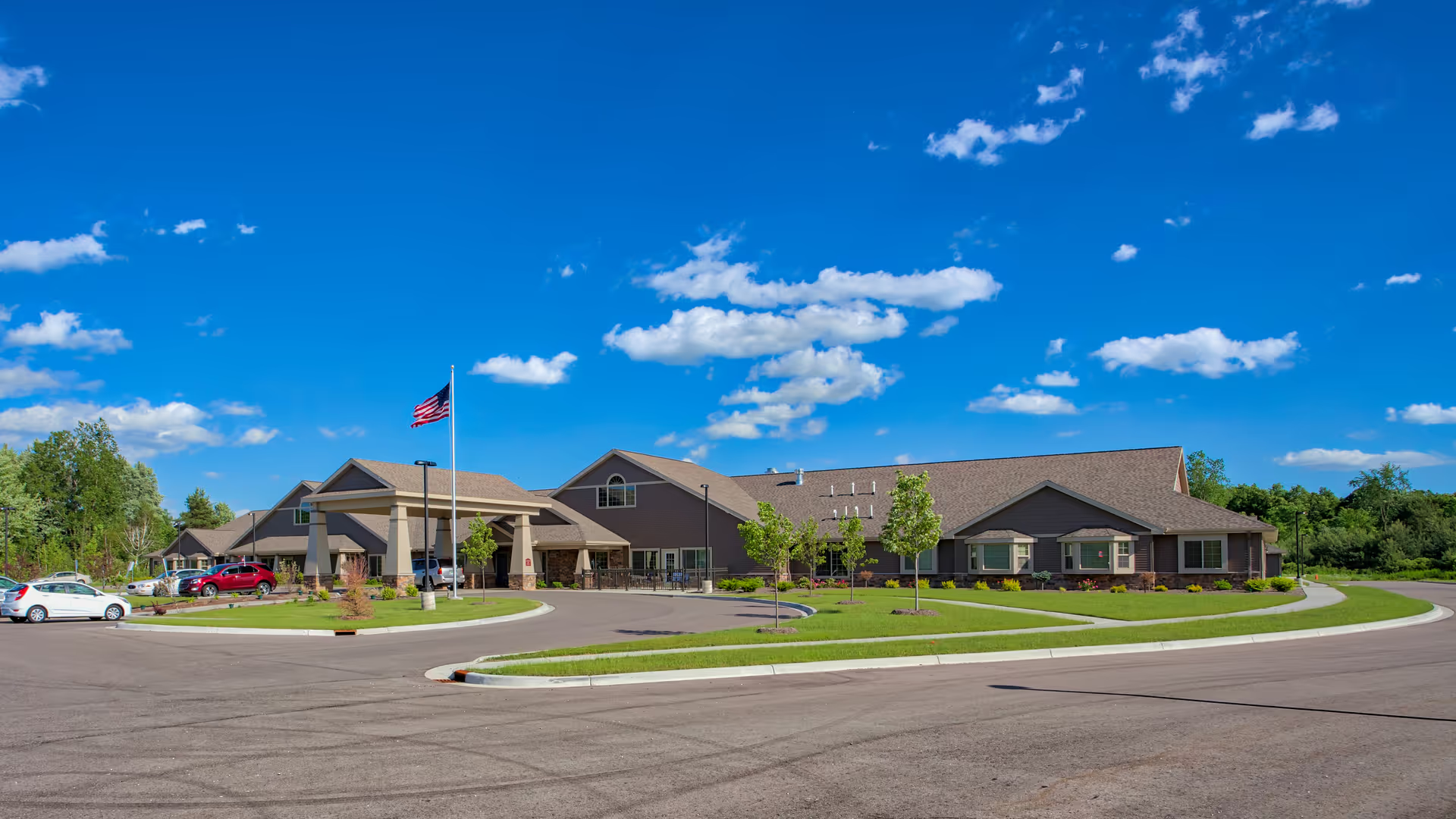
Facility-condition feedback is also divergent. Some visitors described spotlessly clean common areas and comfortable, well-maintained spaces; others identified lapses such as carpet staining, inconsistent room cleaning, pest-control concerns at windowsills, ongoing repainting, and maintenance delays. Room layouts tend toward smaller, hotel-like configurations without larger suite-style dining spaces; there are also restrictions on pets that may matter to prospective residents.
Taken together, the pattern suggests a facility with clear strengths in interpersonal care and social programming when staffing and management align, but with operational vulnerabilities that can affect consistency of experience. Prospective residents and families should prioritize verifying current staffing ratios across all shifts, asking about kitchen staffing and meal-preparation oversight, reviewing recent maintenance and sanitation practices, confirming security and night-supervision procedures (including lock policies), and obtaining clear written details about billing and insurance-handling before move-in. A tour that includes mealtime observation and direct conversations with the activity director and on-duty nursing/administrative staff will help clarify how the facility is operating at the time of decision-making.