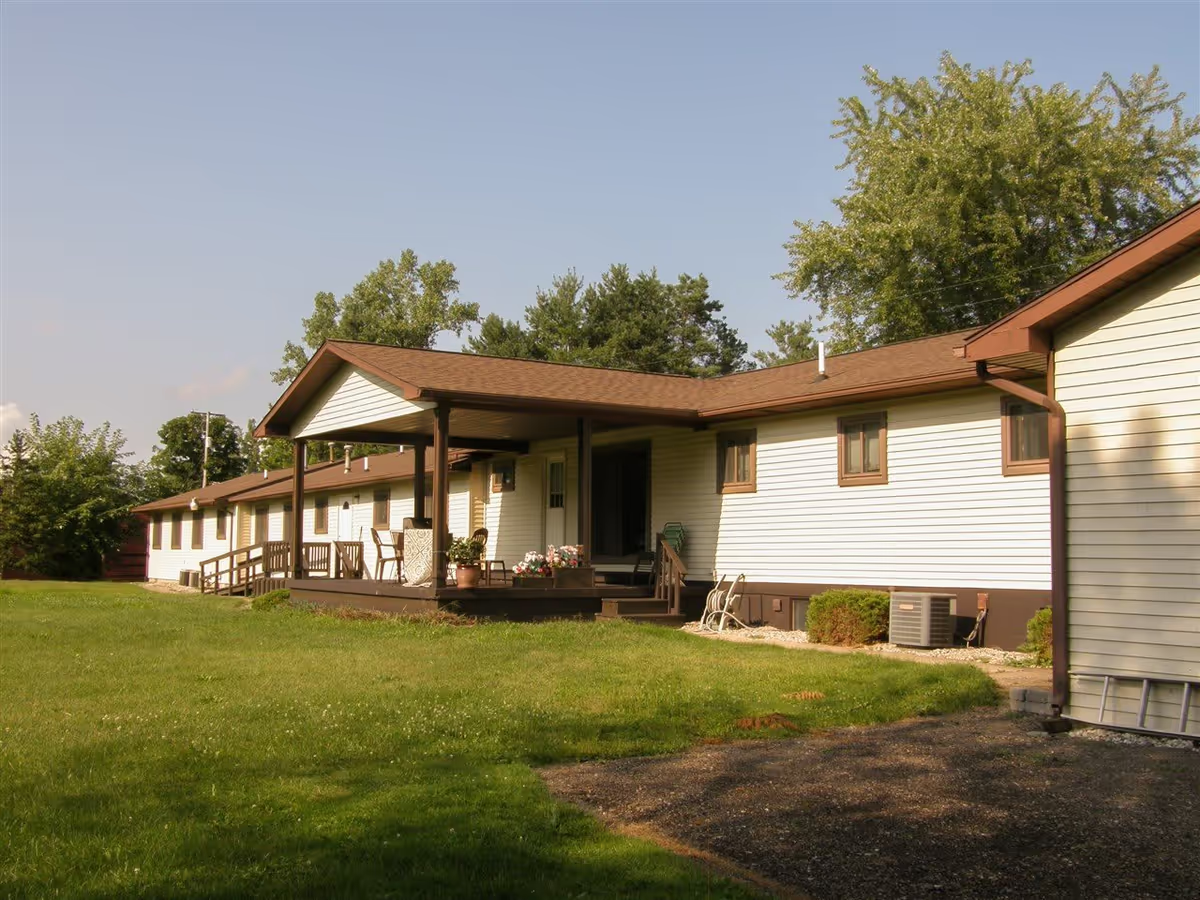
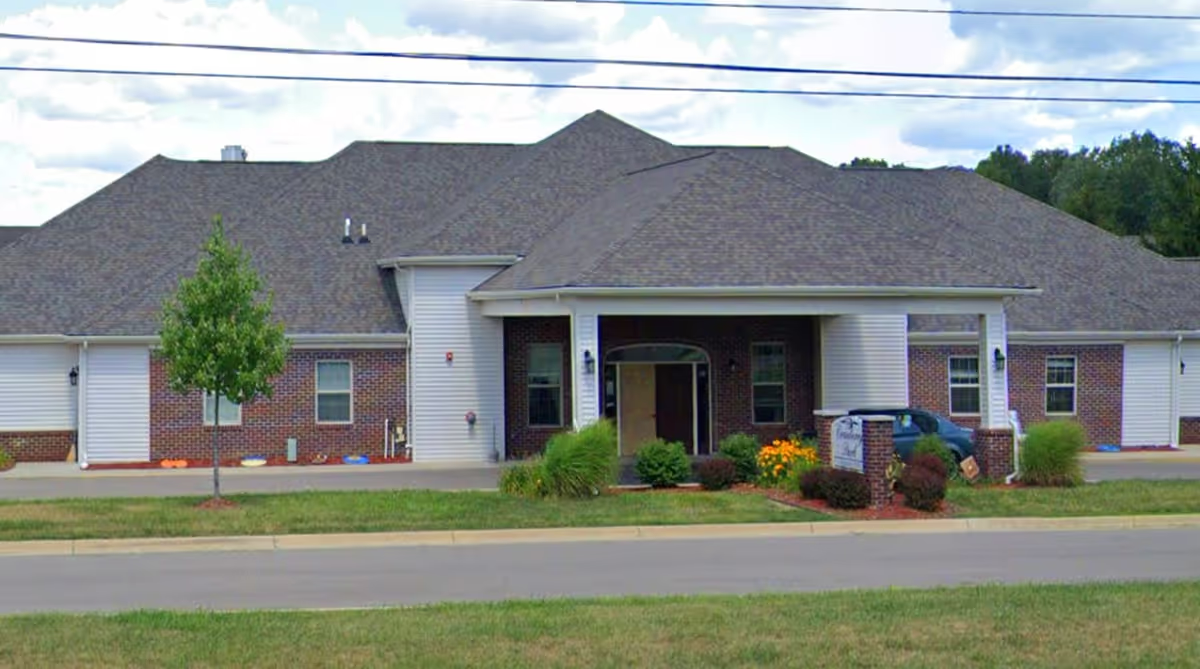
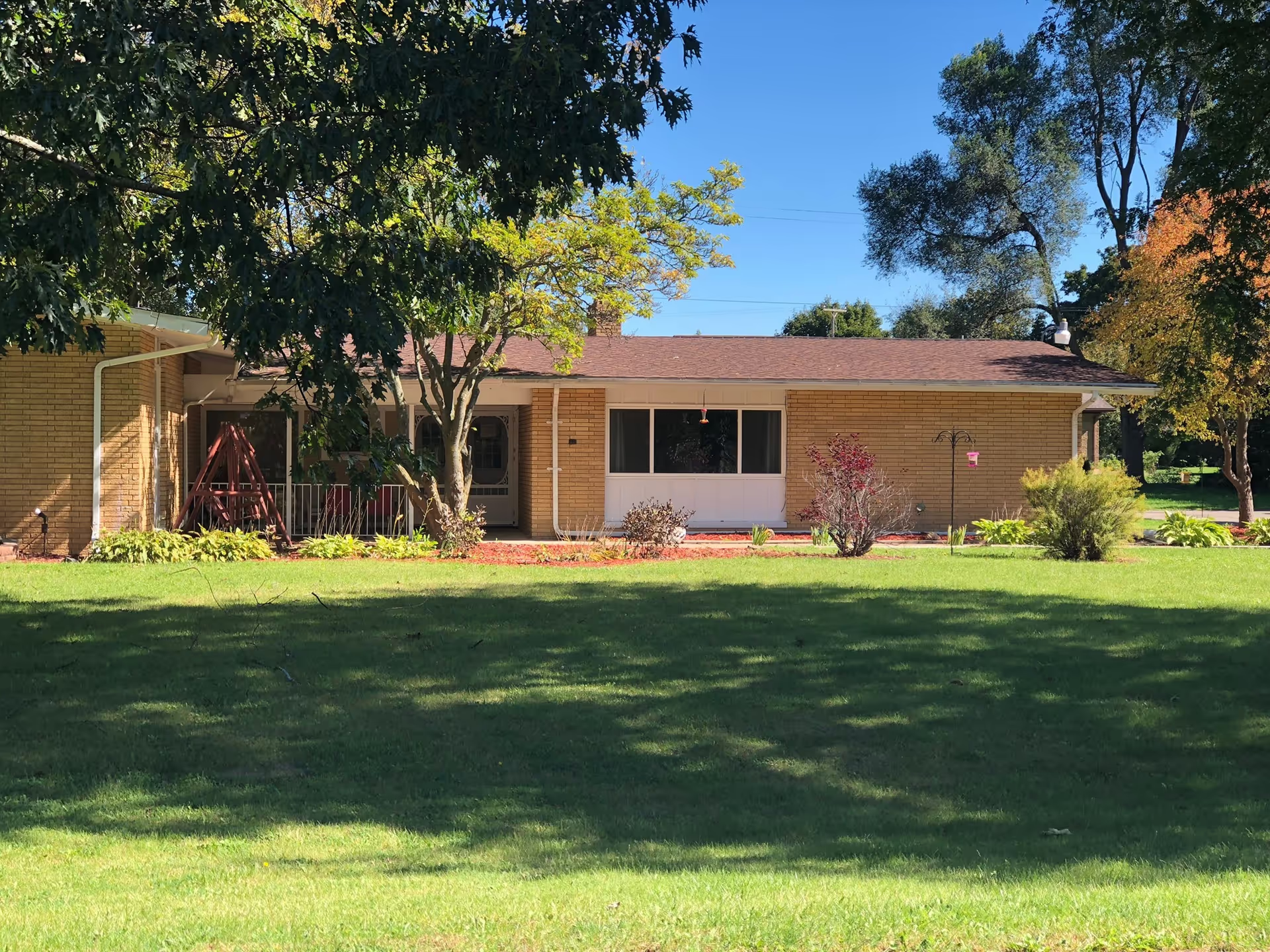
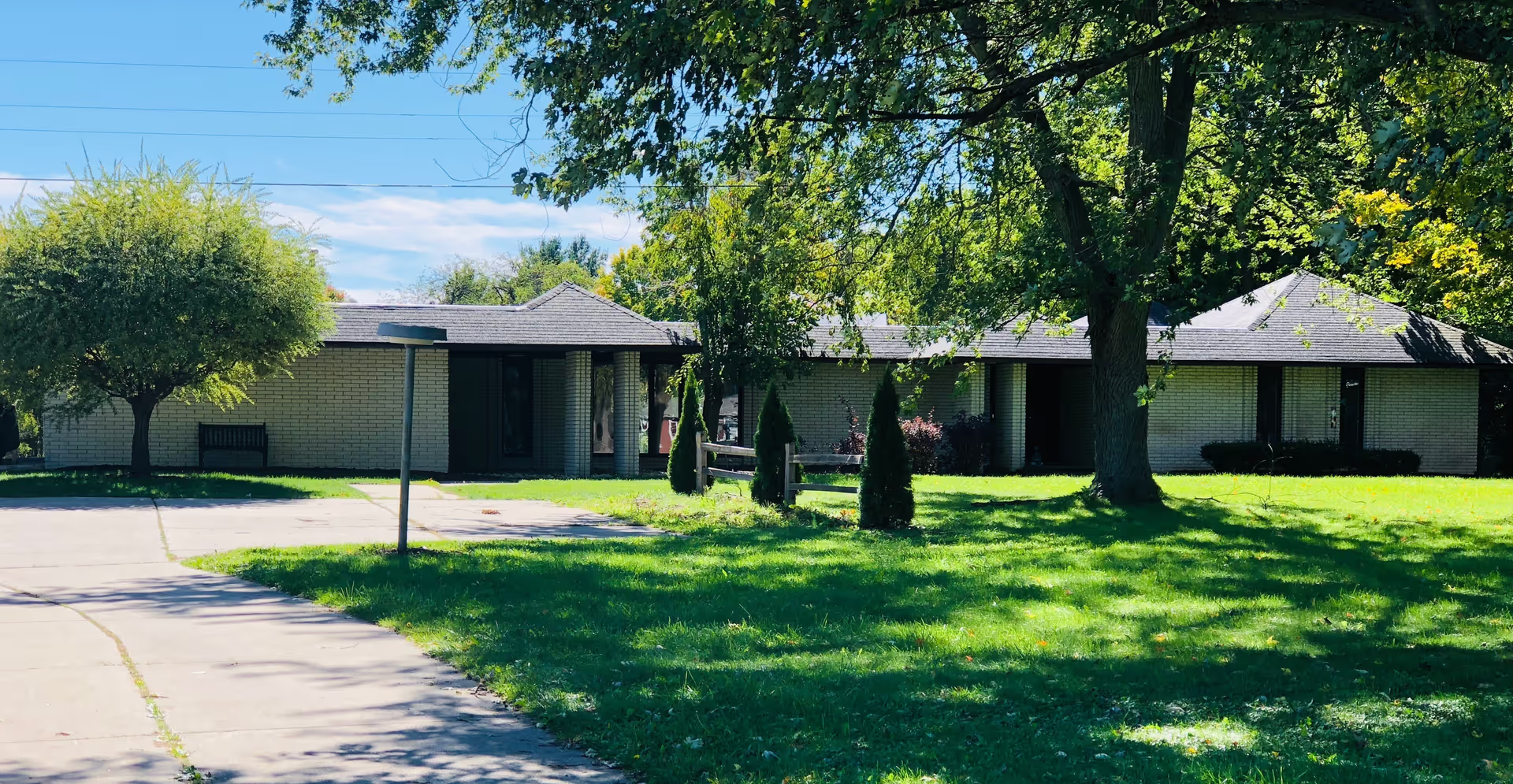
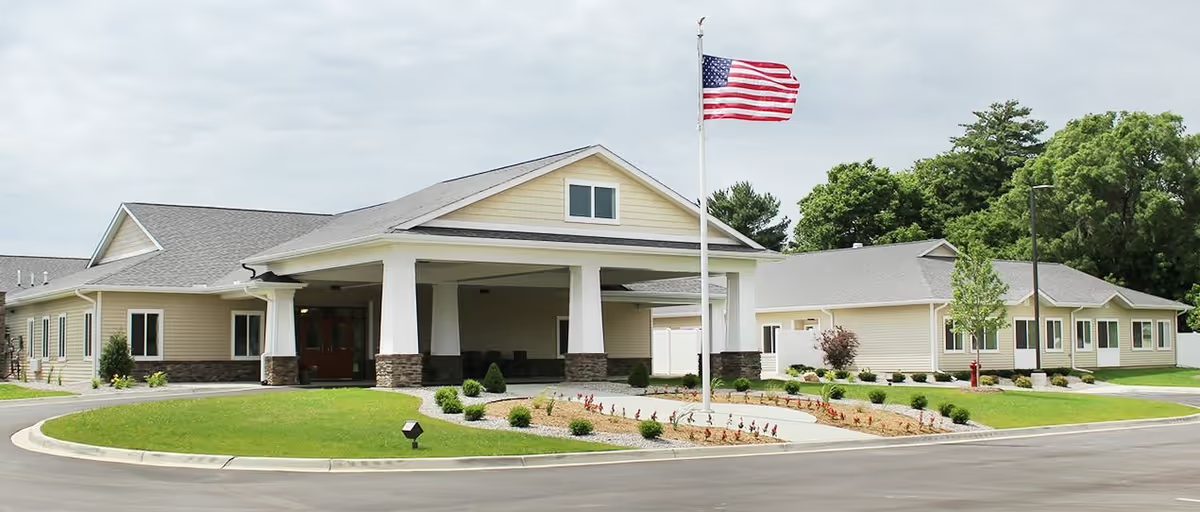
Medilodge of Montrose presents a mixed profile. Many reviewers praise the facility’s physical environment — clean, updated interiors, comfortable common areas, and secure entry systems — and consistently highlight the rehabilitation programs as a standout feature. Physical and occupational therapy receive frequent positive mention for helping residents progress toward discharge. Housekeeping, some CNAs, admissions staff, and social-work/care‑coordination personnel are noted positively in multiple accounts, and the site offers a range of activities and family spaces that contribute to a home‑like atmosphere for some residents.
At the same time, a number of operational and clinical concerns recur in family and resident comments. Nursing responsiveness is a common theme: delayed responses to call lights and alarms, prolonged waits for assistance, and perceived gaps in medication administration and documentation are described. Staffing levels and turnover are identified as persistent issues that appear to affect daily care continuity. Several comments indicate problems with bathing and incontinence care, inconsistent assistance with mobility, and questions about skin integrity and wound prevention practices. There are also multiple references to fall events and handling of transfers that suggest room for improvement in transfer‑safety protocols and supervision.
Dining, activities, and ancillary services show variability. Some families and residents describe good meals, supportive dietary staff, and active programming; others report missed or delayed meals, cold trays, or limited access to showers. The therapy department and engaging activities are strengths for many, but meal-service timing and consistency are uneven across reports. The facility’s security and infection‑control measures were praised in some accounts, though others raised concerns about inconsistent enforcement of visitation and infection‑control policies during outbreak periods.
Management and communication emerge as an important differentiator. Several reviewers describe prompt, effective responses when administrators or the director of nursing personally intervened; others report poor communication, missed calls, discharge miscoordination, and pressure around administrative paperwork. There are serious governance‑level concerns in some accounts, including references to regulatory attention and at least one allegation related to controlled‑substance handling. These issues, combined with reports of inconsistent leadership after ownership or administrative changes, suggest prospective families should evaluate recent management stability and review any public regulatory records.
Practical considerations for families: visit during peak care hours to observe staffing levels and response times; ask for recent staffing ratios, turnover data, and results of any state surveys or ombudsman findings; review medication‑management and transfer‑safety protocols; confirm discharge planning processes and insurance/medication coverage procedures in writing; and sample a meal and attend an activity to gauge consistency. The facility offers clear strengths in therapy and environment but presents operational variability that families should assess directly against their specific care needs.