Reviews of Niles Care Center present a strongly mixed picture: many families and visitors describe compassionate, attentive caregivers, robust activity programming, and helpful admissions and social-work staff, while other accounts raise serious operational concerns affecting day-to-day care. This divergence suggests variability in resident experience that prospective families should weigh alongside specific needs and expectations.
Care and staff: Numerous reviews praise staff who go above and beyond, describe a family-oriented culture, and highlight strong social work and case-management support. Rehabilitation and therapy services also receive consistently positive remarks. Counterbalancing these positives are repeated operational concerns: inconsistent staffing (notably on weekends), slow call‑button responses, and what reviewers characterize as lapses in routine resident checks. There are also frequent notes about inconsistent staff professionalism and communication tone. Together, these patterns indicate that while individual caregivers and teams are highly regarded, staffing variability and responsiveness can materially affect daily care quality.
Dining: The dining experience is another polarized area. Several visitors commend good meals and an improving kitchen team, but a substantial number of accounts point to inconsistent food quality, cold or delayed meals, and limited snack availability. These comments suggest meal-service continuity and kitchen staffing/management as areas that affect resident satisfaction and may be variable day-to-day.
Activities and social programming: One of the clearest strengths is the facility’s activity calendar and community events. Reviews repeatedly mention organized, family-friendly events (holiday activities, games, and outings) and frequent opportunities for social engagement. For families prioritizing socialization and programming, this is a consistent positive.
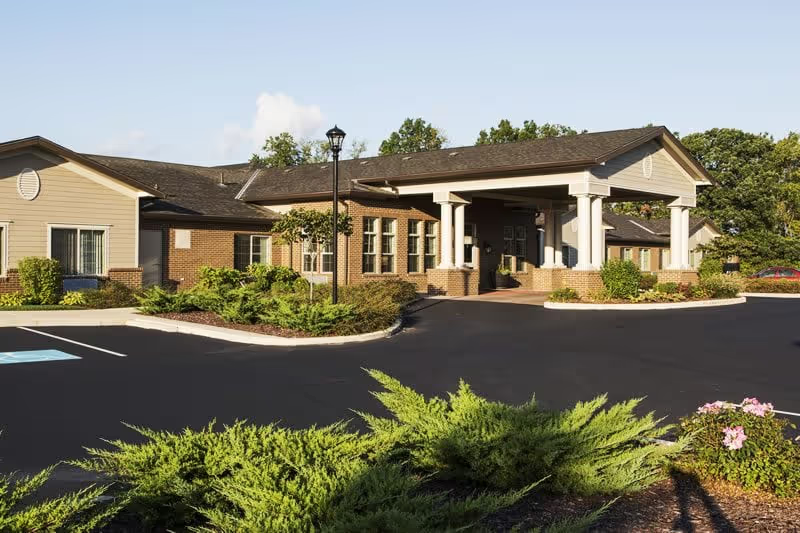
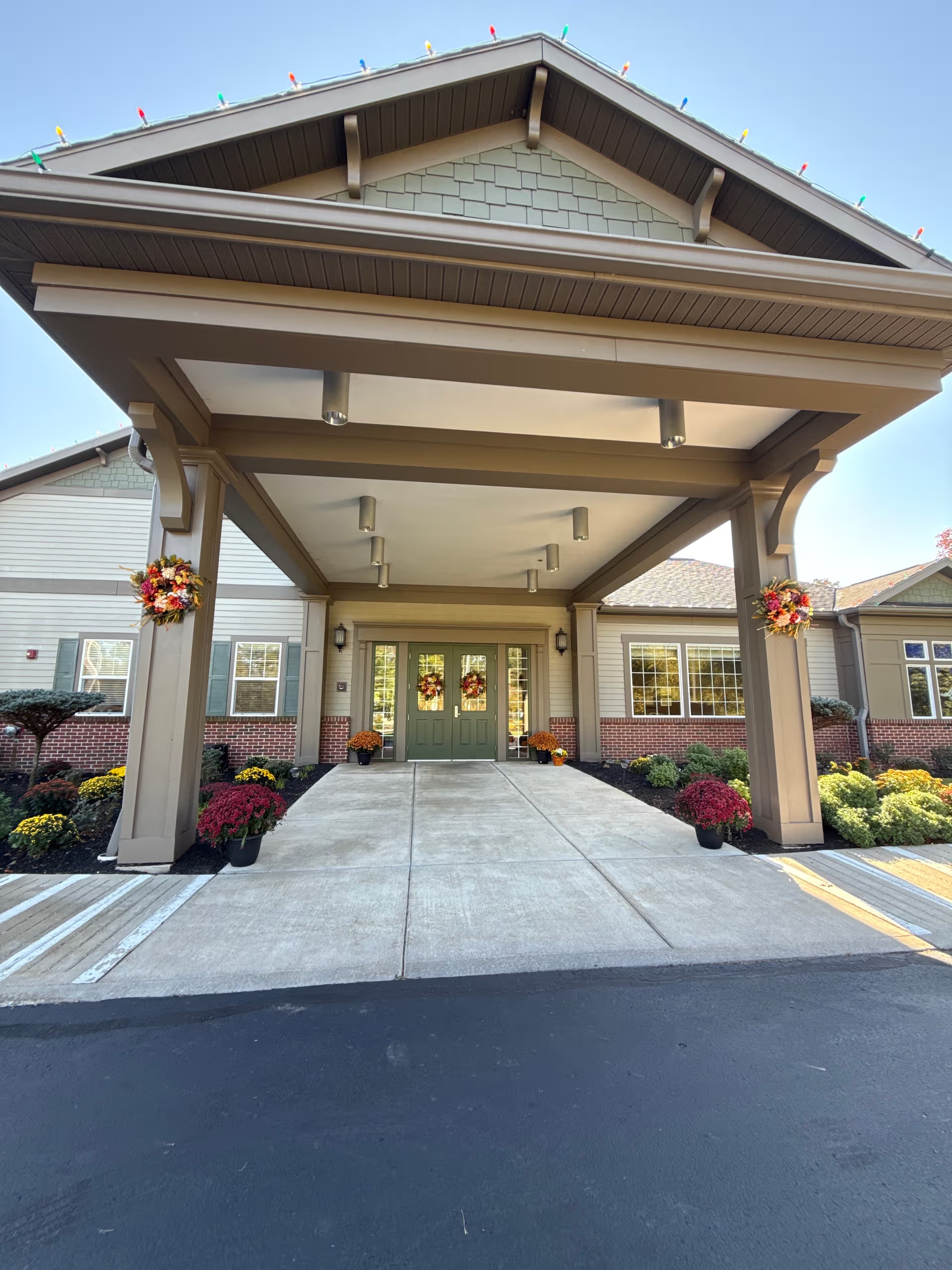
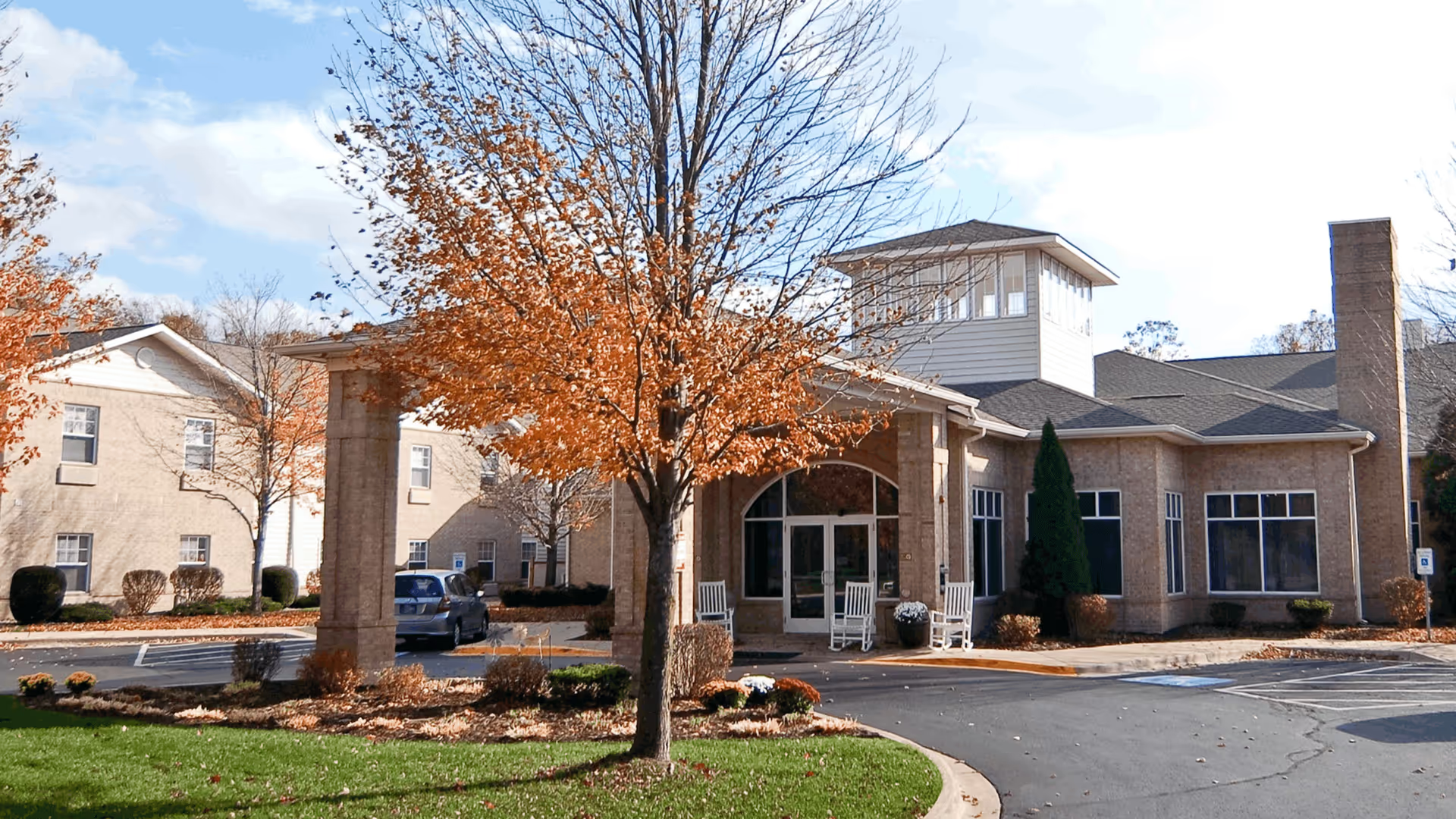
Facilities and maintenance: Many reviewers describe clean, bright common areas and well-maintained rooms; however, other reports note maintenance and equipment reliability issues (broken TVs, HVAC problems) and sanitation/odor concerns in some areas. This indicates unevenness in environmental upkeep and equipment servicing across the building.
Management and administrative issues: Feedback on leadership and administrative processes is mixed. Some reviewers praise administrators and note positive changes following new ownership; others describe concerns about billing, financial controls, and management responsiveness. There are references to billing disputes and questions about financial handling that merit attention. Taken together, these items point to inconsistently applied administrative and financial practices rather than a uniformly managed operation.
Notable patterns and guidance: The overall pattern is one of polarization — strong praise for individual staff members, therapy services, and activities alongside serious, repeatable concerns around staffing consistency, medication administration processes, dining continuity, and certain aspects of facility maintenance and sanitation. Families considering the facility should ask for current staffing ratios (including weekend coverage), medication administration protocols, examples of recent maintenance and housekeeping audits, and documentation of any administrative or financial policy changes under new ownership. An in-person tour that includes observation of meals, an activities session, and a conversation with nursing leadership and the social worker will help assess whether the facility’s strengths align with an individual’s care priorities.