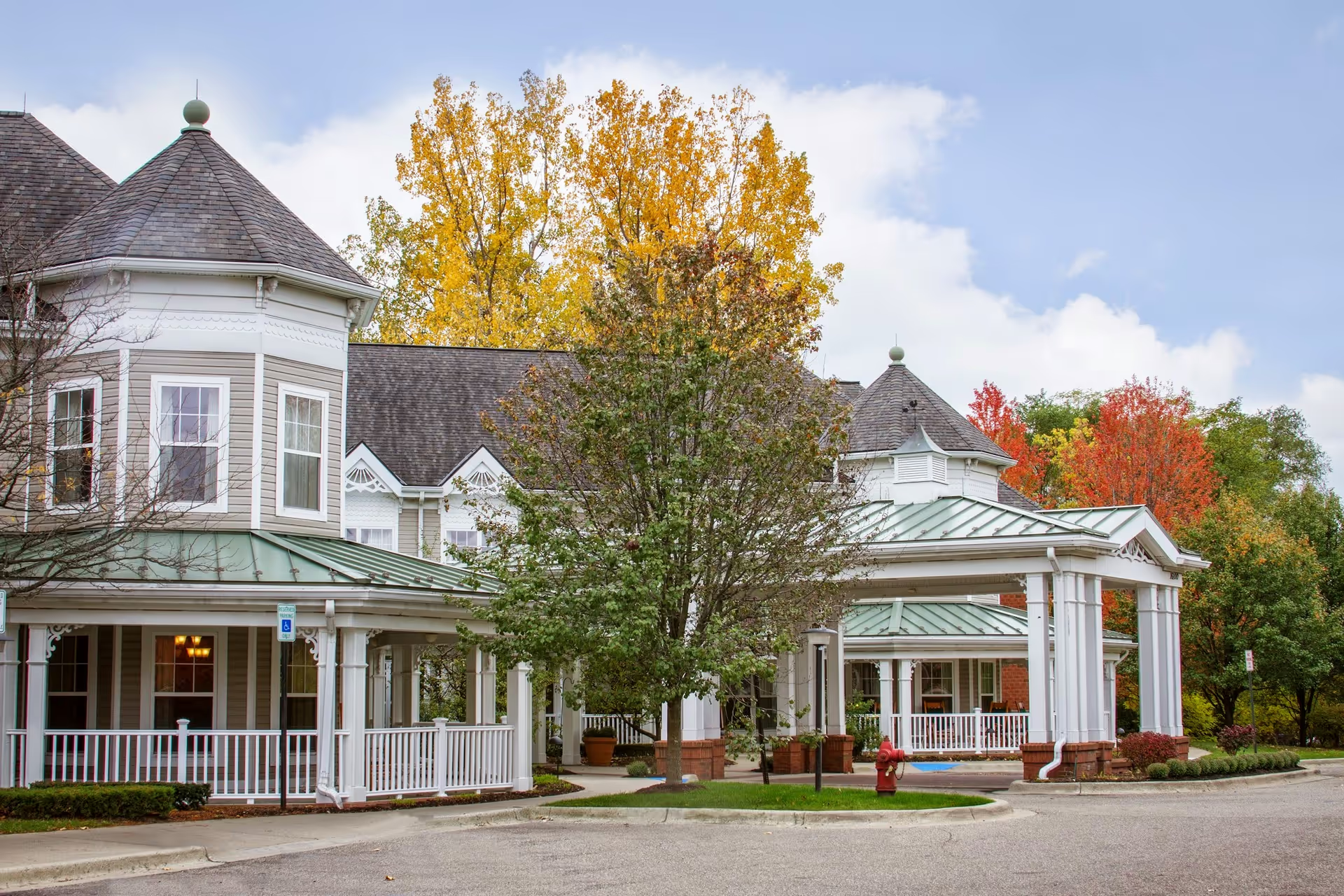
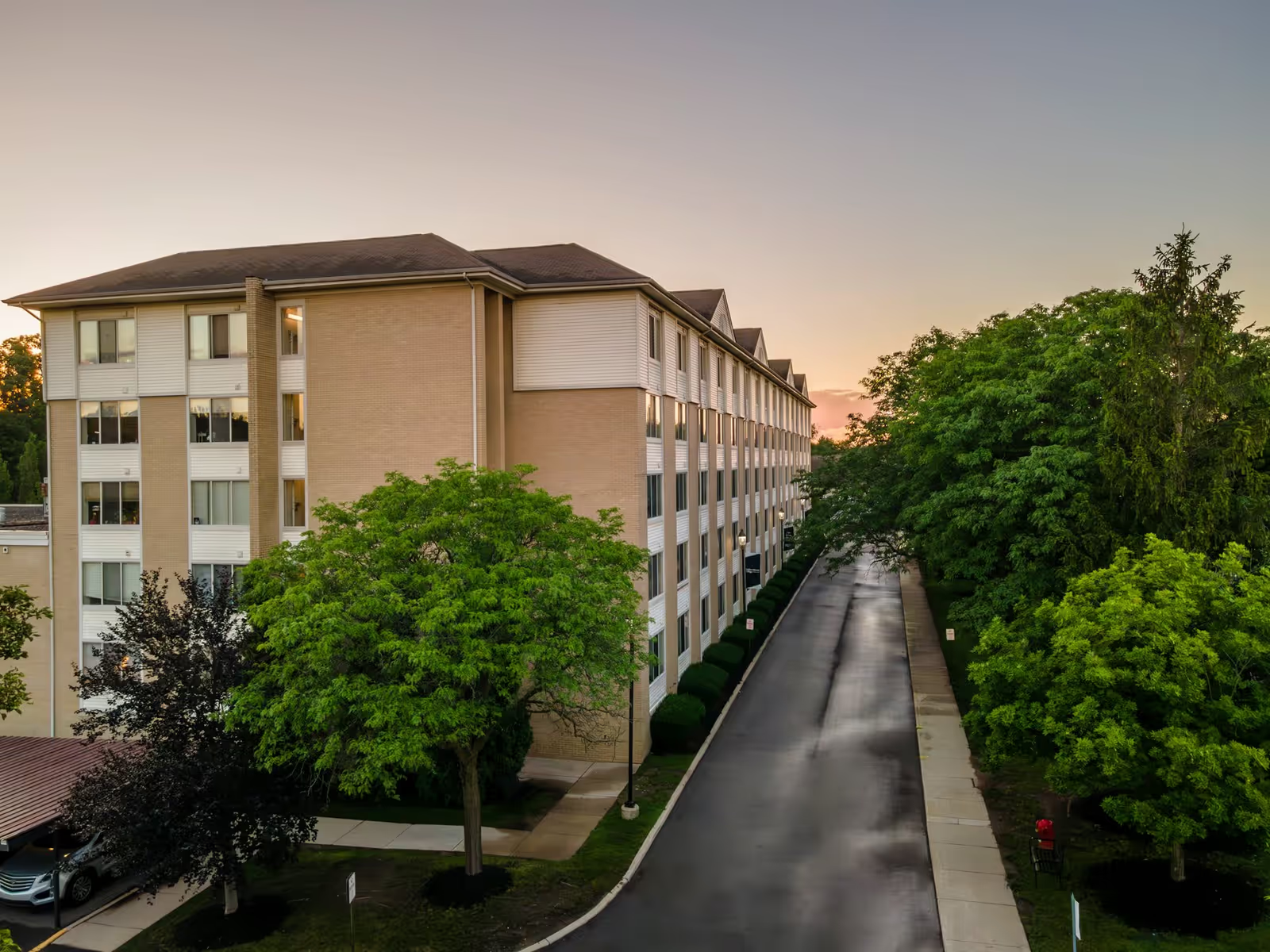
Fairmont Senior Living of Northville (Brighton Gardens) presents a mixed but instructive picture for prospective residents and families. Strengths frequently cited include an overall well-maintained, hotel-like environment with attractive common areas, wooded grounds and walking paths, and multiple apartment configurations (studios and larger floor plans). Families often describe the building as clean and inviting, with bright, renovated rooms and ample social spaces such as a large craft room, beauty salon, and restaurant-style dining areas. On-site amenities extend to physical and occupational therapy, housekeeping, laundry, and regular transportation for religious services and outings.
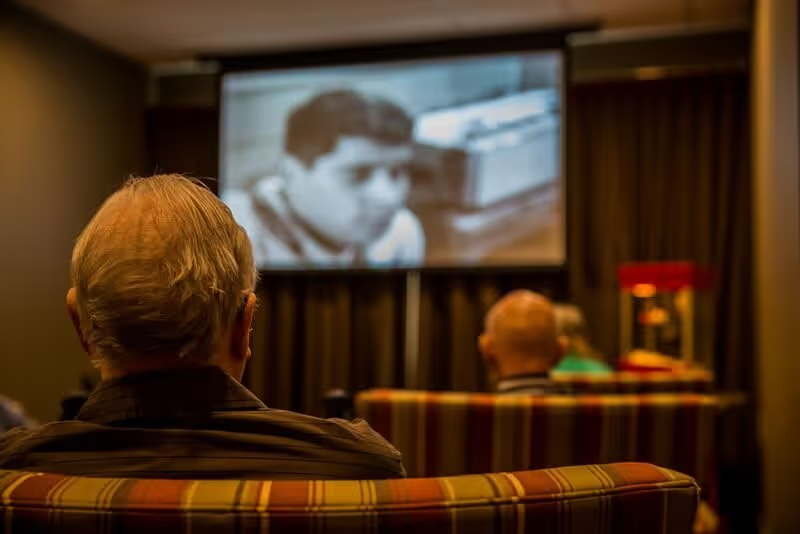
Care and staffing receive largely positive commentary for daytime staff: many accounts describe compassionate, attentive caregivers who know residents by name and engage them in activities. The community offers substantial clinical supports — on-call physicians, monthly gerontologist wellness checks, on-site care management, 24-hour nursing in some units, and an established hospice relationship — which families found reassuring in many cases. Activity programming is a notable strength in assisted-living areas: reviewers referenced a high number of activities, frequent offsite trips (malls, parks, restaurants), regular entertainment, and strong social dining interaction.
However, several recurring operational concerns emerge. Memory-care residents are sometimes described as having a different experience from assisted-living residents: limited encouragement to participate in outings, fewer or less engaging activities, and more pronounced sanitation and odor concerns in portions of the memory unit. Meal quality also appears inconsistent by unit — assisted living generally receives praise for menu variety and customization (including gluten-free options), while memory-care meals are described as unappealing or insufficient by some families. Staffing consistency is a theme: daytime staff performance is often cited positively, but reviews indicate understaffing or slower response times during night and early-morning shifts, as well as occasional slow call-button responses.
Management, communication, and operational reliability show variability. Many families report prompt, caring responses when issues are raised and praise strong front-line leaders; others report dissatisfaction with admission communications, sales expectations, record-keeping across shifts, and follow-through on maintenance requests. There are also serious process concerns raised in some accounts — including gaps in clinical-incident reporting and family communication — that prospective families should clarify during a tour. Cost is another recurrent consideration: the community is perceived as upscale and, for some, expensive relative to perceived value.
In summary, Fairmont Senior Living of Northville offers strong amenities, active programming (especially in assisted living), on-site clinical supports, and a generally welcoming physical environment. At the same time, prospective residents should verify current staffing patterns (especially overnight coverage), review memory-care programming and sanitation practices in person, ask about incident-reporting and maintenance-response protocols, and confirm meal plans and customization options for the specific care level they anticipate. A focused tour that includes the memory-care neighborhood, a sample activity, and discussion of shift-to-shift communication practices will help families assess fit and address the variability described in these reviews.