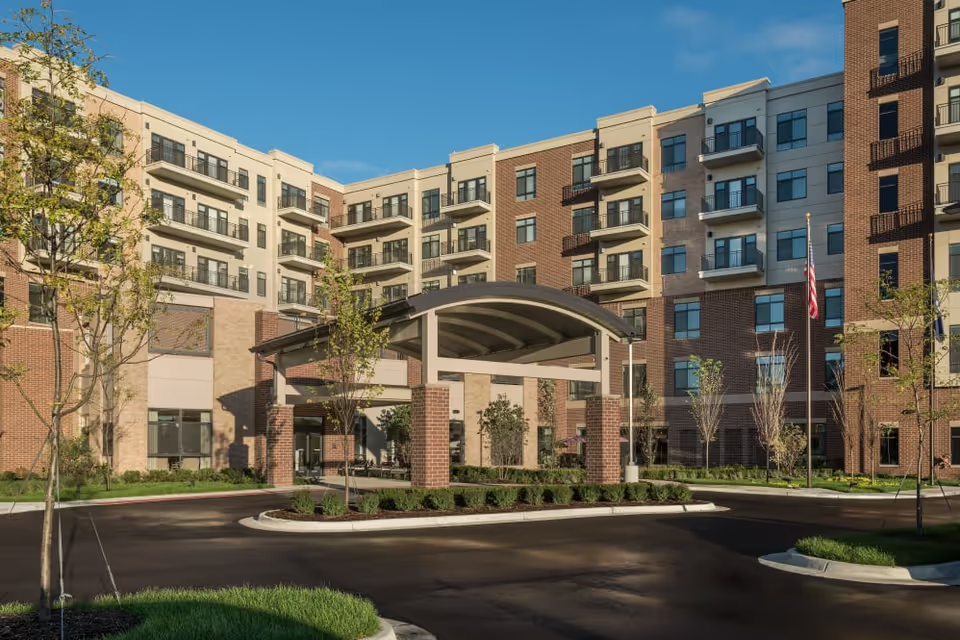
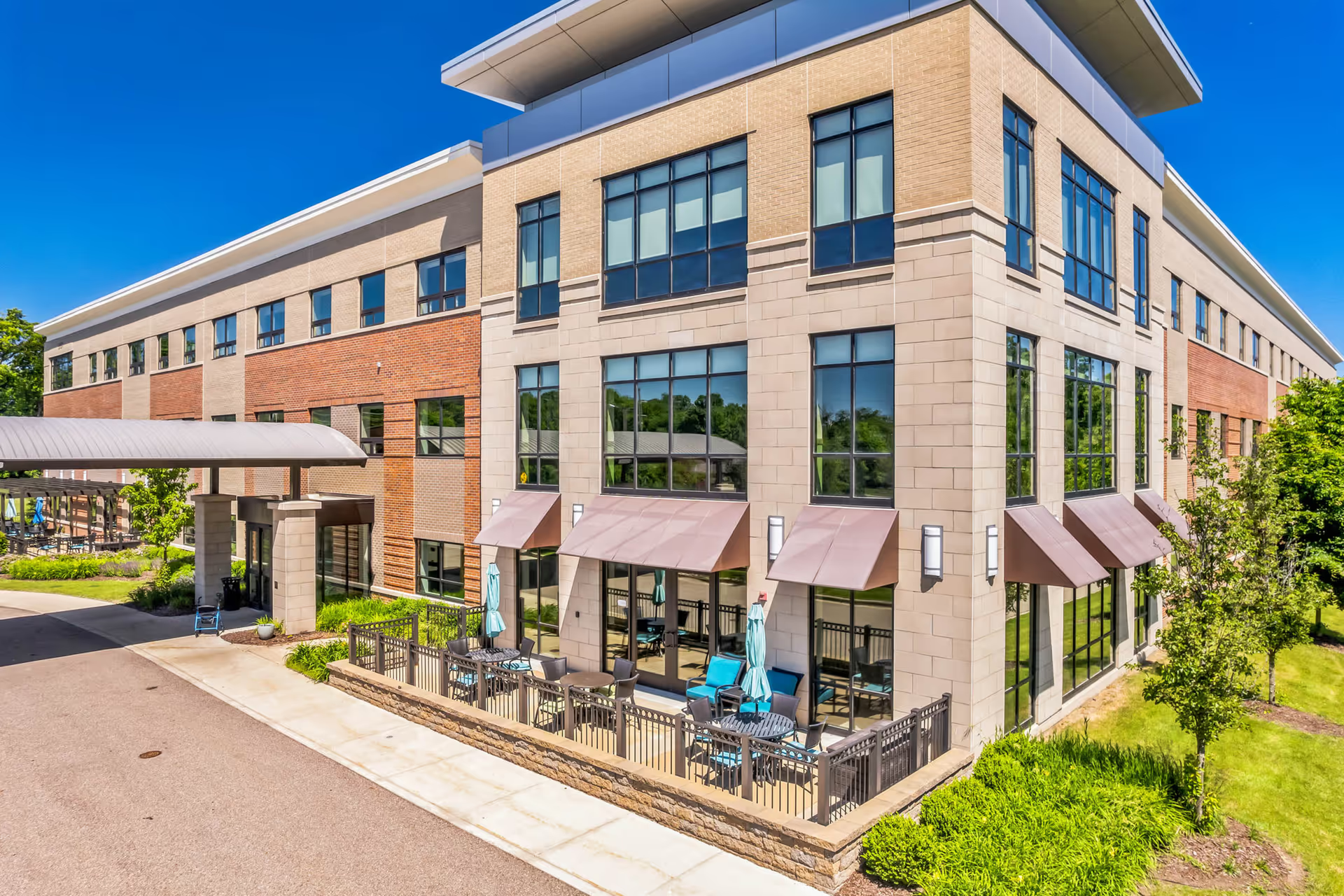
Feedback for The Springs at Rochester Hills Rehab and Nursing Center is strongly mixed, with clear pockets of high-quality clinical care and simultaneously recurring operational concerns. Positive comments emphasize compassionate, attentive direct-care staff, capable nursing leadership, and robust rehabilitation and therapy services. Admissions and administrative staff are frequently described as welcoming and helpful, and several reviewers cite active recreational programming, flexible visiting policies, and tasteful common-area renovations and landscaping as real strengths. The facility also accepts Medicaid and coordinates hospice support, and some families report strong, team-based clinical oversight—particularly in memory-care services.
Conversely, a sizable set of reviews describe operational weaknesses that affect day‑to‑day resident experience. Cleanliness and sanitation practices are inconsistent across units, and there are repeated accounts of pest-control and infection‑prevention concerns. Meal quality and food-service continuity are uneven: reviewers note issues with food temperature, limited variety appropriate for residents with chewing or swallowing limitations, and budget-driven menu constraints. Medication administration and documentation practices are described as unreliable in multiple accounts, and delays in responding to call bells and clinical needs are a common theme tied to staffing levels.
Staffing and infrastructure are linked to many of the criticisms. Reviewers describe periods of inadequate staffing, especially overnight or after hours, which family members connect to delayed responses and reduced supervision. Maintenance and facility infrastructure problems—aging rooms, broken beds, HVAC and elevator issues, and dated furnishings—contribute to a perception of a facility in transition. At the same time, several reviews note visible renovation activity and improvements under new ownership or management, suggesting that some deficiencies are being actively addressed.
Communication and management responsiveness are inconsistent: some families praise proactive, transparent leadership and rapid improvements, while others report poor inter‑shift communication, delayed family notifications for clinical changes, and unresolved concerns about belongings or financial matters. There are also isolated but serious allegations of mishandled belongings and financial misconduct; those items warrant follow‑up and verification through regulatory or legal records.
For prospective residents and families, the pattern suggests evaluating current conditions in person, confirming staffing ratios and medication‑management protocols, reviewing recent inspection records, and asking about recent or planned renovations and infection‑prevention improvements. When possible, meet admissions and clinical leaders, observe dining and activity periods, and request examples of how the facility accommodates dietary and mobility limitations. The facility demonstrates clear areas of strength—particularly in rehab/therapy and in individual staff members who provide compassionate care—but families should balance those positives against the operational inconsistencies documented across multiple accounts.