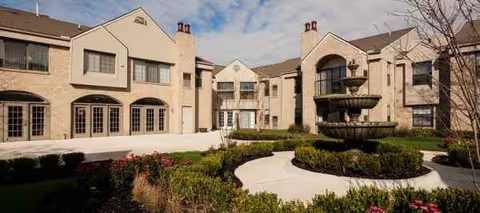
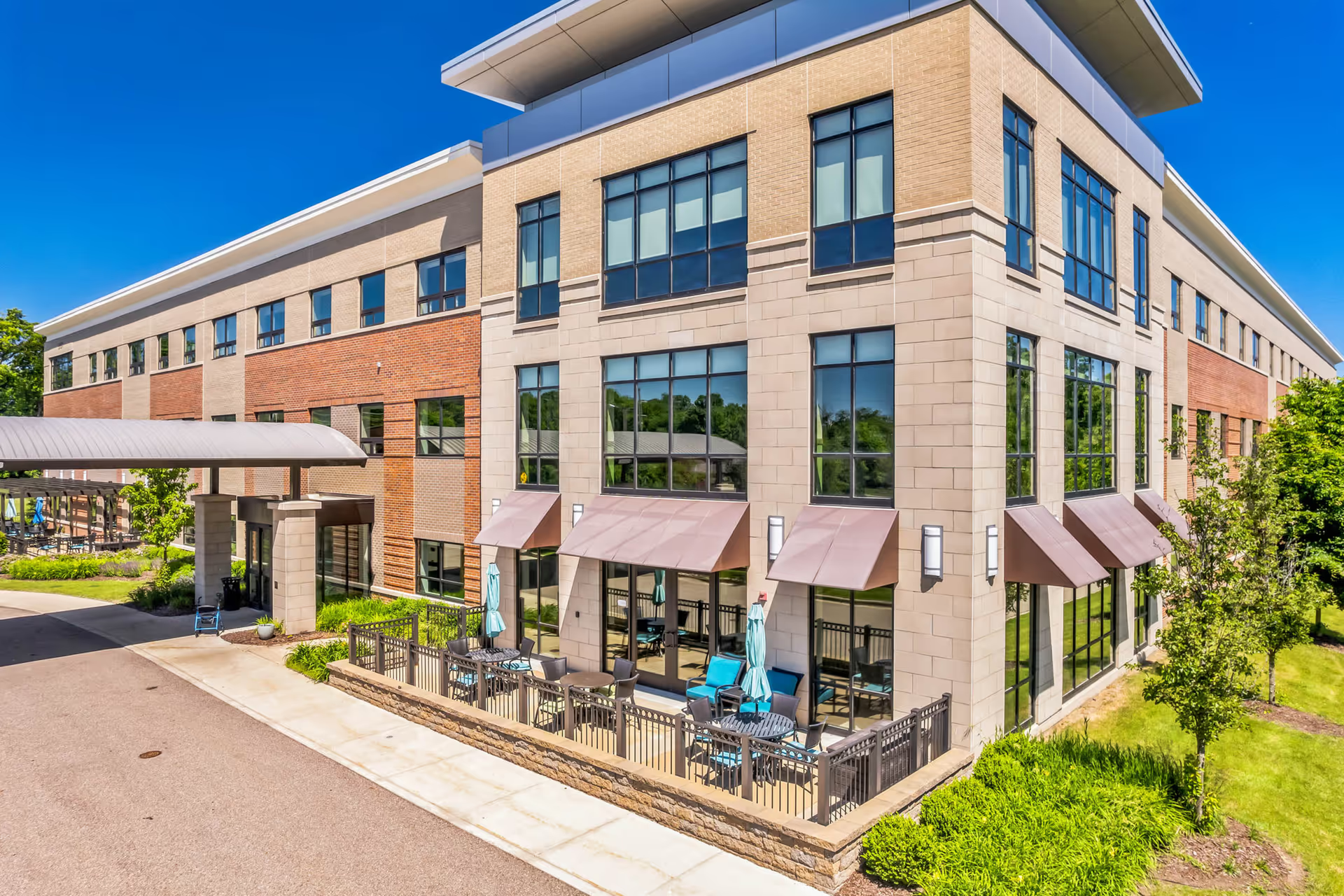
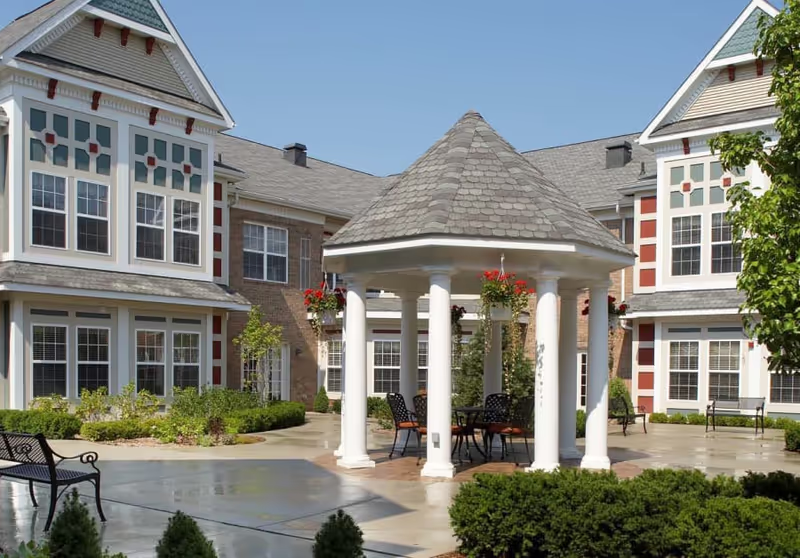
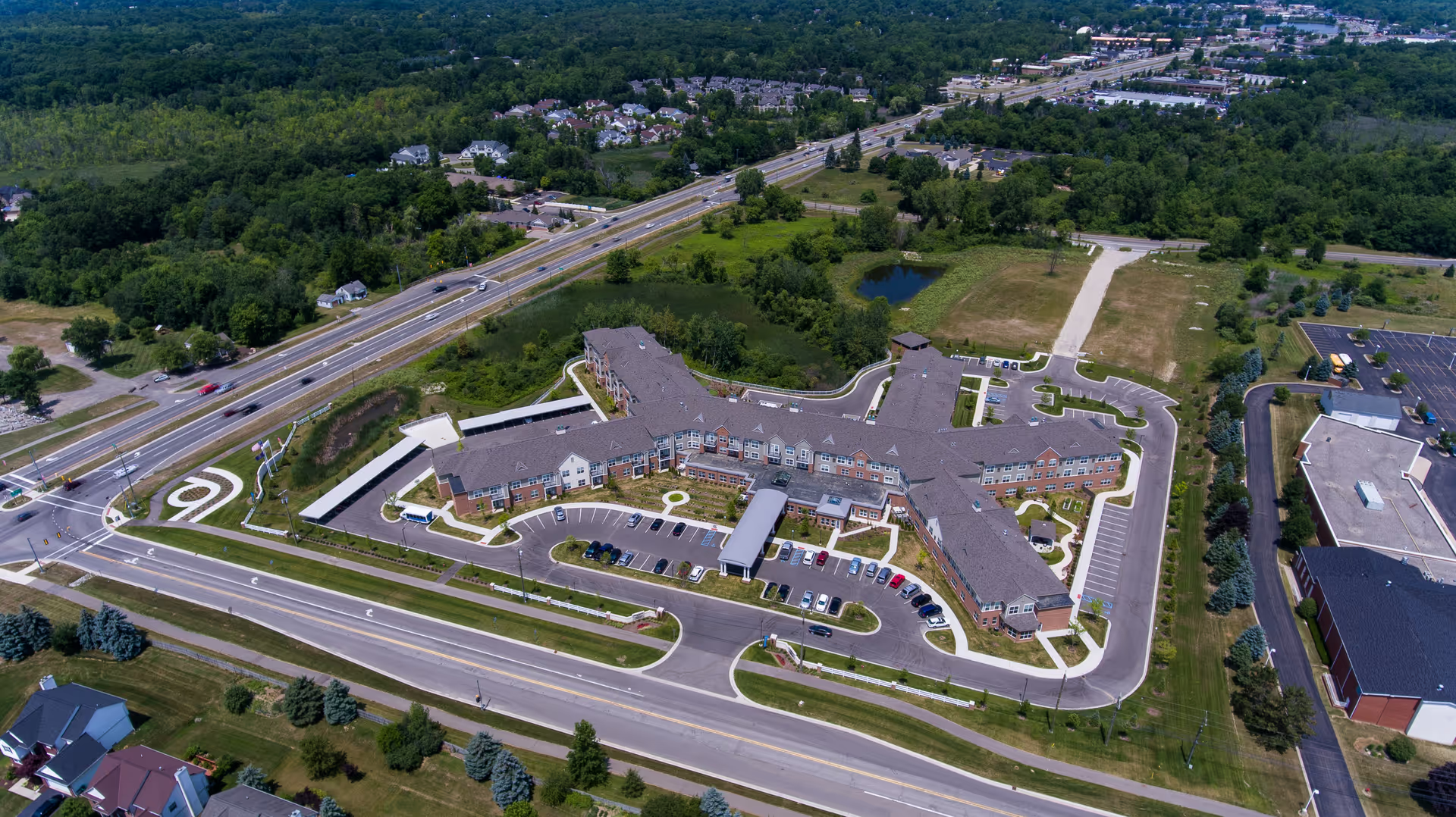
Flourish Collection at Rochester presents a notable contrast between a high-quality physical environment and a set of operational concerns that have emerged during recent ownership and management changes. Many reviewers emphasize the facility’s strong physical attributes: a resort-like campus, well-appointed interiors, attractive grounds, onsite salon and spa, and specialty partnerships that enhance services (for example, therapeutic services and distinctive dining). These elements continue to make the property appealing on first impressions and during tours.
Care quality and staff performance are described in mixed terms. Long-tenured caregivers and frontline staff receive frequent praise for compassion, individualized attention, and instances of going above and beyond to support residents and families. At the same time, reviewers note patterns consistent with understaffing, increased caregiver turnover, and diminished onsite leadership. These operational gaps are associated with concerns about medication management, slower emergency response times, and uncertainty in how care plans will be sustained going forward. Several accounts highlight that continuity of clinical oversight and the presence of licensed staff onsite are important questions to resolve prior to move-in.
Dining and activities are another area of mixed feedback. The facility’s dining brands and special culinary offerings are cited as strengths, and the activities program (including music, choir, and outings) is valued by many residents. Conversely, reviewers describe variability in meal quality, long waits, and occasional service-management issues that affect the dining experience. Activity availability has shown recovery after COVID-related slowdowns, but some families express concern about consistency and staffing for enrichment programs.
Facilities and maintenance show a similar split. The property’s design, public spaces, and amenities are frequently praised, and maintenance responsiveness is noted positively in some reports. However, other accounts indicate lapses in routine maintenance and cleaning in parts of the building and grounds. These observations point to uneven execution of housekeeping and facility upkeep rather than uniform building-wide failure.
Management, policy, and financial changes are recurring themes. Reviewers describe a transition to a different ownership/operating model with higher out-of-pocket costs, a shift toward unbundled service charges, shorter contract/notice periods, and rebranding or licensing transitions. Communication during these transitions is portrayed as inconsistent, and families express concern about transparency around billing, care-inclusion thresholds, and licensing status. Leadership instability and frequent corporate turnover are cited as underlying contributors to these operational issues.
Overall pattern: there is a clear distinction between the facility’s physical and relational strengths (attractive campus, engaged residents, and many compassionate caregivers) and emergent operational weaknesses (management instability, staffing variability, cleanliness and dining inconsistencies, and billing/licensing uncertainty). Prospective residents and family members would benefit from an in-person tour, direct questions about current staffing levels and clinical coverage, written clarification of what services are included versus fee-based, copies of current licensing or regulatory notices, and references from recent families to assess how the facility is managing the transition period. This balanced approach will help weigh the strong amenity and community features against the operational risks described by reviewers.