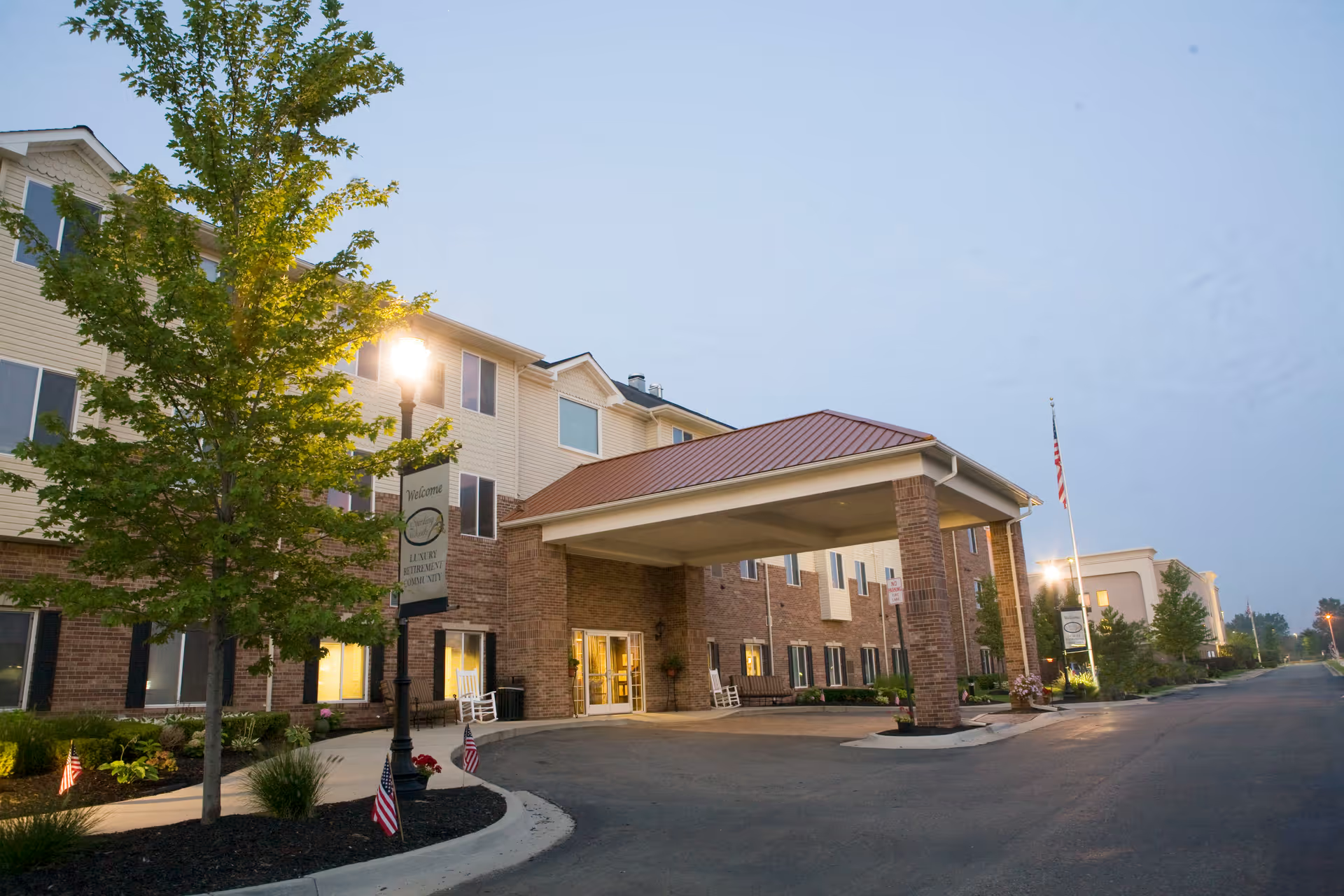
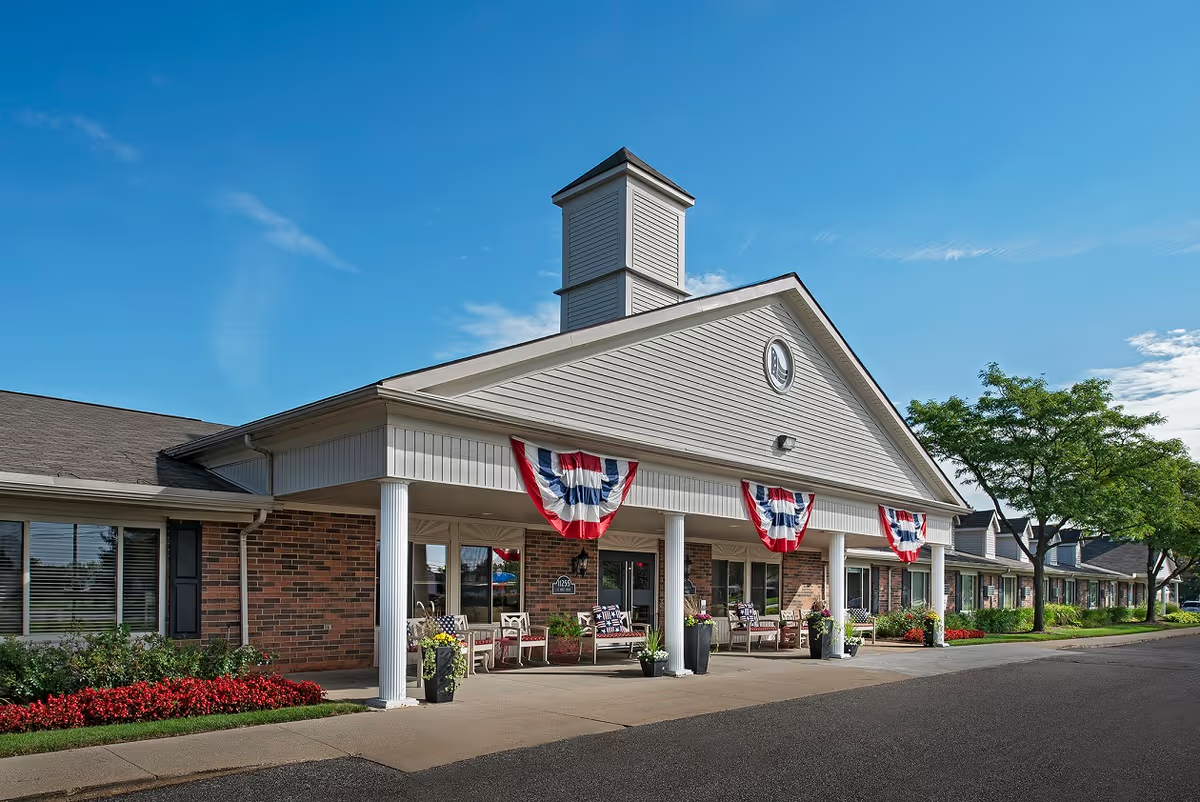
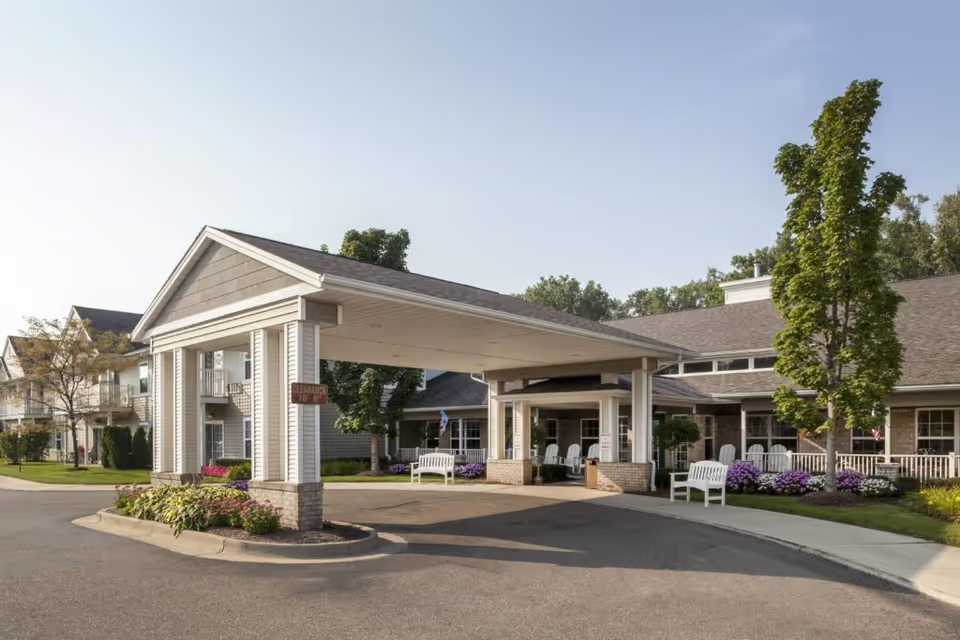
This facility elicits strongly mixed evaluations. Positive feedback centers on direct caregiving, social programming, and the built environment: many families describe compassionate, personable caregivers (including long-tenured staff), a range of on-site clinical and support services (primary care visits, podiatry, salon, laundry, therapy), and attractive common spaces such as an atrium, indoor/outdoor patios, and activity areas. Life-enrichment offerings — live music, movie nights, library access, and routine outings — are frequently noted as meaningful for resident engagement. Several accounts also highlight effective medication response and rapid pharmacy coordination in individual cases, plus the availability of dietary accommodations and three meals per day.
At the same time, substantive operational concerns recur across reviews. Staffing inconsistency and turnover are frequent themes; families describe delays in answering call systems and slower assistance during evenings and after hours. Housekeeping and sanitation in some resident rooms are described as unreliable, and multiple comments indicate problems with incontinence-care management and timely assistance with feeding or bathing. These patterns translate into a reported mismatch between resident need and available caregiver coverage, particularly for residents with higher clinical needs.
Clinical oversight and management practices are another area of divergence. While some reviewers commend nursing responsiveness and on-site medical support, others describe variability in medication practices, limited formal dementia-care training, and insufficient clinical resources for higher-acuity memory-care residents. Administrative concerns include perceived prioritization of billing and pricing, inconsistent handling of personal belongings and refunds, and uneven follow-through from leadership when families raise issues. After-hours access and lobby/front-desk responsiveness are also identified as gaps in the facility’s operational controls.
Dining and activities are generally seen as strengths in terms of availability and variety, but reviewers note inconsistent food quality and occasional menu items that families consider low in nutritional value; several families appreciated dietary customization when provided. The activity program is robust on paper and effective for many residents, but participation and evening programming vary by unit and by staffing availability.
Overall, prospective residents and families should weigh the facility’s clear strengths in caregiver rapport, amenities, and on-site services against recurring concerns about staffing consistency, in-room sanitation and incontinence care, memory-care training, and certain administrative practices. A thorough, targeted tour and specific questions about staffing ratios at the prospective unit, call-response times, dementia-care protocols, housekeeping schedules, medication oversight, and property/ billing procedures are advisable to determine whether the facility’s operational performance aligns with an individual’s care needs.