Reviews for Culver Meadows Senior Living are sharply divided: many families praise the facility for compassionate, individualized care and strong hospice/end-of-life support, while other reviewers raise operational concerns that affect day-to-day resident experience. Overall impressions cluster around two consistent themes — strong personal-level caregiving from named staff and occasional leadership, and facility-level inconsistencies in staffing, dining, and operational transparency.
Care and staff: Numerous reviews highlight compassionate, attentive caregivers and involved administrators who provide personalized attention and regular family communication. Several reviewers named specific staff who went above and beyond, and families consistently noted a family-like atmosphere in smaller households. Counterbalancing those positives, there are recurrent concerns about high staff turnover, low staff-to-resident ratios, and variability in care quality between shifts. Reviewers describe delays in attending to residents at times and uneven responsiveness, suggesting staffing stability and scheduling may be underlying operational weaknesses.
Dining and nutrition: Feedback on dining is mixed. Some families describe nutritious, homemade meals and helpful dining staff; others describe small portion sizes and meals that they considered nutritionally lacking, particularly at evening service. The pattern suggests inconsistent meal preparation or portion control and a need to clarify meal offerings and nutritional standards during tours and contract discussions.
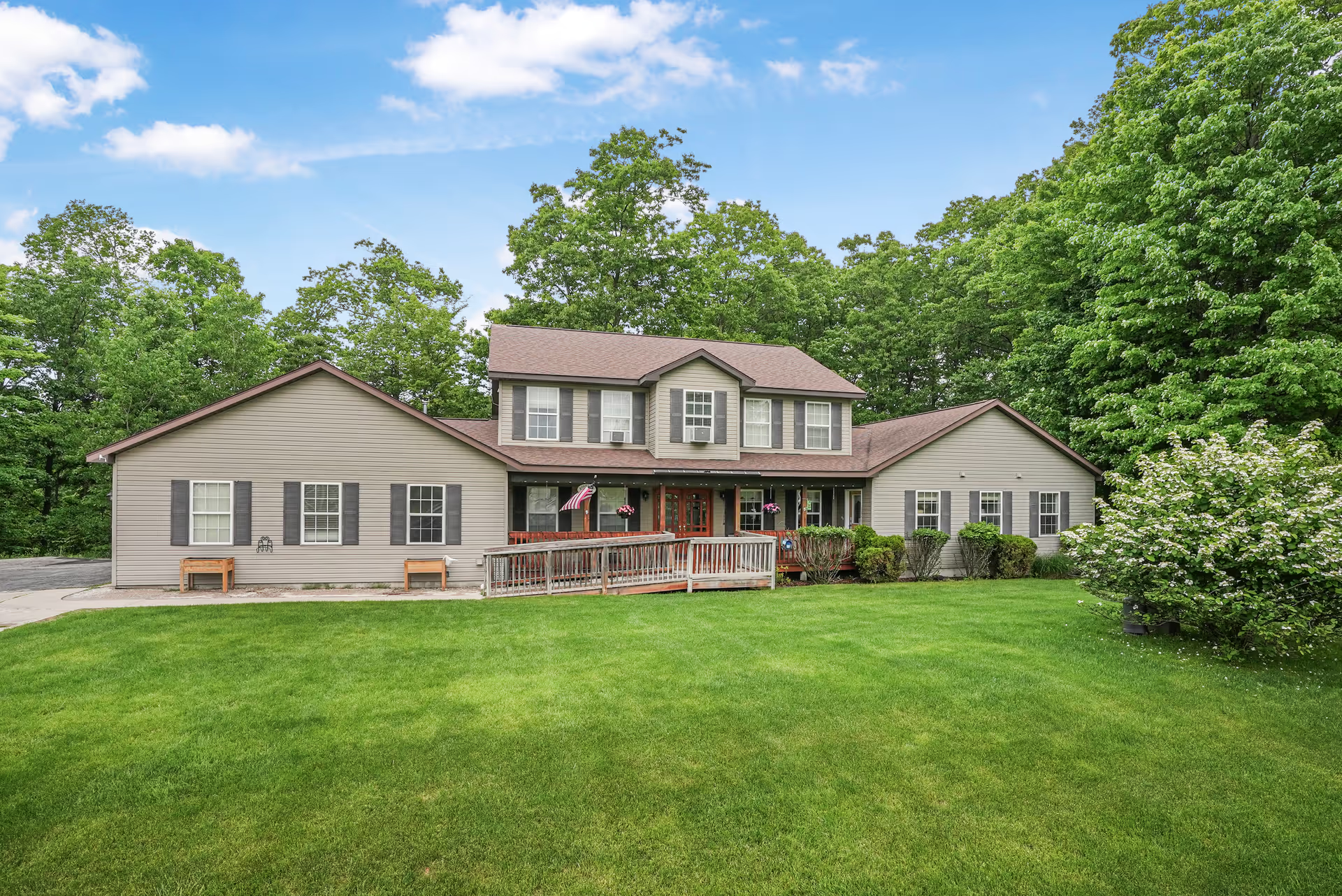
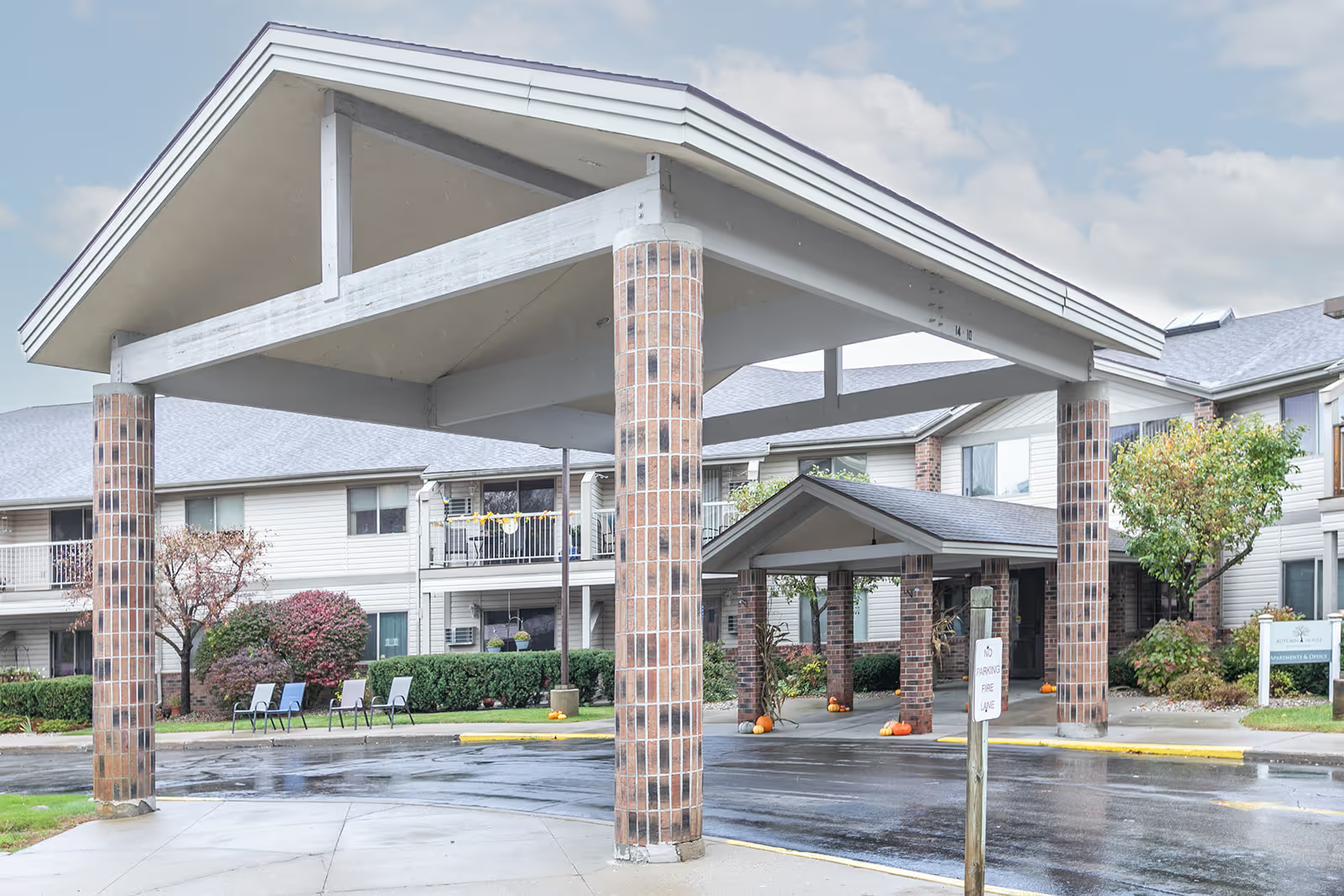
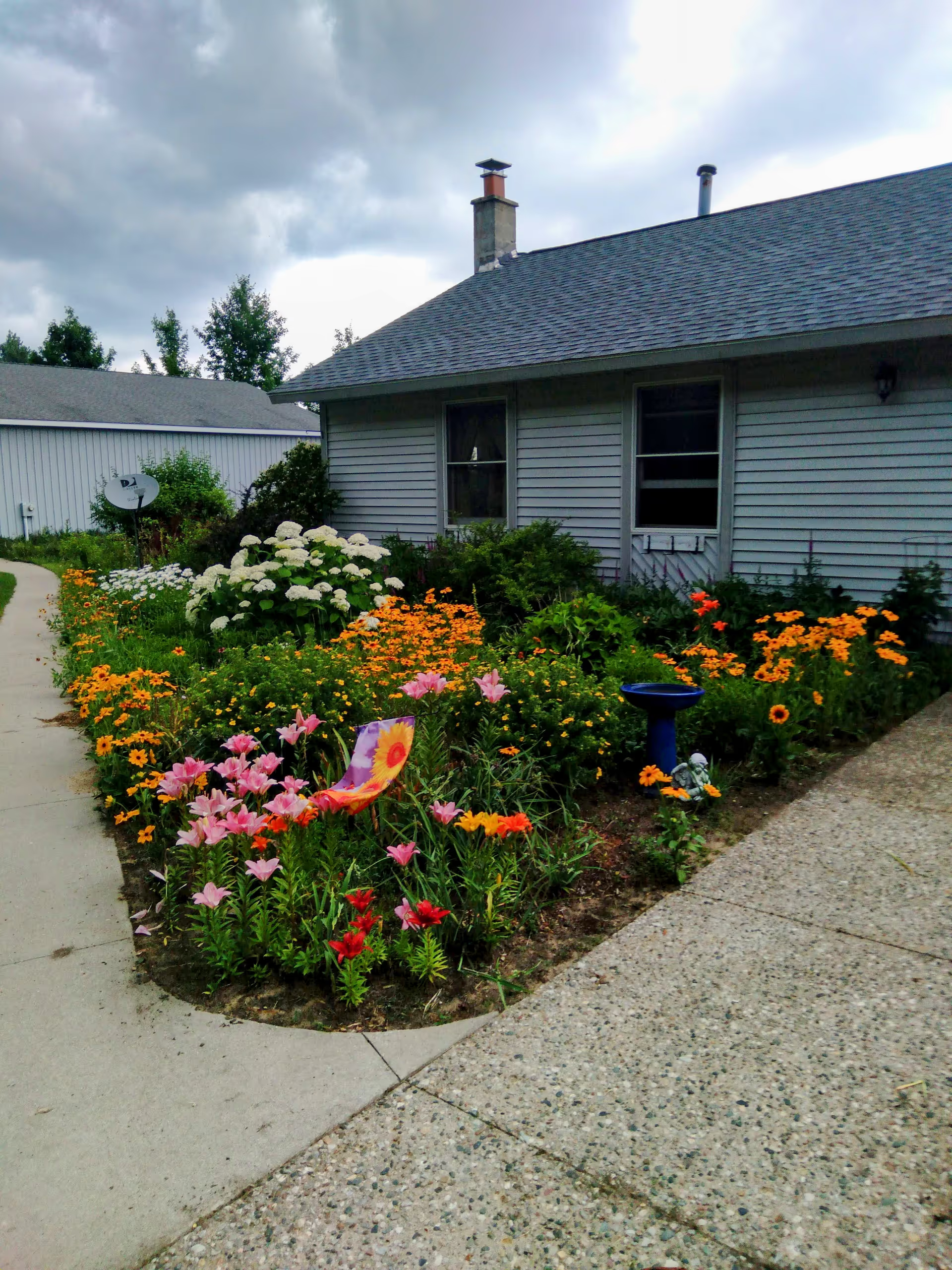
Activities and environment: Positive comments emphasize a peaceful, spacious layout and a small, household-style setting that many families found appropriate for memory or long-term care. The activity program was generally considered adequate, and the facility is described as welcoming and safe. Common-area comfort emerged as a lesser concern for some reviewers, who cited uncomfortable seating.
Facilities and cleanliness: Many reviewers praised a clean, home-like environment; however, others noted sanitation and laundry-quality issues, and delayed cleanup or maintenance responsiveness after certain incidents. These are operational sanitation and housekeeping concerns rather than pervasive claims about overall cleanliness, but they indicate inconsistency in environmental services and linen quality.
Management and pricing: Comments about management are mixed. Several families praised owners and administrators for responsiveness and integrity, while others described inconsistent administrative professionalism and expressed concern about pricing transparency, unexpected cost increases, and clarity of end-of-life charges. Some reviewers felt the facility prioritized appearance or cost control over resident-centered operations. These patterns point to the importance of clear contract terms, advance pricing disclosure, and direct conversations about end-of-life billing practices.
Notable patterns and considerations: The dominant pattern is variability — exceptional, compassionate caregiving and positive family experiences coexist with operational weaknesses tied to staffing stability, dining consistency, sanitation processes, and administrative transparency. Prospective residents and families should observe staffing levels across shifts, request sample menus and portion information, review housekeeping and linen protocols, and obtain written pricing and end-of-life billing policies. A visit during mealtime and conversations with current families or hospice partners can help verify whether the facility’s strengths align with a family’s expectations.