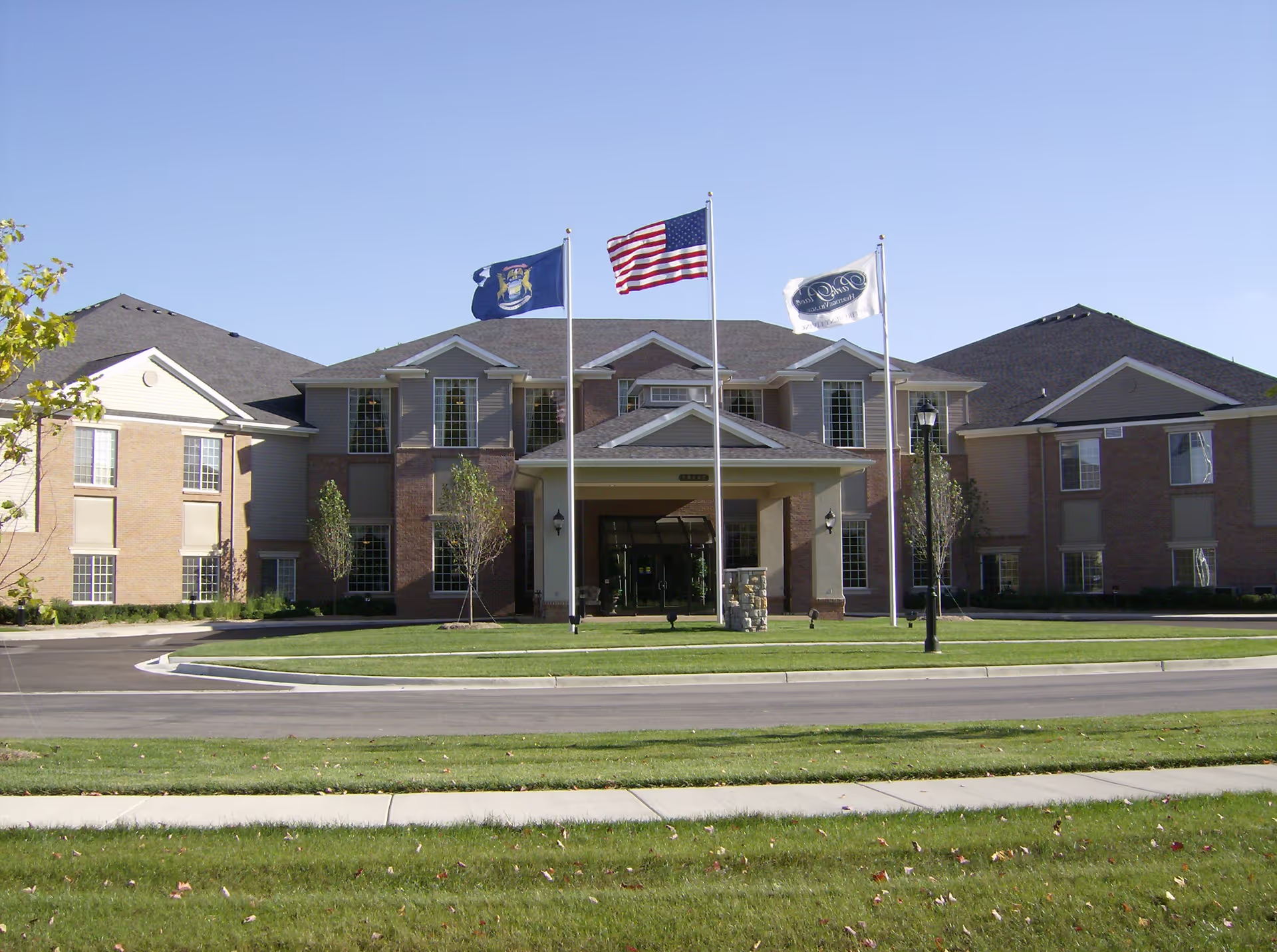
Windemere Park of Warren is a large, converted-hotel community offering independent living, assisted living, memory care, and skilled nursing and rehabilitation. Reviewers frequently praise its distinctive atrium, spacious rooms, pool, fitness area, salon, chapel, theater, and other shared amenities. The range of care options and on-site rehabilitation are appealing to families seeking services in one location. Experiences with room size and affordability differ, however: some describe good value and generous accommodations, while others find certain rooms small or costs high.
Care quality is notably mixed and appears to vary by unit, shift, and time. Residents and families describe attentive staff, effective therapy, and positive recovery experiences, while other accounts raise concerns about delayed assistance, limited staff presence, and inconsistent personal-care routines. Families also describe concerns involving clinical monitoring, medication handling, infection prevention, and timely escalation when a resident’s condition changes. These concerns arise particularly in accounts about skilled nursing and rehabilitation, while some memory-care families report attentive, respectful support and engaging programming. Prospective residents should assess the specific unit and care needs rather than relying on the building’s overall appearance or reputation.
Staff interactions are similarly variable. Many residents and families value kind, professional caregivers and name individual staff members and activity leaders as especially supportive. Other accounts describe frequent turnover, staffing gaps, and concerns about communication tone or limited supervision. Families also report difficulty reaching staff or obtaining timely follow-up from management. These contrasting experiences make it important to ask who is responsible for concerns, how coverage works across shifts, and how family updates are handled.
Dining feedback ranges from very positive to dissatisfied. Some residents praise the food and report that alternatives are offered when a meal is not preferred; others describe repetitive or poor-quality meals and difficulty meeting dietary needs. Reports also differ about access to the dining room and café, with some describing active dining and social spaces and others describing closures or meals taken back to apartments. Activity experiences are often favorable, with bingo, music, crafts, movies, exercise, and seasonal events cited as strengths. Other accounts describe reduced programming or limited variety, including fewer opportunities during periods when amenities were unavailable.
Cleanliness and building condition also receive mixed assessments. Some visitors describe the community as clean and well maintained, while others report odor concerns, inconsistent room upkeep, and sanitation concerns in particular areas. Maintenance concerns include reports of leaks, heating problems, elevator or door issues, and power interruptions. Some families also raise concerns about call-system reliability and response to urgent needs. Because accounts differ substantially across care levels and over time, an in-person visit to the relevant unit, review of current service availability, and direct discussion of staffing, response procedures, dietary accommodations, and maintenance practices may help clarify whether the community meets a prospective resident’s needs.