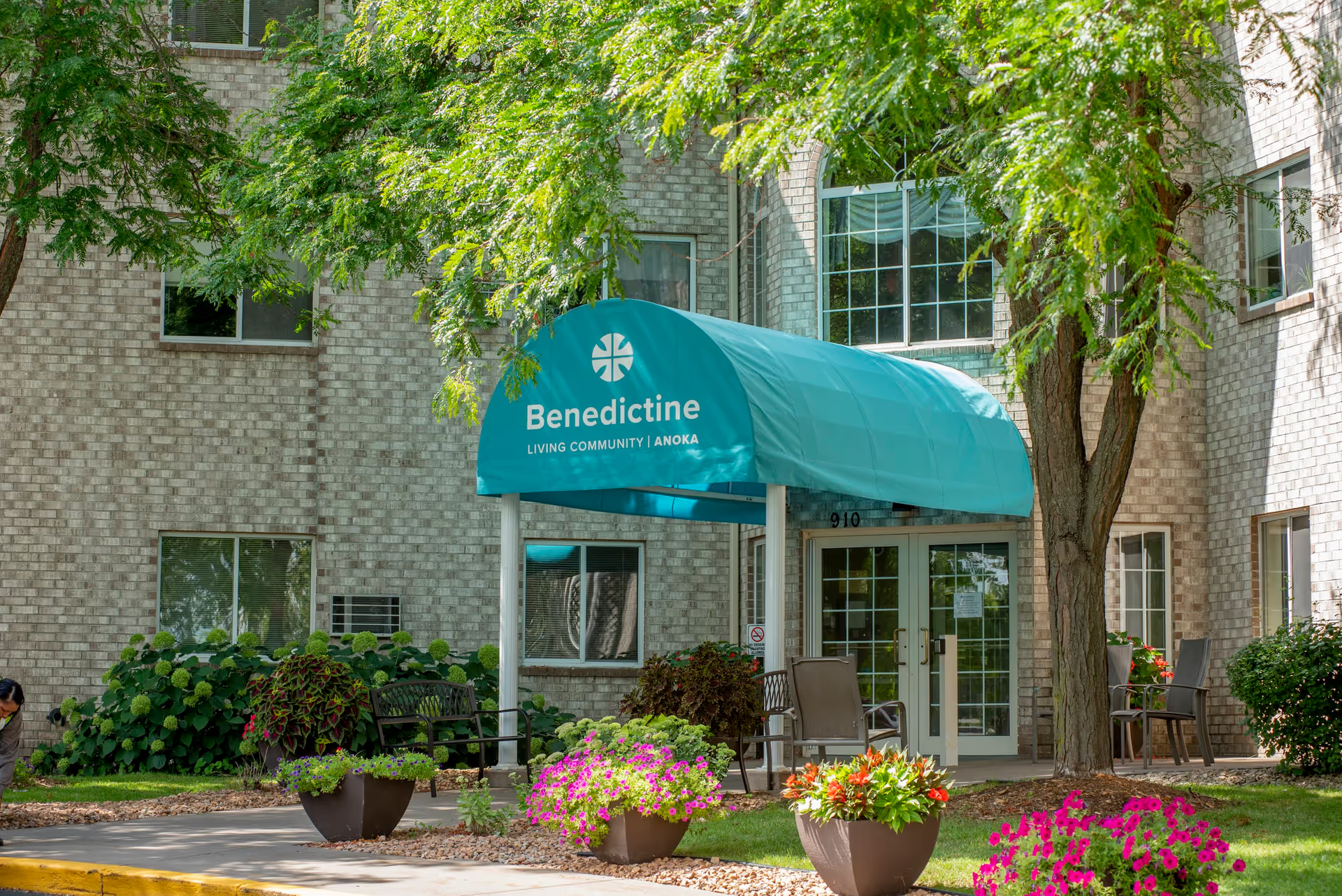
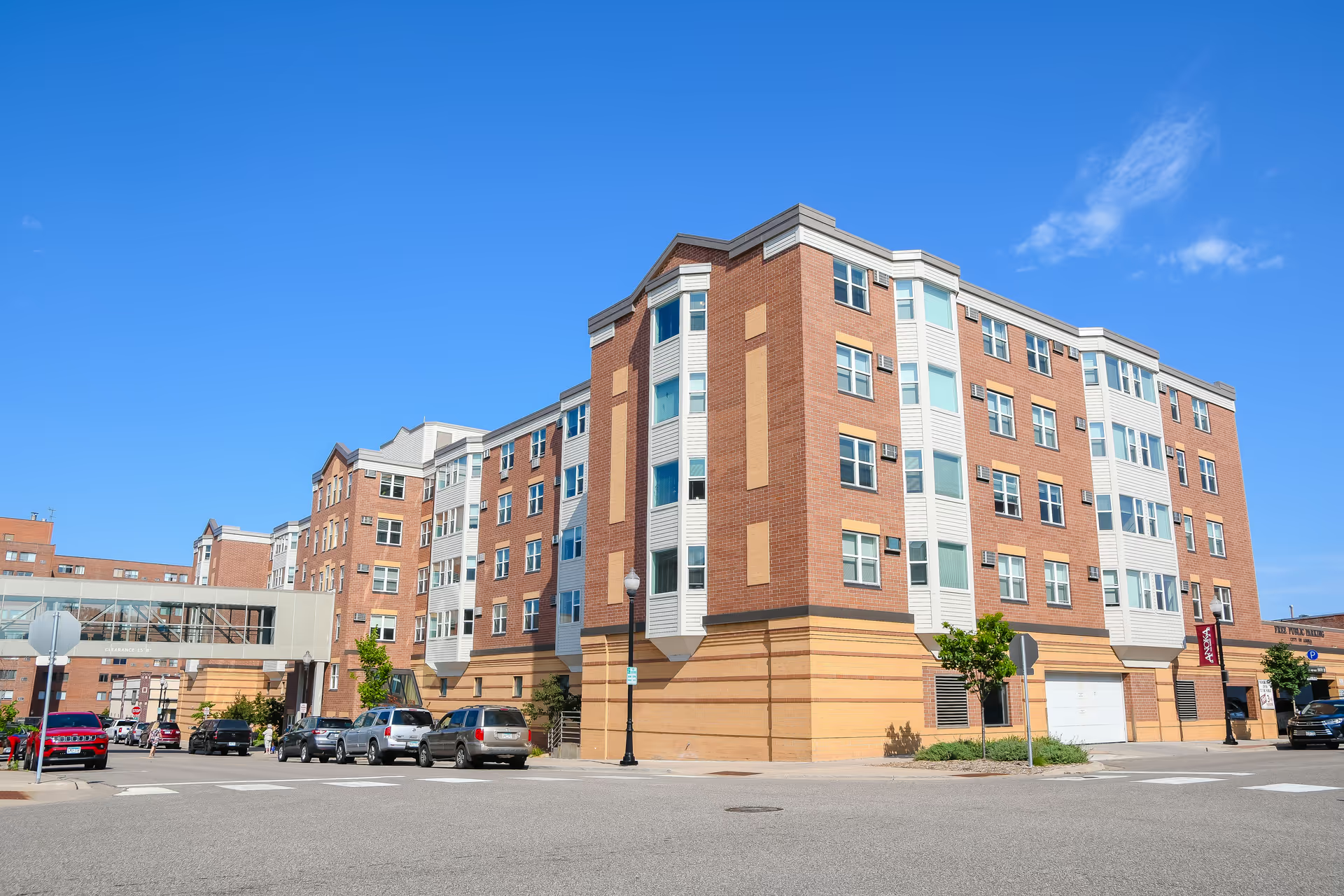
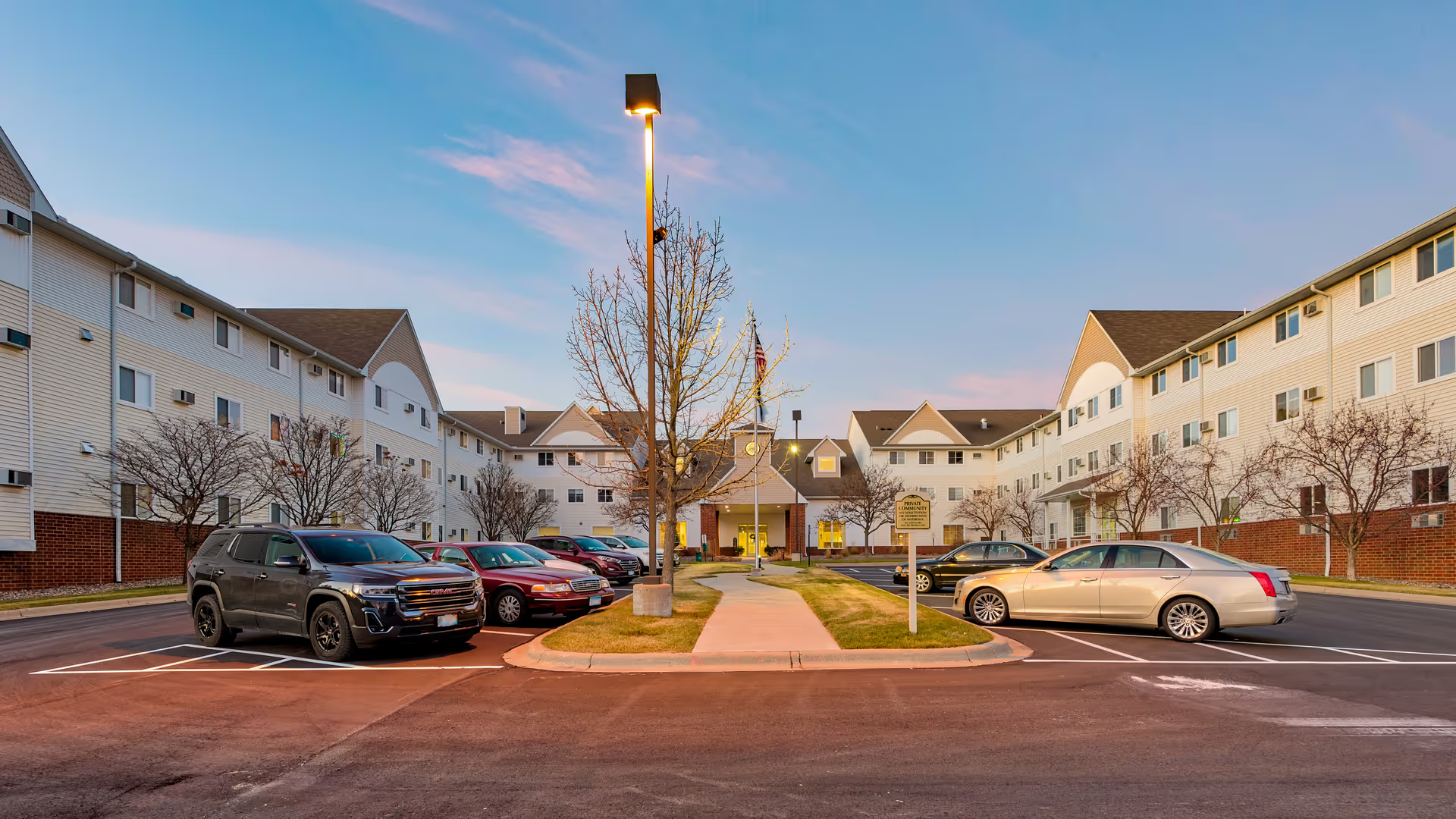
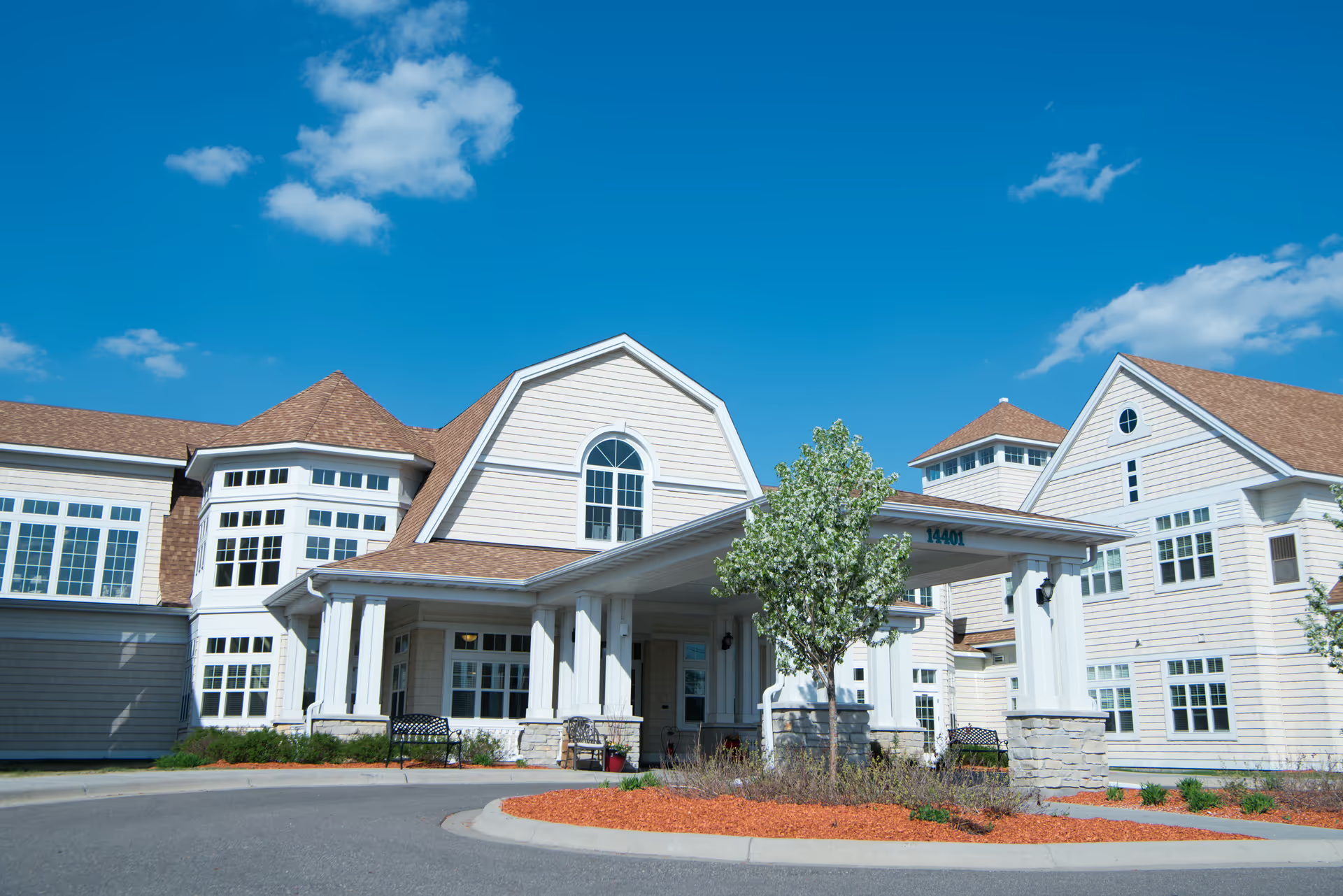
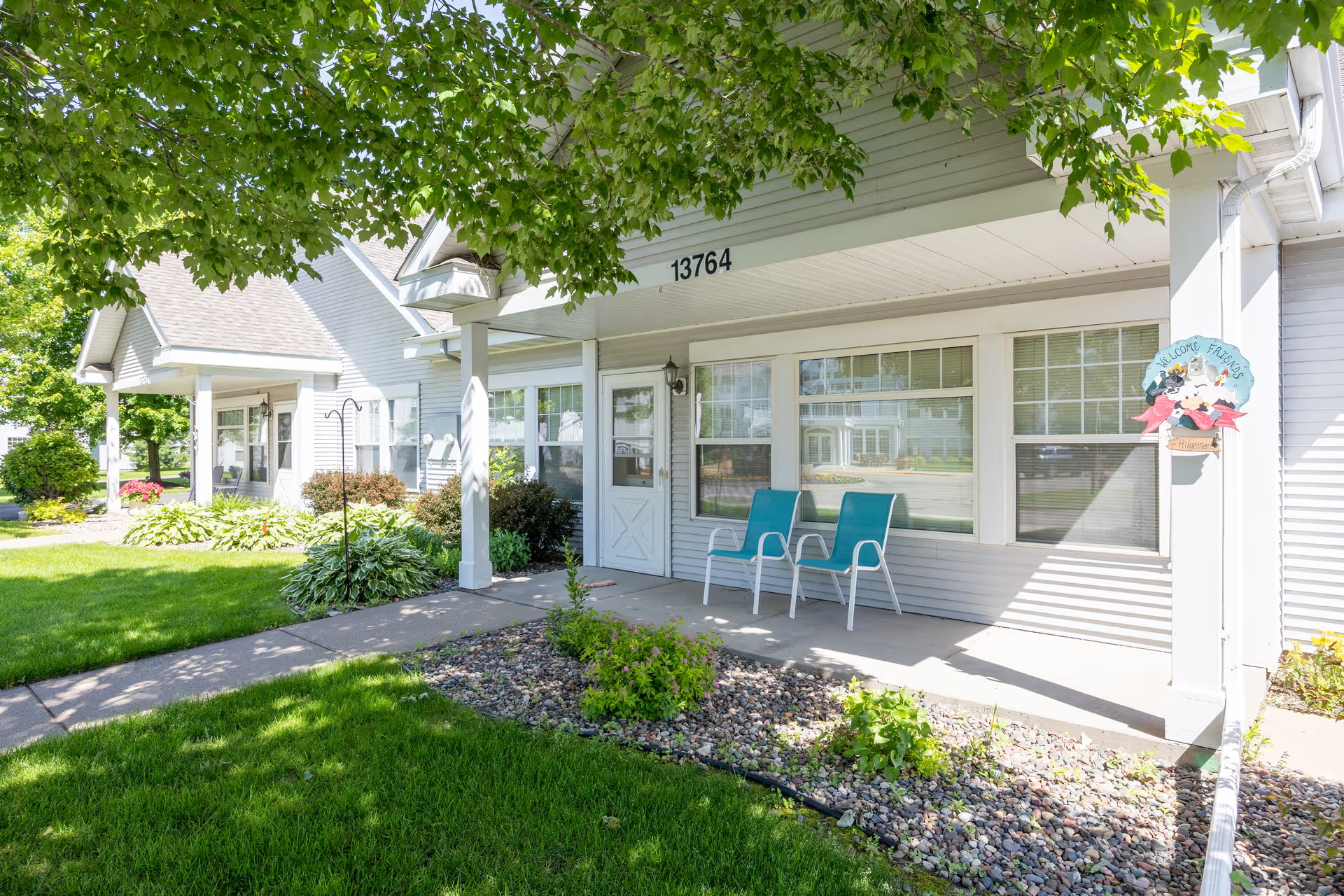
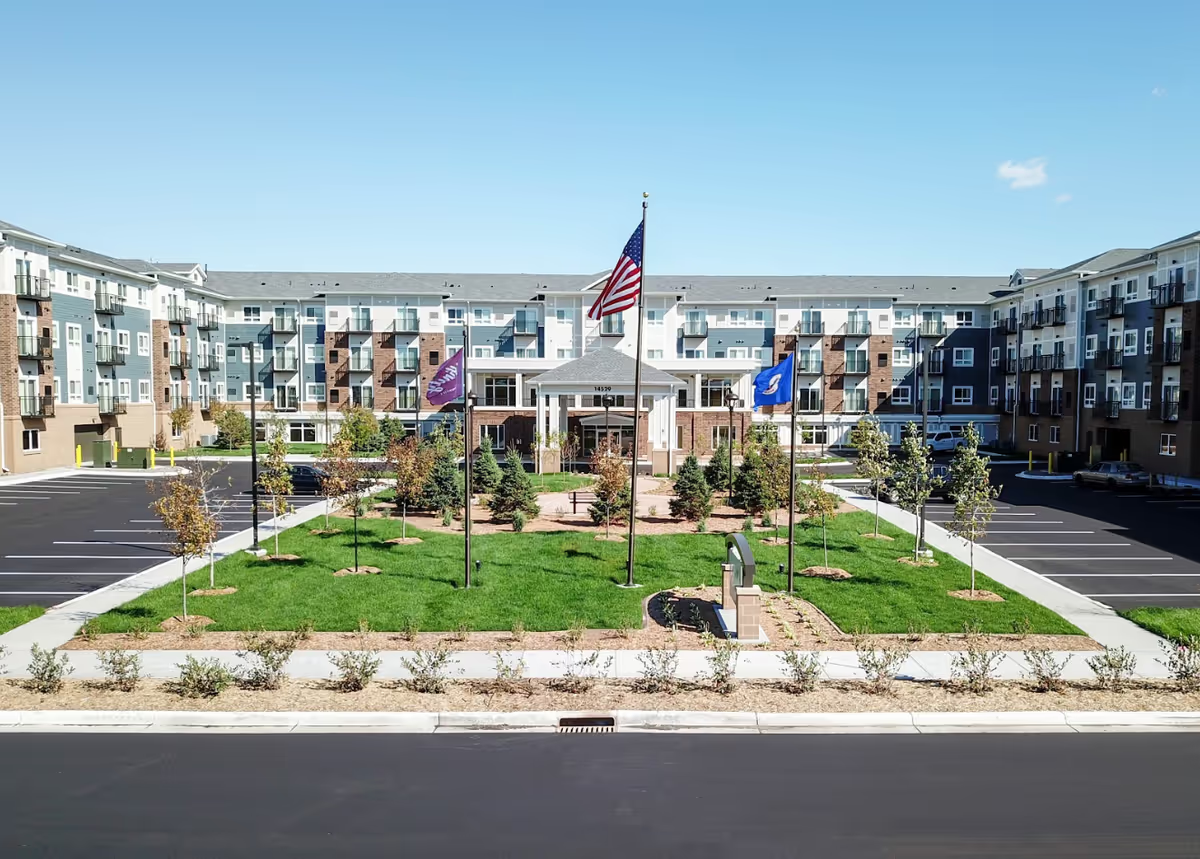
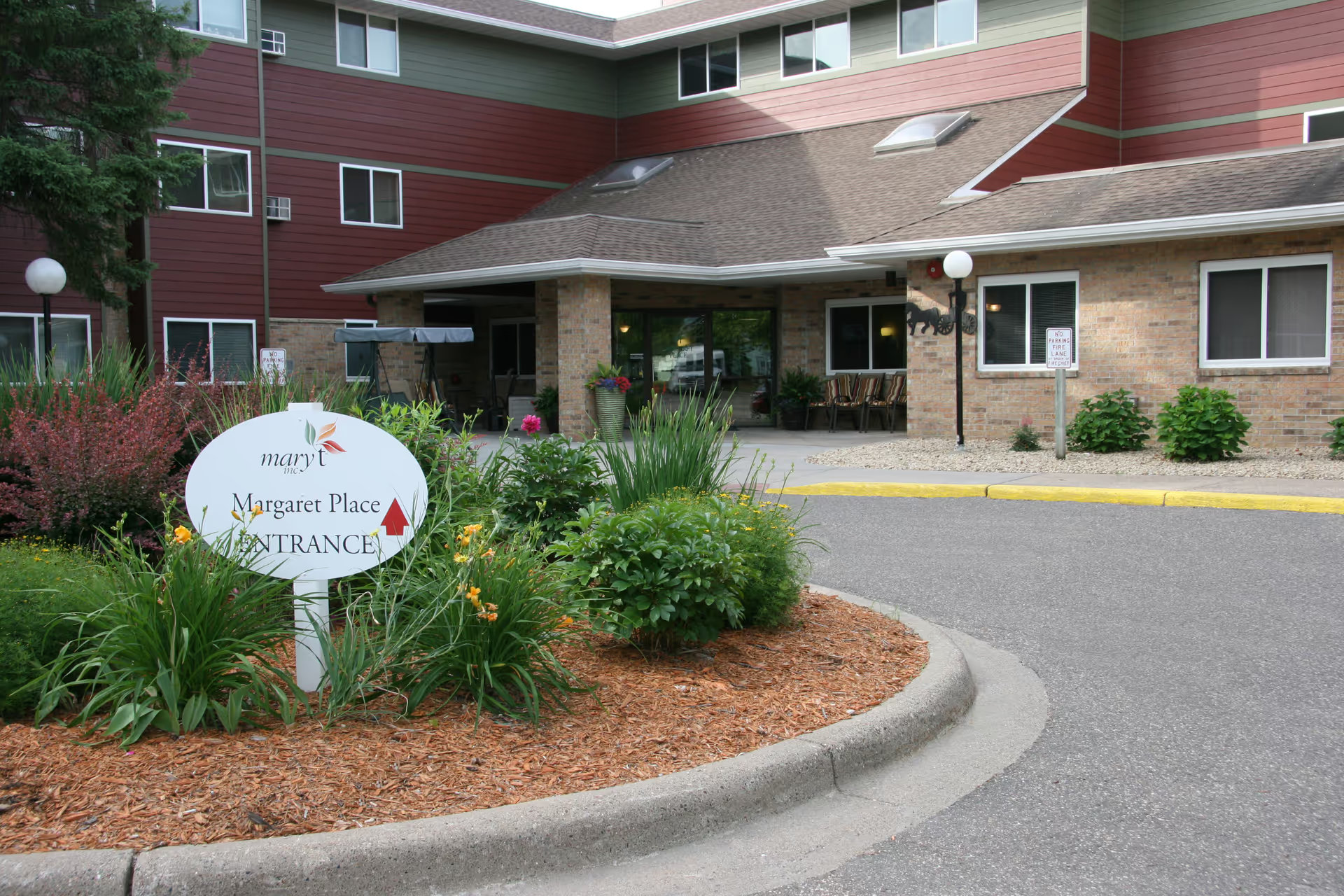
Reviews indicate a facility with several clear strengths alongside recurring operational weaknesses. The building and common areas are frequently described as new, attractive, and well maintained; the small scale produces a community-like atmosphere that many families find appealing. Activities are a consistent positive — reviewers cite an expanding program, active exercise classes, games, crafts, and stronger memory-care inclusion. Several caregivers, nurses, and managers are praised for compassionate, attentive work and for providing supportive end-of-life/hospice care.
Care quality is described as uneven. While individual staff members earn high marks for attentiveness, reviewers describe variability in caregiving consistency and clinical monitoring. Concerns include medication-management controls and gaps in attending promptly to personal care and toileting needs; these issues point to systematic inconsistencies rather than isolated incidents. Many families indicated they felt the need to remain involved and to monitor care, particularly during periods of staffing change.
Staffing and supervision emerge as a central theme. High turnover and staffing shortages are cited repeatedly and are associated with inconsistent shifts, multiple changes in nursing and kitchen personnel, and variable night-shift coverage. Relatedly, reviewers note uneven staff experience and training levels; while some teams are described as exemplary and team-oriented, others are characterized as inexperienced or performing only basic duties. Administrative visibility and availability are inconsistent — some families report prompt attention from managers and owners on site, while others describe limited follow-through and difficulty obtaining clear communication.
Dining and food service show mixed feedback. Many reviewers compliment the food and cite generous portions or helpful kitchen staff, but there are also comments about declining quality during staff transitions, limited menu variety, and a need for more resident-friendly portioning or bite-size options. The facility provides three meals daily with an all-inclusive pricing model; however, some families perceive the value as limited when service inconsistencies occur.
Facilities and admissions: the physical layout and cleanliness of common spaces are frequently noted as positives, and the community’s smaller size is seen as beneficial for personalized attention. However, a few families raised privacy concerns around in-room monitoring, and road/construction factors or unappealing room views were occasional practical drawbacks. Admissions and onboarding processes could be more transparent; reviewers indicated that some ongoing operational challenges were not fully disclosed to new families.
Bottom line: This facility offers many of the elements families seek in a small, new community — attractive spaces, robust activities, memory-care capability, and several highly committed staff members. At the same time, patterns of staffing turnover, inconsistent monitoring and communication, and variability in dining and night coverage are persistent themes that affect reliability. Prospective families should weigh the community’s strengths against these operational risks, conduct in-person visits, ask specific questions about staffing plans (especially night coverage and clinical oversight), review medication and personal-care protocols, and confirm expectations in writing before making placement decisions.