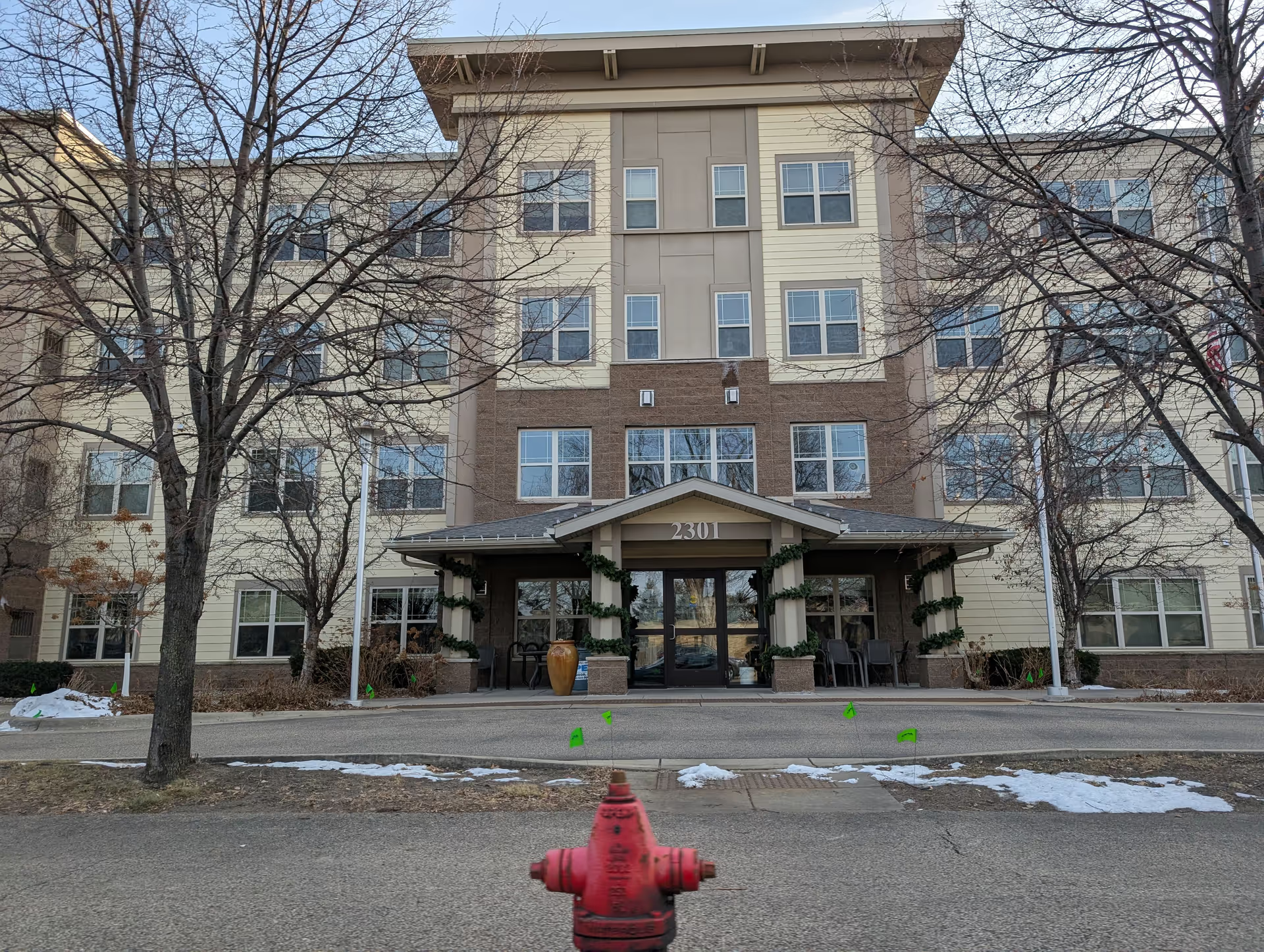
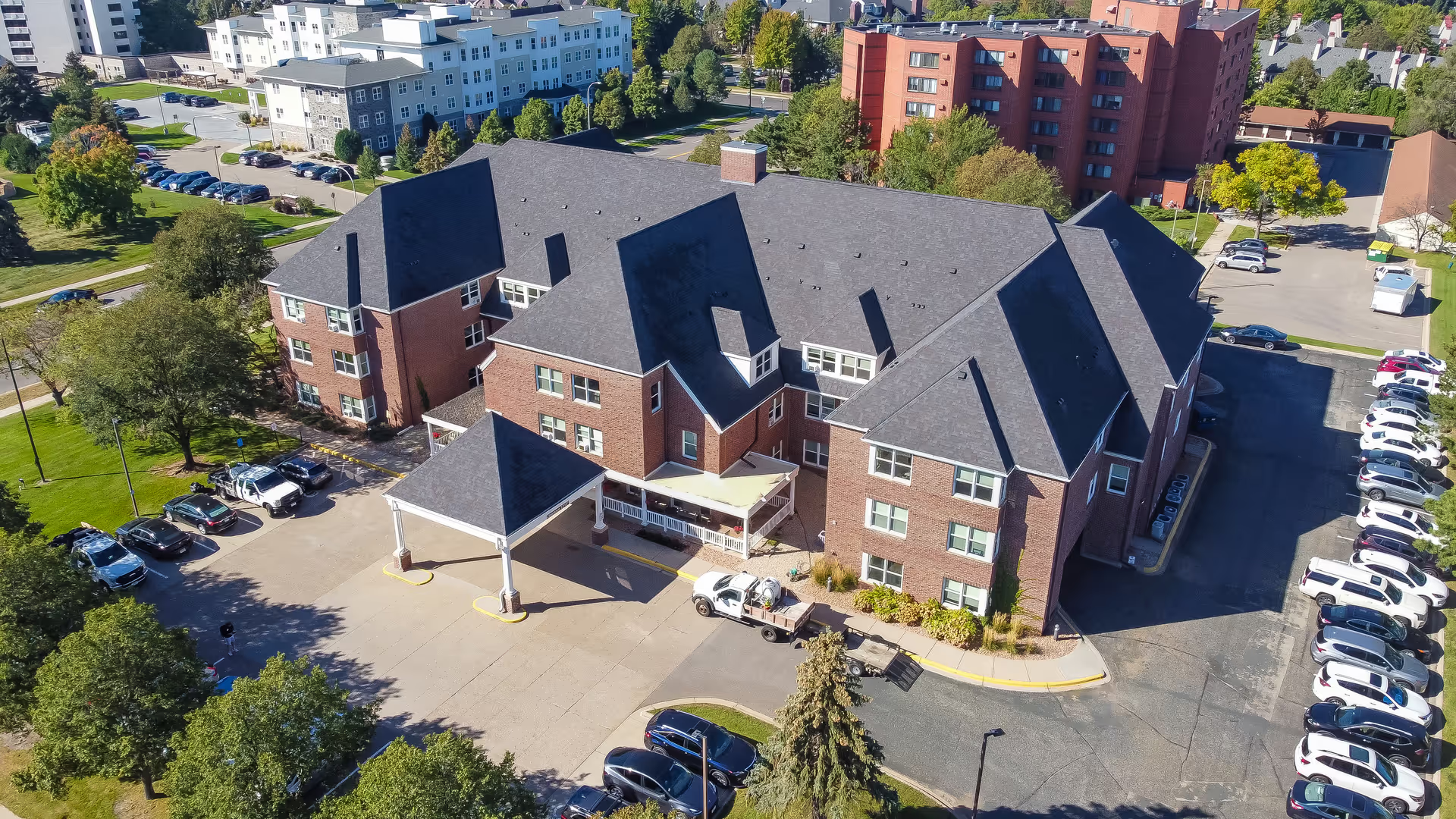
Hayden Grove presents a largely favorable physical and social environment: reviewers consistently describe a modern, attractive building with well‑kept common areas, comfortable studio layouts, and a range of on‑site amenities. Dining is a noted strength for many residents — meals are often described as nutritious, well‑prepared, and flexible in service — and inclusive pricing options that cover some meals and laundry are appreciated. The community atmosphere and activity program are repeatedly praised: there are frequent daily activities, social opportunities, and organized outings that contribute to a strong sense of camaraderie among residents.
Staff impressions are mixed. Many families and residents highlight welcoming front‑desk staff and several caregivers who are attentive and compassionate, and there are accounts of responsive, supportive interactions, including sensitive handling of end‑of‑life situations. At the same time, a clear pattern emerges of staffing instability: high turnover, vacancies, and difficulty recruiting enough qualified aides and clinical staff. That instability correlates with variability in care quality and training; some reviewers report well‑coordinated, caring support, while others cite inconsistent performance from newer or temporary staff.
Clinical and operational areas of concern center on responsiveness and communication. Multiple accounts describe long waits for call responses, difficulty reaching clinical staff, and gaps in timely incident communication with families. There are indications of inconsistent medication documentation and unclear handoffs between shifts. Management responsiveness to clinical concerns appears uneven: some families noted improvements after escalation, while others described ongoing difficulties and leadership changes that complicated follow‑up.
Housekeeping and facility maintenance show a split pattern. Common areas and overall building upkeep receive consistent positive remarks, and some reviewers note improvements after changes to cleaning services. Conversely, room‑level housekeeping and memory‑care cleaning are described as variable, with occasional sanitation concerns in specific areas. Dining continuity also shows variability: although food quality is generally praised, there are isolated operational problems such as missed or skipped meals caused by communication lapses.
Management and administration receive both praise and criticism. Several reviewers commend particular staff members and aspects of administration for being welcoming and efficient, but others point to unstable leadership, inconsistent communication with families, and administrative errors (including billing). These organizational issues appear to amplify the effects of staffing shortages and contribute to uneven experiences across residents.
Taken together, the pattern suggests Hayden Grove is strong on physical environment, dining, social programming, and individual caregiver compassion, while facing operational challenges tied to staffing, clinical responsiveness, housekeeping consistency, and administrative stability. Prospective residents and families may want to ask targeted questions about current staffing levels (including the presence of a director of nursing or equivalent clinical leader), average response times to call lights and emergencies, medication‑management procedures, housekeeping schedules for private and memory‑care rooms, meal‑service guarantees, and recent efforts to reduce turnover and improve communication. These specific inquiries can help clarify whether recent improvements reported by some families have been sustained and how the facility is addressing the identified operational weaknesses.