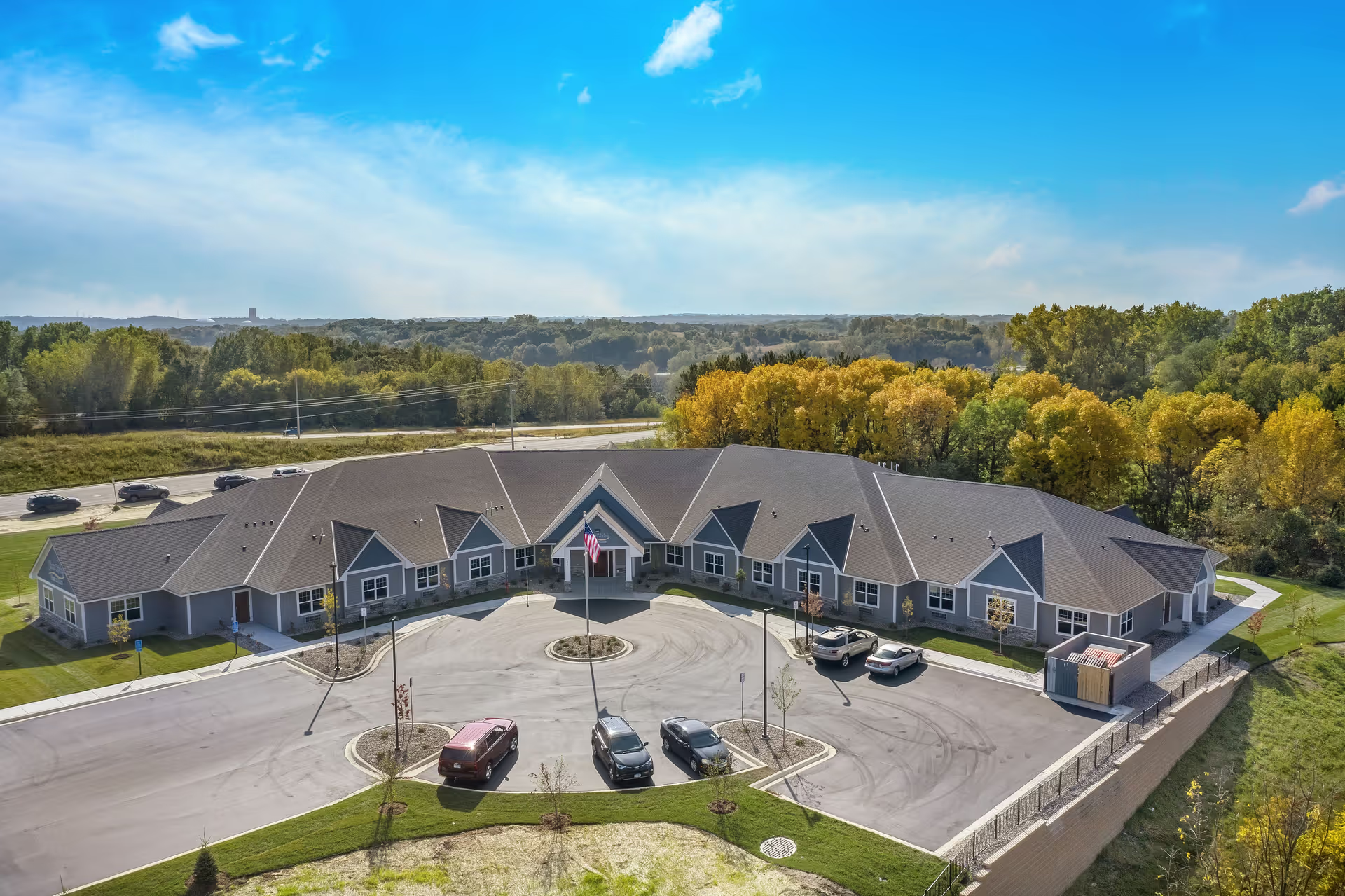
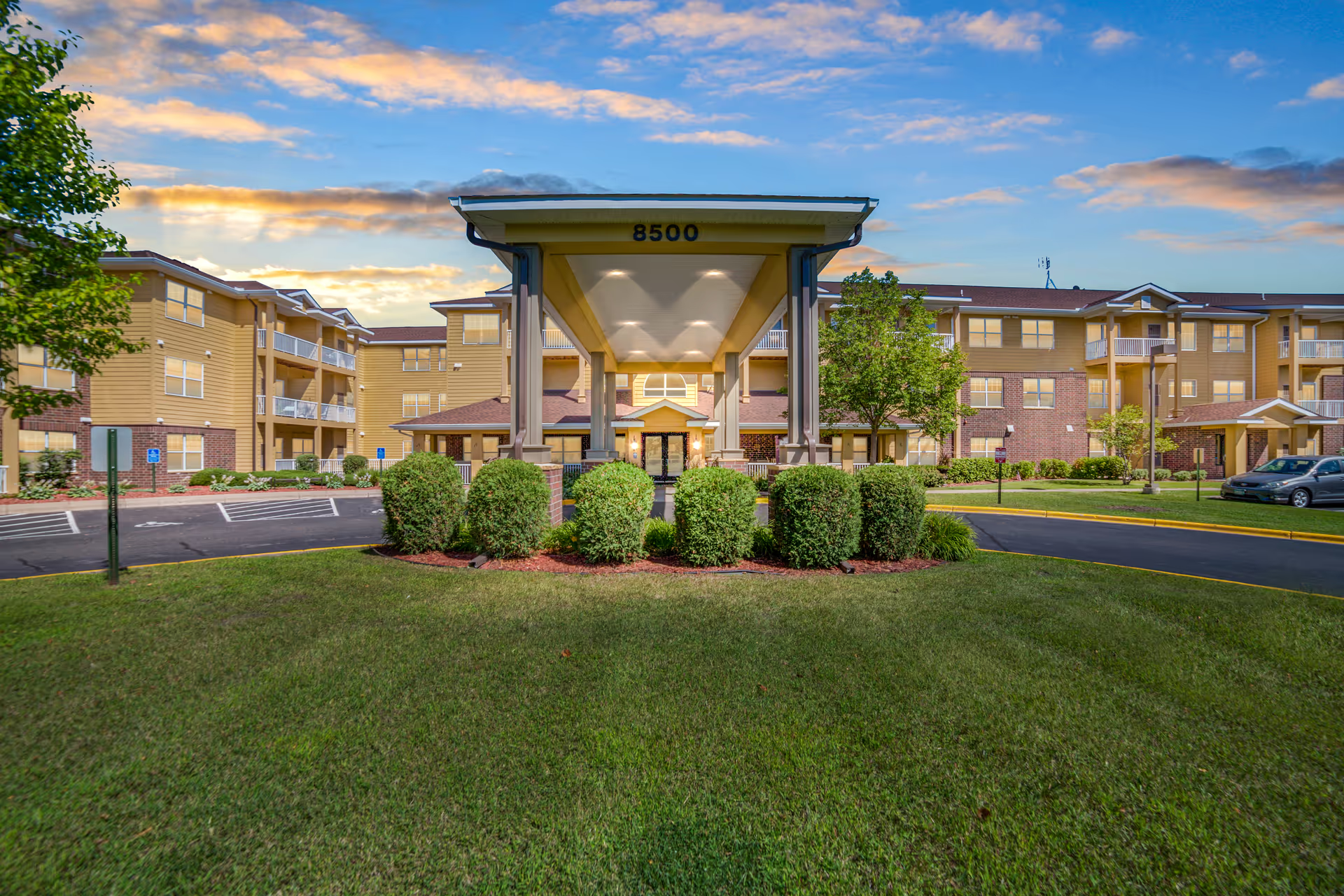
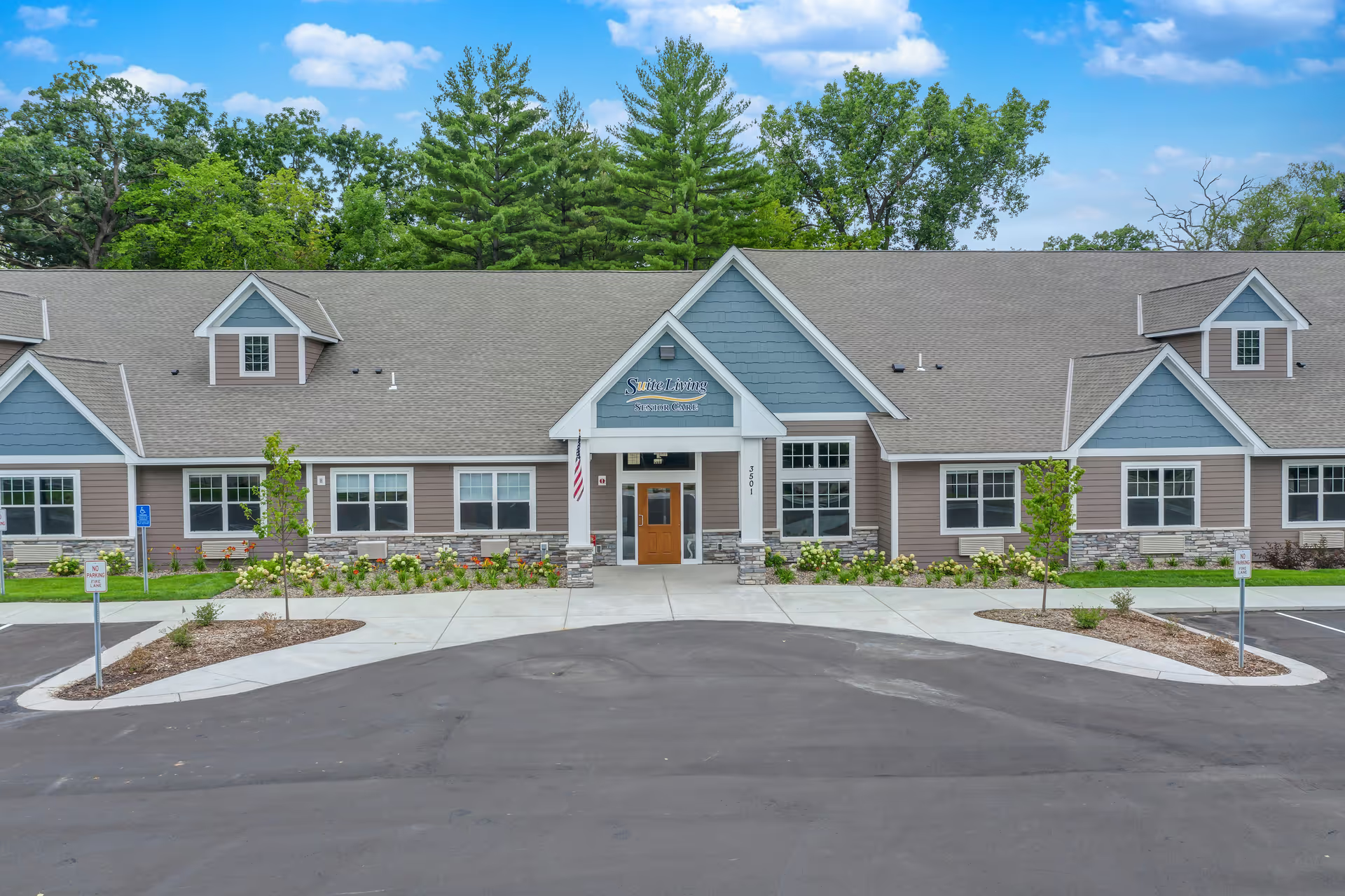
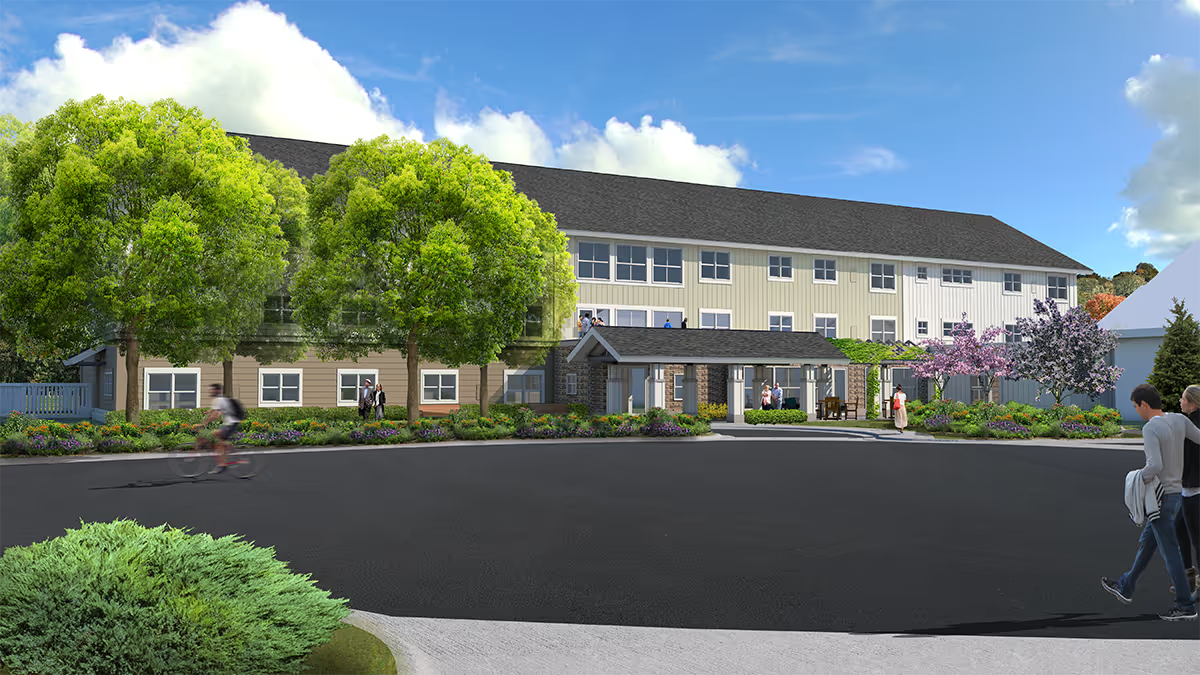
Maranatha Place elicits a mixture of strongly positive experiences and serious operational concerns. Many families praised the facility’s compassionate caregiving, an active rehabilitation team, and a social program that includes faith-based services, outings, and varied activities. Reviewers consistently describe the physical plant as bright, clean, and well maintained, with private rooms/en-suite bathrooms, attractive outdoor space, and conveniences such as a café, library, and party room. Several accounts also emphasize maintenance-free living, pet visitation, and attentive rehabilitation that supported residents’ return to greater independence.
Clinical care and therapy are a notable strength for many residents: reviewers frequently cite effective physical therapy, attentive therapists and aides, successful short-term rehab outcomes, and individualized attention from certain staff members. Dining is generally described positively, with multiple comments about acceptable meals, nutrition choices, and the ability to receive meals in-room when needed. The social program and communal amenities are likewise commonly praised for supporting resident engagement and a family-like atmosphere.
At the same time, a consistent cluster of operational weaknesses appears across accounts. The most commonly cited issues are inconsistent staff responsiveness (including slow call-light responses and limited weekend coverage), gaps in medication administration and discharge coordination, and uneven training for some direct-care tasks such as transfers. Several reviews describe delays or communication breakdowns around discharge medications and transport planning, which point to process and coordination weaknesses rather than isolated logistical errors.
Staff conduct and communication are described in polarized terms: while many families call staff compassionate and communicative, others report blunt or disrespectful tones, language barriers, and difficulty obtaining timely answers. Management responsiveness also appears inconsistent; some administrators and staff are singled out for strong advocacy and prompt action, while other accounts describe broken promises, lack of follow-up, and limited accountability. A small number of reviews raise serious individual claims about safety and clinical incident handling; these warrant direct inquiry with leadership and inspection of incident reporting and corrective-action procedures.
For prospective residents and families, the facility offers clear strengths in environment, rehabilitation services, and activity programming. However, due diligence is advisable: ask specific questions about staffing levels by shift and on weekends, medication administration protocols, discharge-planning procedures, emergency-response practices, and staff training (including transfer safety and language-support options). Visiting during different shifts, speaking with current families, and reviewing recent incident logs or quality reports can help clarify whether the operational concerns identified by some families align with your expectations for care and safety.