Overall impression: Reviews of the Ebenezer Ridges Campus are mixed, with a substantial number emphasizing a warm, activity-rich community and attentive caregivers, while other accounts describe operational inconsistencies that affect day-to-day care. Many families and residents praise the social environment, creative programming, and rehabilitative services; however, there are recurring themes about reliability of basic care tasks and clinical oversight that prospective families should consider.
Care quality and clinical oversight: Praise centers on caring nurses and therapists who provide rehabilitation, short-term therapy, and attentive end-of-life care. At the same time, reviewers described inconsistent clinical monitoring (including delayed recognition of acute illness), irregular medication timing, and gaps in follow-up after diagnostic testing. These point to uneven clinical practices: where skilled clinicians are present the care can be strong, but system-level reliability for timely clinical response and monitoring appears inconsistent.
Staff and communication: Many reviews highlight compassionate, engaged staff and relatively low turnover that supports continuity of care. Several reviewers specifically noted kind interactions, spiritual support, and staff who go beyond routine duties. Conversely, there are repeated concerns about variable staff conduct and communication tone, long call-response times, and occasional lack of responsiveness to family inquiries. Families also described problems with post-incident communication and billing interactions that undermined trust in some cases.
Personal care, sanitation, and safety: Positive comments about cleanliness and pleasant communal spaces coexist with reports of sanitation concerns and inconsistent room upkeep. Reviewers raised issues related to delays in bathing, incontinence-care management, and inventory/handling of personal-care supplies. There are also references to falls and transfer-safety worries tied to staffing patterns. Together, these observations suggest strengths in facility layout and some caregiver practices, but uneven execution of routine personal-care and environmental maintenance.
Dining and daily living: Many residents enjoy the activity schedule, arts, music, church services, and frequent outings; intergenerational programming with an onsite childcare program is repeatedly noted as a strong differentiator. Opinions on dining are mixed: some families describe good meals and variety, while others report long meal waits and variable food quality or timing problems. Meal-service continuity and timeliness appear to be an operational area that varies by unit and shift.
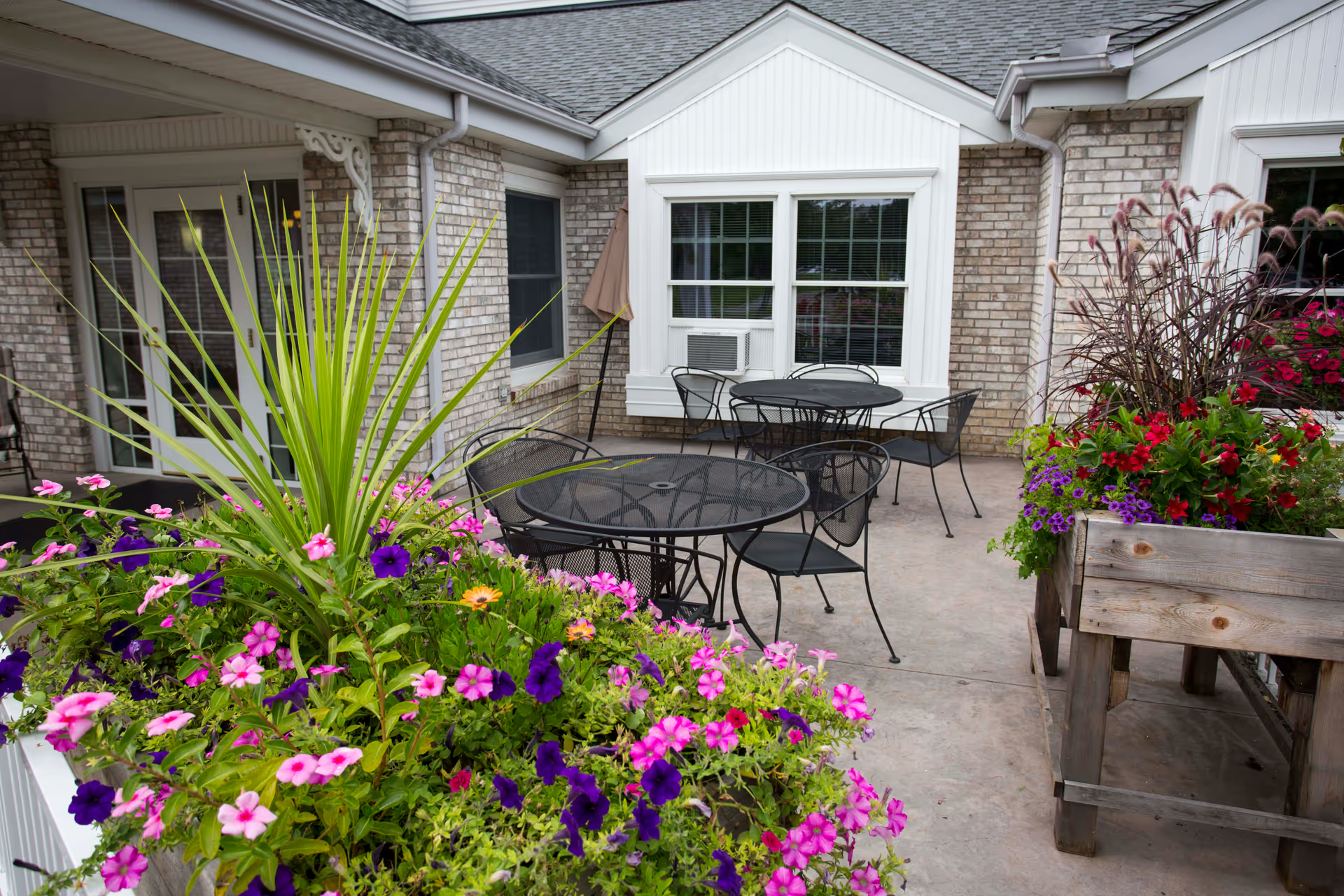
Facilities and campus: The campus itself is frequently described as attractive, connected to community resources, and conveniently located across from a hospital. Room types range from larger assisted-living apartments to smaller memory-care rooms; reviewers appreciated private apartments with kitchen facilities when available. Accessibility to nearby healthcare and a pleasant campus environment are consistent positives.
Management, safety, and compliance: Several reviews applaud engaged leadership and prompt executive follow-up in individual cases. However, there are also references to workplace-safety and regulatory concerns, as well as a serious note regarding allegations of theft and other compliance issues. These items suggest that while leadership can be responsive, prospective residents should ask managers about incident handling, security measures for valuables, staffing ratios, and any recent regulatory findings.
Guidance for families: Prospective residents and families will likely find a vibrant community with strong programming, rehabilitative resources, and many compassionate caregivers. At the same time, it is prudent to verify operational reliability before a move: ask about staffing ratios by shift, call-button response times, medication administration protocols, incontinence-care procedures, room-cleaning schedules, security for personal items, and how the facility communicates with families after clinical incidents. A pre-move visit and direct conversations with current residents and families can help clarify whether the facility’s strengths align with an individual’s care needs and safety expectations.