Aurora on France receives sharply mixed feedback, with experiences varying across the transitional care unit (TCU), assisted living, and memory care. Many residents and families praise kind, patient staff and describe attentive, individualized support. Others describe inconsistent day-to-day nursing assistance, especially when residents need timely help with call buttons, toileting, pain, or mobility. These concerns appear repeatedly in accounts involving the TCU, and several families say that care felt more reliable when relatives were present to advocate. Reports of strong care and reports of significant service gaps coexist, so prospective families may want to ask about staffing coverage, response procedures, and how concerns are escalated.
Rehabilitation is a notable strength in many accounts: residents describe helpful PT and OT, encouragement with recovery, and practical support for returning home. Other families raise concerns about therapy frequency, participation documentation, discharge decisions, and changes in service around insurance coverage. Individual accounts also describe serious medication-management and clinical follow-through concerns, including prescribed antibiotics not being continued and subsequent acute deterioration. These accounts are not independently verified, but they make it important to clarify how orders are reconciled, how clinical changes are escalated, and how families are kept informed. Concerns about falls, transfers, and assistance for residents with limited mobility also recur.
Staff experiences range from warm and professional to interactions families characterize as dismissive or poorly coordinated. Positive accounts recognize nurses, aides, therapists, social workers, and administrators for compassion and responsiveness. In contrast, families describe unanswered calls, delayed callbacks, limited updates after incidents, and insufficient follow-through on complaints. Social-work and admissions support are praised for care planning and transitions in some cases, while other accounts describe difficulty reaching staff or arranging services. End-of-life support was praised in one family’s account; a separate hospice-transition account raised concerns about the admission process and room condition.
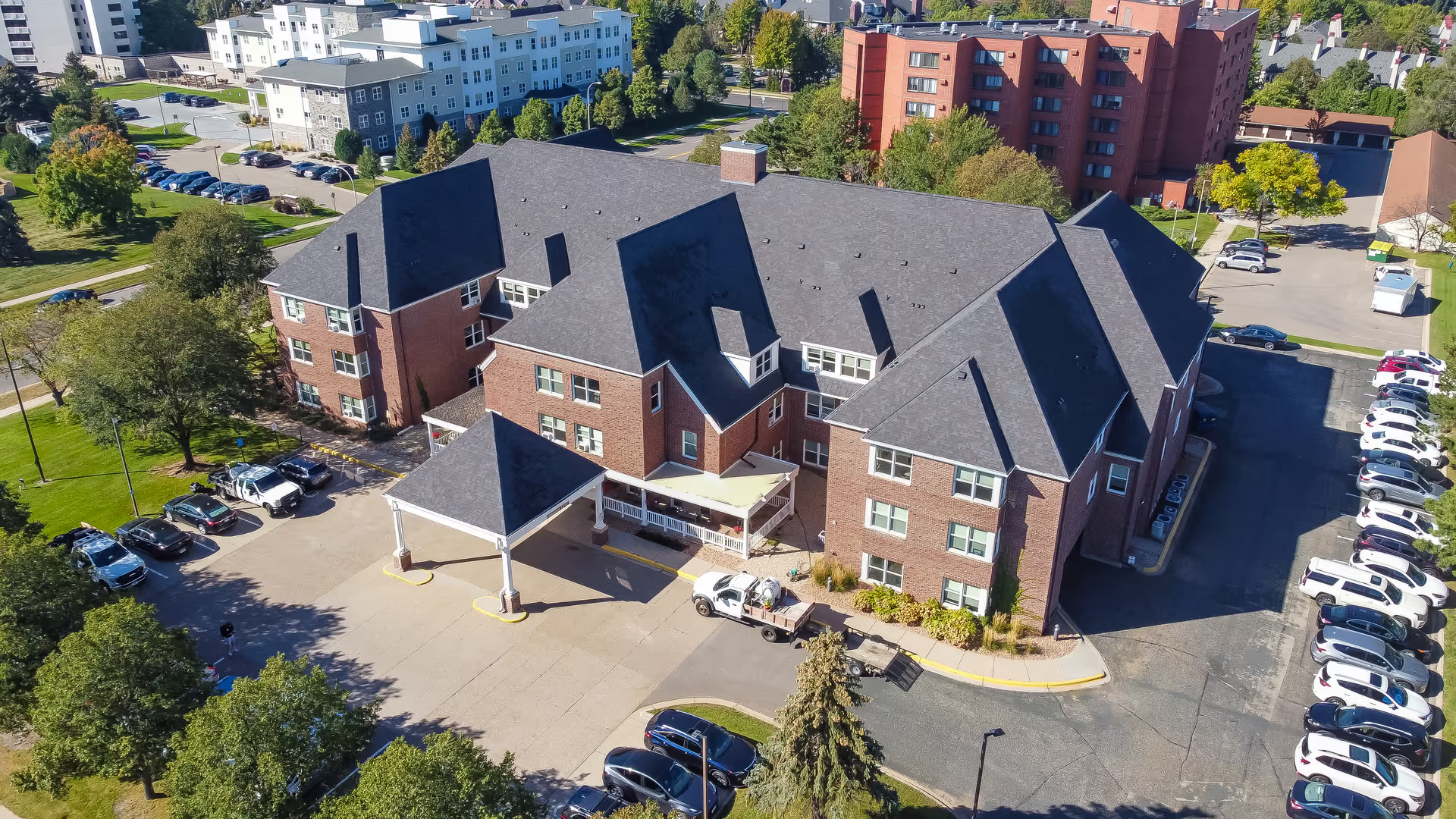
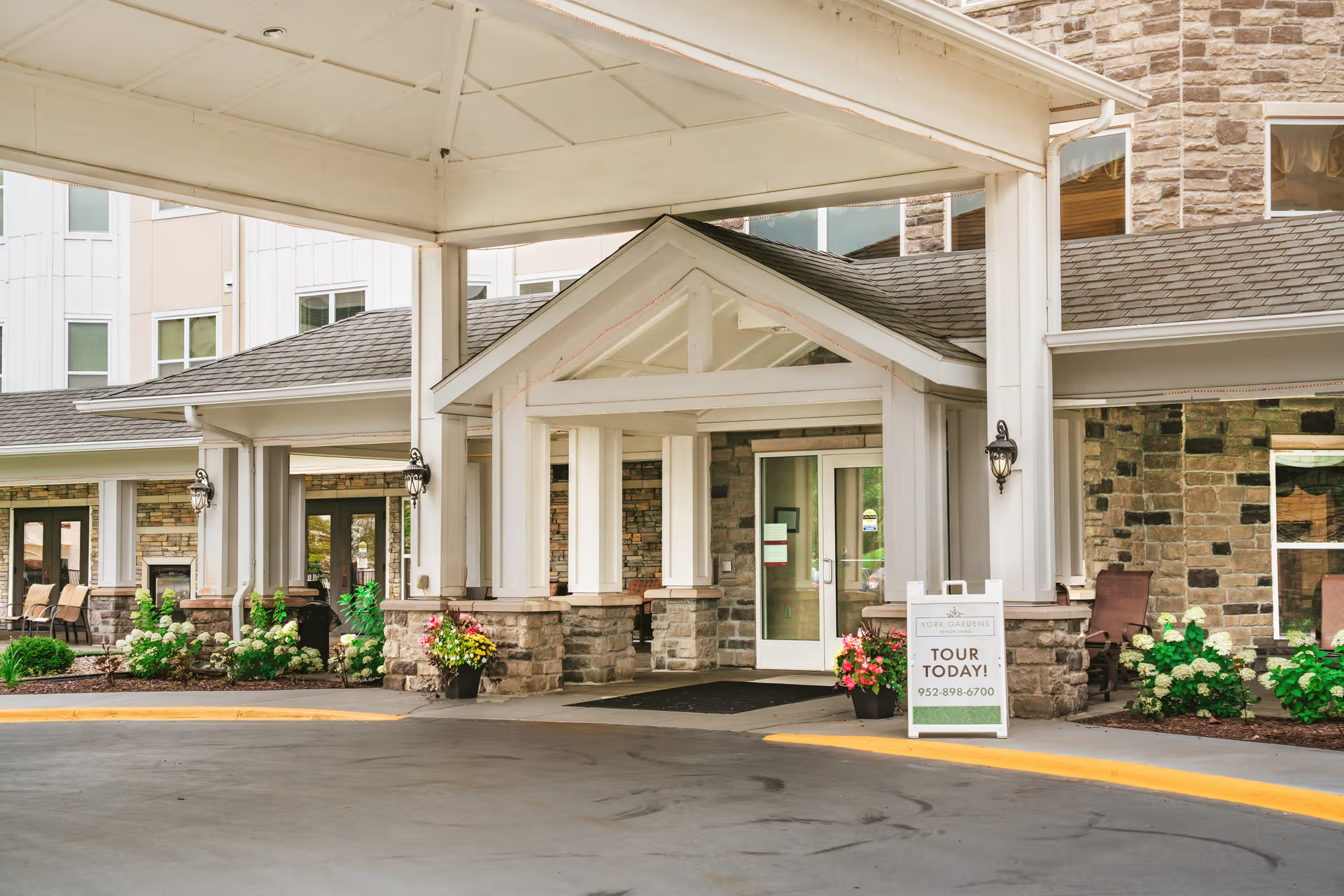
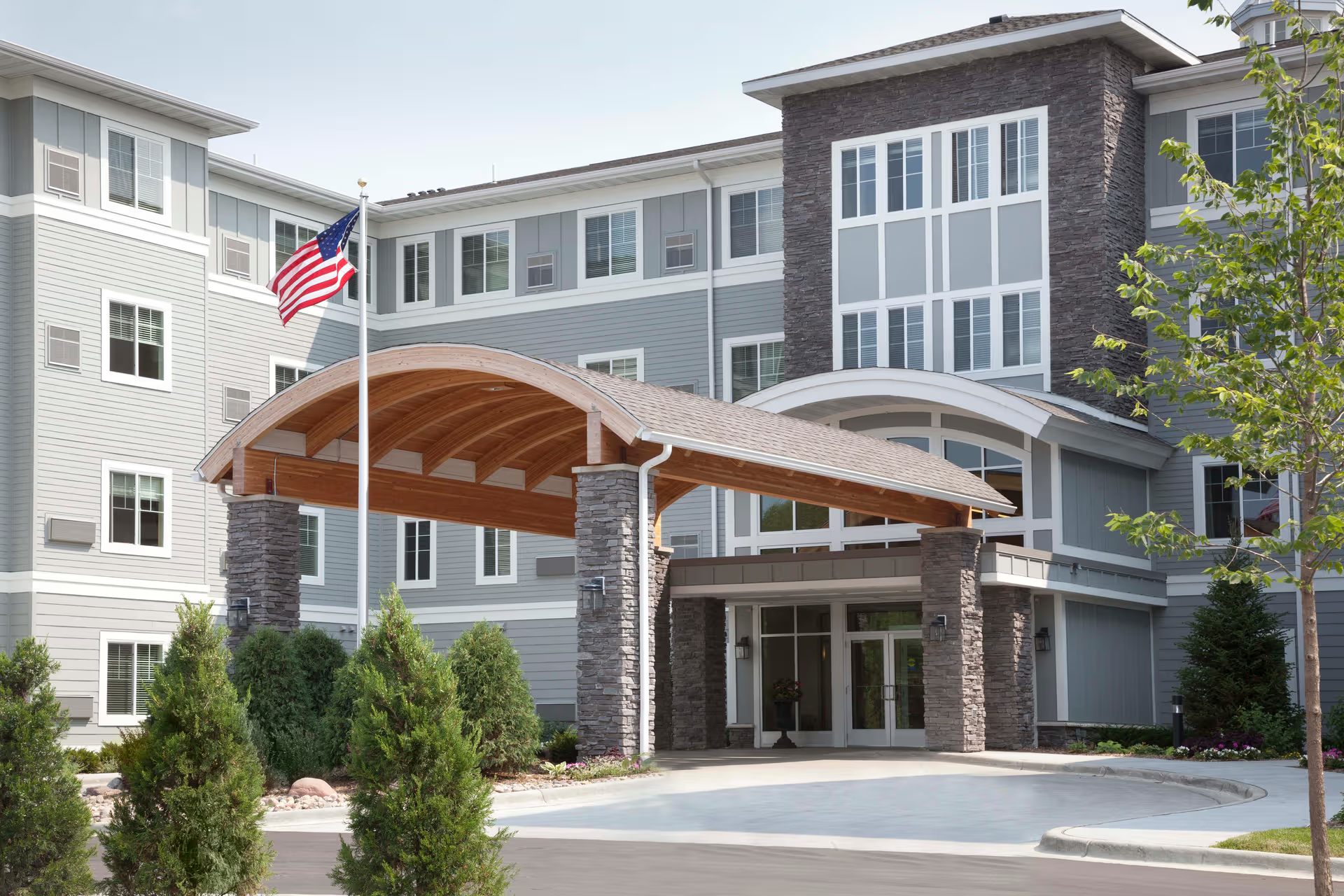
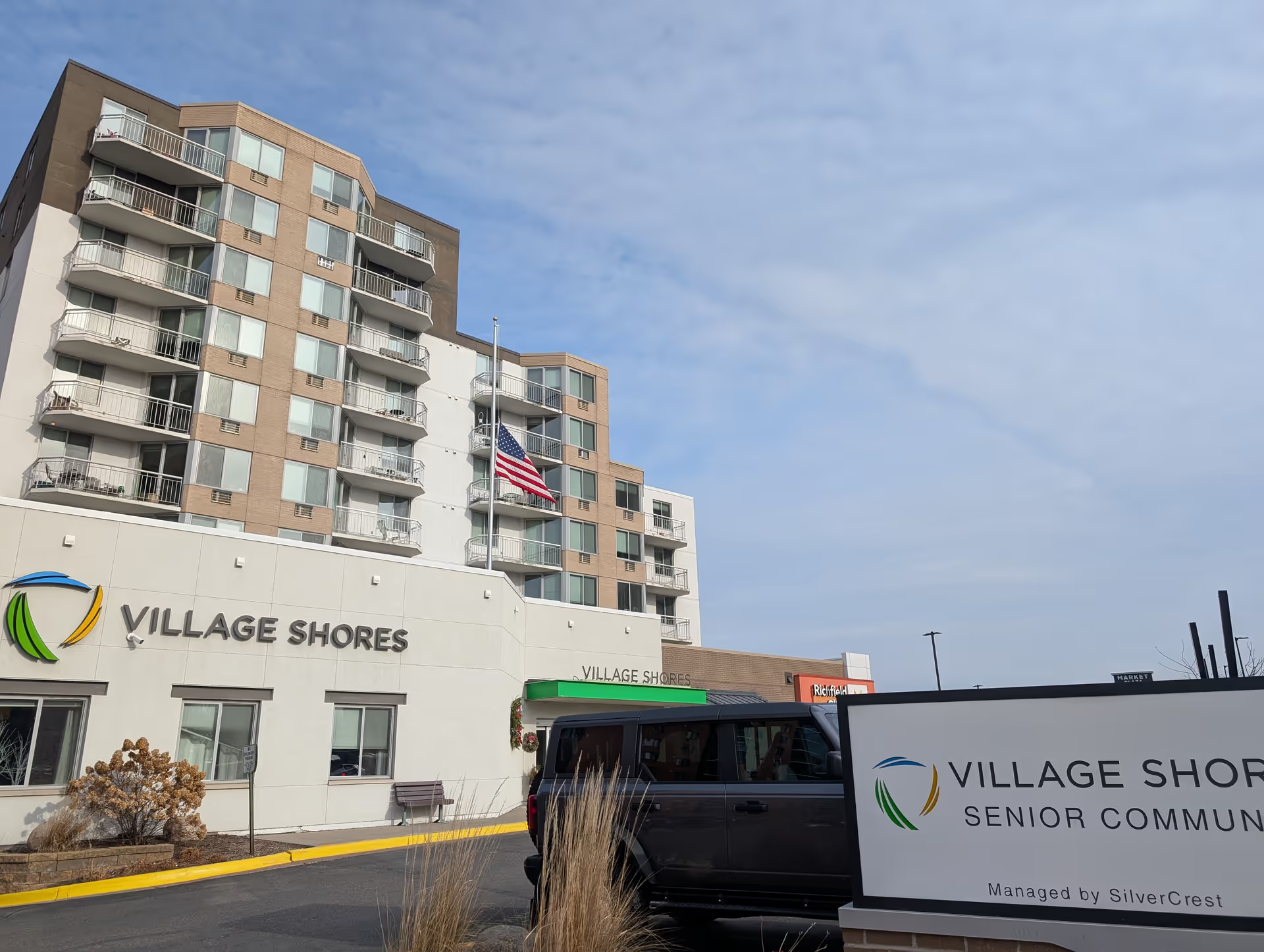
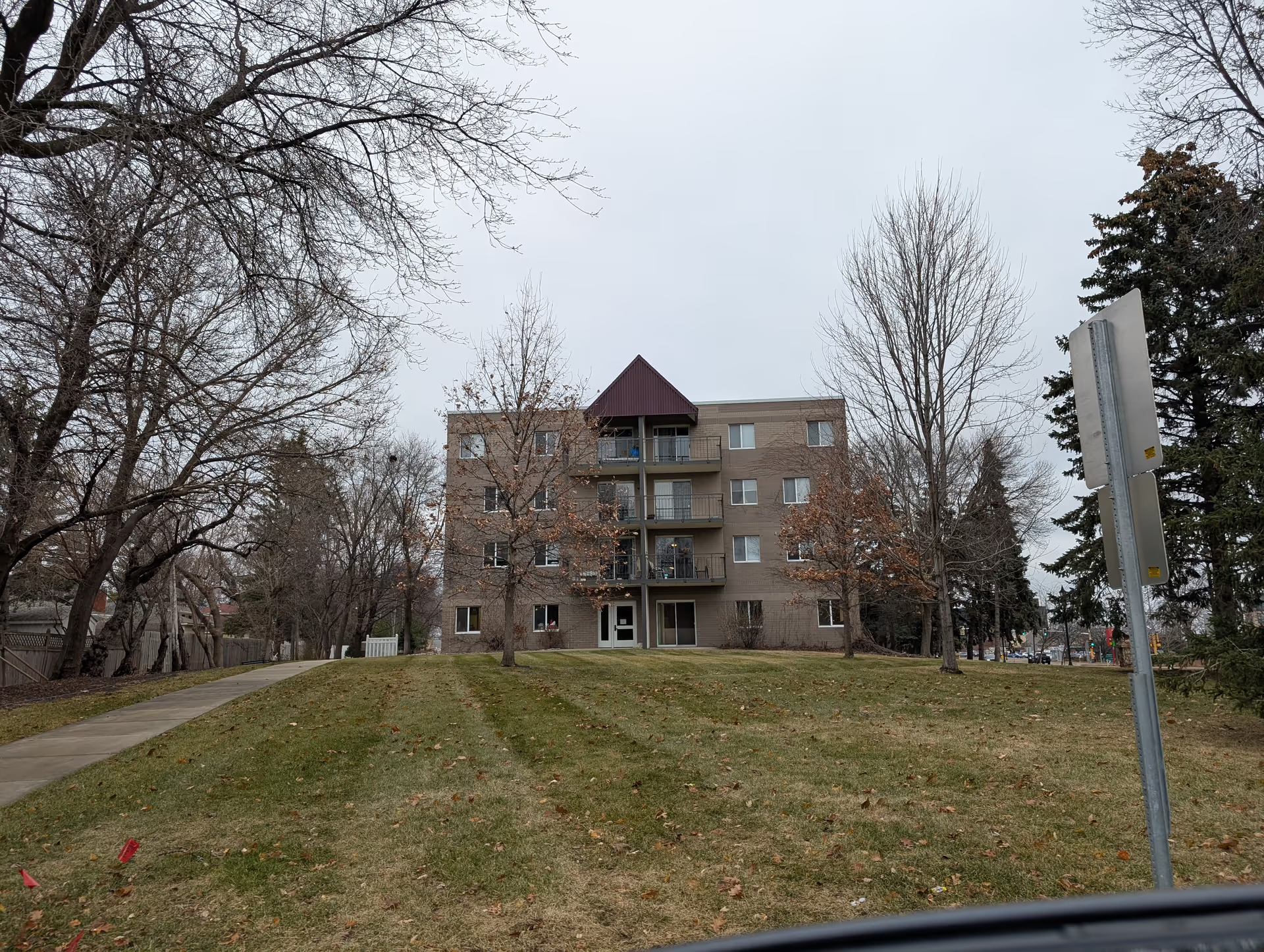
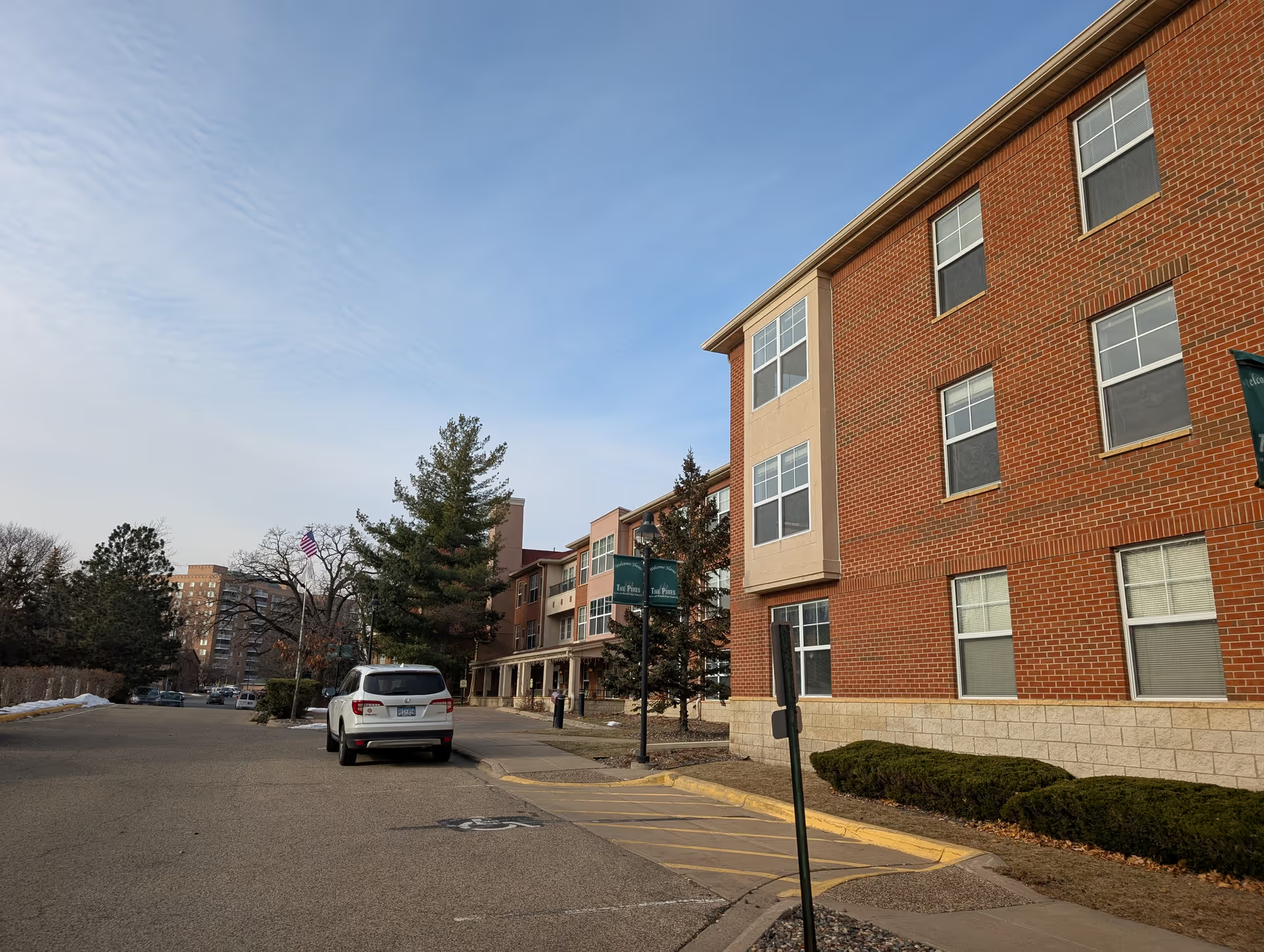
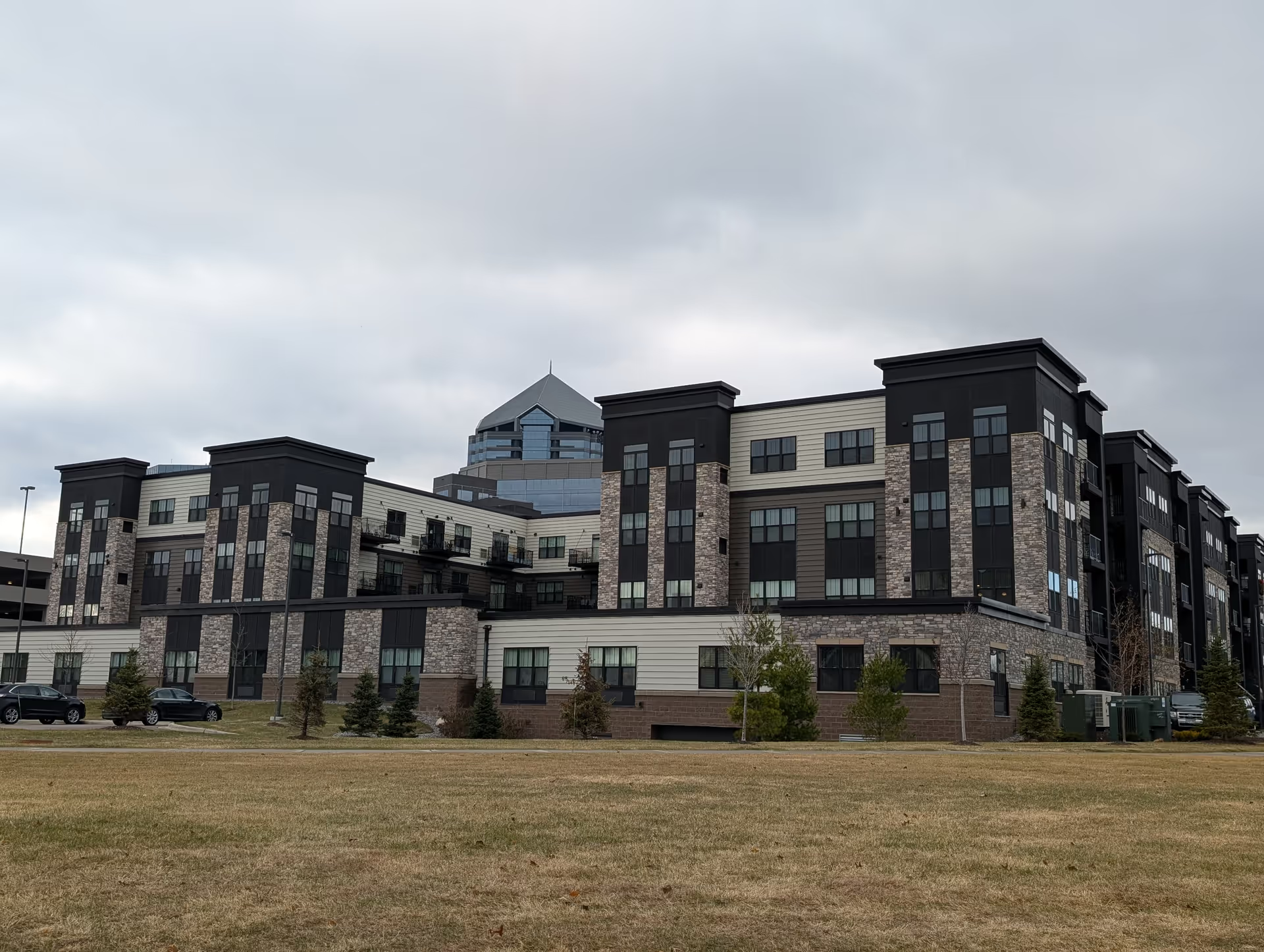
The building is commonly described as attractive, clean, spacious, and conveniently located near Fairview Southdale Hospital, with underground parking and appealing communal amenities. Residents also praise activities such as exercise, music, and bingo, and families describe positive social engagement in assisted living and memory care. Dining feedback is generally favorable, with good flavor and alternative selections noted, though one account wanted more vegetarian and fish choices. Room comfort and furnishings received isolated criticism, including concerns about seating and sound in shared rooms. Overall, the positive experiences suggest strengths in rehabilitation, amenities, and personal support, while the recurring concerns about responsiveness, safety, medication follow-through, and communication warrant careful questions and close observation when evaluating fit.