Across reviews the facility shows a clear strength in rehabilitation services but persistent operational inconsistencies that families should weigh carefully. Physical and occupational therapy are repeatedly described as effective; reviewers credit therapy staff with helping residents regain mobility and independence. Several frontline staff, including CNAs and individual nurses and therapists, are praised for compassion and hands-on care. Administrative supports such as social work, chaplaincy, volunteer activities and a friendly reception presence are commonly noted as positive elements.
Despite those strengths, staffing and day-to-day nursing operations are common areas of concern. Reviews indicate uneven staffing levels, frequent use of agency personnel, and variability in aide and nurse competence. These patterns are associated with slow call-light responses, delayed medication administration, inconsistent bathing and incontinence-care routines, and missed or delayed clinical tasks (for example wound care and feeding-tube management). Medication-management and timing issues are a recurring theme; reviewers describe circumstances that suggest gaps in medication reconciliation, recordkeeping, and timely delivery.
Dining and therapeutic nutrition receive mixed feedback. Some families report timely, hot meals and satisfactory daily menus, while others describe poor meal quality, missing items, and inadequate accommodation for specific dietary needs. Activity programming and volunteer engagement are positives for many residents, with musical programs and other events cited; however, engagement levels can vary by unit and shift.
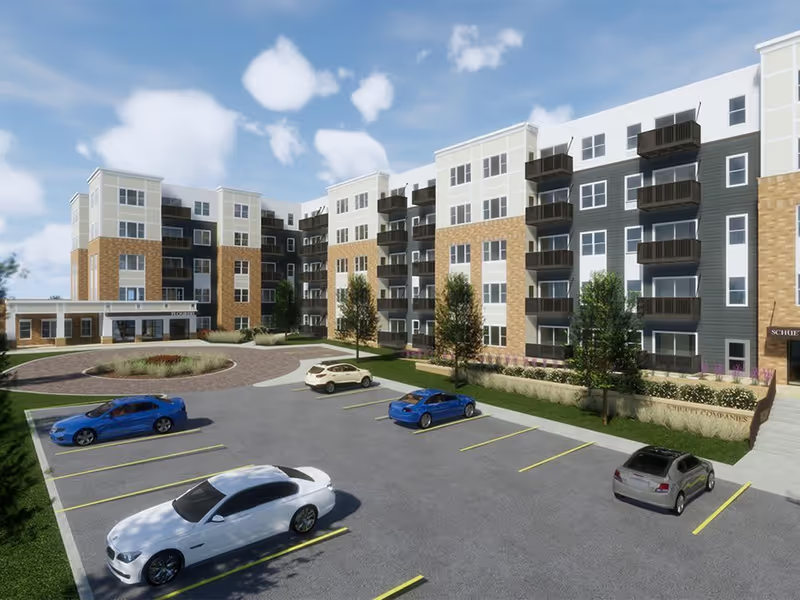
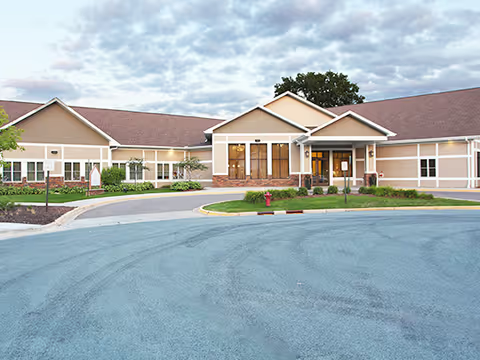
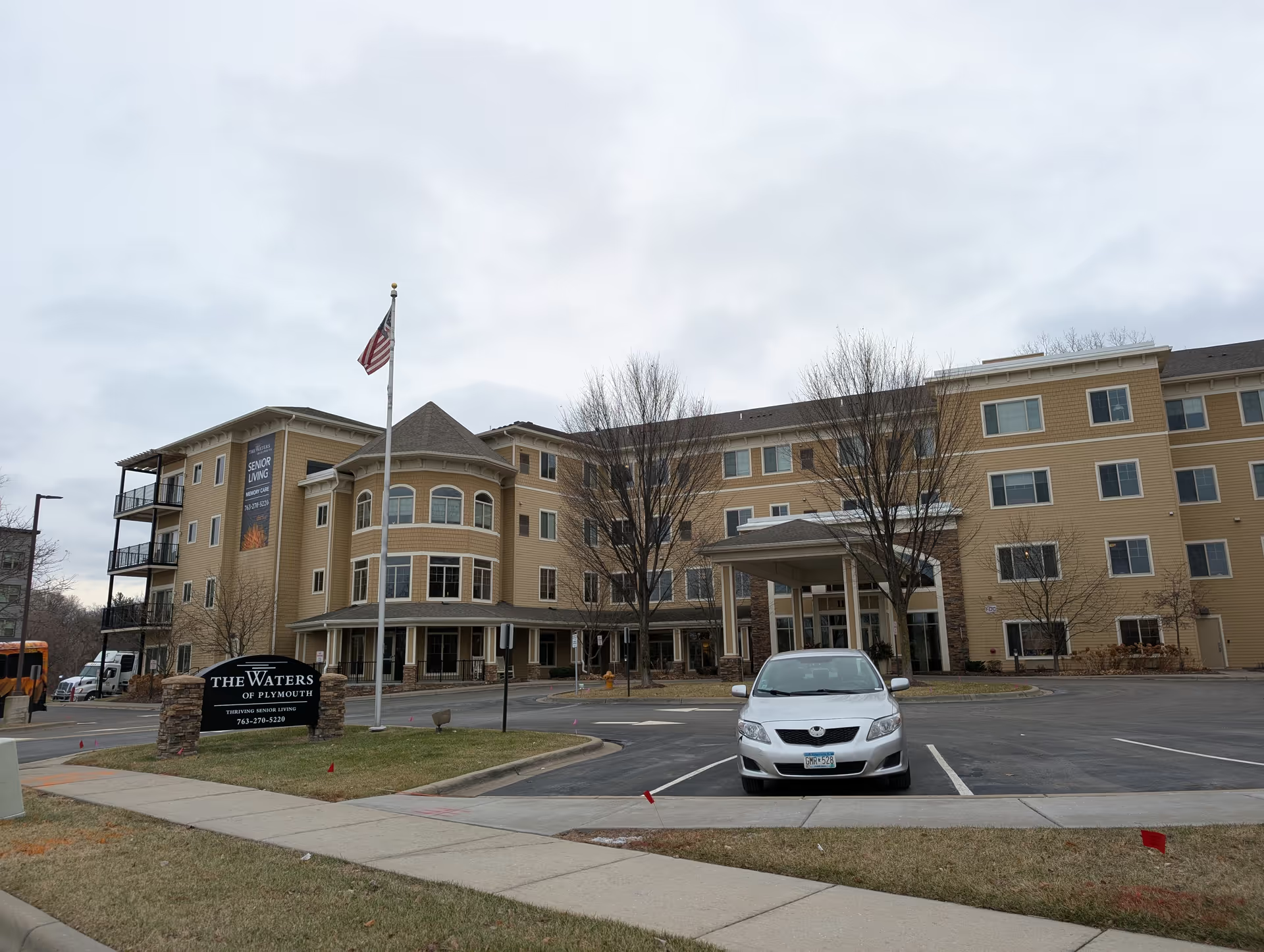
Facility condition and safety are described inconsistently across reports. Several accounts praise a clean, bright interior and maintained grounds, and note comfortable private rooms. Conversely, other accounts raise concerns about odors, temperature-control problems, broken equipment, and maintenance delays. Security and medication-control practices are also questioned in a number of accounts, with at least one review alleging unsecured medication access and other serious process lapses; these have been framed by reviewers as issues requiring immediate administrative attention.
Management and communication emerge as systemic themes. Families describe challenges with discharge planning, billing disputes, lack of timely care-plan meetings, and difficulty getting consistent answers from administrators. Some reviewers report positive interactions with individual managers or social workers, but overall there are repeated concerns about grievance resolution and responsiveness to clinical and logistical problems.
Notable patterns to consider: 1) strong and effective rehabilitation services that may make the facility a good option for short-term rehab; 2) inconsistent nursing and aide care tied to staffing variability and reliance on temporary staff; 3) recurring medication and clinical-management issues that warrant close monitoring; and 4) mixed facility and dining experiences that appear to differ by unit and shift. Prospective residents and families should verify current staffing ratios, medication-safety protocols, infection-control and sanitation practices, how dietary needs are accommodated, and how grievances are handled. Active family advocacy, confirmed care-plan meetings, and early communication with therapy and nursing leadership are advisable if choosing this facility.