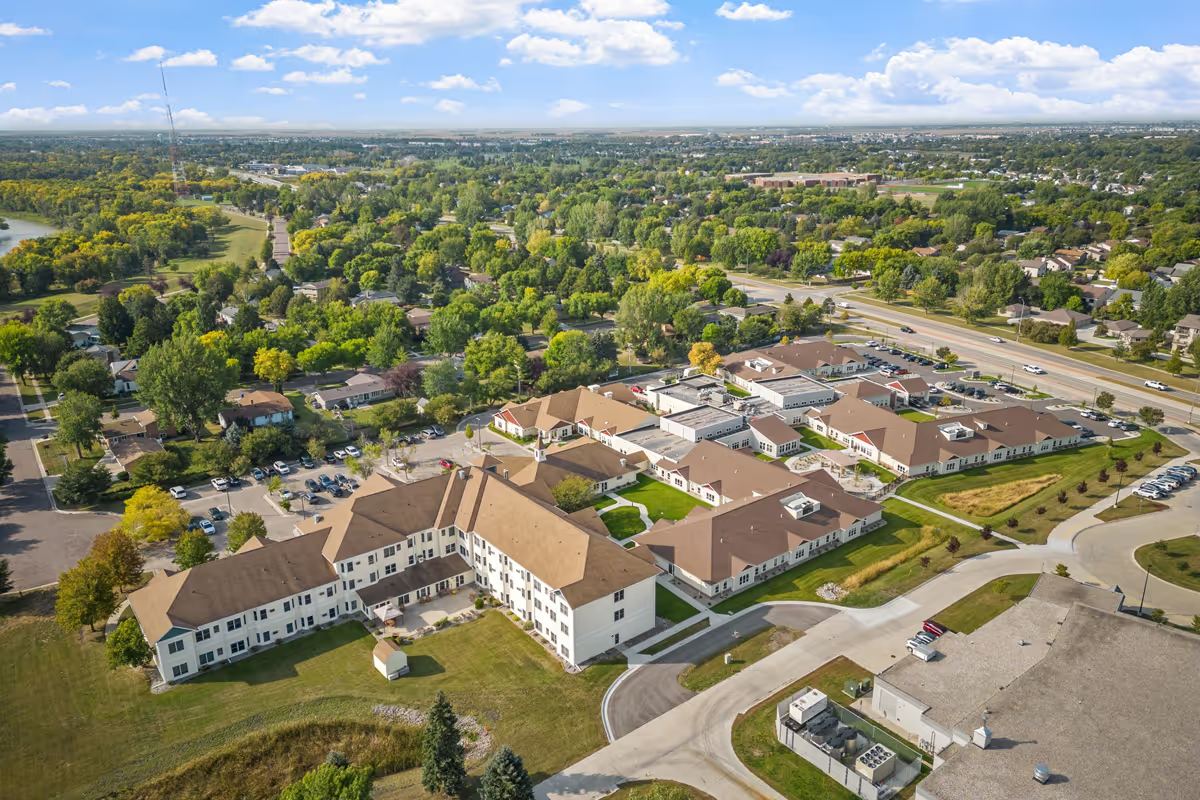
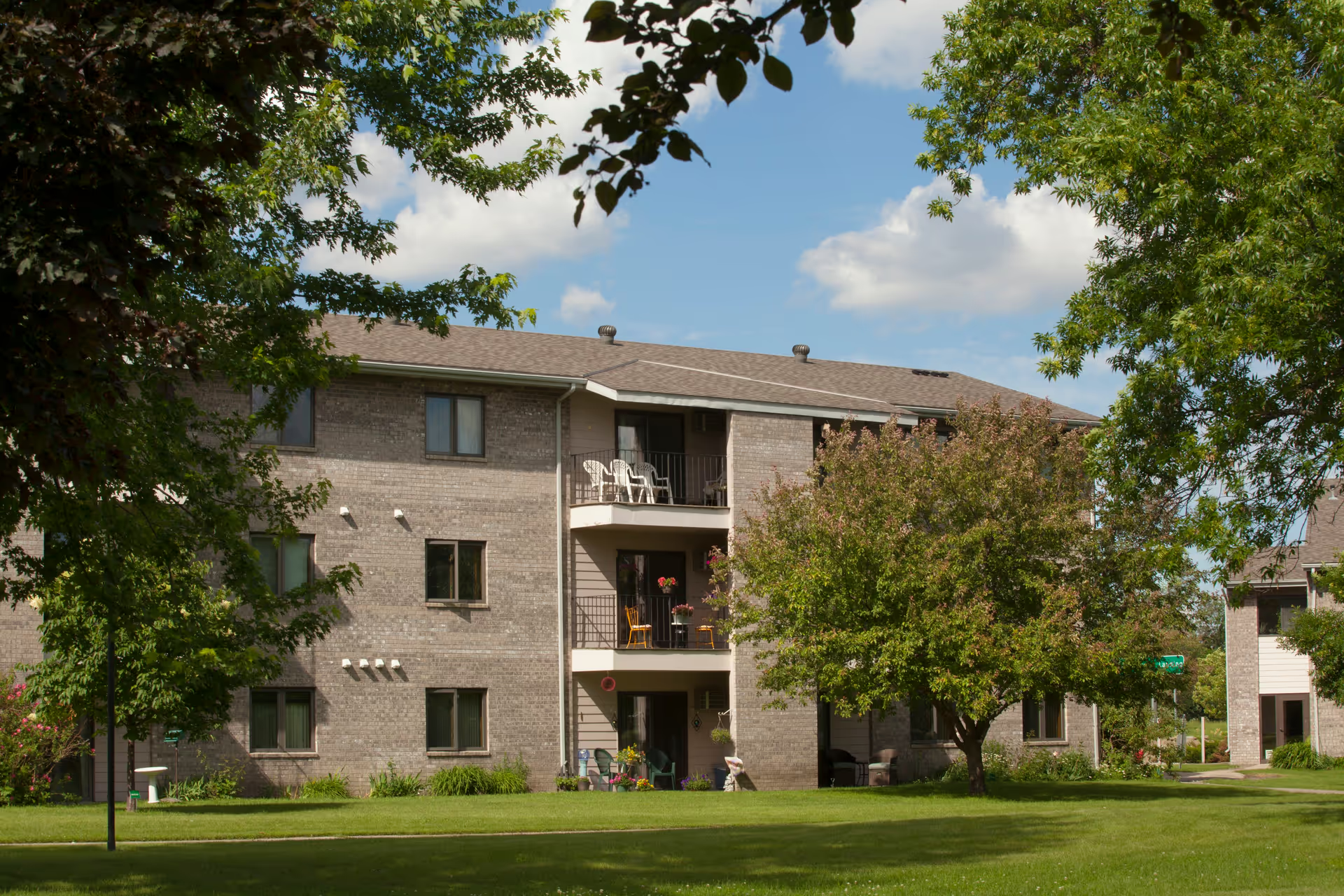
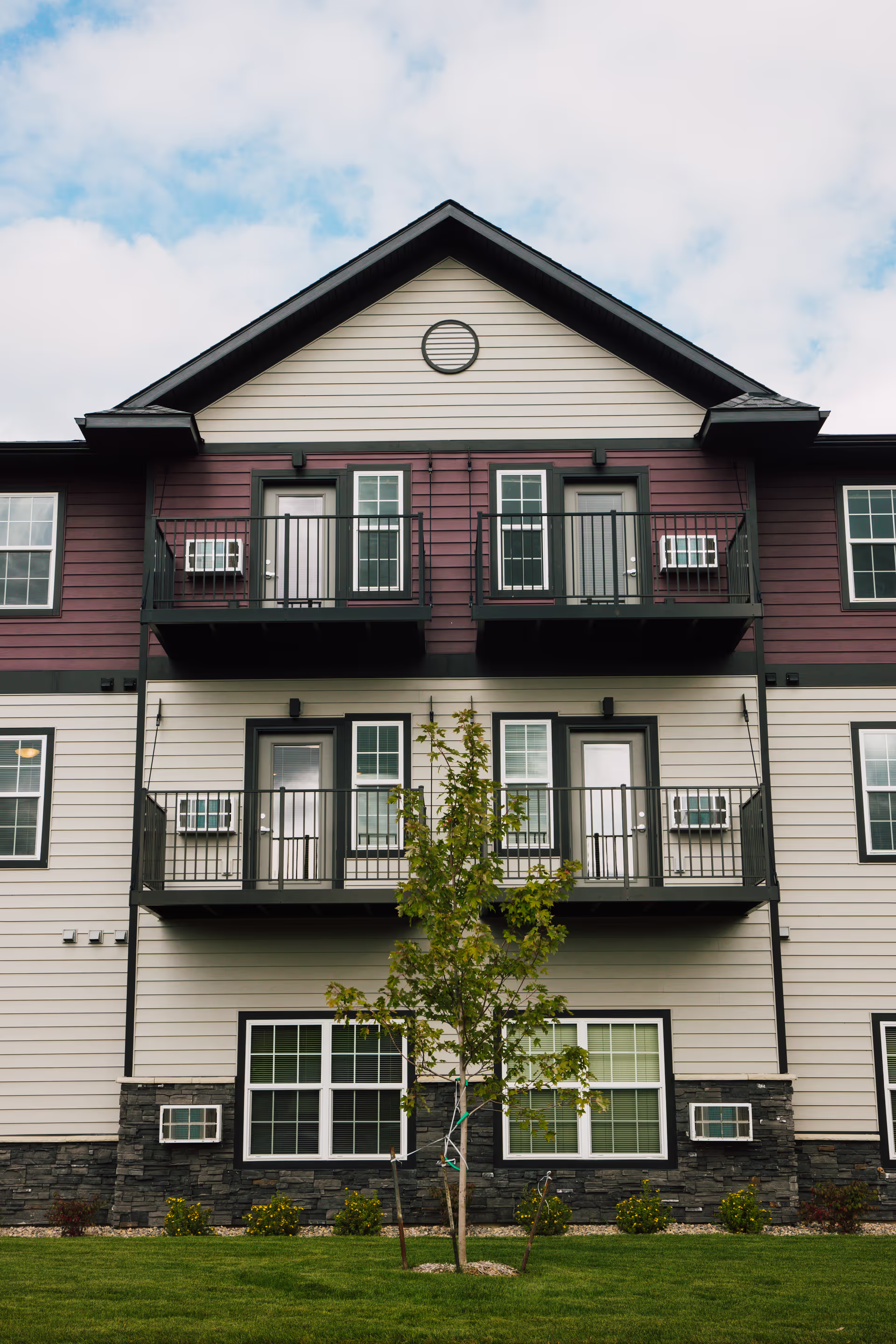
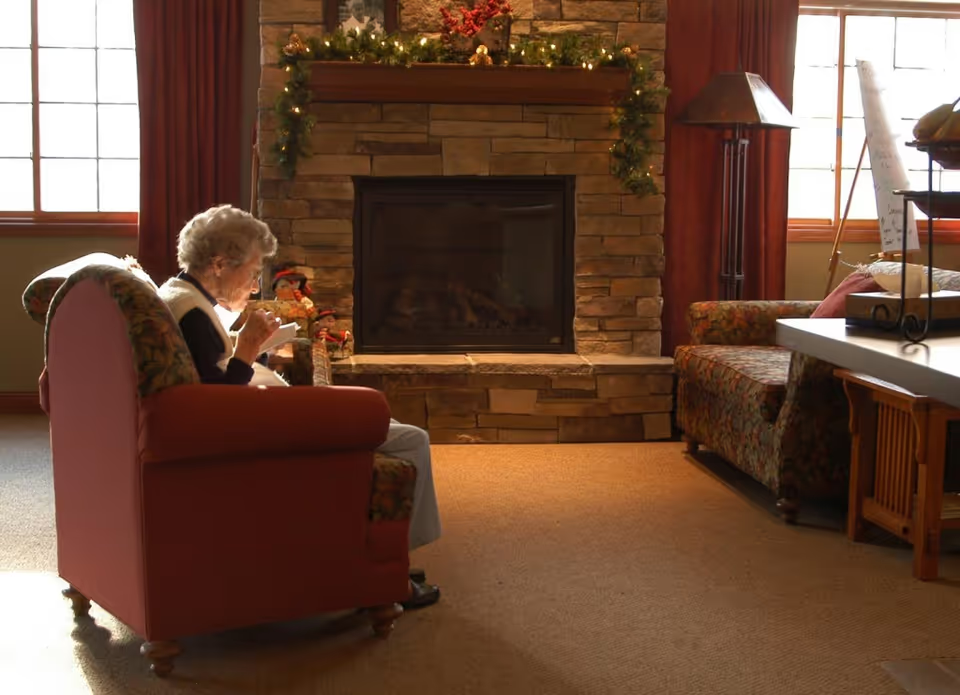
Overall impression: The facility receives substantial praise for its frontline caregiving, social programming, and dining. Families and visitors consistently describe staff as dedicated, respectful, and caring; clinical and personal-care quality is generally characterized as strong. The community atmosphere is described as welcoming and charming, with congregate dining and outdoor garden access supporting resident socialization.
Care and staff: Direct-care employees are frequently cited as compassionate and attentive, contributing to a positive day-to-day experience for residents. At the same time, reviewers raise operational concerns about how the facility manages mobility-related needs: specifically, fall-prevention infrastructure such as grab rails is lacking in some areas, and residents who require assistance rely on call lights. There are comments about variable responsiveness to call-light requests, which suggests a need for clearer response-time protocols or staffing alignment with acuity.
Dining and activities: Dining is a clear strength; meals are consistently described as good quality and well received. Congregate dining is highlighted as a social asset. The activities program is robust, anchored by an engaged activities director and a regular schedule of daily events, outdoor outings, and garden use that appear to support resident engagement and quality of life.
Facilities and housekeeping: Many reviewers praise the facility's cleanliness and overall maintenance. However, there are notes about uneven housekeeping detail—vacuuming and floor-care are specifically called out as areas needing improvement. These comments point to variability in environmental-service execution rather than a wholesale sanitation failure.
Management and governance: While frontline staff tend to be viewed positively, there are substantive concerns about leadership and management practices that families should not ignore. In addition to general management criticisms, there are allegations of illegal activity and governance concerns that warrant careful inquiry by prospective residents and their families. Communication is affected by strict privacy practices tied to HIPAA; this has been perceived as limiting information flow to families in certain situations.
Notable patterns and recommendations: The dominant patterns are strong person-centered care and programming combined with operational gaps in safety infrastructure, response protocols, and some aspects of facility management. Prospective families should ask targeted questions about fall-prevention measures, typical call-light response times, recent housekeeping audits, and the facility’s record of regulatory or legal issues. Clarifying how the community balances resident privacy with family communication will also be important. These inquiries can help reconcile the generally positive reports about daily life with the more serious governance and safety concerns that have been raised.