The reviews present a mixed picture of care at this facility. Clinical rehabilitation services, notably physical therapy, receive positive mention, and several comments reflect appreciation for individual caregivers and for resident comfort in certain units. At the same time, there are consistent operational concerns that affect day-to-day care and resident quality of life.
Care quality shows variability. Therapy services and some direct-care interactions are strengths, but reviewers describe delays in medication delivery — including prolonged waits for pain medication and additional delays when controlled substances are required. There are also reports of a serious clinical event related to oxygen monitoring that raise concerns about monitoring and emergency response systems; this pattern suggests gaps in clinical-incident response and oversight that merit review. Information on dining and structured activities is limited in the available feedback and therefore cannot be reliably assessed from these summaries.
Staffing and communication are important themes. Staff were described as supportive and appreciated in some accounts, yet chronic understaffing—notably on weekends—is cited as contributing to slower response times and longer waits for attention. Communication gaps between staff, families, and management are described and appear to compound clinical and logistical problems, particularly when families seek explanations about medication, incidents, or maintenance issues.
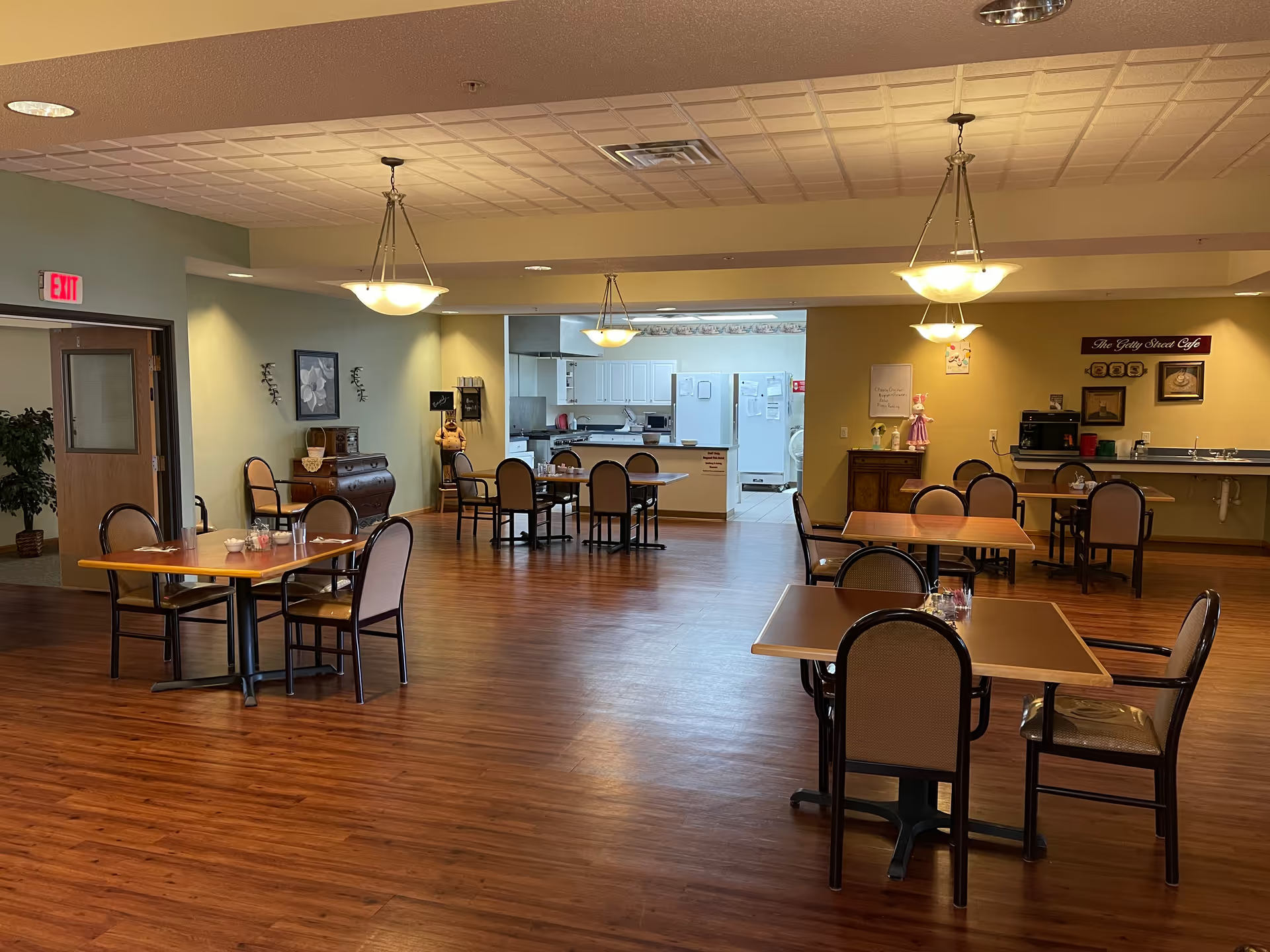
Facility infrastructure and comfort present clear deficiencies. Multiple summaries reference inadequate environmental controls and in-room amenities: absence of air conditioning or very high temperatures, lack of television and bed-hand controls in rooms, and uncomfortable seating. These maintenance and comfort deficits were framed as unresolved by management, with reviewers noting that responsibility for repairs and comfort issues was not consistently addressed.
Management, compliance, and administrative areas require attention. Summaries mention billing problems and concerns about licensing status, indicating potential weaknesses in regulatory compliance and financial-administration processes. Combined with perceived gaps in management responsiveness, these issues have led some families to move residents to alternative settings where they believe care and safety improved.
Overall, the pattern in the feedback suggests that while some clinical services and staff interactions are positive, systemic issues—staffing, medication processes, maintenance, communication, and administrative oversight—are contributing to uneven care and resident discomfort. Prospective families should seek updated information on staffing levels, medication protocols, licensing status, and recent corrective actions related to maintenance and incident response when evaluating this facility.