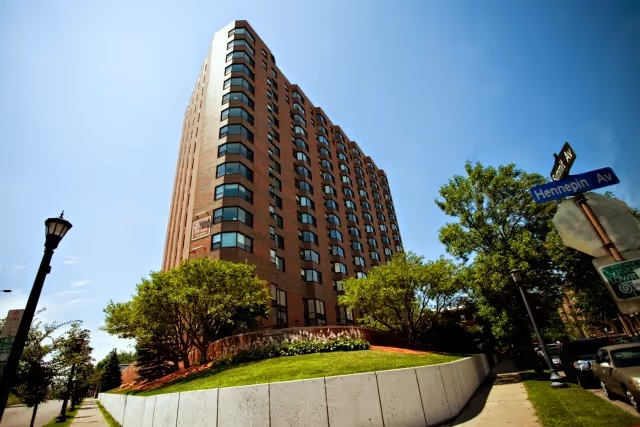
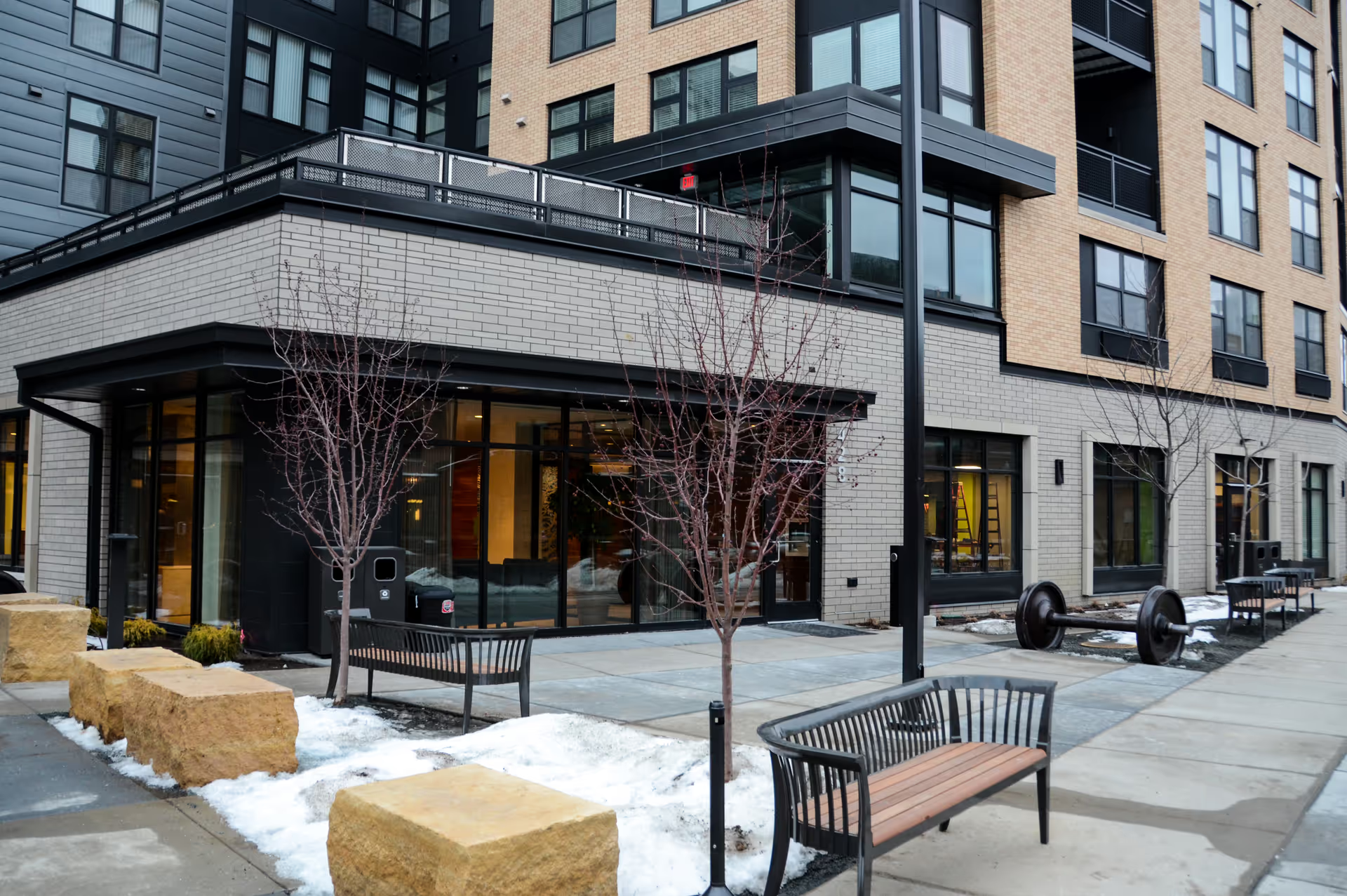
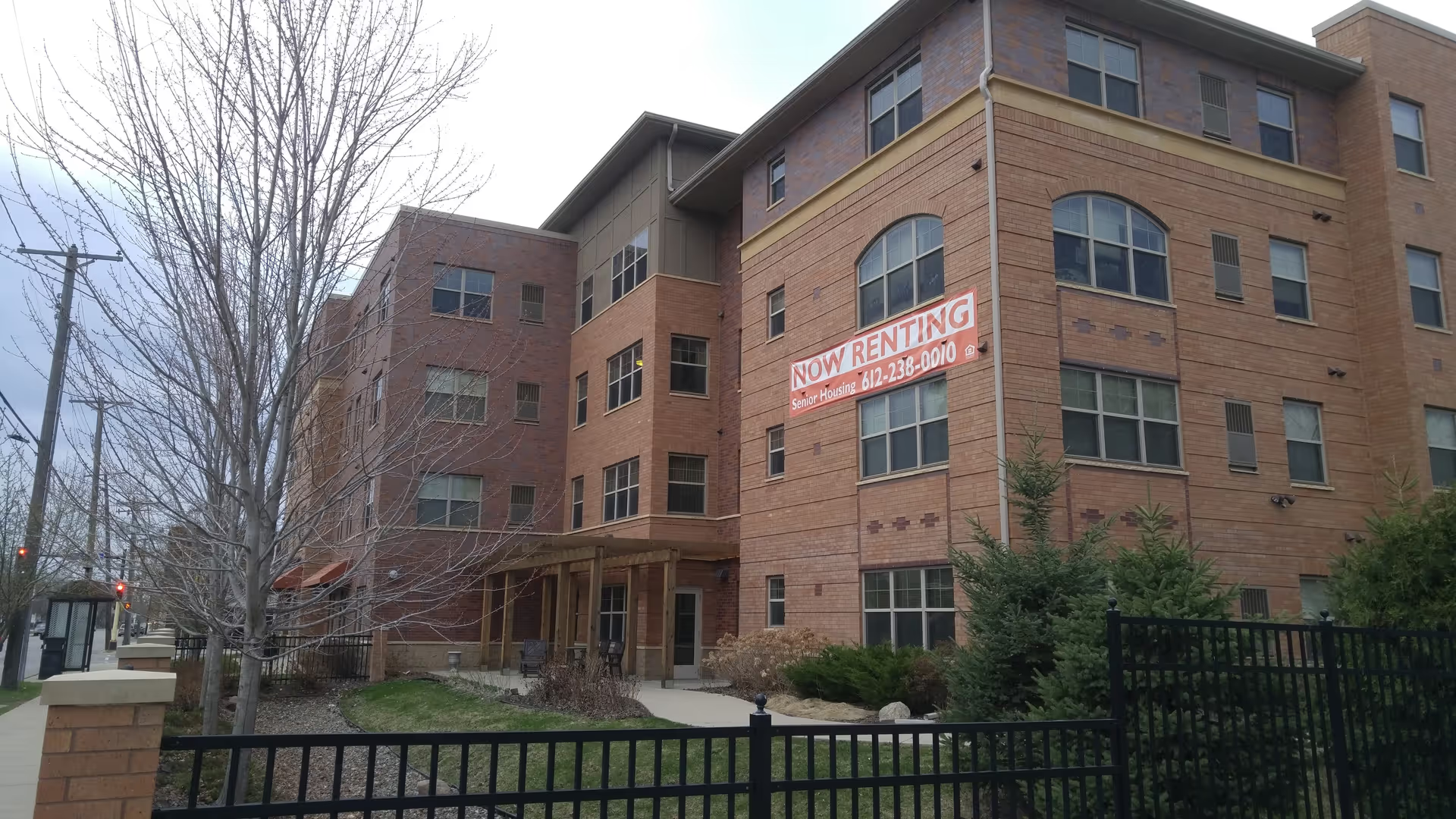
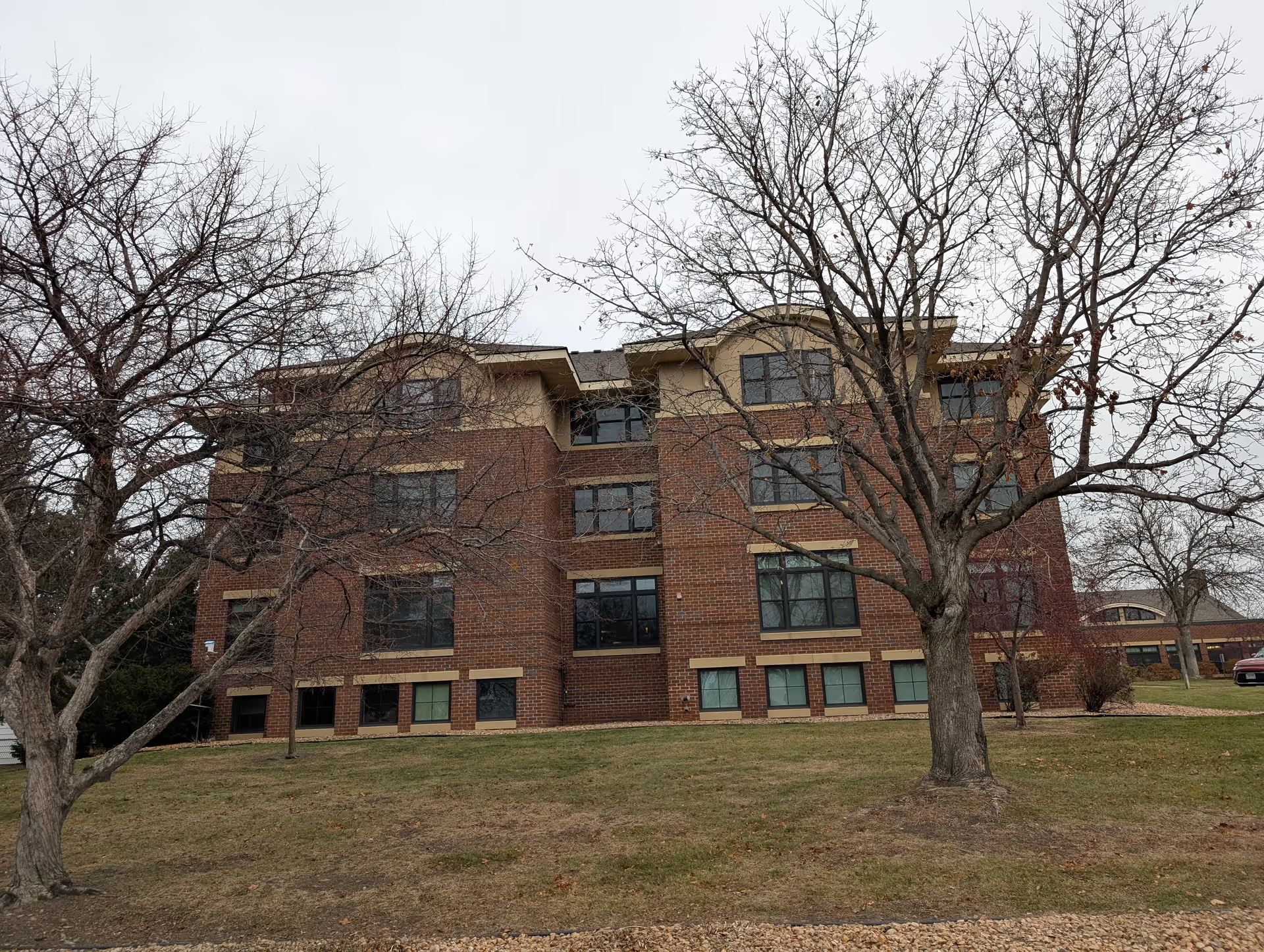
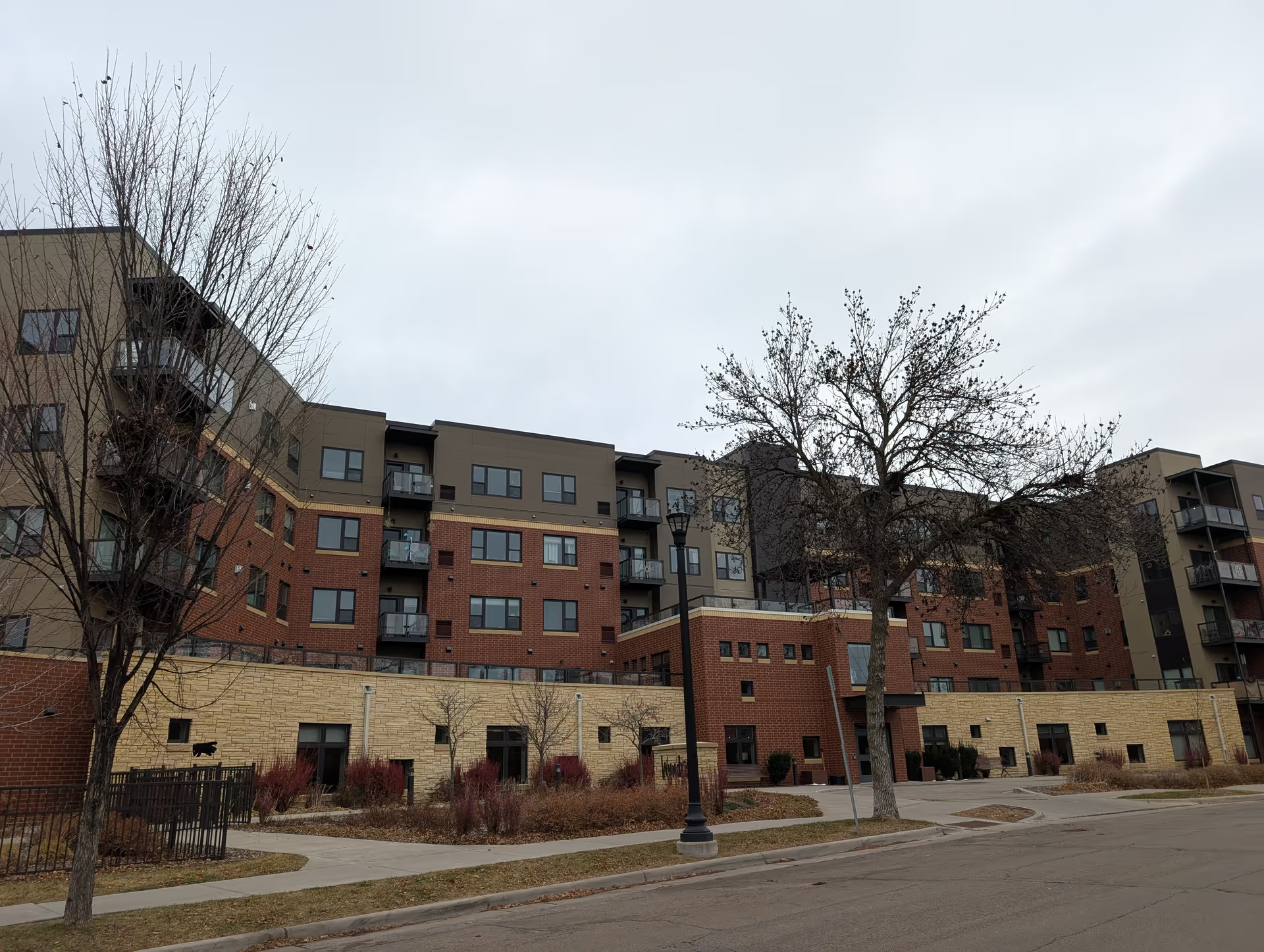
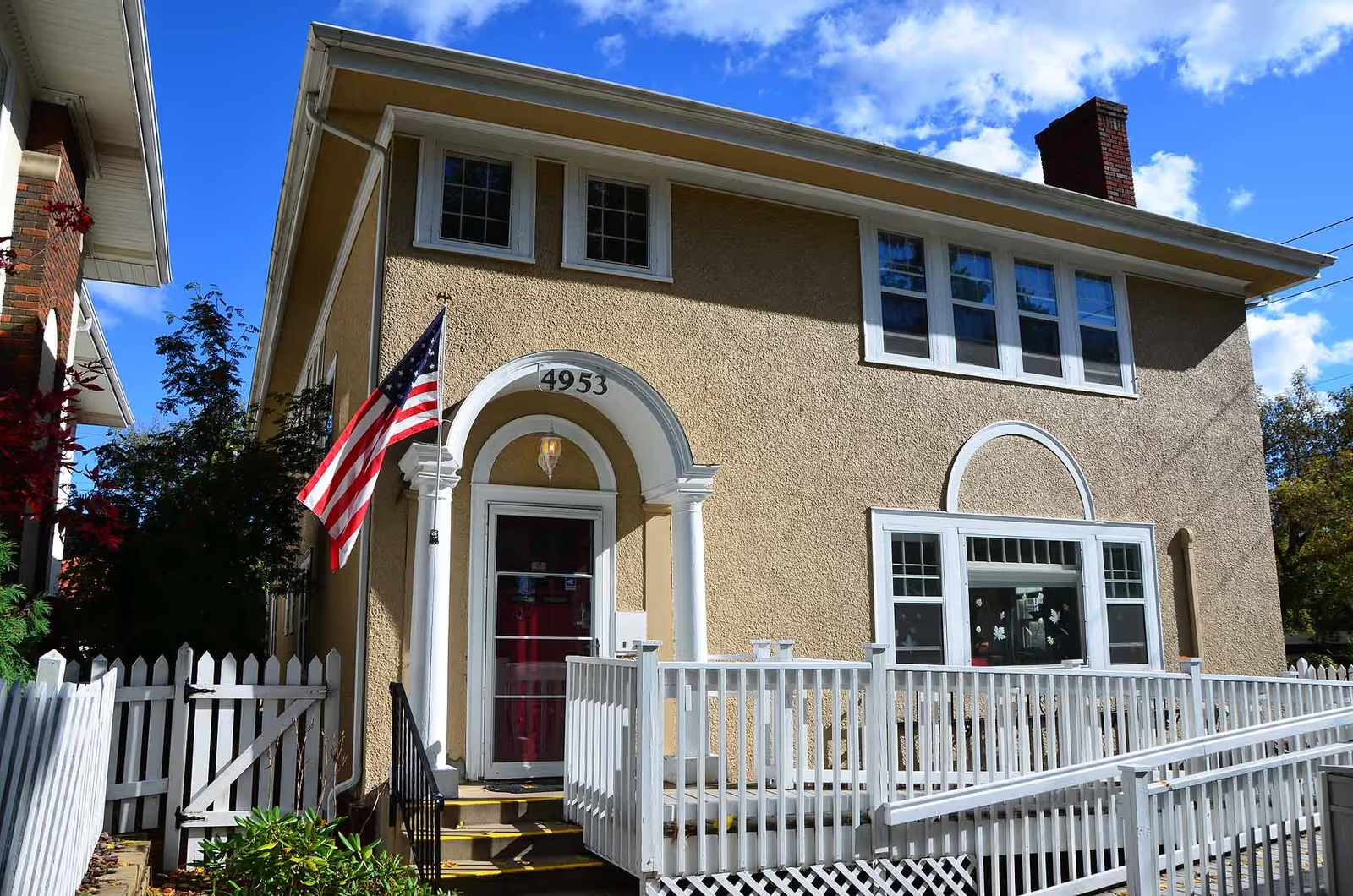
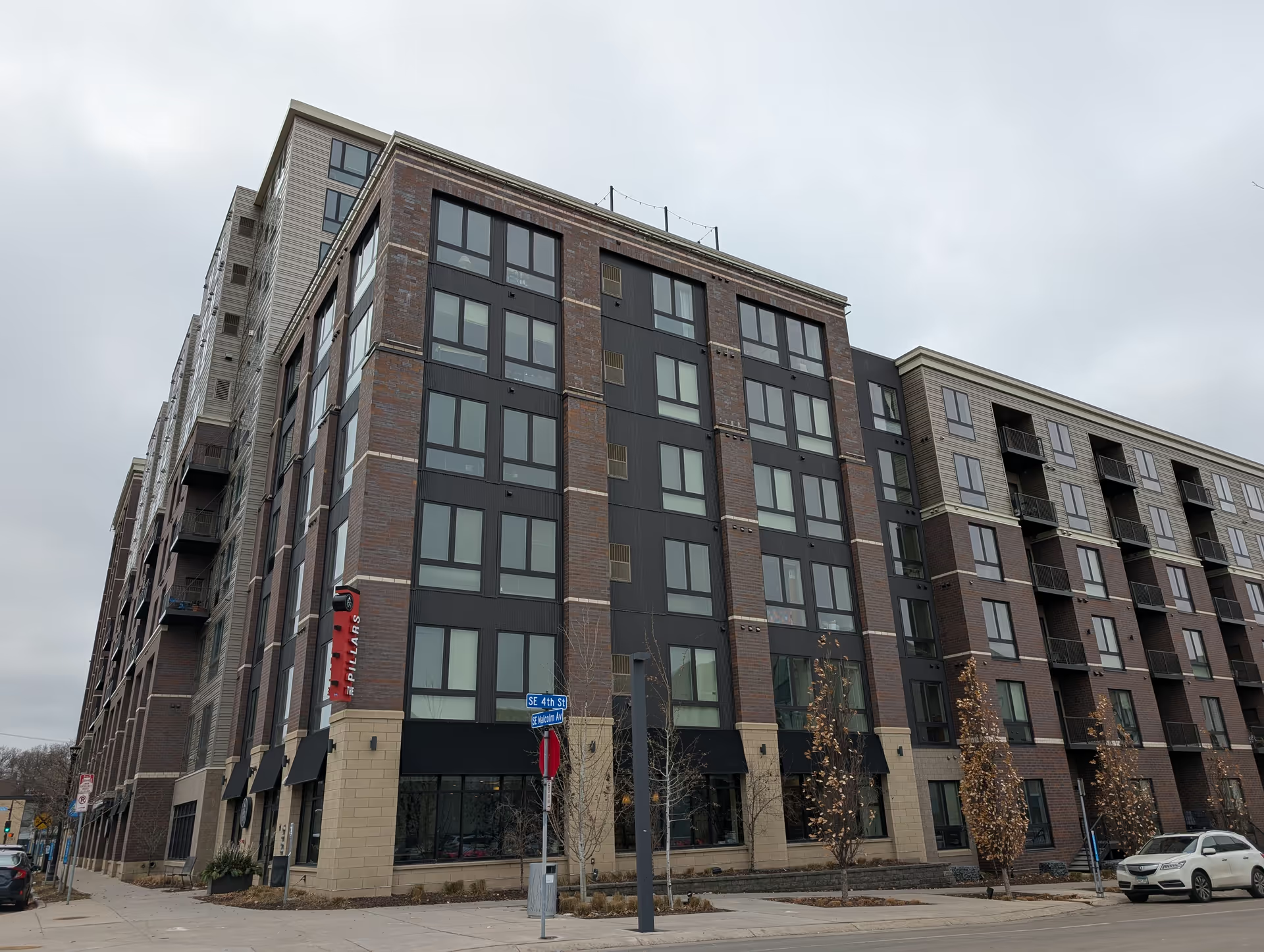
The pool of reviews presents Signe Burckhardt Manor as an affordable, public-housing–managed property with several operational strengths and notable challenges. Strengths highlighted include low-income rent structured around earnings, a visible program of on-site activities, generally clean common areas, and staff characterized by many as caring and dedicated. The property is currently undergoing renovations, which reviewers framed as an update to the facility fabric, and units allow residents to bring their own furniture, which some prospective residents may prefer.
Care quality and staffing are described in mixed terms. Many comments praise individual staff members for attentiveness and compassion; several reviewers specifically called out team members who were informative about resident needs and responsive in daily interactions. At the same time, there are consistent concerns about communication: families reported not being notified promptly about important events or changes. There are also operational concerns related to dementia and memory-focused care, indicating the need for clearer protocols and safeguards for residents with cognitive impairment. Linked to that, safety-management practices for residents who may wander were identified as an area requiring improvement.
On daily life and amenities, reviewers noted active programming and informational outreach about activities, which contributes positively to social engagement. There was not consistent commentary about dining quality or meal service, so no clear conclusion can be drawn from the available summaries. Unit-level characteristics include relatively small one-person rooms; residents are expected to provide their own furnishings. While many found the building clean, others flagged inconsistencies in waste handling and housekeeping operations, and construction activities related to renovation were described as a source of noise and mess during the update period.
Management and access reflect the property's public-housing status. Ownership and operation by the local public housing authority provide transparent eligibility rules, but those same rules result in a formal intake process, waiting lists, and requirements such as county-worker involvement for admission—factors that make the community unsuitable or difficult to access for some applicants. Prospective residents and families should weigh affordability and active programming against the facility's operational constraints and current renovation-related disruptions.
Overall, Signe Burckhardt Manor may suit low-income applicants seeking a public-housing option with engaged staff and programming, but families should conduct focused enquiries about dementia-care protocols, notification practices, unit size and furnishings, active construction timelines, and safety measures for residents at risk of wandering before making a placement decision.