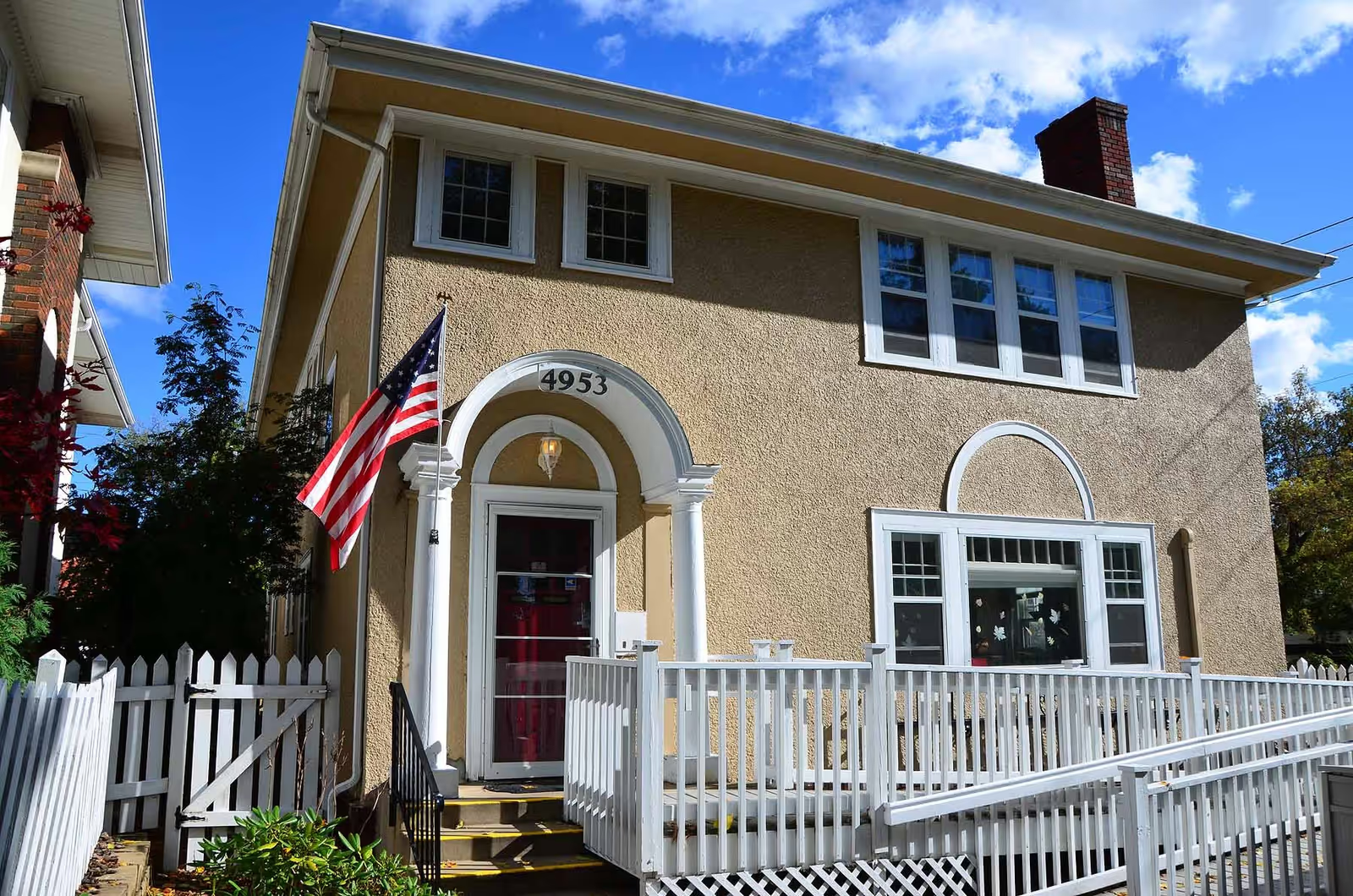
The Estates at Chateau elicits divided impressions: reviewers describe a well-regarded rehabilitation program and several individual caregivers who deliver attentive, compassionate care, while also describing recurring operational concerns. Therapy and rehab services are consistently praised for their quality and focus on resident progress; several accounts highlight experienced clinical staff and clean therapy areas. Some families also praise individual nurses and caregivers for responsiveness and a welcoming atmosphere, and the facility’s location and diverse workforce are cited as conveniences.
Clinical-care concerns center on medication administration, pain control, and responsiveness. Multiple reviewers raised issues that suggest weaknesses in medication tracking and timely administration, along with delays in attending to resident needs and symptom control. These recurring themes point to an operational pattern rather than isolated events and suggest prospective families should ask about medication-safety protocols, staffing ratios, and pain-management practices during their evaluation.
Housekeeping, dining, and physical environment are areas of mixed feedback. While some accounts note clean clinical and therapy spaces, others describe inconsistent housekeeping and sanitation practices in resident rooms and shared spaces. Dining quality is likewise inconsistent: some reviewers praised meals, while others described unpalatable or poorly executed service. Environmental and accessibility issues were also raised, including unreliable air conditioning, limited accessible/private room options, and cramped shared rooms. Security and access-control gaps were mentioned as well, indicating potential weaknesses in visitor screening and building supervision.
Staffing and management impressions are polarized. Several reviewers commend compassionate staff and a problem-solving administrative team; however, others describe inconsistent staff conduct, lack of supervision, and unfavorable interactions with human-resources or administrative personnel. Complaint handling appears effective in some escalations but uneven overall. Discharge planning and care-transition coordination were flagged as problematic in at least one account, indicating a need to confirm post-discharge supports and placement coordination before transitions.
Taken together, the pattern suggests The Estates at Chateau offers notable strengths in rehabilitation and in pockets of individualized caregiving, but also displays recurring operational weaknesses that can affect daily life and safety perceptions. For families considering this facility, recommended due diligence includes: direct questions about medication-safety systems, staffing levels and supervision, pain-management protocols, housekeeping schedules, sample meals, access-control procedures, air-conditioning reliability, room accessibility options, and discharge-planning processes. Arranging a focused tour that inspects resident rooms, observes meal service, and meets therapy and nursing leads will help clarify whether the facility’s strengths align with an individual’s needs.