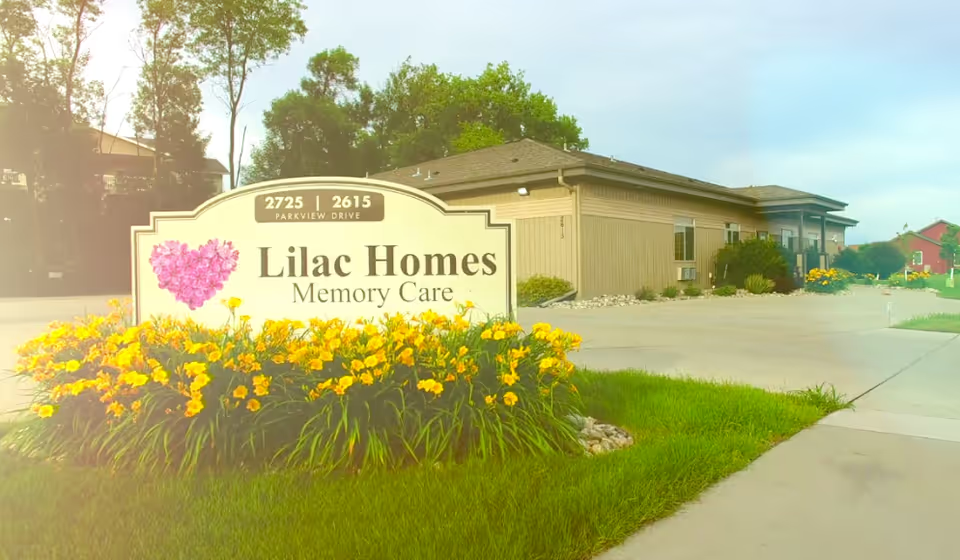
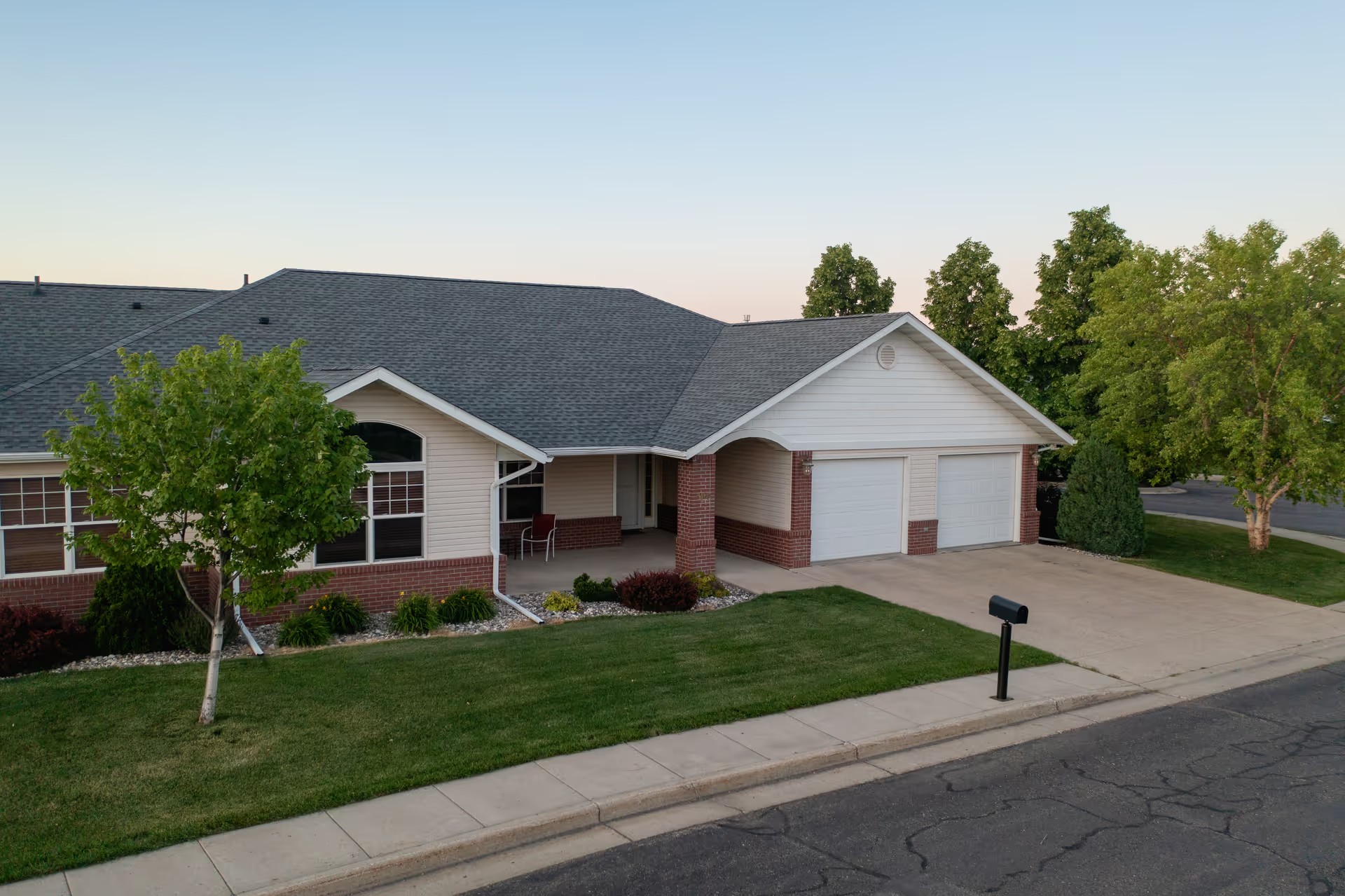
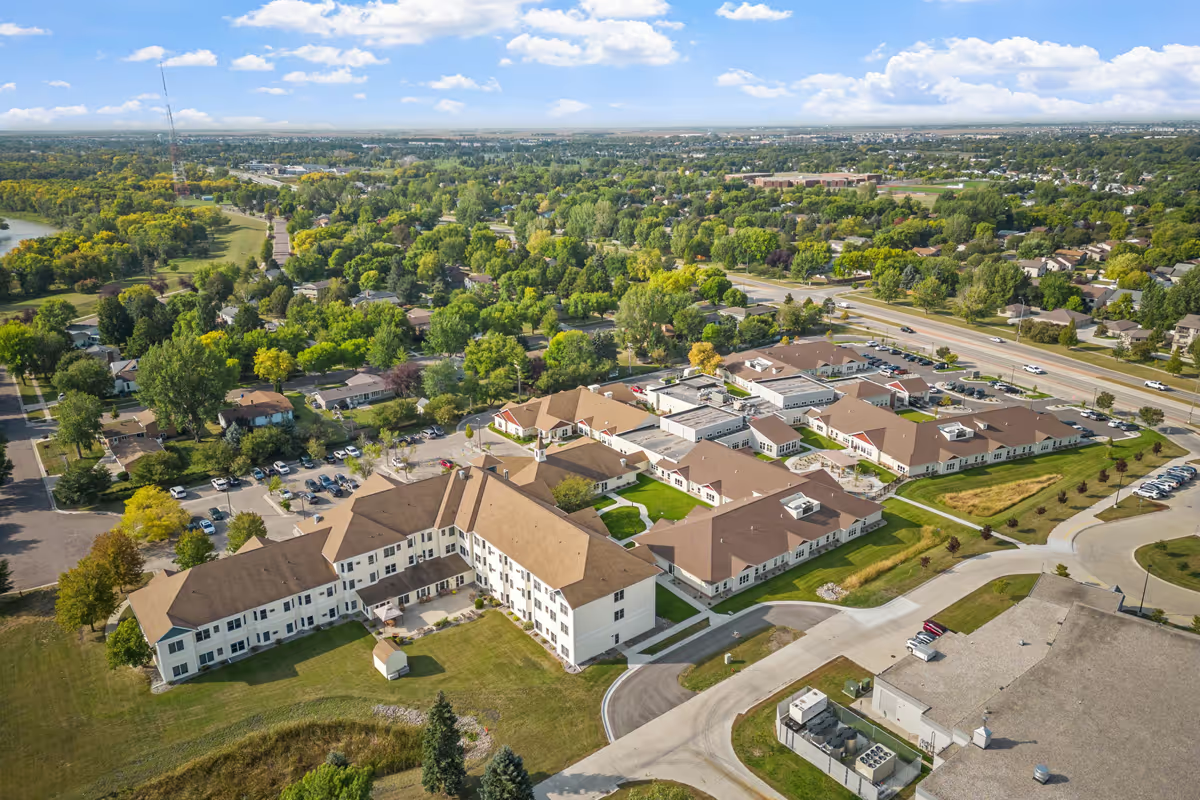
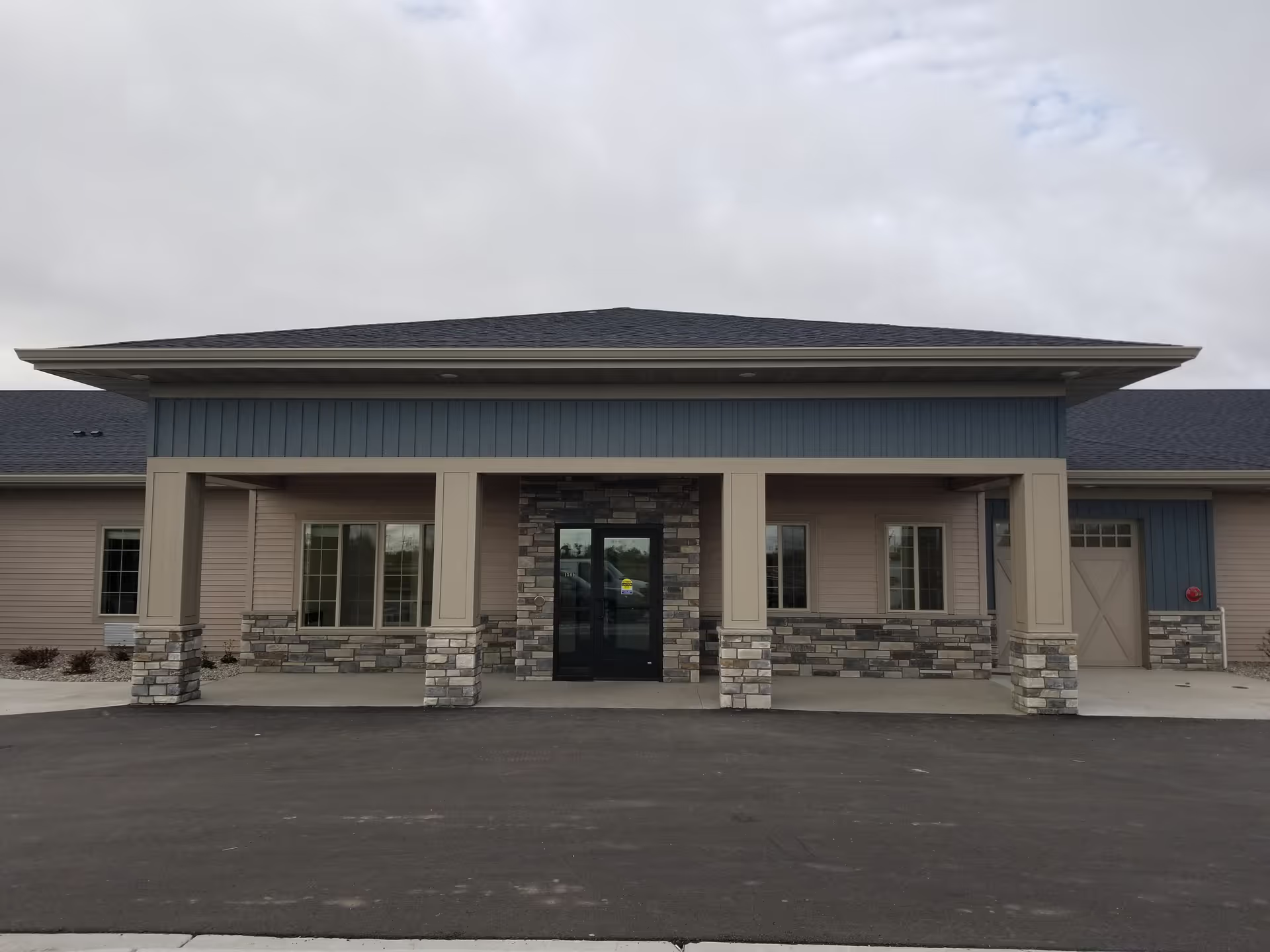
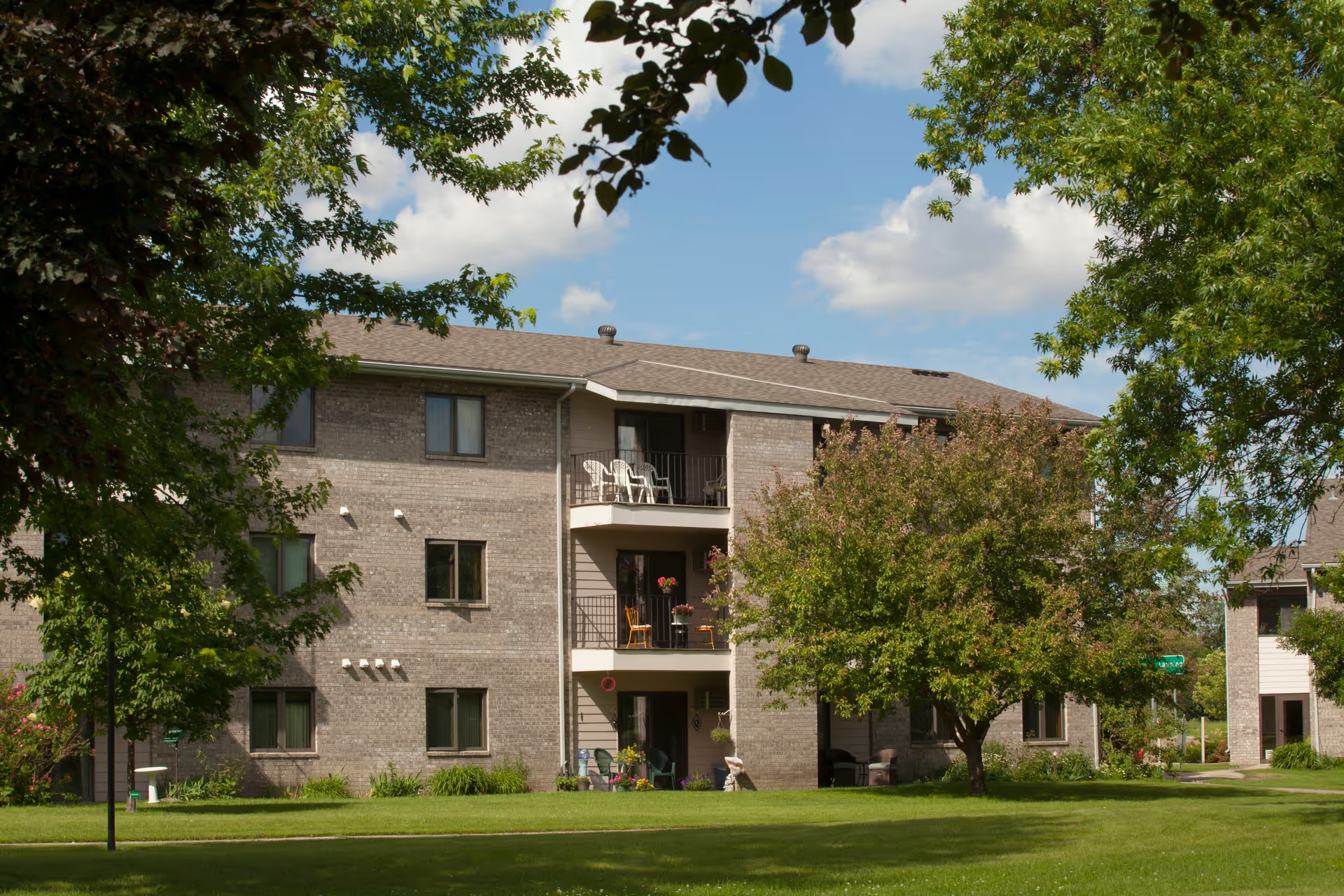
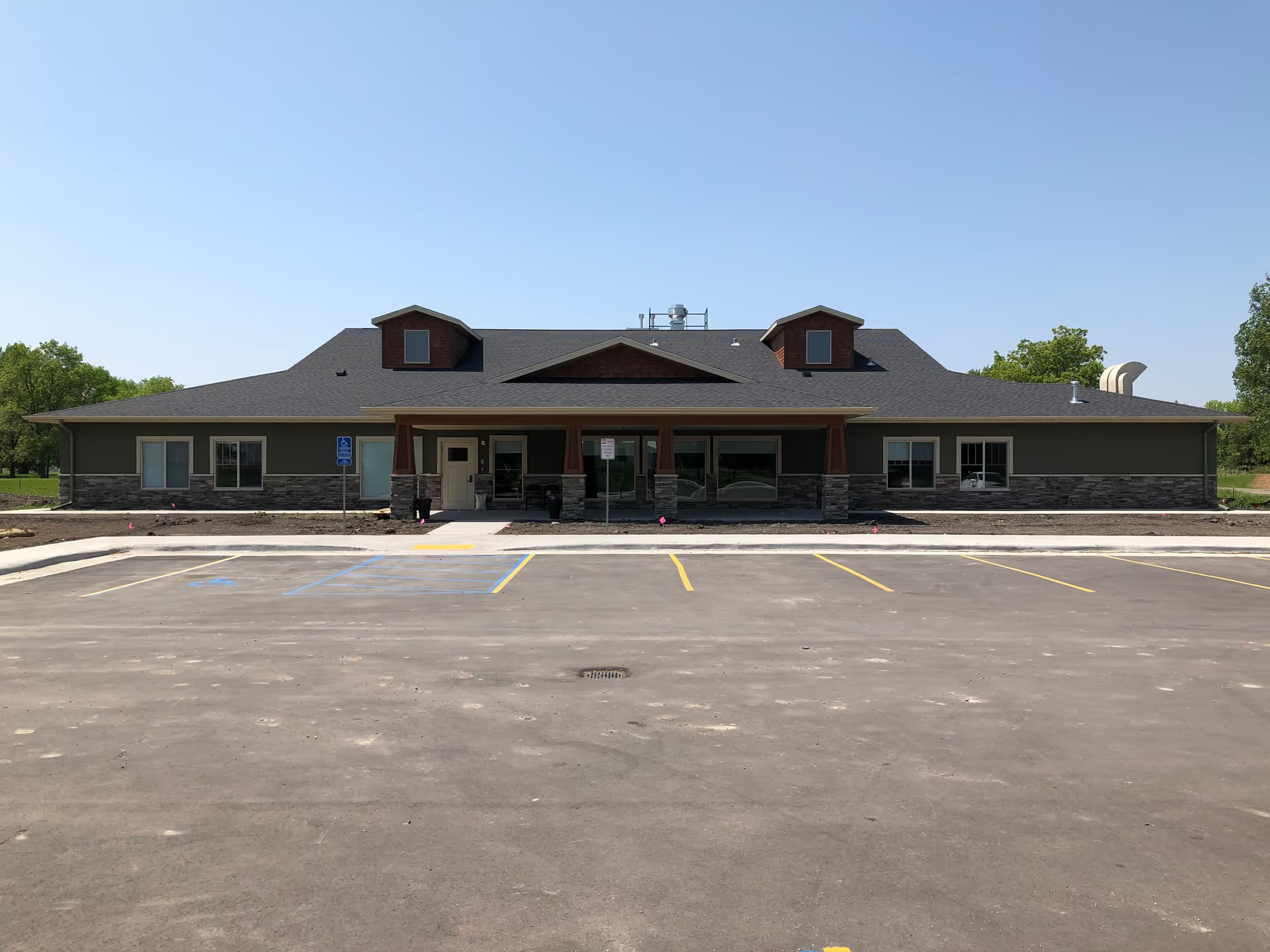
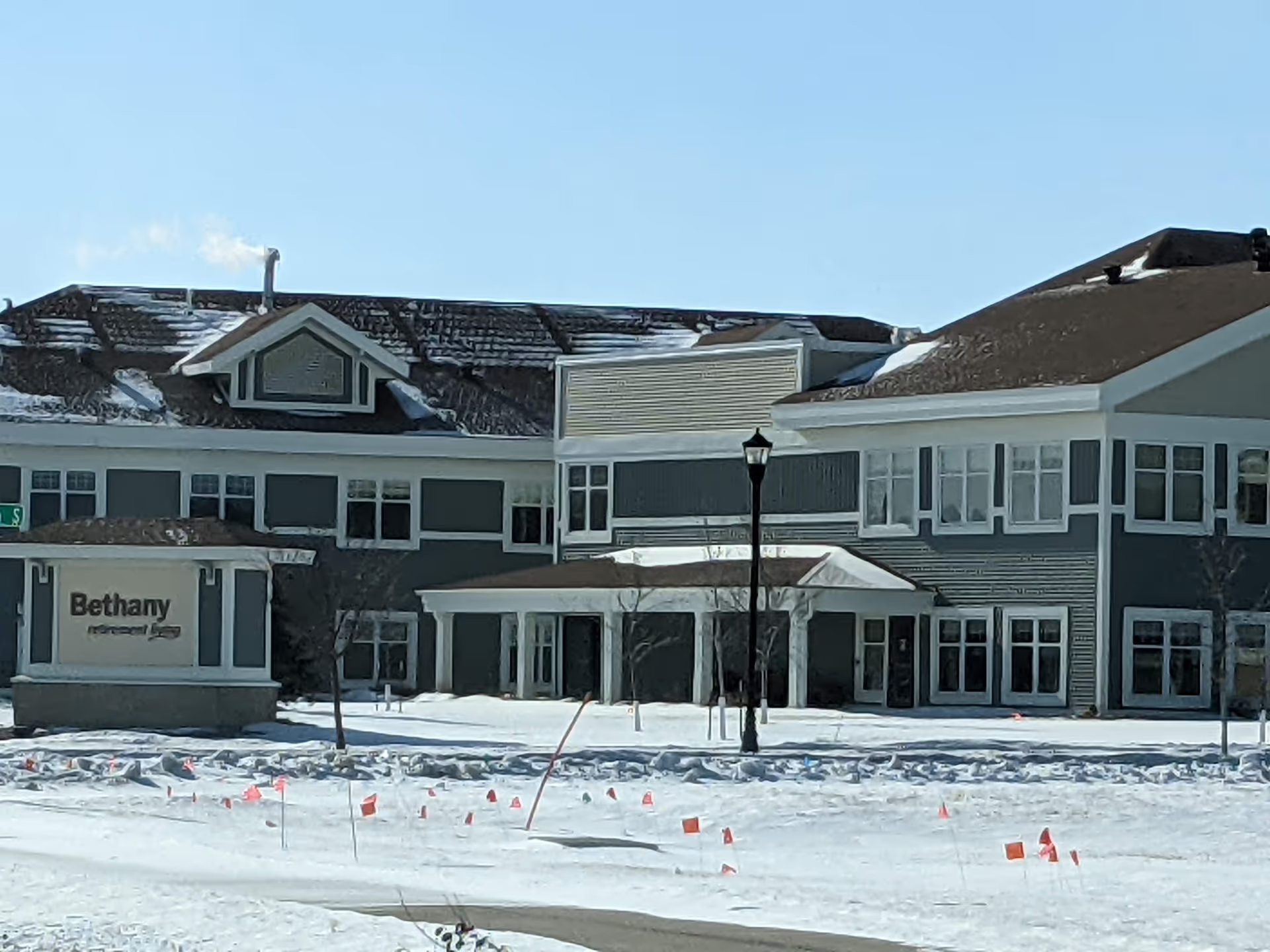
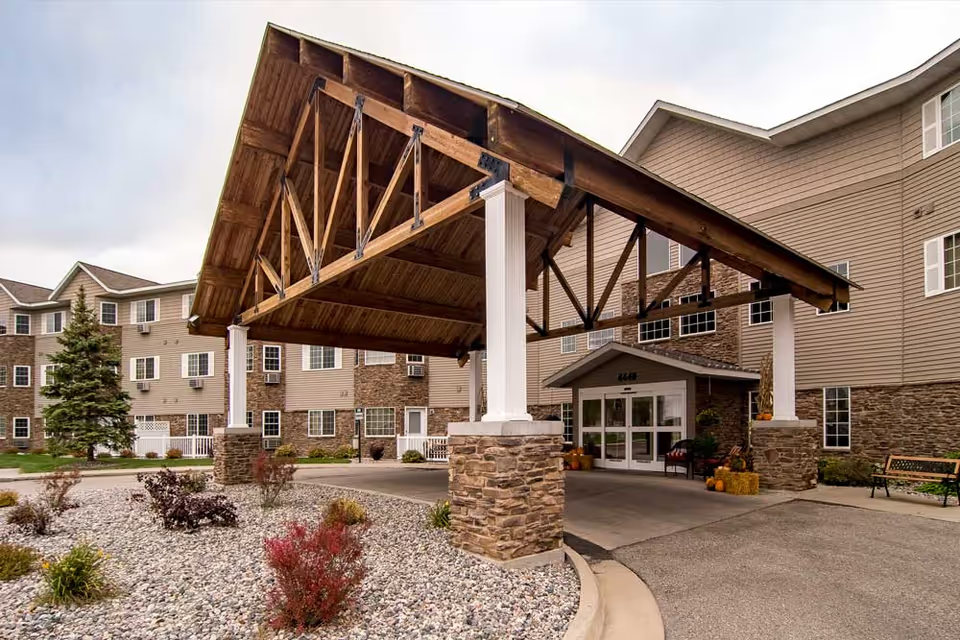
Reviewers express a mixture of positive experiences and substantive operational concerns. On the positive side, the facility is frequently described as clean, modern, and well maintained, with updated amenities and an inviting layout. Many families praised individual caregivers and frontline staff for kindness, patience, and attentiveness; a number of named staff were singled out for providing smooth admissions and strong day‑to‑day support. Several accounts emphasize a small‑town, home‑like feel that helps residents and families feel comfortable and connected.
Care quality observations are mixed. While attentive staff are noted, there are repeated concerns about responsiveness to call buttons and timely assistance with activities of daily living such as bathing and toileting. Those operational patterns point to inconsistent supervision and potential safety risks for residents who require prompt help. In addition, reviewers described weaknesses in memory‑care programming: activity offerings exist, but families indicated a lack of specialized, memory‑focused engagement for residents with cognitive impairment.
Staffing and culture present a dual picture. Many caregivers receive praise for personal compassion and competence, and families often describe good one‑on‑one interactions. At the same time, reviewers identified management and workplace issues that appear to affect operations — examples include disorganization, payroll/timecard concerns, phone use on the floor, and alleged unfair employment practices. These management‑level problems were linked by some reviewers to communication lapses with families, inconsistent follow‑through on remediation, and strained staff morale.
Dining and activities show variability. Meals are generally reported as plentiful and acceptable in quality, but some reviewers noted limited menu variety and occasional hesitation about specific offerings. Activity programming is present and keeps some residents engaged; however, the nature and quantity of memory‑specific activities were described as insufficient by families seeking specialized cognitive engagement.
Facility features are a strength for many visitors: modern design, clean common areas, and accessible layouts were commonly praised. A few aesthetic elements — for example, high cathedral ceilings — were noted as creating acoustical echo and a cooler, less intimate atmosphere. Some reviewers also mentioned sanitation and laundry handling concerns and intermittent odor issues that management should address as part of environmental quality controls.
Regulatory and communication patterns are an important theme. There are references to health‑department issues and to limited communication about corrective plans; this suggests the need for clearer transparency around compliance and remediation. A small subset of reviewers raised serious allegations about discrimination and misrepresentation of bed availability during intake; those items warrant direct inquiry during any family evaluation.
Overall pattern: the facility presents strong facility‑level assets and many examples of caring, effective staff, but these positives coexist with operational weaknesses that could impact vulnerable residents. Prospective families should weigh the facility’s cleanliness, amenities, and specific caregiver strengths against the documented concerns about responsiveness, memory‑care specialization, management stability, and communication. When considering placement, visitors should observe activity times, ask for call‑response metrics and staffing ratios, request documentation of any regulatory actions and remediation plans, and speak with current families and multiple staff members to form a rounded view.