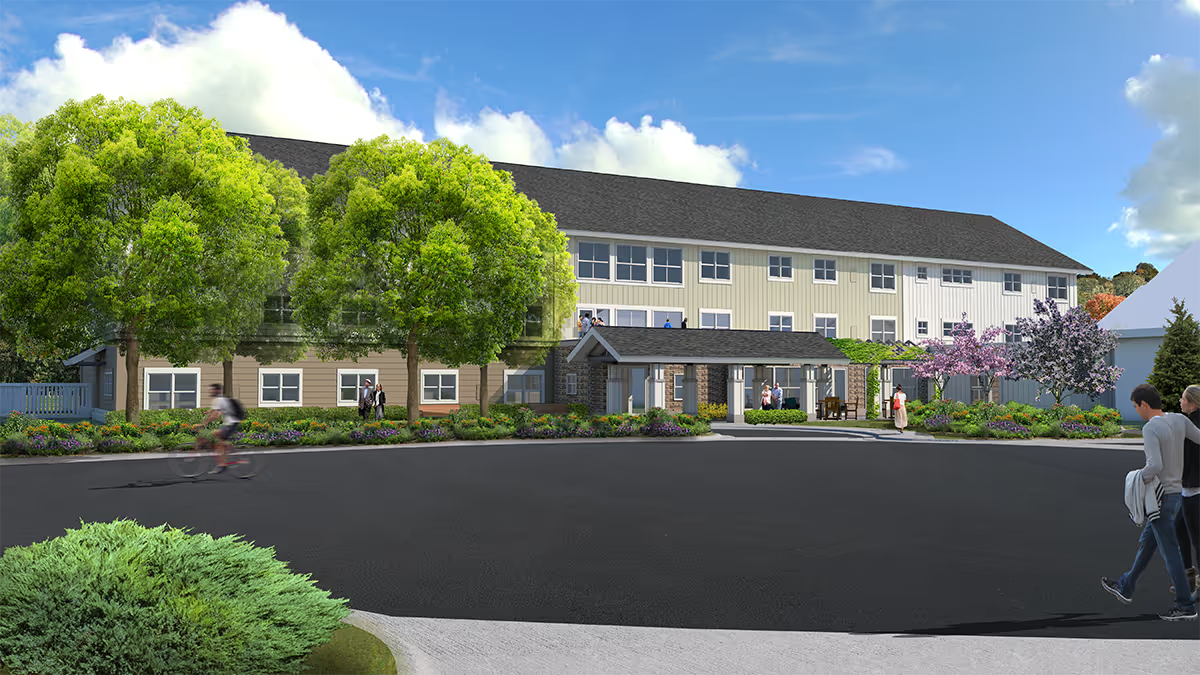
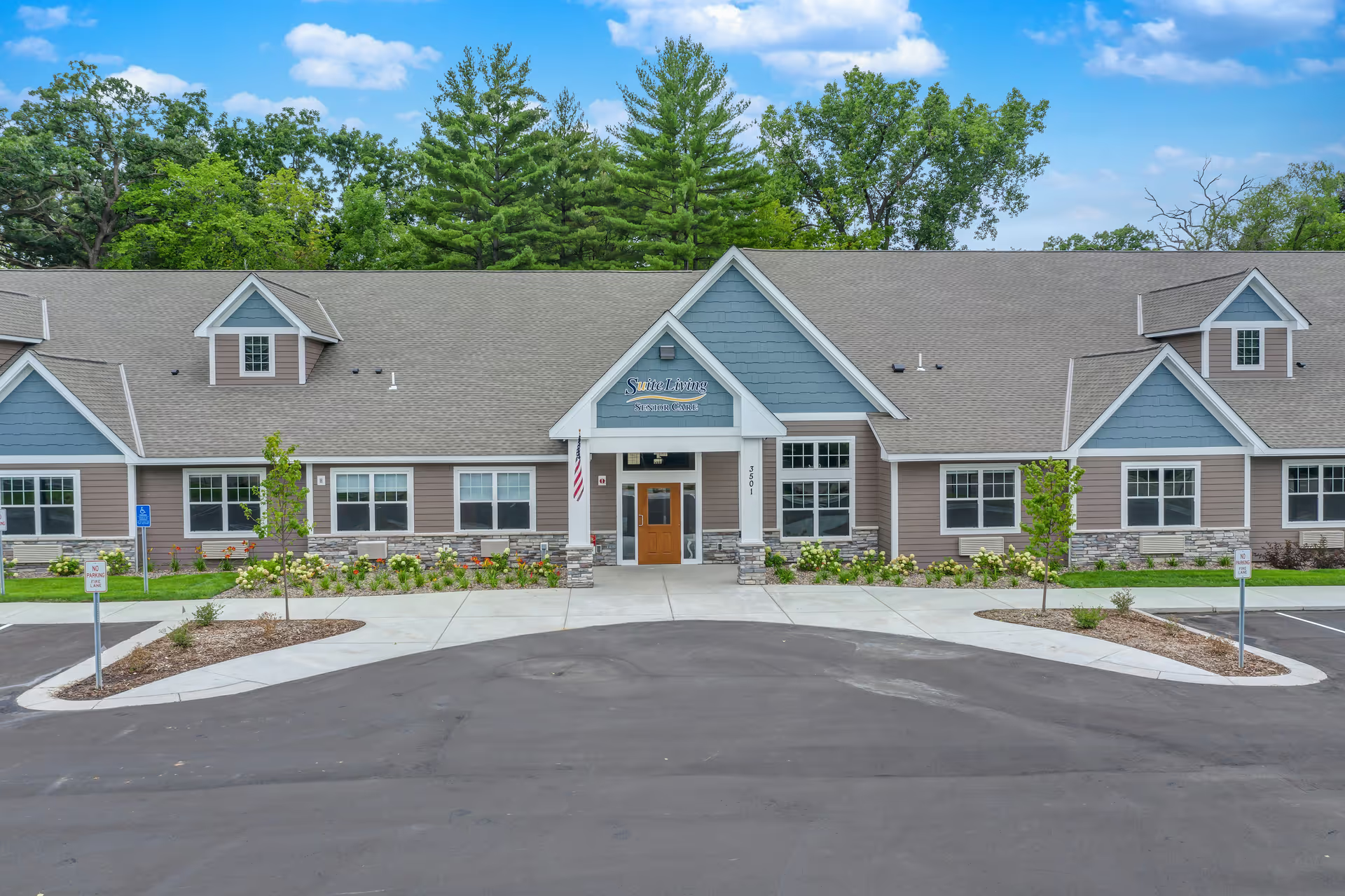
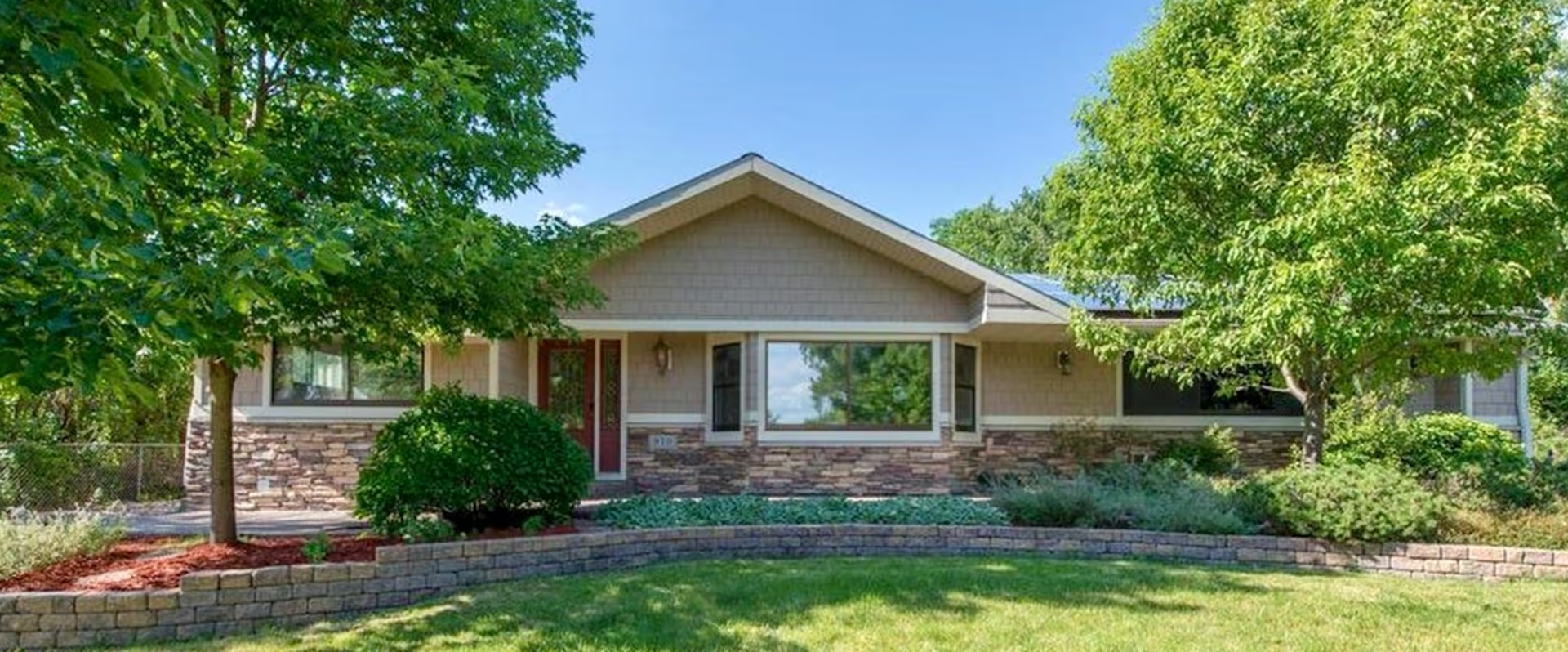
Gianna Homes Gladys Place Memory Care elicits a mixed but coherent pattern of strengths and operational weaknesses. Many families emphasize a warm, home-like atmosphere with staff who provide compassionate, dignity-focused support and work to preserve residents' quality of life. The community is frequently described as clean and well kept, with visible grooming and a décor that supports a residential memory-care setting.
Staffing and day-to-day care are commonly cited as the property’s primary strengths. Reviewers describe close nursing involvement, 24/7 attentiveness, on-site nurse availability, and timely medication administration. Families also note personalized memory-care expertise, quick responsiveness to requests and medical needs, and regular updates that help maintain open family communication.
However, these operational strengths are contrasted by several recurring concerns. There are indications that advertised staff-to-resident ratios are not always realized in practice, which can lead to variability in responsiveness and overall care continuity. Relatedly, reviewers raised issues about medication management and clinical oversight, including at least one identified medication error and broader concerns about how medication decisions are monitored and documented.
Reports also point to inconsistencies in the delivery of promised therapies and individualized care plans. While many residents receive attentive, personalized programming, others appear to experience gaps between what is promised and what is enacted. A few families raised serious concerns following a resident’s death about clinical oversight and the facility’s incident-response procedures; this highlights the need for clear, documented protocols for clinical incidents and family communication when adverse outcomes occur.
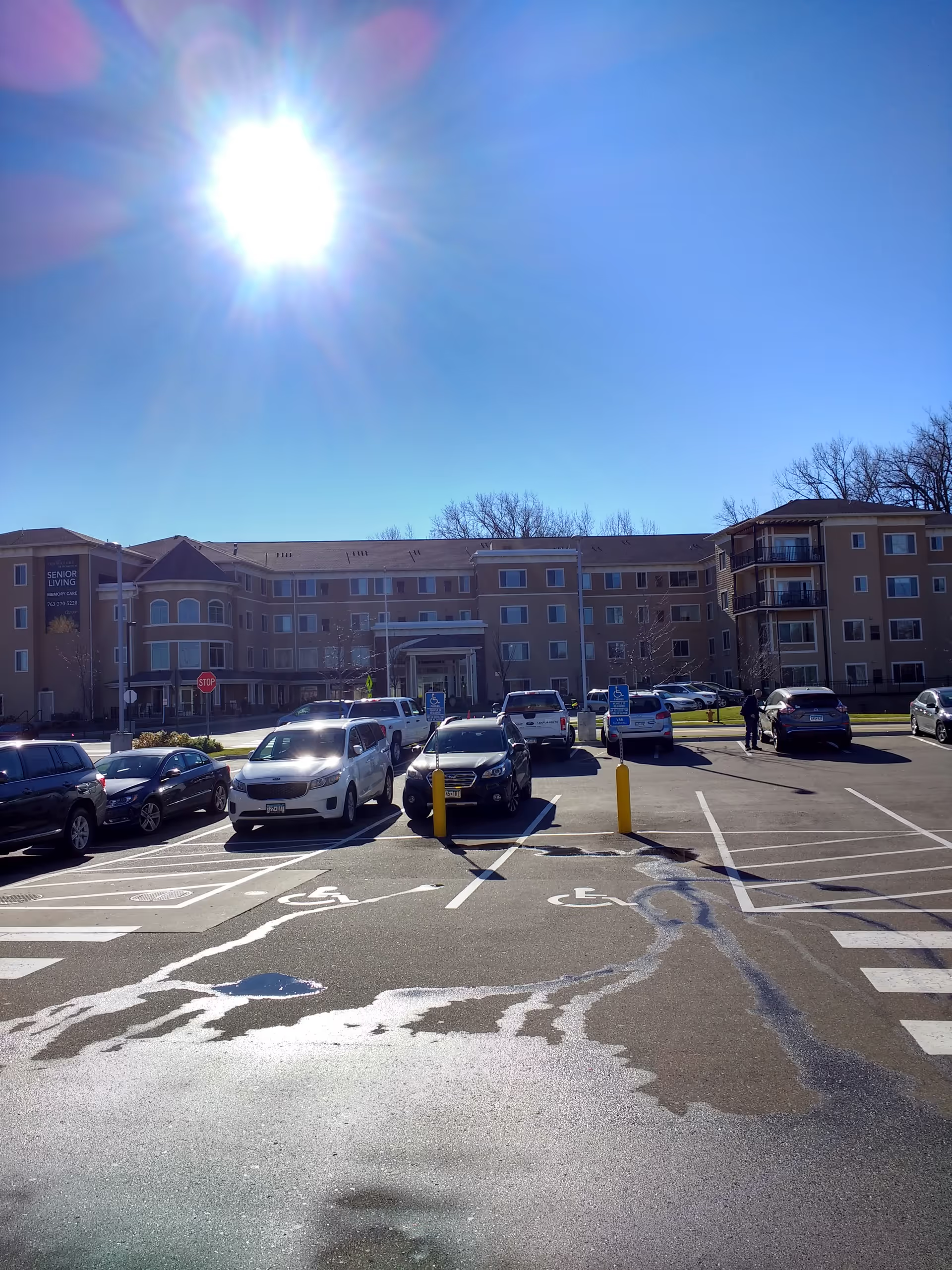
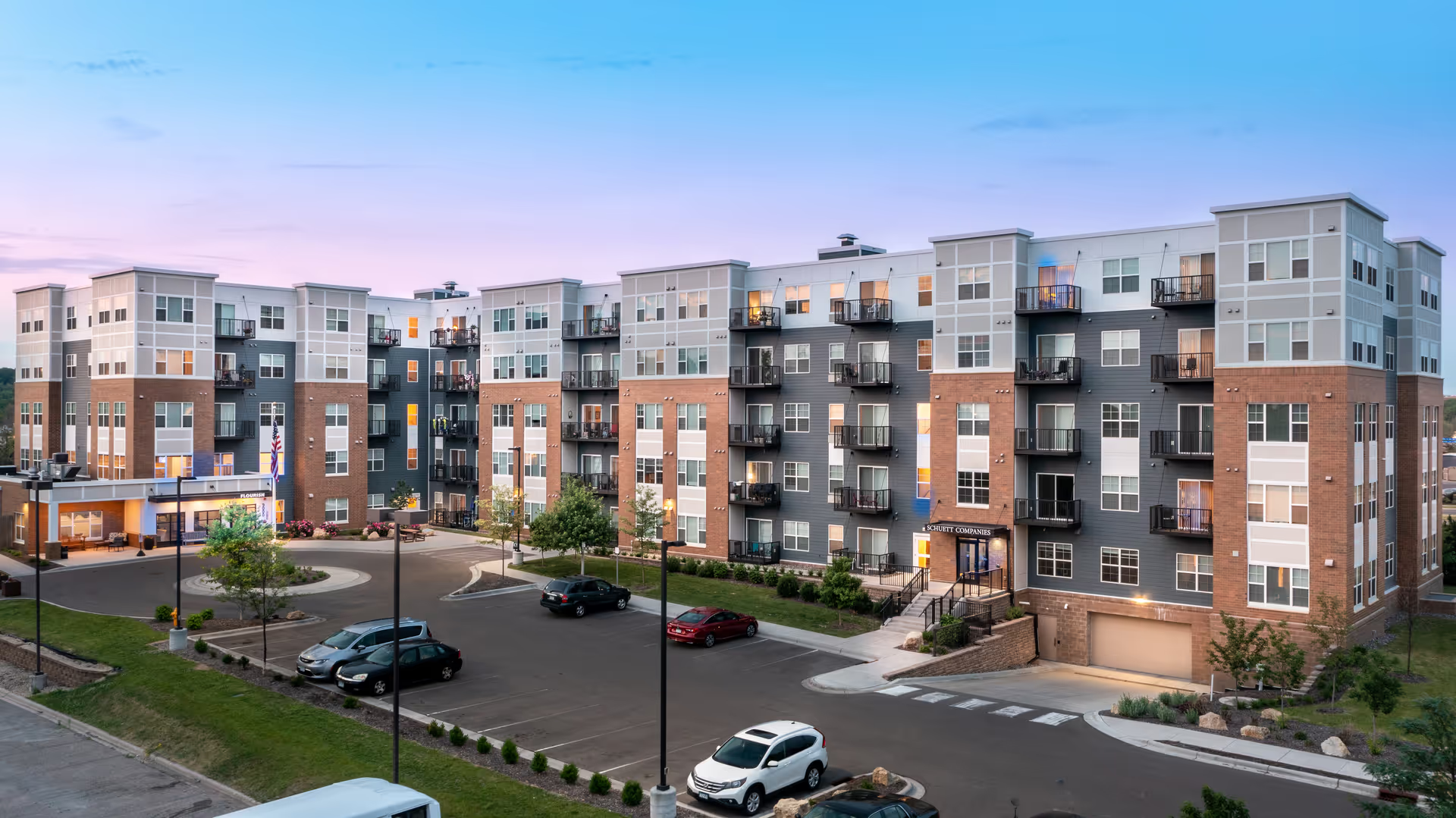
Facility environment feedback is generally positive — described as beautiful and home-like — but some reviewers found certain communal areas dimly lit or less well maintained, which can affect perceived safety and comfort. Comments about dining and activities were limited but those that appear emphasize programming and routines oriented toward memory support and quality-of-life engagement rather than a focus on more clinical services.
Management and communication are seen as strengths by many families: staff are praised for timely coordination with medical providers and for maintaining frequent, personal updates. At the same time, the mixed reports suggest management should prioritize consistent staffing, strengthen medication and clinical-incident protocols, and ensure promised therapies and individualized plans are reliably delivered.
For prospective residents and families: consider in-person observation of staffing levels during different shifts, review medication-administration and incident-response policies, ask for examples of individualized therapy plans and how they are audited, and request references from current families. These steps can help clarify whether the facility’s strong relational culture and memory-care focus are matched by consistent operational practices.