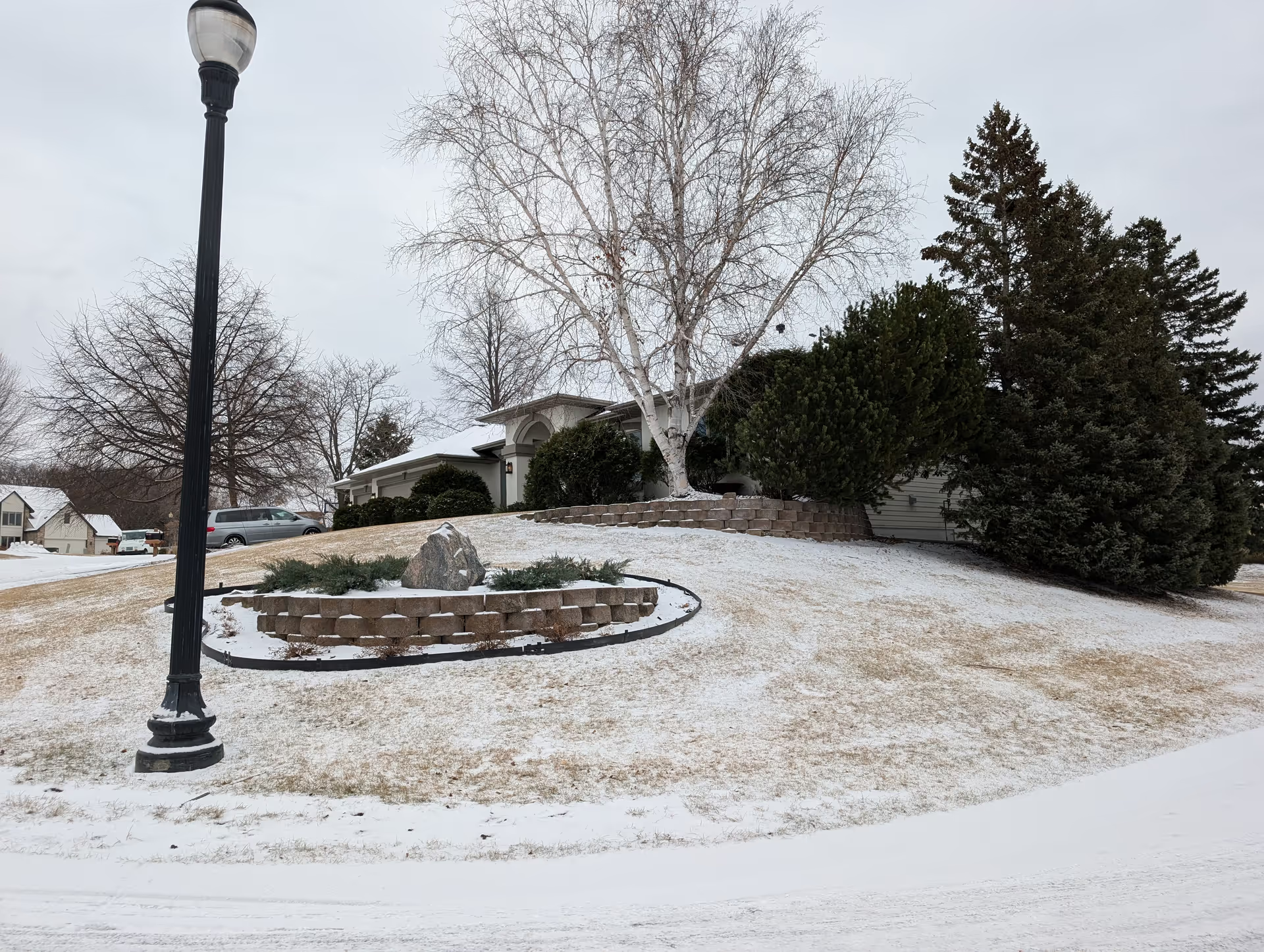
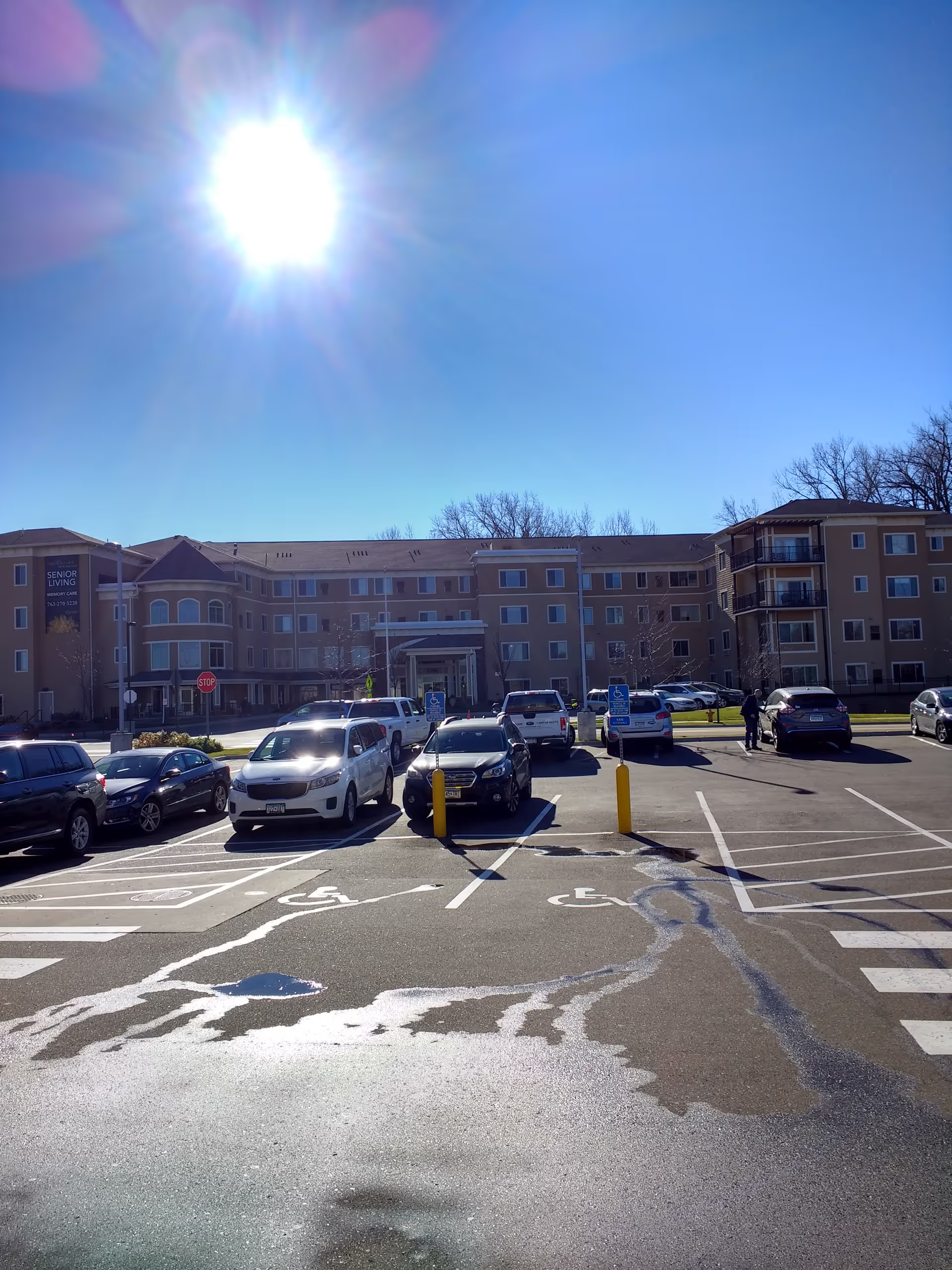
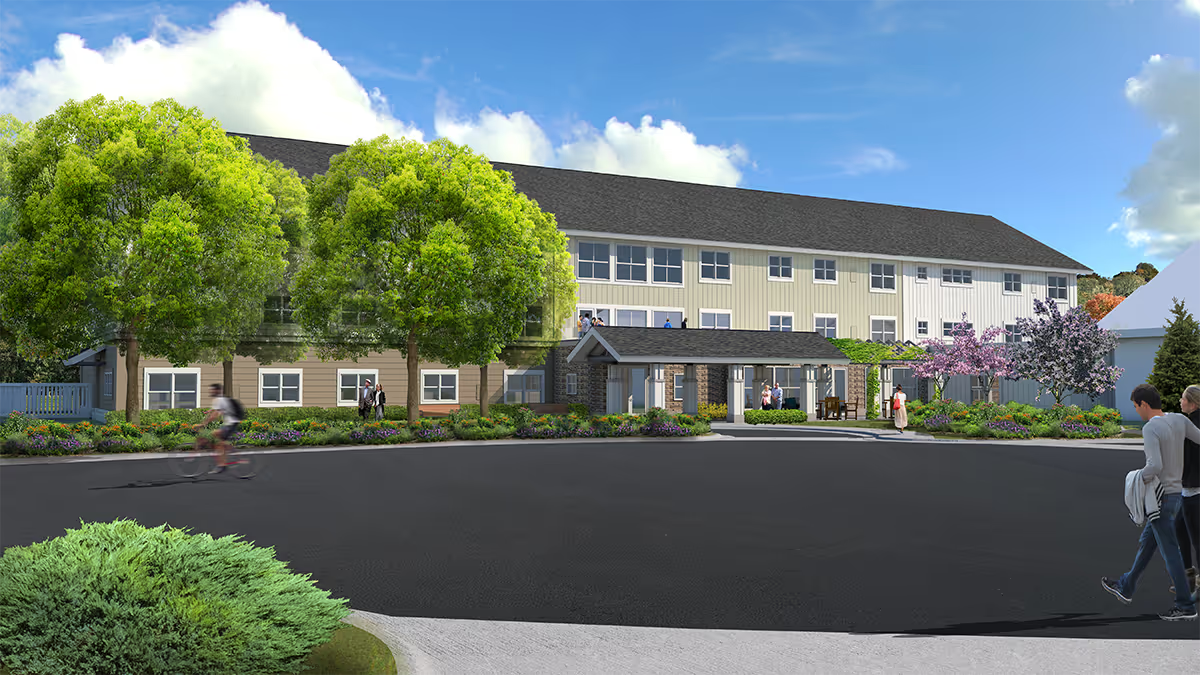
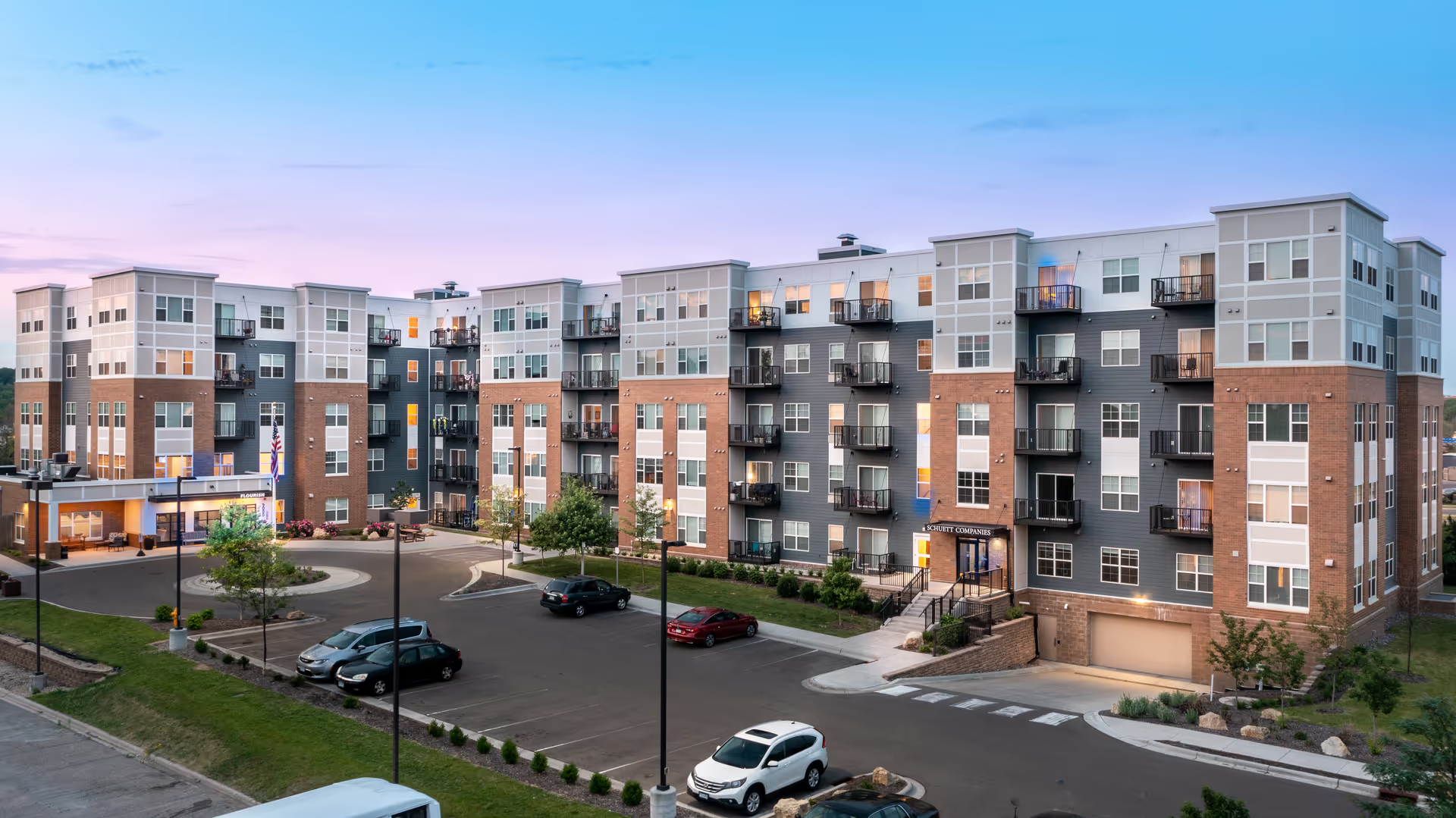
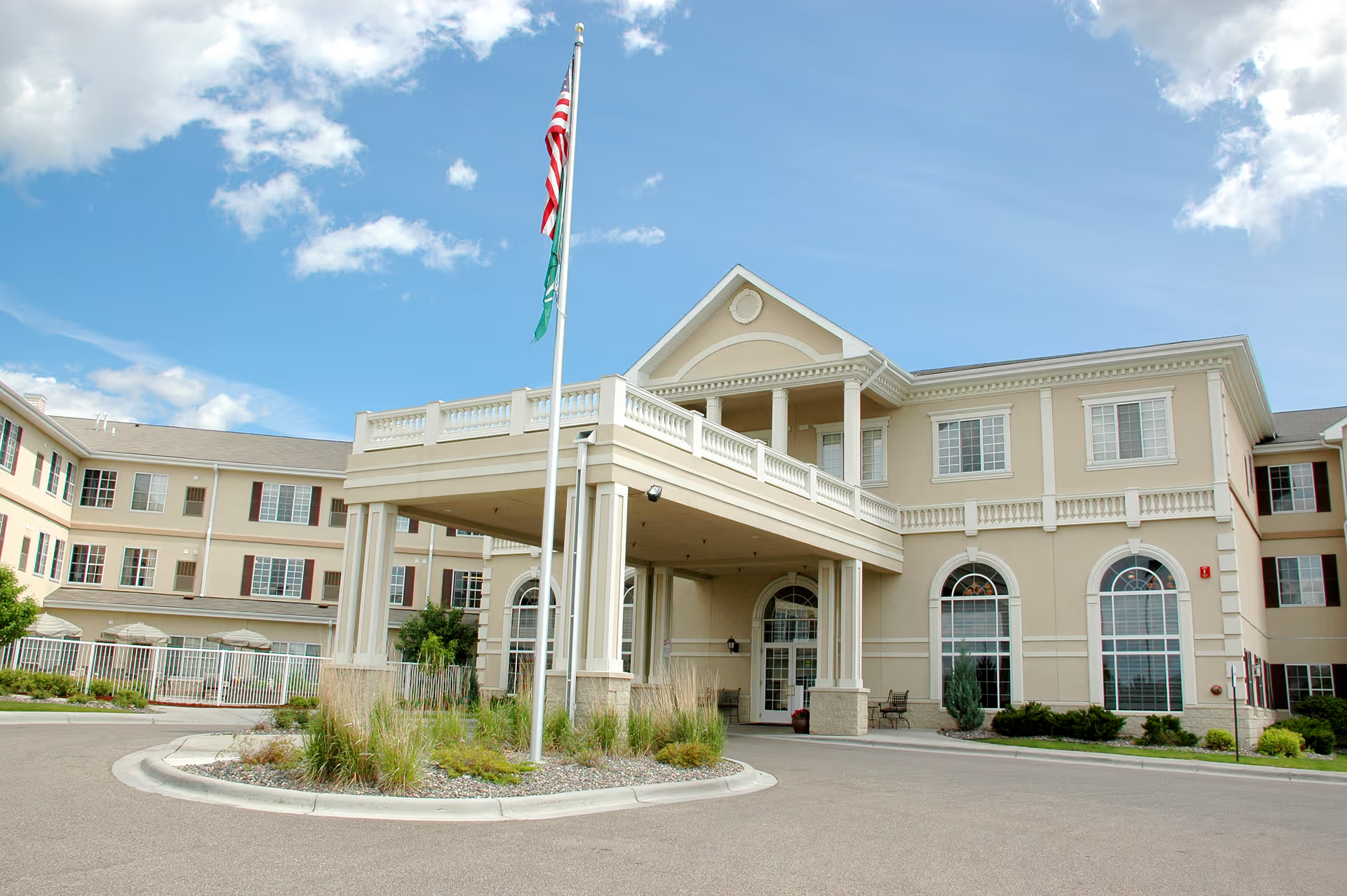
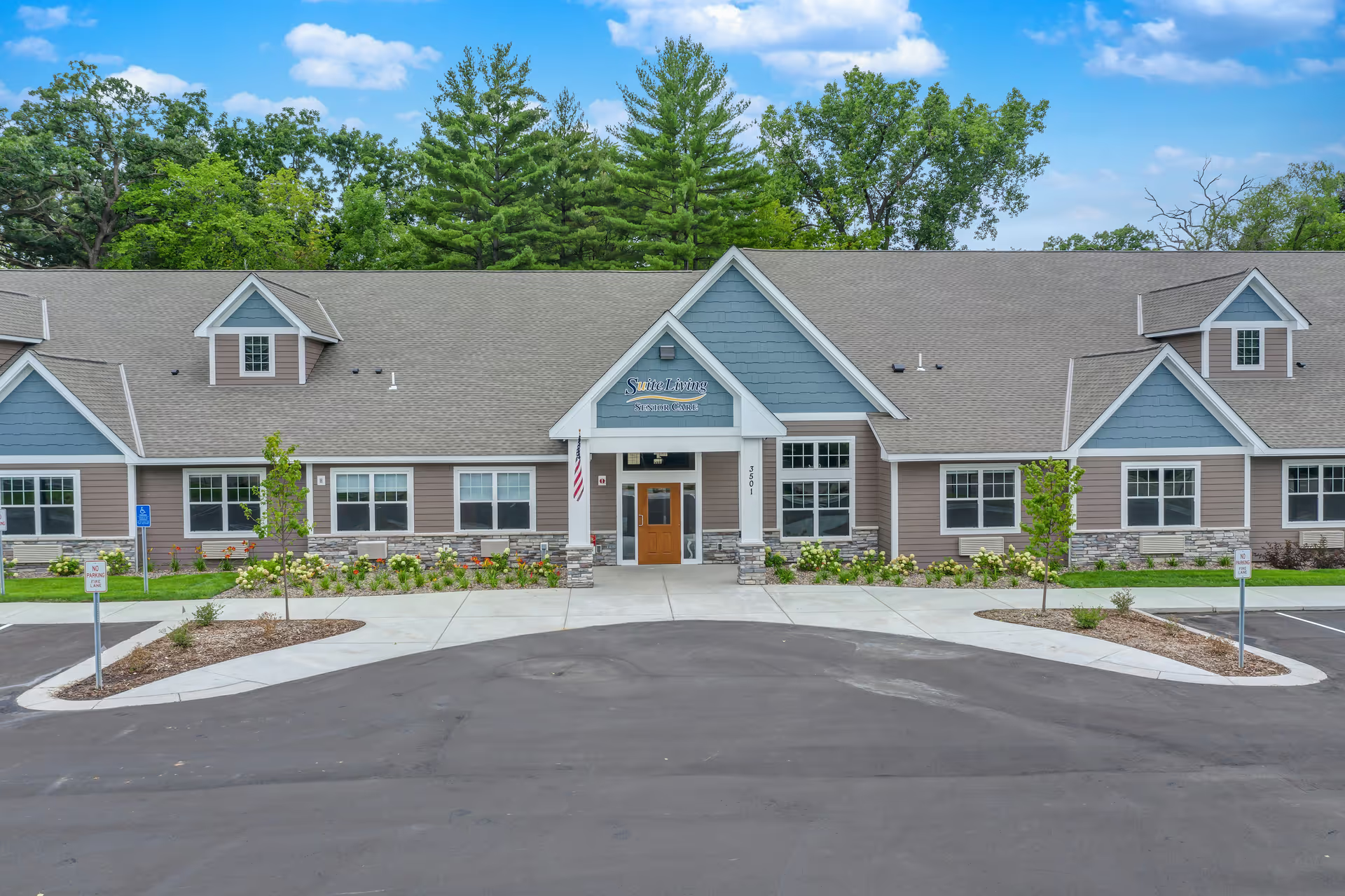
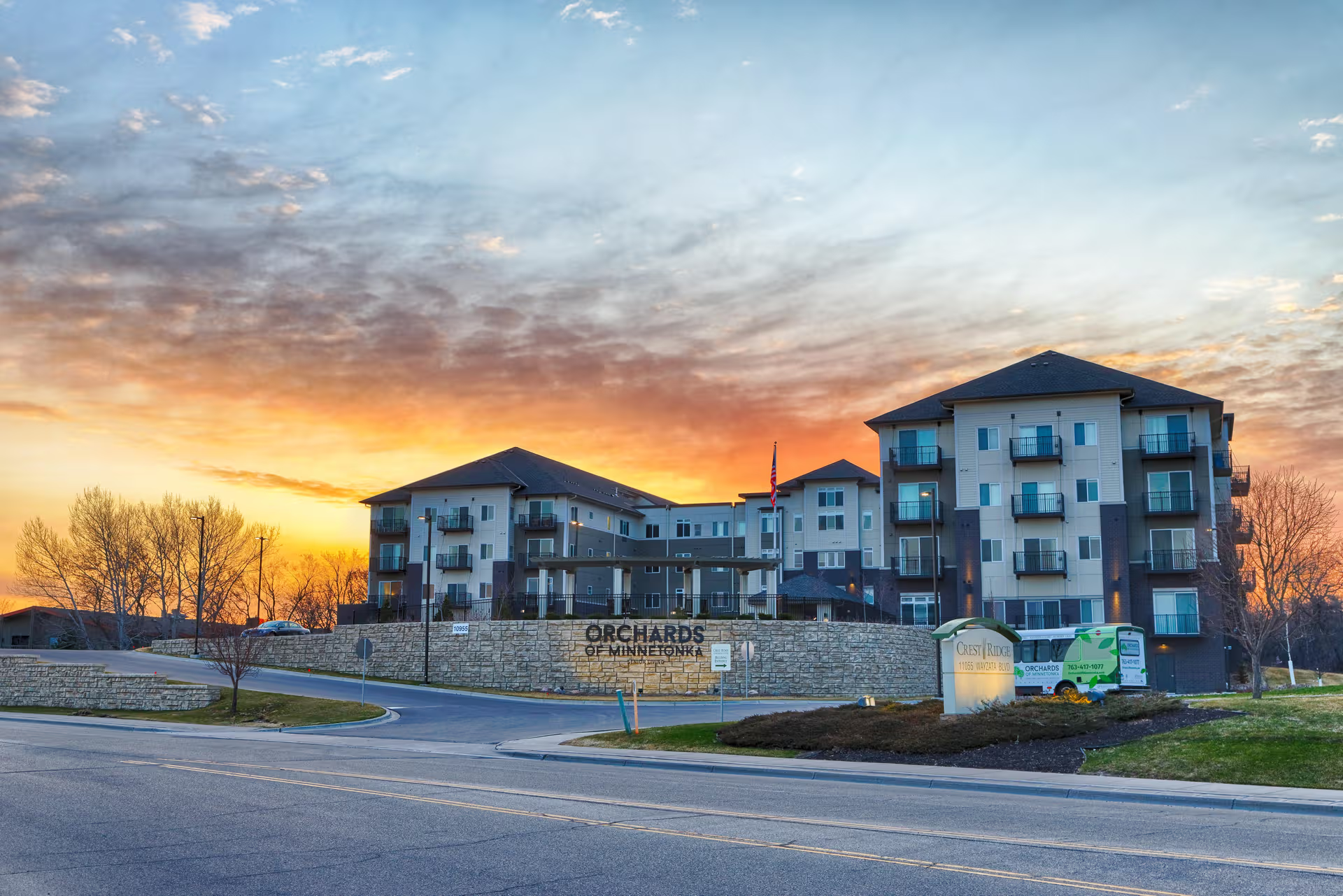
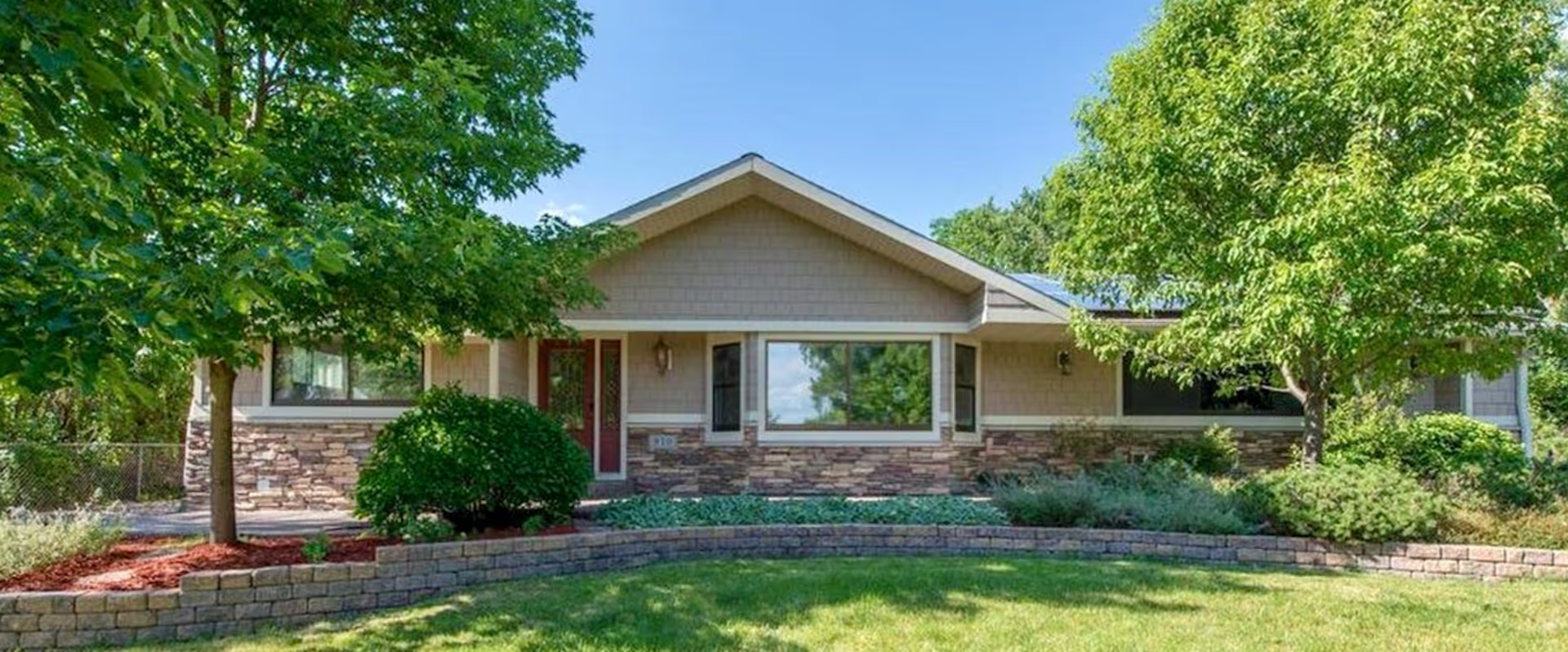
The reviews indicate a facility with meaningful strengths alongside significant operational weaknesses. Positive accounts emphasize compassionate caregivers, effective therapy services, and helpful social-work support; several families described notable functional improvements after therapy, including regained transfer ability and increased independence. The campus and outdoor areas are highlighted as pleasant, family-friendly spaces suitable for visits and small gatherings.
Care quality appears uneven. Multiple reviewers praised individual staff members for kindness and clinical competence, but others described frequent delays in attending to residents and inconsistent personal-care practices. Call-light responsiveness and staffing levels are recurring concerns, and these delays were associated with increased family anxiety about resident safety. Therapy services received uniformly favorable comments for measurable progress, indicating that rehabilitation programs may be a relative strength despite broader care inconsistencies.
Safety and clinical operations show pattern-level gaps. Several families noted issues related to transfers and fall prevention, delayed or inconsistent documentation, and unclear communication about medications and recovery timelines. Sanitation and incontinence-care practices were also cited as inconsistent across units. Administrative transparency is a repeated theme: relatives described poor communication, conflicting information from staff and management, and difficulties in resolving disagreements about rules and post-mortem property retrieval.
Interpersonal climate and governance raise further concerns. Reviewers described instances of perceived favoritism and biased interactions, including claims of discriminatory treatment; some families escalated serious concerns to external authorities. There are also statements reflecting a perception that financial considerations sometimes influence care decisions. At the same time, several named staff and social workers were singled out for exemplary support, suggesting variability in performance at the individual level.
For prospective residents and families, the pattern suggests a facility where strong clinical rehabilitation and some very dedicated staff coexist with operational weaknesses in staffing consistency, communication, hygiene practices, and certain safety processes. When evaluating this facility, families may wish to ask about current staffing ratios and call-light response times, transfer and fall-prevention protocols, documentation practices, infection-control and sanitation audits, policies for addressing discrimination and staff conduct, and the procedure for property retrieval after a resident’s death. Visiting during different shifts and speaking directly with therapy staff and social workers can help clarify whether the facility’s strengths align with a prospective resident’s needs.