The Villas at Robbinsdale elicits sharply divergent experiences. Many families and patients praise the clinical therapy teams, social-work support, and bedside nursing: physical and occupational therapy frequently receive positive remarks for measurable progress; social workers are described as effective advocates for placement and discharge planning; and individual nurses and aides are often characterized as attentive, compassionate, and communicative. Several reviewers recommend the facility for short-term transitional care and some for longer-term residency on the basis of staff engagement and successful home discharges.
At the same time, a substantial set of operational concerns recurs across reviews. Staffing inconsistency and gaps in coverage — especially overnight and on weekends — are described as producing delayed responses to call lights and slow assistance with personal needs. Reviewers describe variability in clinical practices, including medication administration and IV/insulin monitoring, that family members found worrisome. Relatedly, there are noted weaknesses in incident response and clinical documentation; several accounts describe delayed or insufficient follow-up after falls or other clinical events.
Dining and personal-care experiences are mixed. Some residents and families report satisfying meals and a convivial dining atmosphere, while others report inconsistent food quality, limited portioning, and a lengthy interval between meals without available snacks. Personal-care concerns include inconsistent bathing schedules and incontinence-care delays; these are sometimes described alongside sanitation and odor concerns in common areas, indicating uneven housekeeping and infection-control performance across units.
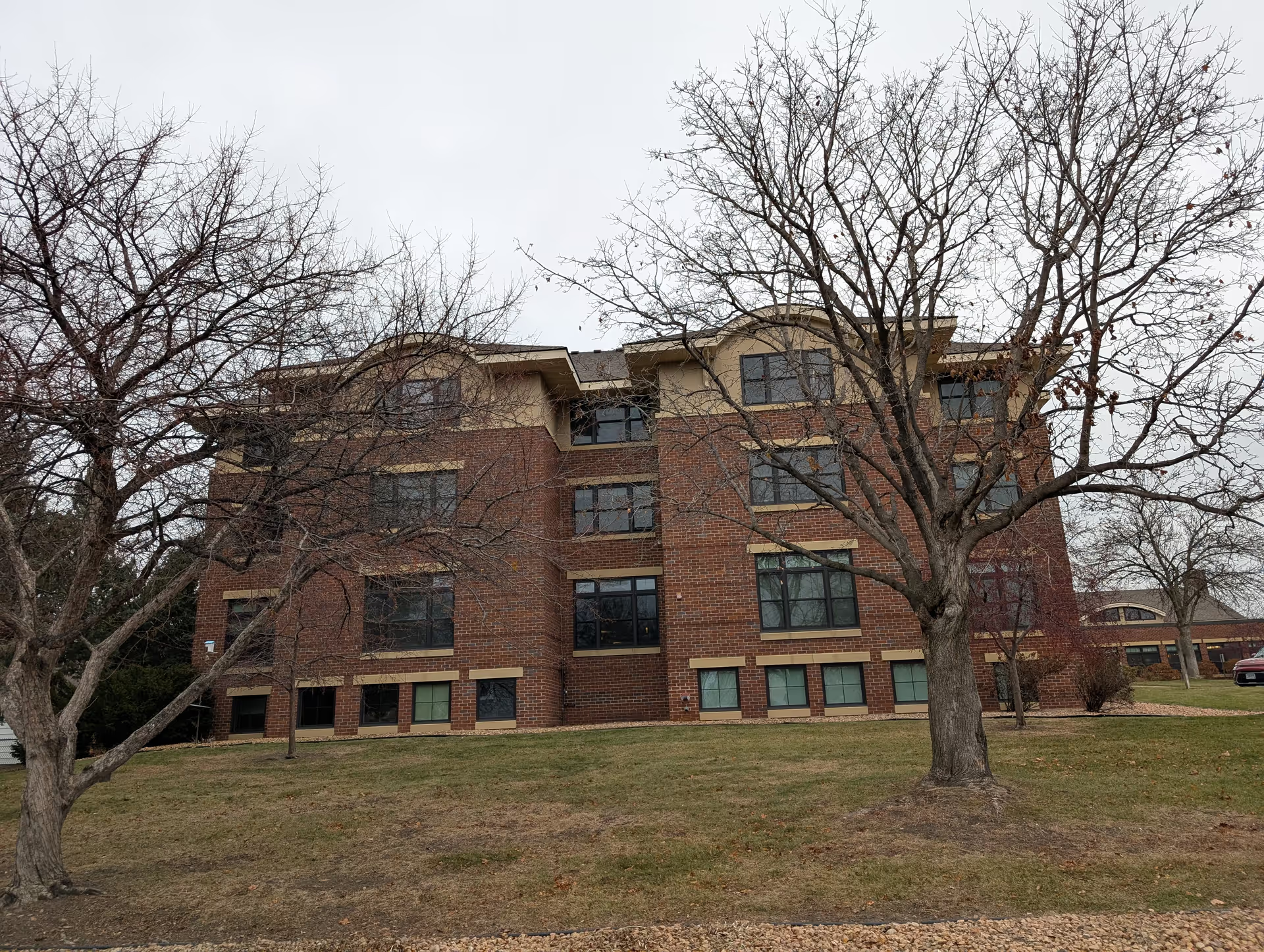
Facility condition and management issues appear frequently. Multiple reviewers described maintenance needs and an older physical plant; others cited cleanliness variability. Communication and administrative areas also generate friction: families note difficulties with billing lines, front-desk responsiveness, and limits on refrigeration or dining flexibility that affect resident convenience. Privacy and HIPAA-related concerns, as well as isolated reports of property loss, have been raised and may warrant operational review.
Notable patterns: experiences appear highly variable by unit, shift, or individual staff member. Positive accounts tend to emphasize particular nurses, therapists, or social workers who went beyond expectations; negative accounts often point to systemic issues such as staffing shortages, uneven training/oversight, and inconsistent policy enforcement. There are also isolated, serious claims — including falls requiring hospitalization, end-of-life concerns, and reports that prompted ombudsman contact — that suggest regulatory or managerial follow-up would be appropriate.
For prospective residents and families: the facility can provide strong rehabilitative therapy and supportive staff relationships, but it has documented weaknesses in operational consistency, environmental maintenance, and clinical oversight. If considering placement, ask targeted questions about current staffing ratios and overnight coverage, medication-administration protocols, recent incident reports and corrective actions, infection-control practices, meal schedules/snack availability, and how the facility handles family communication and billing. Visiting during multiple shifts (including evenings/weekends) and meeting the nursing leadership and social worker can help clarify whether the facility’s strengths align with your expectations and clinical needs.