Overall impression Reviews present a predominantly positive view of Benedictine Senior Living Community of St. Petersburg, with consistent praise for the facility’s staffing, on-site environment, and programming. Family members and residents highlight professional and caring staff, visible leadership, and clean, well-maintained common areas. At the same time, there are discrete concerns about interpersonal interactions and service scope that prospective families should confirm during a visit.
Care and clinical oversight Clinical aspects are portrayed as attentive, with comments about responsive caregiving, improved medication-management practices, and stable laboratory monitoring. These points suggest the facility has functioning clinical oversight and that management has focused on medication and monitoring processes. However, the presence of at least one report describing an unfavorable staff interaction indicates a need to probe staff conduct, tone, and communication processes during intake and ongoing care planning.
Staff and management Staff are frequently described as supportive and professional, and leadership is characterized as strong and effective. Those factors correlate with the positive descriptions of care and operational cleanliness. The mixed reports about staff conduct point to variability in interpersonal delivery rather than a uniform operational failure; prospective families may wish to ask about staff training, supervision, and grievance/feedback procedures to understand how the facility addresses conduct concerns.
Dining and activities Dining is cited positively — meals are described as varied and palatable — and activity programming appears active and engaging, with groups and events available. These elements support quality-of-life considerations and indicate an emphasis on social and recreational offerings appropriate for independent or assisted living residents.
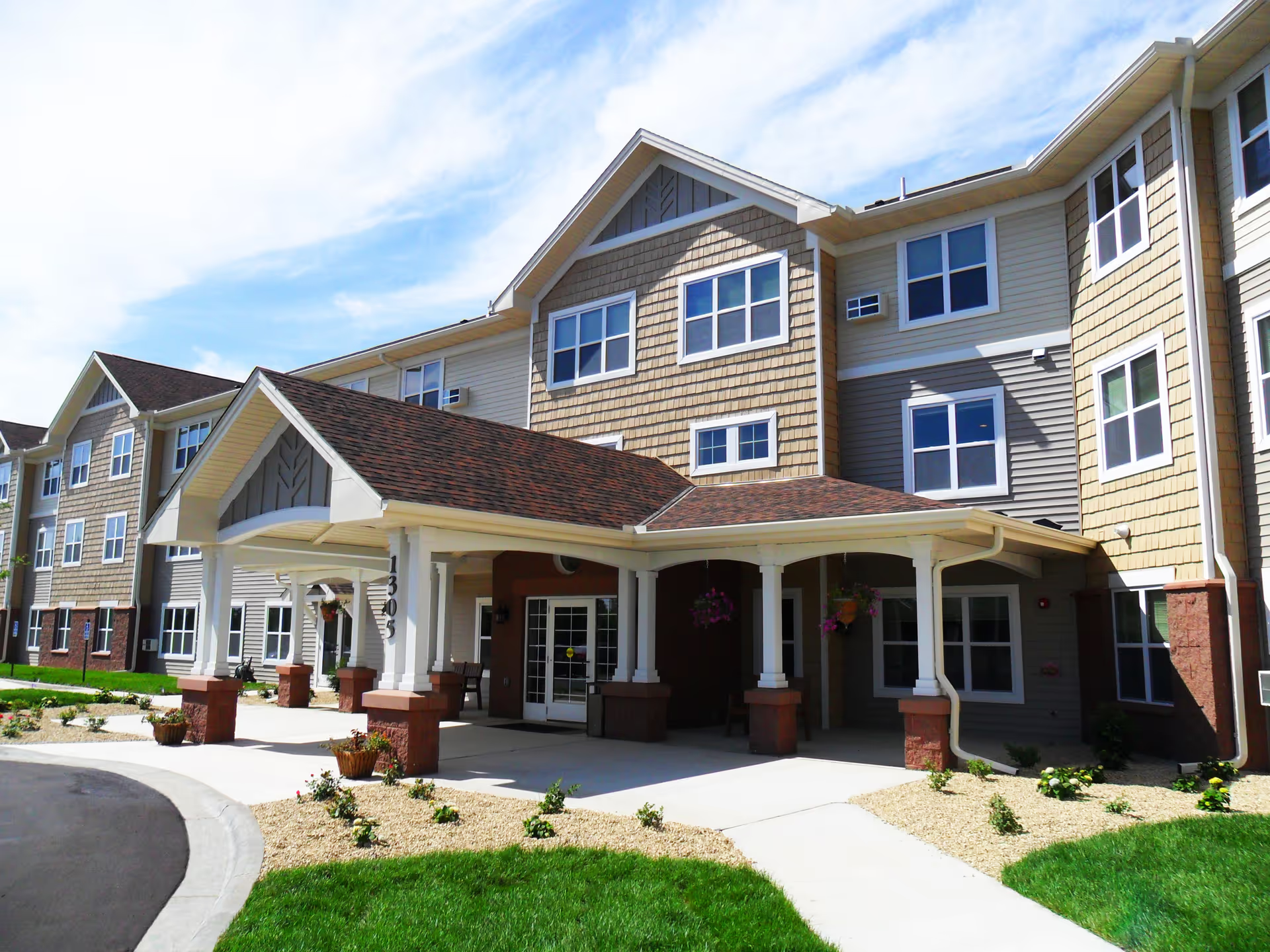
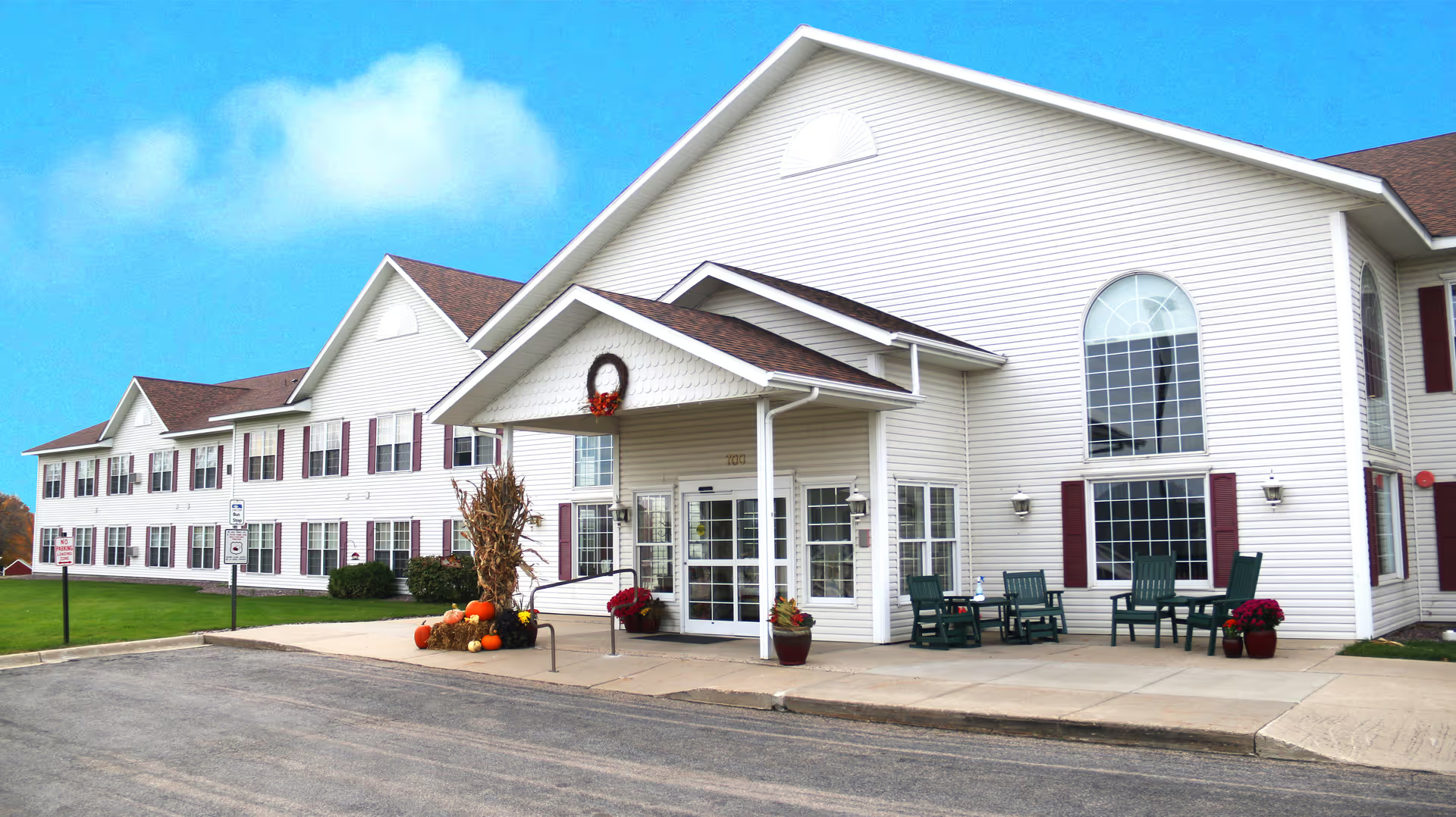
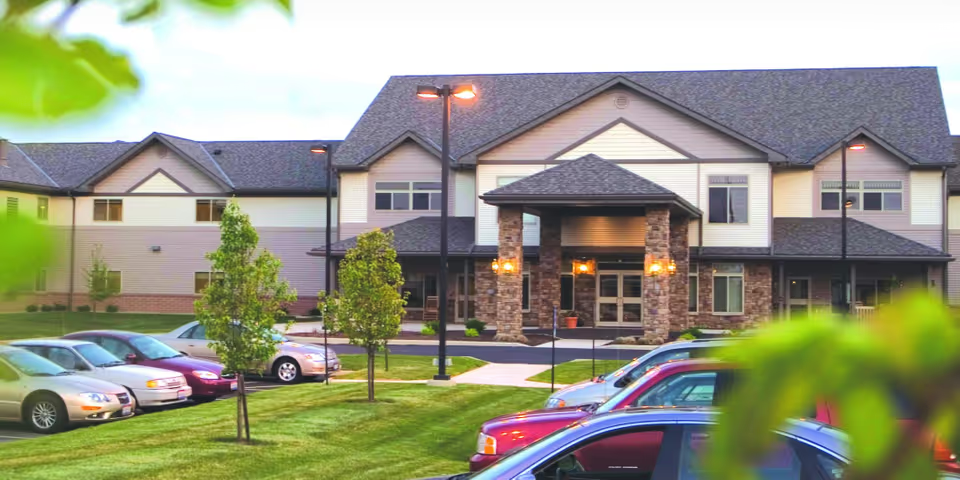
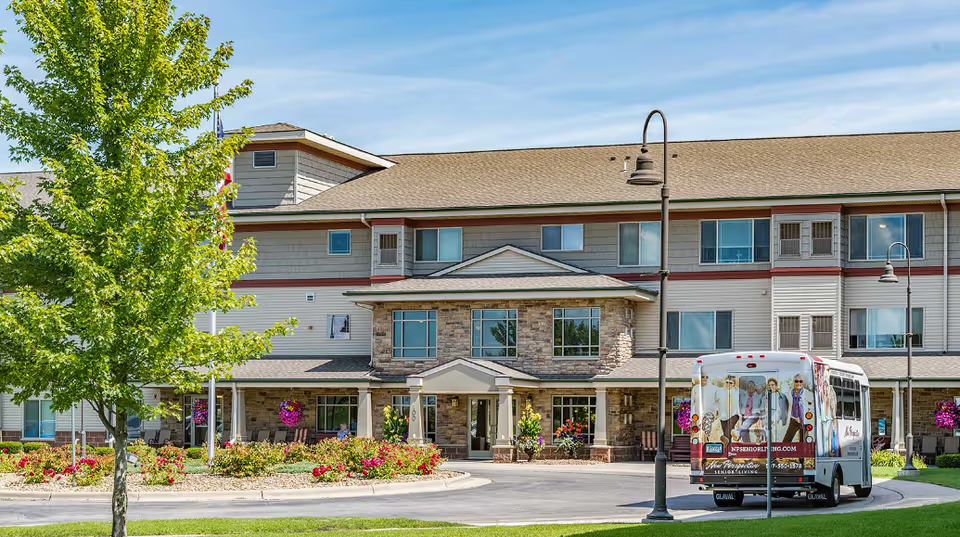
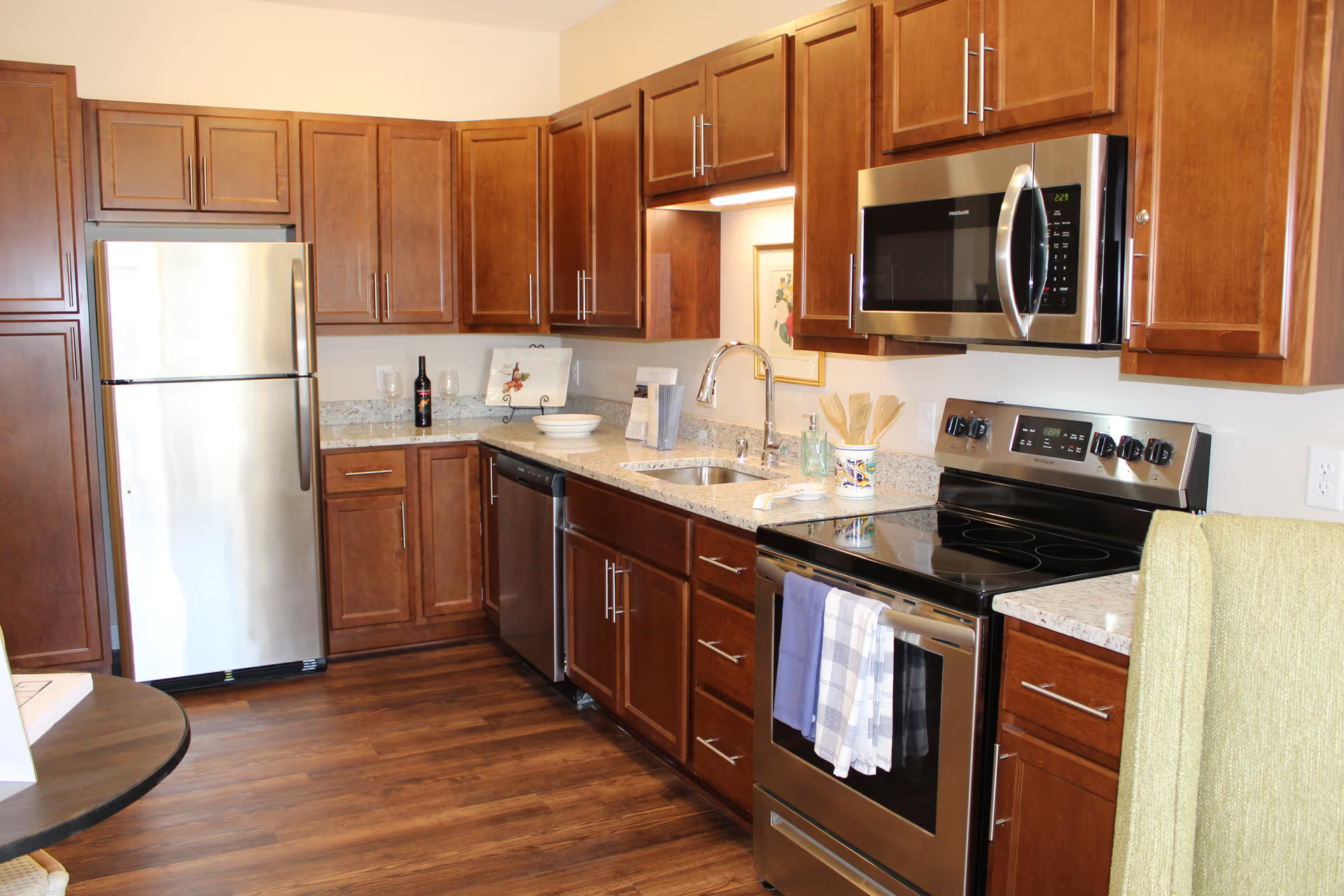
Facilities and access Physical plant comments are favorable, with clean and well-maintained interiors. Two practical access issues appear in the feedback: the facility’s location may be less convenient for some visitors, and there are limits noted around viewing resident rooms during tours. Families should verify touring policies, parking/transportation options, and the scope of spaces shown during a site visit.
Notable patterns and recommendations The pattern across comments is largely positive but not uniformly so: strong leadership, attentive clinical practices, and robust programming coexist with isolated concerns about staff conduct and gaps in specialized services. Of particular operational relevance is the absence of stroke-specific rehabilitation on-site; families needing neuro-rehab should clarify available therapy options and transfer pathways. When evaluating this community, prospective residents and their families should (1) request a full tour that includes sample rooms, (2) ask about specialty therapy availability and partnerships for post-acute rehab, (3) review medication-management and clinical-monitoring protocols, and (4) discuss staff training and complaint-resolution procedures to address any concerns about communication or conduct.