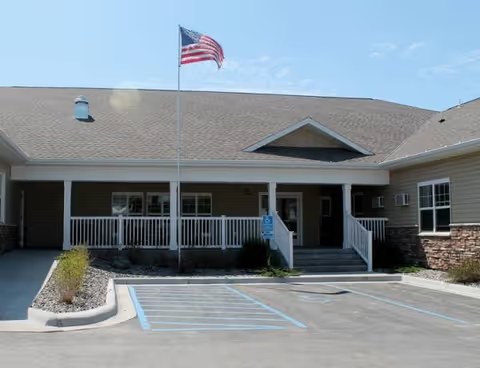
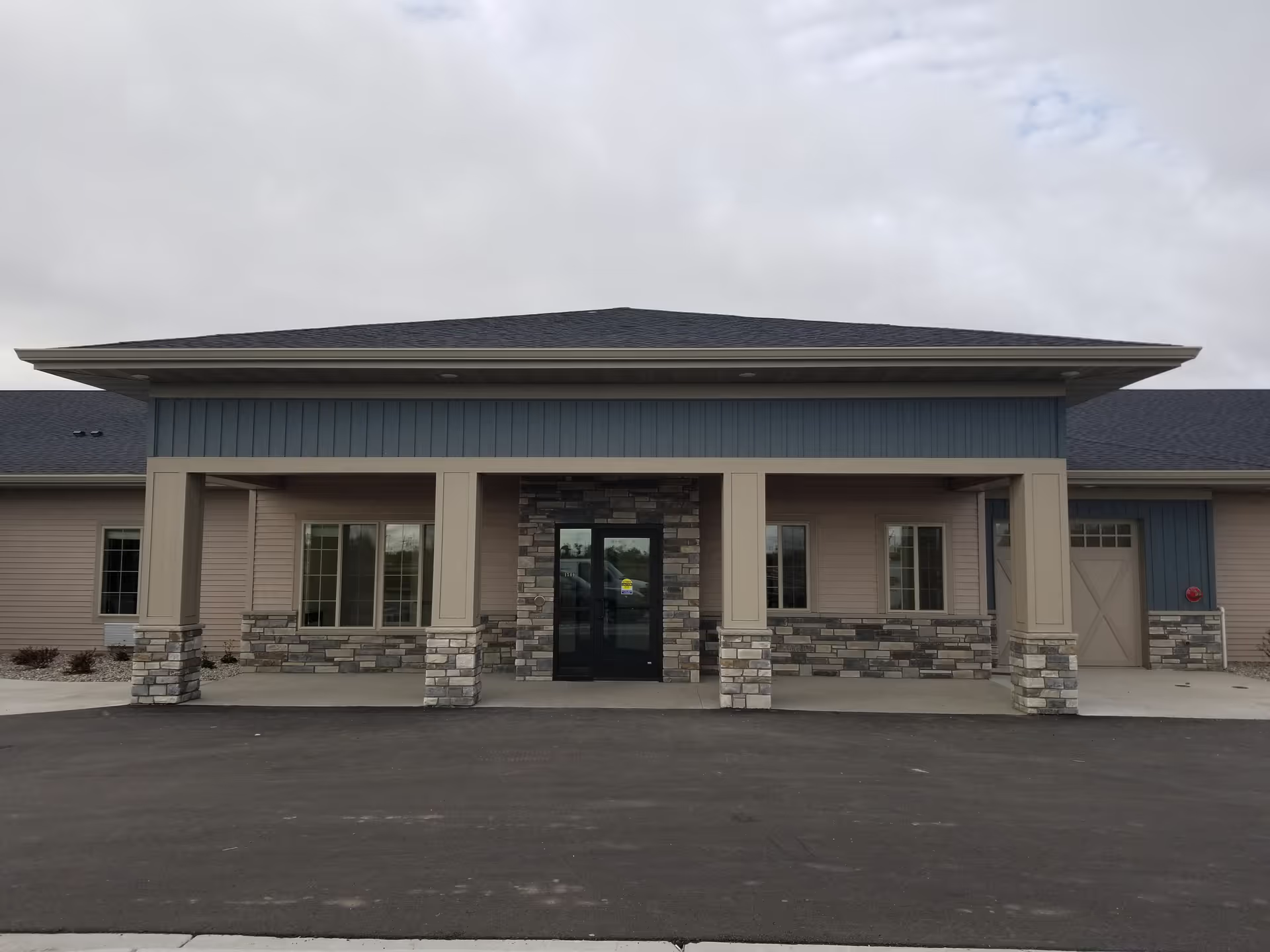
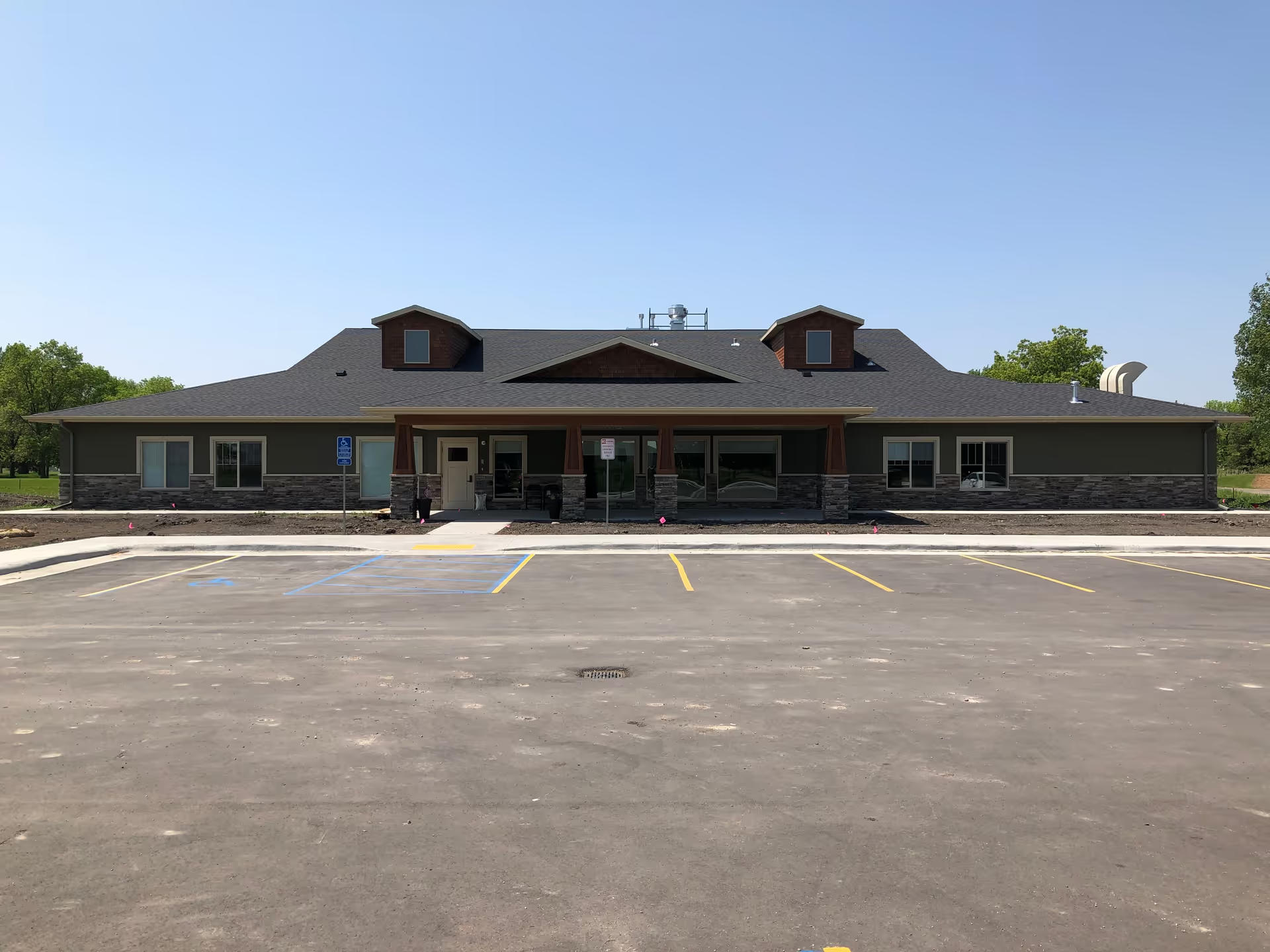
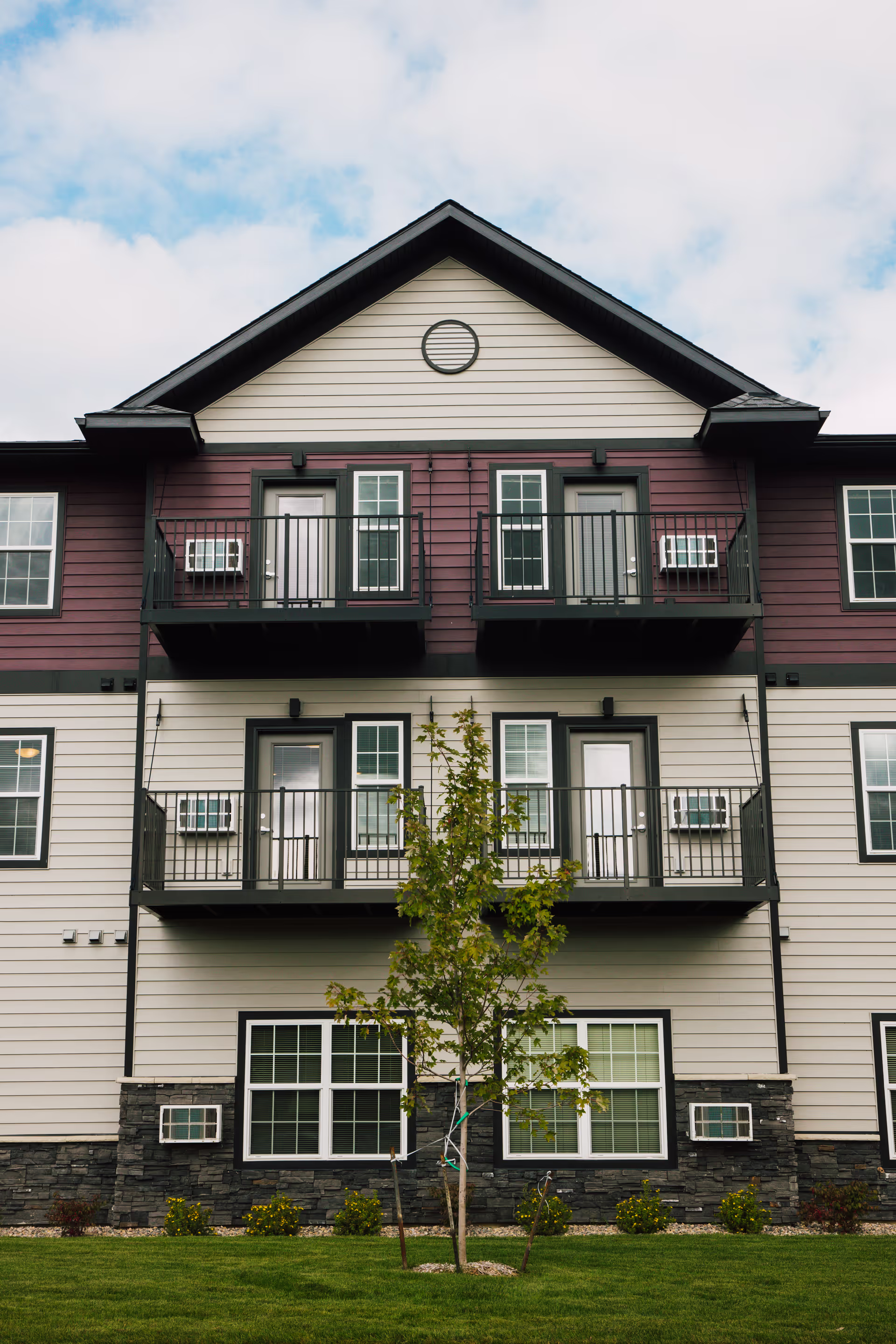
The reviews paint a generally positive picture of Twin Valley Assisted Living with a number of recurring strengths and a few notable caveats. Many comments emphasize the quality of direct care: staff are described as friendly, attentive, and engaged with residents, with specific praise for nurse aides and activity staff. One-on-one attention and individualized care are highlighted, and leadership (administrator and nursing director) is frequently characterized as capable. These elements contribute to an overall impression of a safe, caring, and welcoming environment.
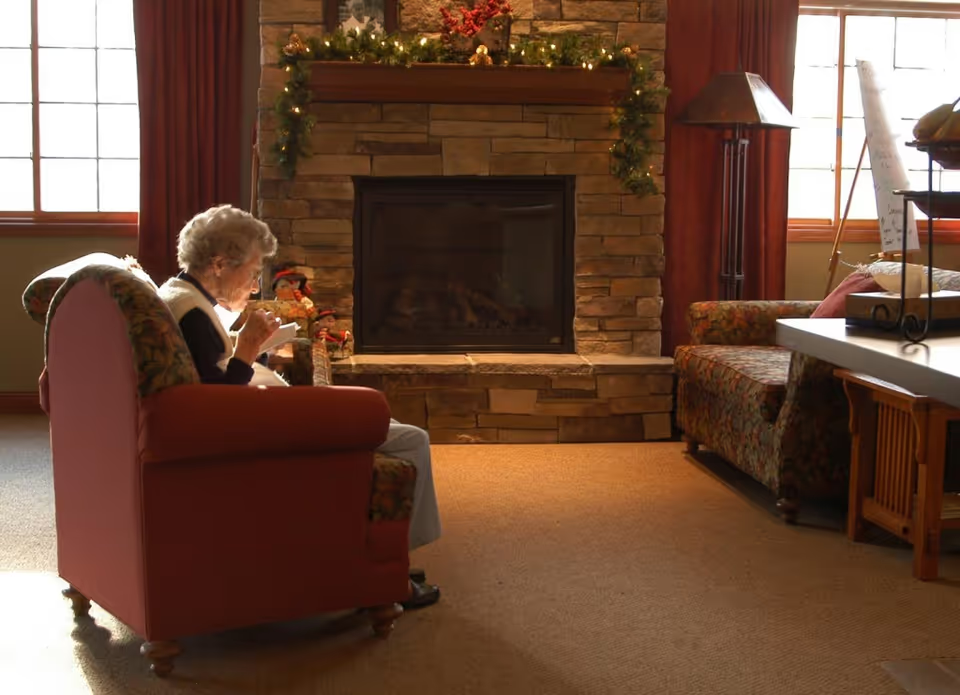
Activity programming and facility amenities are among the more visible strengths. The community is described as home-like and engaging, with regular activities, puzzles and games, an indoor bird habitat, a pool table, a courtyard, and an on-site resident dog that contributes to the atmosphere. Regular cosmetology services and Sunday church services are also mentioned, indicating attention to resident quality of life and routine social opportunities. Several comments reflect a positive experience with comfort and daily living (for example, restful naps and enjoyment of activities).
Information about clinical operations and dining is limited in the available summaries. While clinical leadership receives positive mentions, there is little detailed feedback about meal quality, menus, or specific clinical processes such as medication management and bathing schedules. Prospective residents and families should request current menus, sample care plans, and any relevant inspection or staffing records to evaluate those operational areas.
Two cautionary patterns emerge from the commentary. First, there is an apparent distinction in reputation between the assisted living operation and the separate nursing center; at least one negative account referenced the nursing center specifically, suggesting potential variability in quality across care levels. Second, some commentary raised concerns about the credibility of online reviews and possible staff influence on ratings. These items do not by themselves establish systemic clinical failures, but they do recommend a careful, document-focused visit: ask management for details about staffing ratios, turnover, regulatory history, dining samples, and recent family satisfaction surveys. Overall, the facility shows multiple strengths in caregiving, activities, and environment, but families should verify clinical and dining details and clarify which unit (assisted living vs nursing center) is under consideration before making a placement decision.