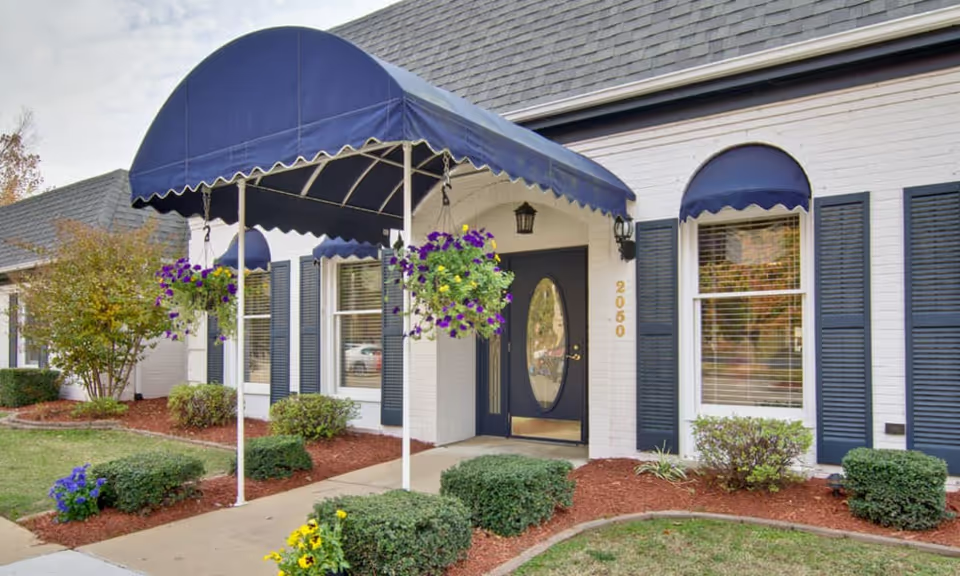
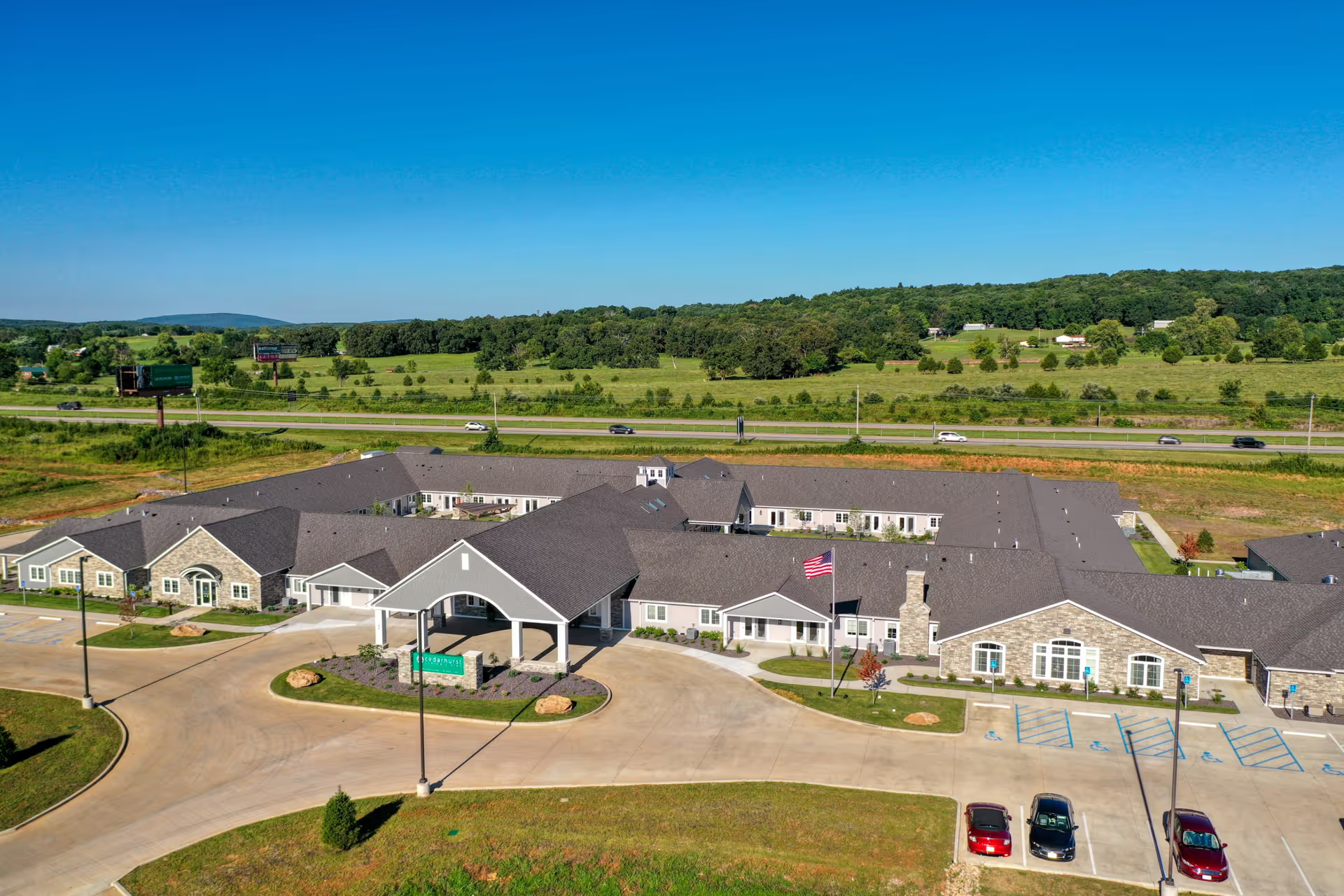
Aspire Health and Rehab of Advance presents a mixed picture. Several comments describe strong rehabilitative outcomes and a therapy program that helped restore mobility, and many emphasize the facility's smaller size and a personable atmosphere. Multiple reviewers singled out individual staff members — nurses, aides and kitchen personnel — as friendly, kind and caring, and some families expressed they would recommend the facility or consider returning. Those elements suggest that direct caregiving and therapy services can be effective and that interpersonal rapport is a notable strength.
At the same time, feedback identifies persistent operational concerns that affect perceived quality of care. Staffing levels and coverage consistency were recurring issues, leading to delays in routine care and gaps in responsiveness. Linked to staffing are reports of inconsistent personal-care practices, including unmet repositioning or bathing schedules and other incontinence-care delays. Reviewers also raised cleanliness and odor concerns in certain areas of the facility; these comments point to potential shortfalls in housekeeping and sanitation processes that merit attention.
Medication management and clinical-safety processes emerged as an area of concern. There are suggestions of uneven oversight of medication administration and at least one serious, individual safety-related incident described in the feedback (an alleged nurse overdose). Such accounts indicate a need for stronger medication-administration controls, clearer documentation, and more robust clinical-incident response protocols and family communication following events.
Dining and food-service operations were described inconsistently. While kitchen staff were characterized as friendly, there were reports of late meal service and issues with food quality or odors, indicating variability in meal preparation and logistics. Activities were not frequently discussed in the available feedback; the facility’s small size may support individualized engagement, but there is little explicit information about the breadth or consistency of programming.
Facility condition and management practices were also noted. Some reviewers described outdated infrastructure and maintenance needs, which can compound perceptions of cleanliness and comfort. Concerns about administrative responsiveness and leadership — including communication gaps and scheduling/coverage decisions — were cited as drivers of the operational problems above.
Overall, prospective residents and families should weigh the facility’s clear strengths in rehabilitation outcomes and compassionate frontline staff against documented operational weaknesses: staffing and coverage instability, sanitation and incontinence-care concerns, variability in dining service, medication-administration oversight issues, and perceived management shortfalls. These patterns suggest that while individual caregivers and the therapy program may perform well, systemic improvements in staffing, clinical oversight, housekeeping, and administrative communication would be important to address for a consistently positive experience.