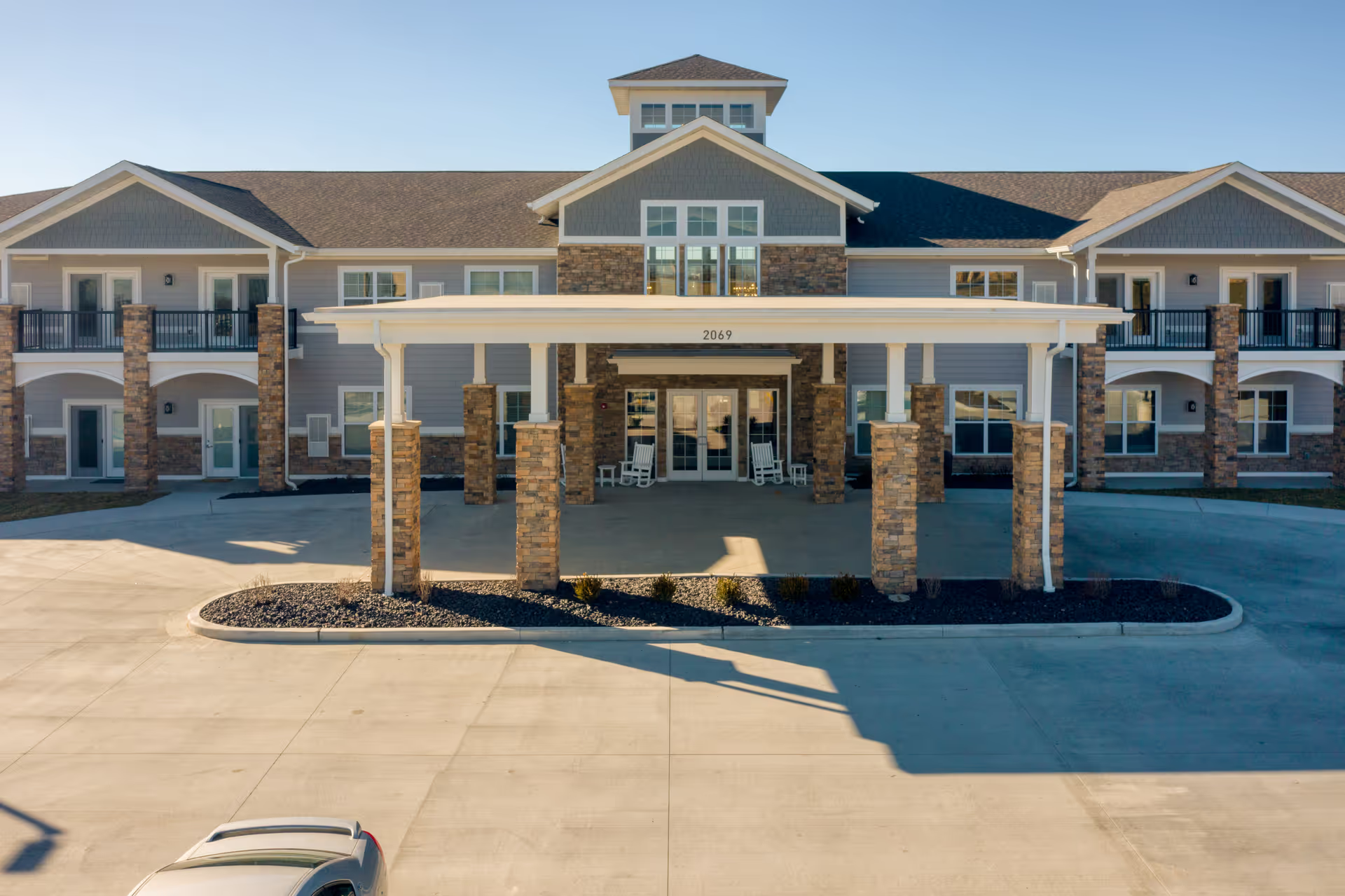
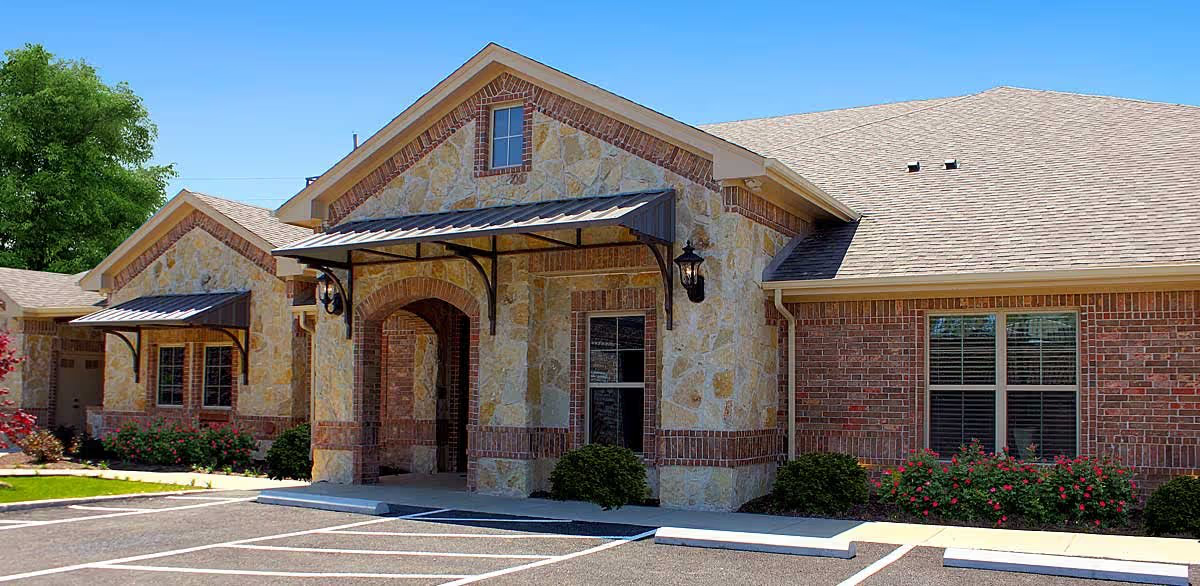
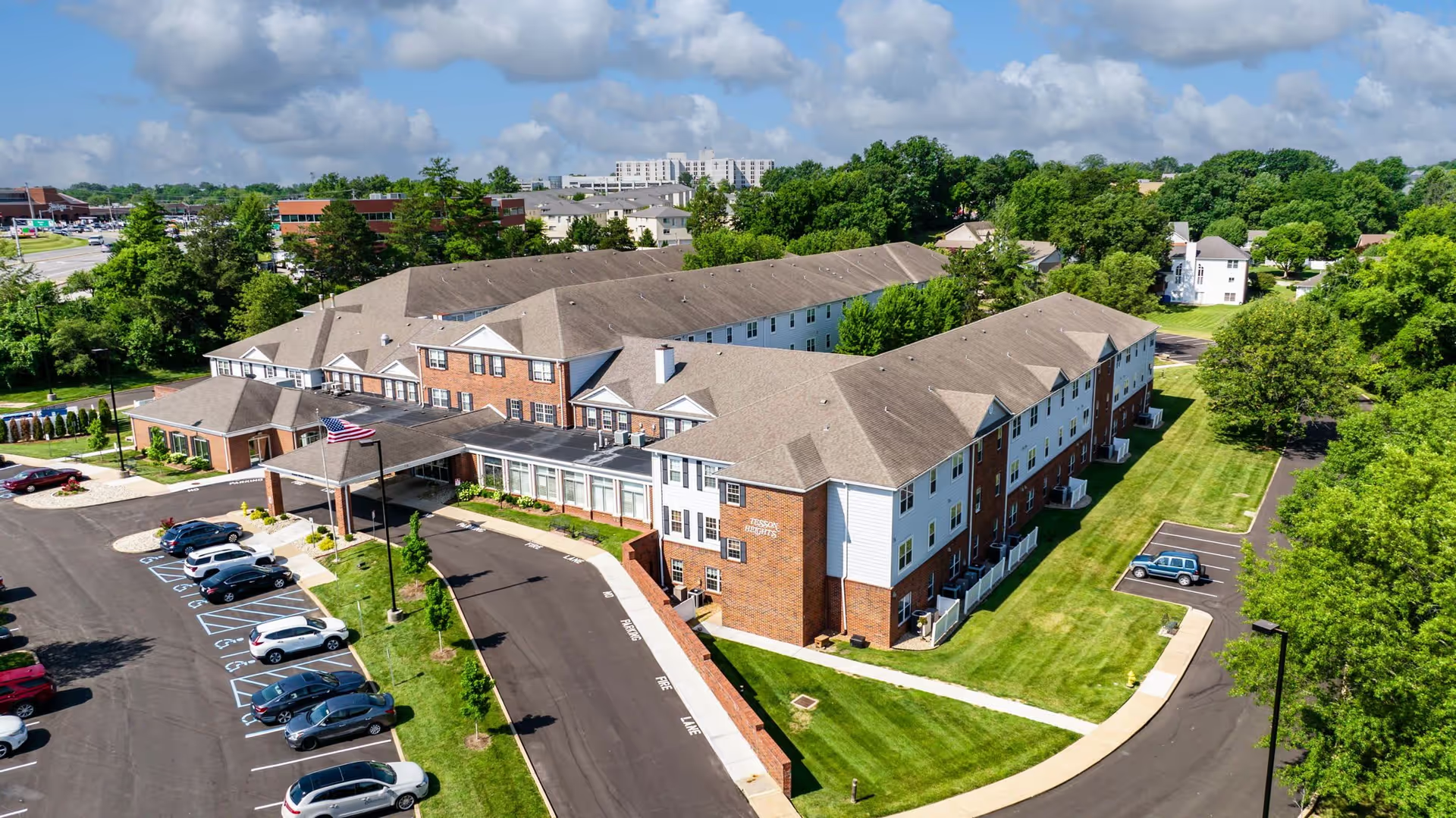
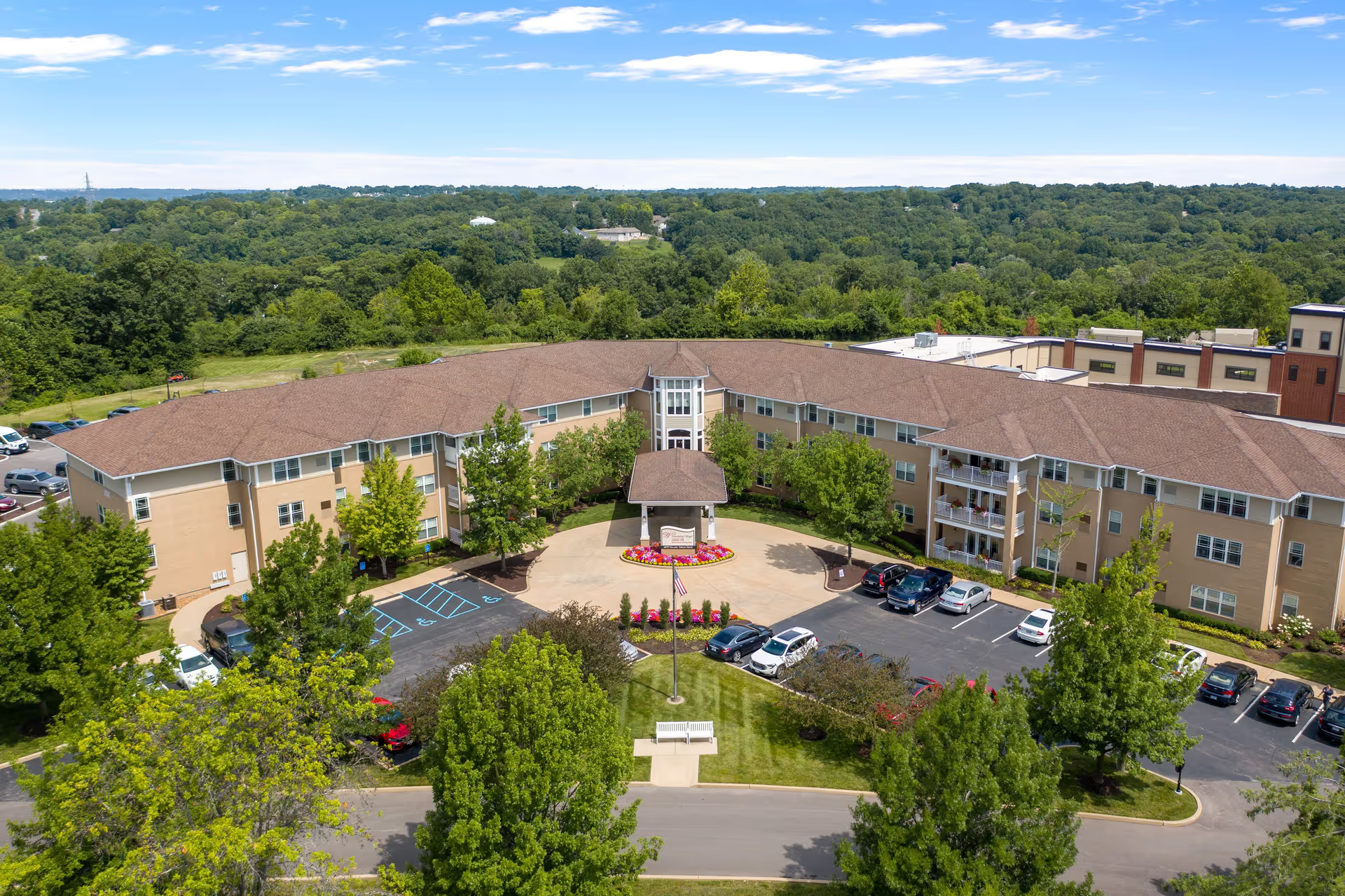
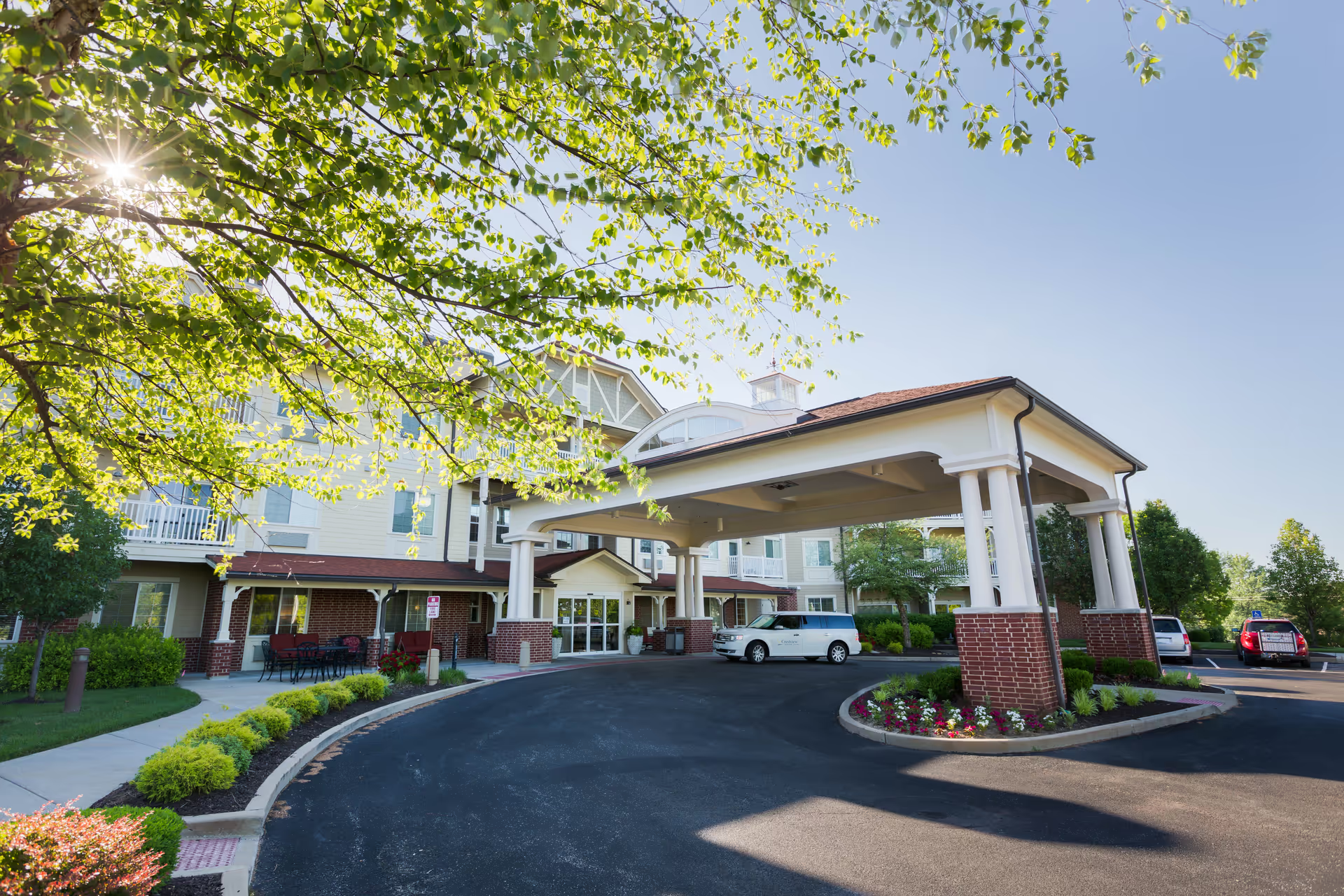
Meadowview Memory Care elicits a mixed but specific set of impressions. Many families praised the facility's friendly, caring staff and responsive communication; several reviewers specifically noted staff members by name who provided helpful support. The community is described as clean and secure, with a one-story layout and recently updated spaces that create an intimate, right-sized environment. Dining areas and the kitchen were commonly described as clean, and food quality is frequently cited as a strength.
Care quality appears uneven. Positive accounts describe attentive, compassionate care and good COVID-19 precautions, with staff who respond to calls and coordinate care needs. However, a recurring pattern points to inconsistent staffing levels and instances where promised services were not delivered. Operational gaps include delays or missed assistance during mealtimes and variable follow-through on programmatic promises; these issues can affect resident dignity and family confidence even where overall clinical care is adequate.
Dining and activity programming are both strong and variable. The facility offers communal dining, laundry service, and a range of social activities such as bingo, card games, and staff-led afternoon programs; many residents participate and enjoy these offerings. At the same time, reviewers described occasions when meals arrived late or at an inappropriate temperature and when advertised services (for example, specific therapies or transportation) were not consistently provided. Activity availability appears dependent on staffing and scheduling, producing an uneven experience across days or residents.
Facilities and logistics present clear trade-offs. The community's single-story design, secure memory-care focus, and clean public spaces are assets for residents requiring supervision and ease of movement. Conversely, resident rooms were described as small, which may be limiting for those who need more private space. Financial and admissions policies are also relevant: Meadowview does not accept Medicaid and several families expressed concerns about cost relative to perceived value.
Management and operational patterns suggest both strengths and improvement areas. Positive comments reflect effective communication and rapid resolution of some issues, while other comments indicate inconsistent fulfillment of marketing promises and occasional lapses in staff responsiveness or tone. Prospective residents and families would benefit from on-site visits during meal times and activity periods, direct questions about staffing ratios and contingency plans, written confirmation of services (transportation, therapies, medication administration), and clarity on payment options to assess fit with expectations and care needs.