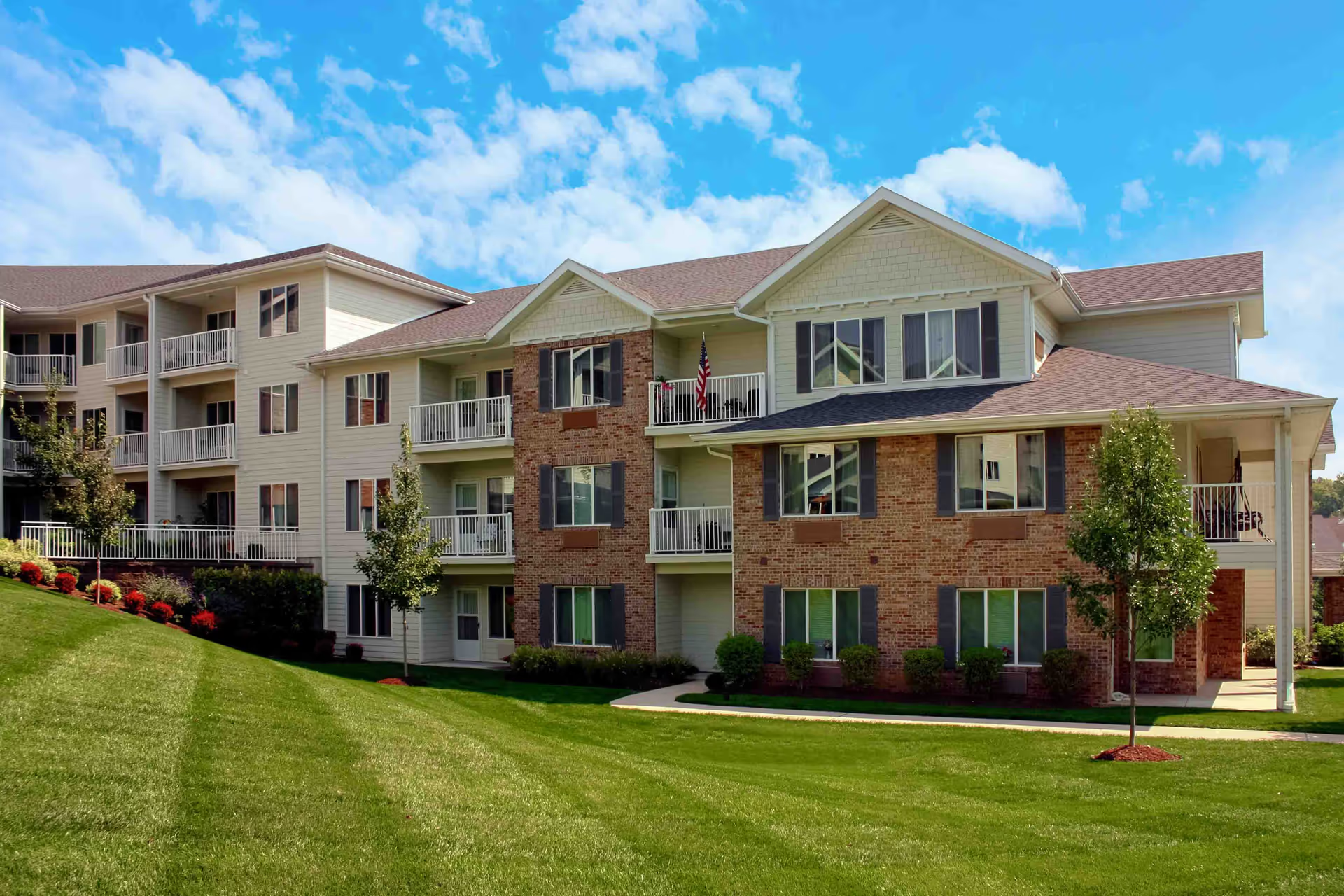
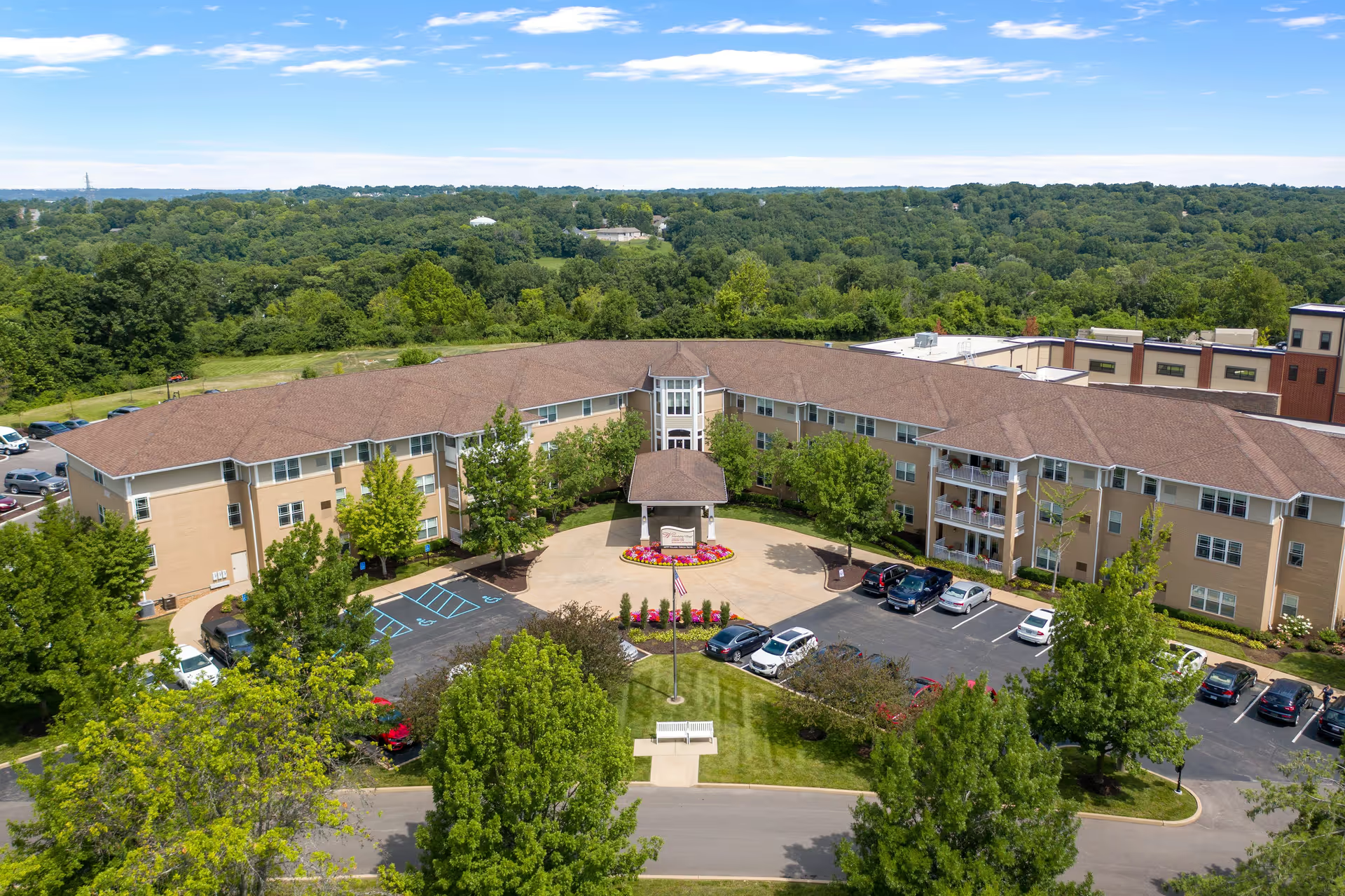
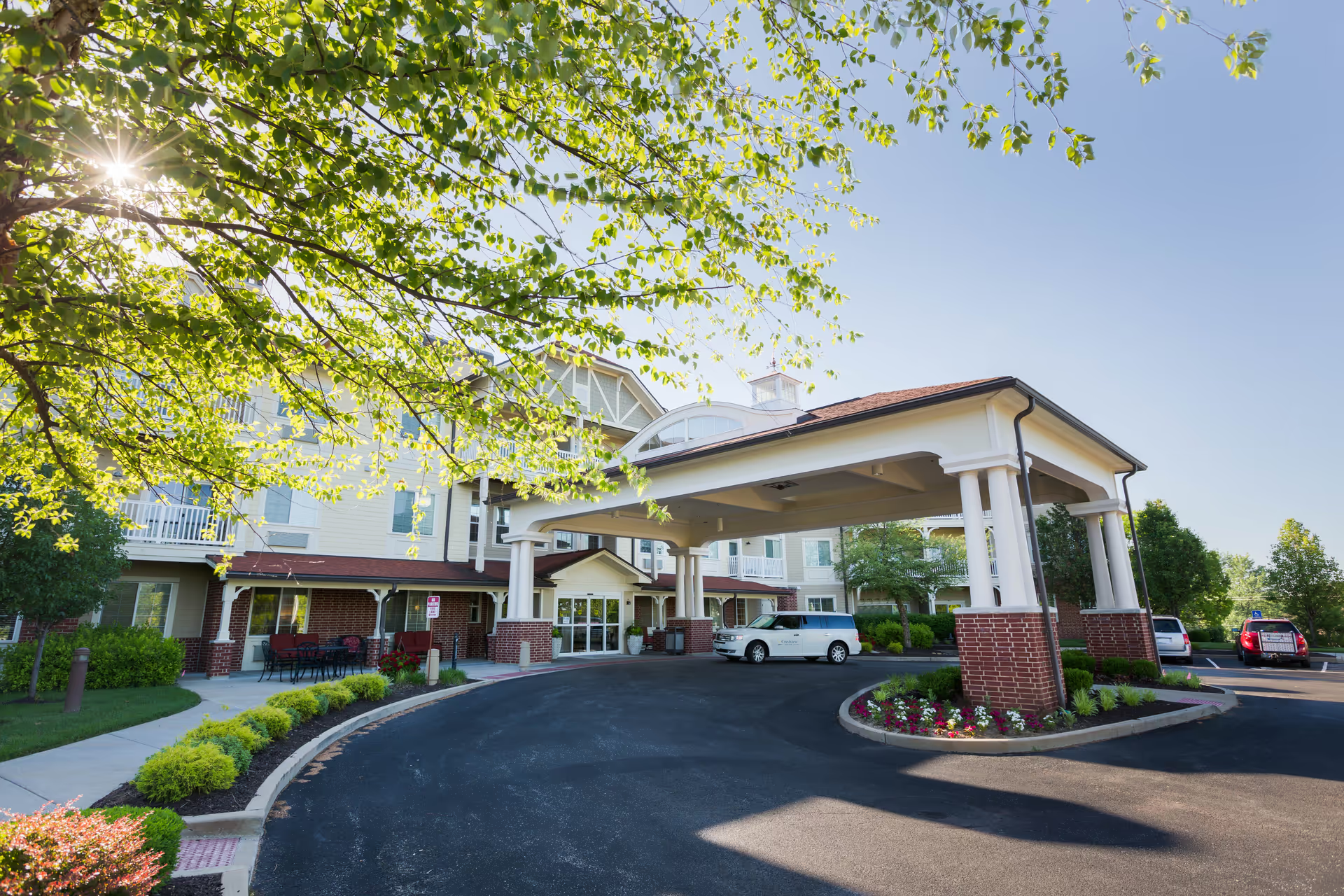
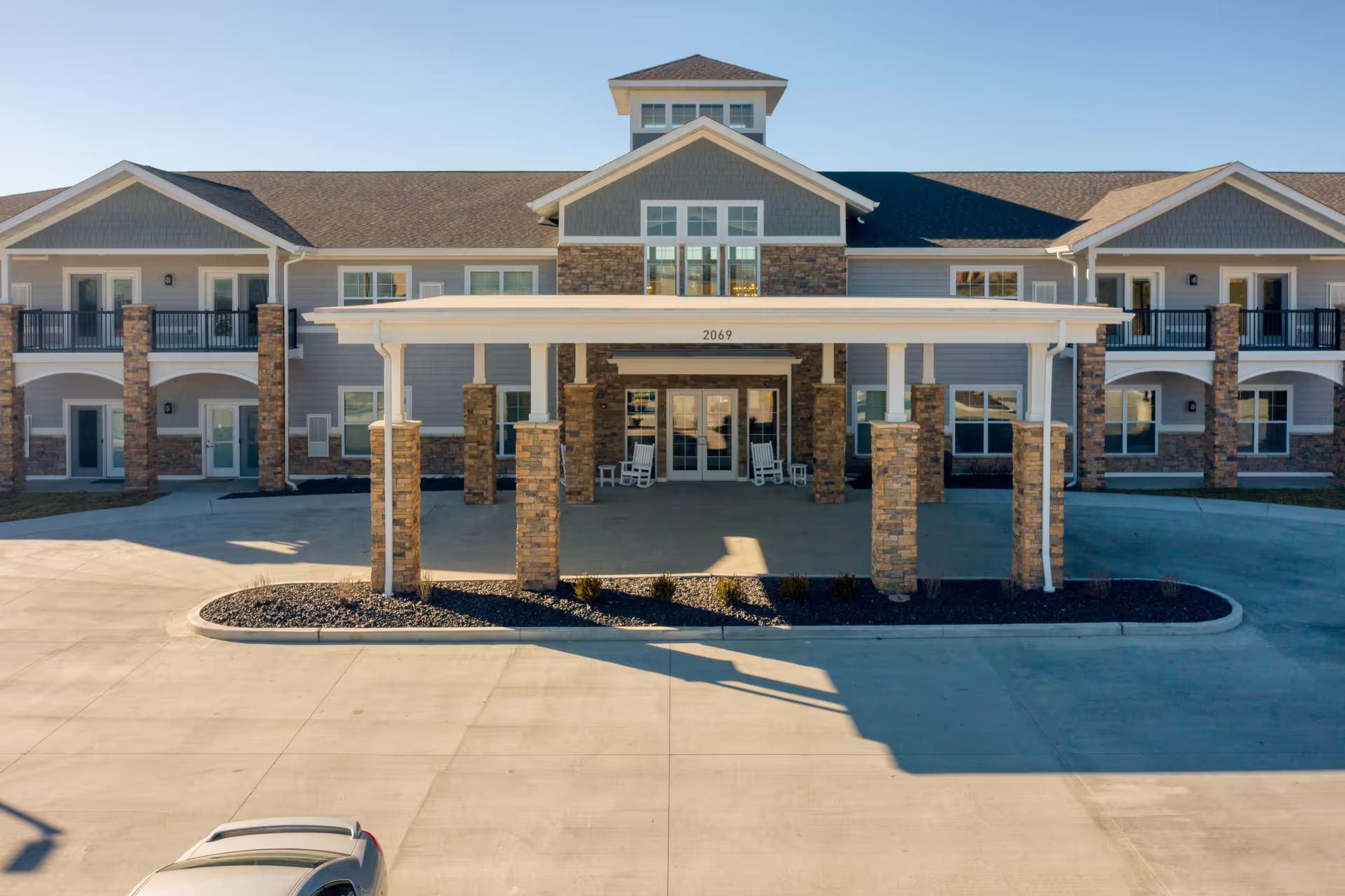
Cedarhurst Senior Living of Tesson Heights elicits strongly mixed impressions. Many families and residents praise the community atmosphere, describing staff as warm and caring, a busy and varied activity calendar, convenient transportation, and apartment-style units that support independent living. Admissions and sales staff are frequently noted as helpful, and several reviewers highlight effective therapy services, regular programming (bingo, exercise, music, outings), and well-kept common areas. The location near medical facilities and the availability of three daily meals are additional positives cited by prospective residents and families.
Despite these strengths, there is a consistent pattern of operational variability. Staffing levels and staff continuity are recurring concerns: reviewers describe frequent turnover, understaffing at dining and care shifts, and variable performance among replacement staff. Relatedly, call-button response times and routine care checks are described as inconsistent, which families view as a risk to timely assistance. There are multiple accounts of medication errors or late administrations that suggest weaknesses in medication-administration processes and documentation controls.
Dining receives mixed evaluations: some reviewers praise the food and menu options, while others report cold meals, inconsistent service, or kitchen turnover that affected quality. Housekeeping and unit-level maintenance also vary — many families find common areas clean and appreciate scheduled housekeeping, but other reports note irregular apartment cleaning, unfinished repairs at move-in, and episodic maintenance backlogs. Several reviews raise sanitation and pest-control concerns in specific areas and identify odor-management as an operational issue to address.
Safety and accessibility patterns emerge in multiple reviews. Concerns include incomplete room repairs, nonfunctional outlets or temporary extension solutions, and limited accessibility for larger mobility devices in some apartments and common areas. Families also raise issues about privacy and door-entry practices, with reports of staff entering rooms without consistent knock/permission procedures. Some reviewers described instances that they believed warranted regulatory attention, including supervision and infection-control lapses; there are isolated allegations of inappropriate media use involving residents that families considered serious.
Management and communication present a mixed picture. Several reviewers commend the director and nursing leadership for responsiveness and fiscal stability, and many note positive, family-like engagement from long-term staff. Others describe inconsistent communication from administration, perceived emphasis on revenue or upselling of services, unclear ancillary charges, and uneven problem resolution. Renovations and updates are ongoing in parts of the building; while these improvements are appreciated by some, they have coincided with move-in delays and localized disruption for others.
In summary, Cedarhurst Tesson Heights offers many elements that families seek — an active program of social engagement, apartment-style living, onsite therapy, and a generally warm staff culture — but the facility demonstrates notable operational inconsistencies. Prospective residents and their families should weigh the documented strengths against the recurring concerns about staffing stability, medication and care-process reliability, unit-level cleanliness and maintenance, dining consistency, and transparency around fees. An in-person assessment focusing on current staffing levels, medication-safety protocols, maintenance completion, housekeeping schedules, and written fee policies is recommended before making a placement decision.