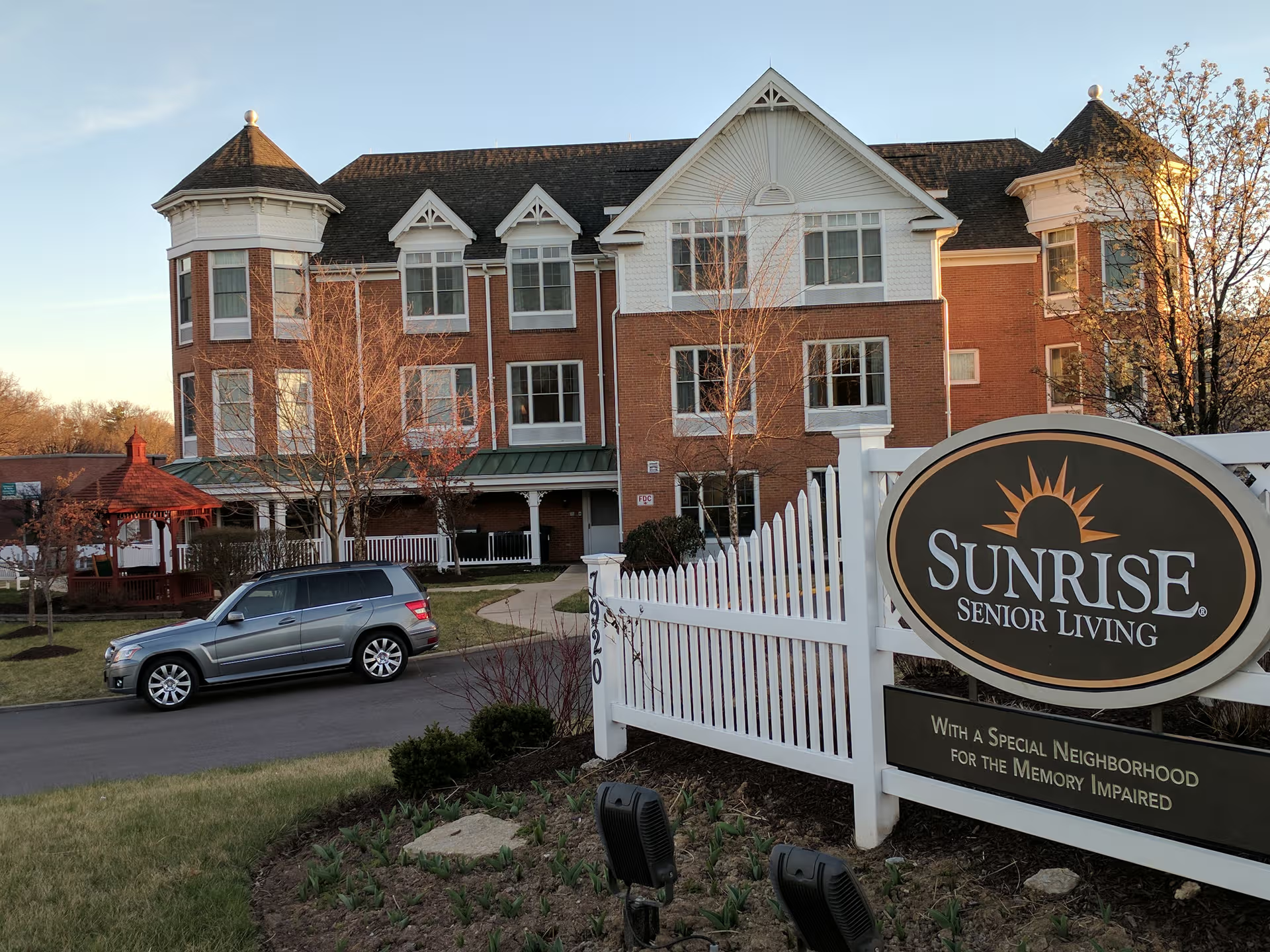
Sunrise of Webster Groves receives strong praise for its welcoming atmosphere, attractive and generally clean environment, and staff members who are often described as kind, patient, and attentive. Families have valued staff support during move-ins, memory-care transitions, and end-of-life periods. Some residents and relatives describe personalized memory-care support, while other families report difficulty when residents need extensive hands-on assistance. Experiences therefore appear variable, and prospective families should confirm that the community can meet a resident’s specific care, mobility, and supervision needs over time.
Staff interactions are a consistent strength in many accounts, including reports of caregivers who know residents personally and encourage participation. However, other accounts raise concerns about staffing levels, delayed responses, inconsistent personal-care assistance, and limited weekend nursing or pharmacy support. Medication handling and follow-through on clinical needs are also areas to discuss directly. Families may want to ask about staffing coverage by shift, escalation procedures, and how the community communicates changes in condition or care needs.
Dining feedback is mixed. Some residents and families praise the meals, choices, and dining atmosphere, while others describe uneven food quality, slow service, or inconsistent attention to residents’ needs during meals. Activities are a notable positive: reviewers describe music, exercise, games, social events, religious services, and outings, with staff sometimes helping residents participate. The community dog and cat are also frequently appreciated.
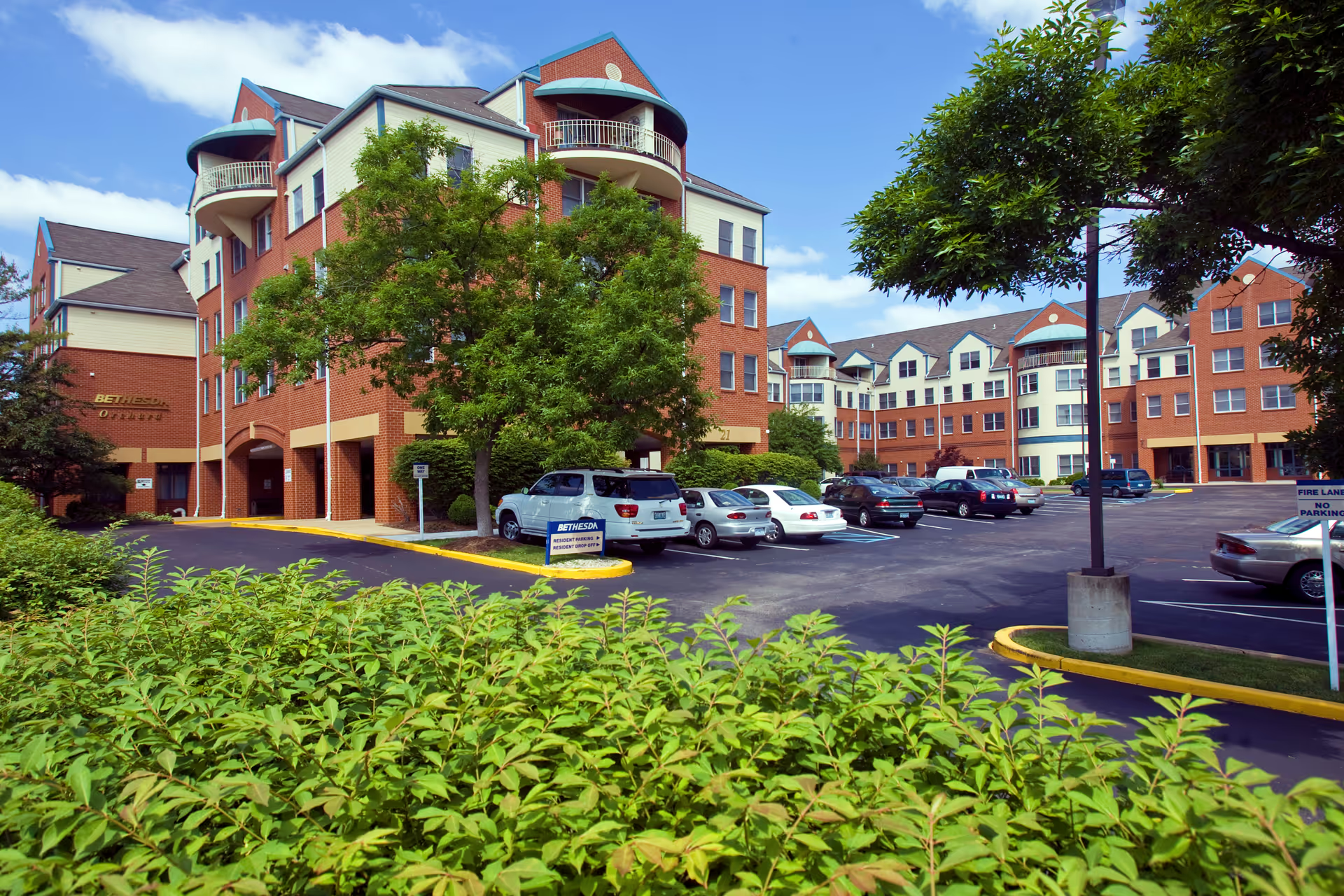
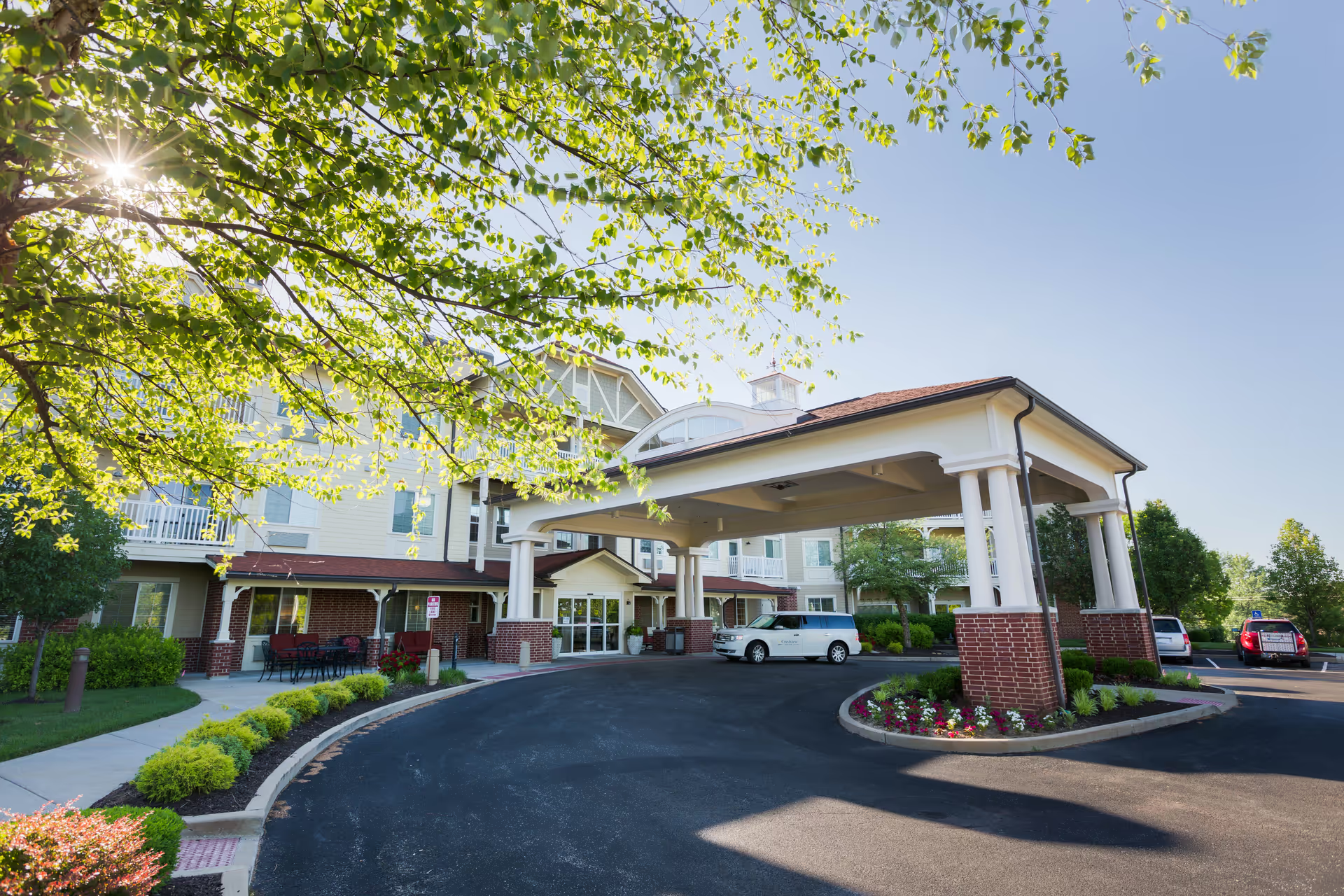
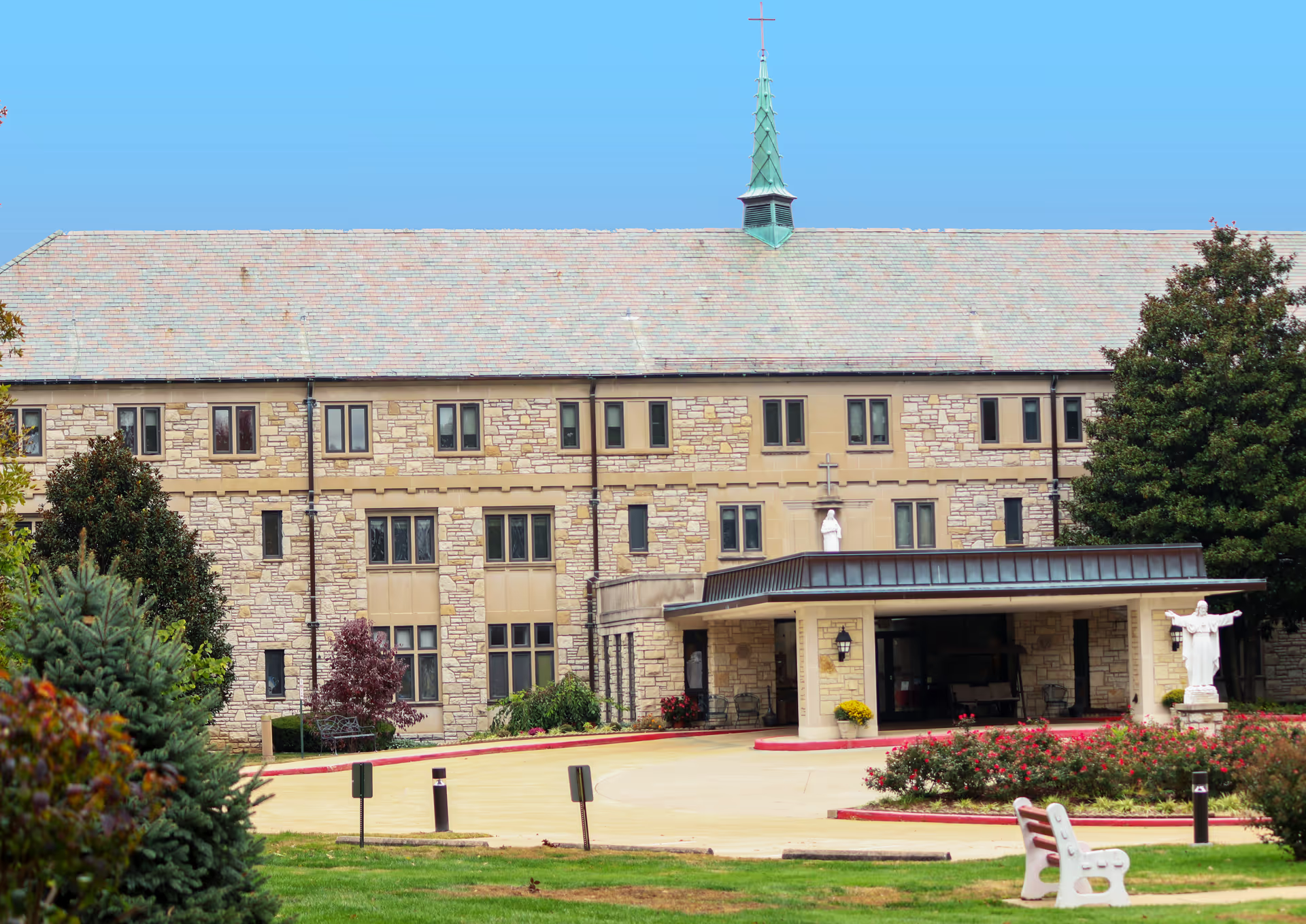
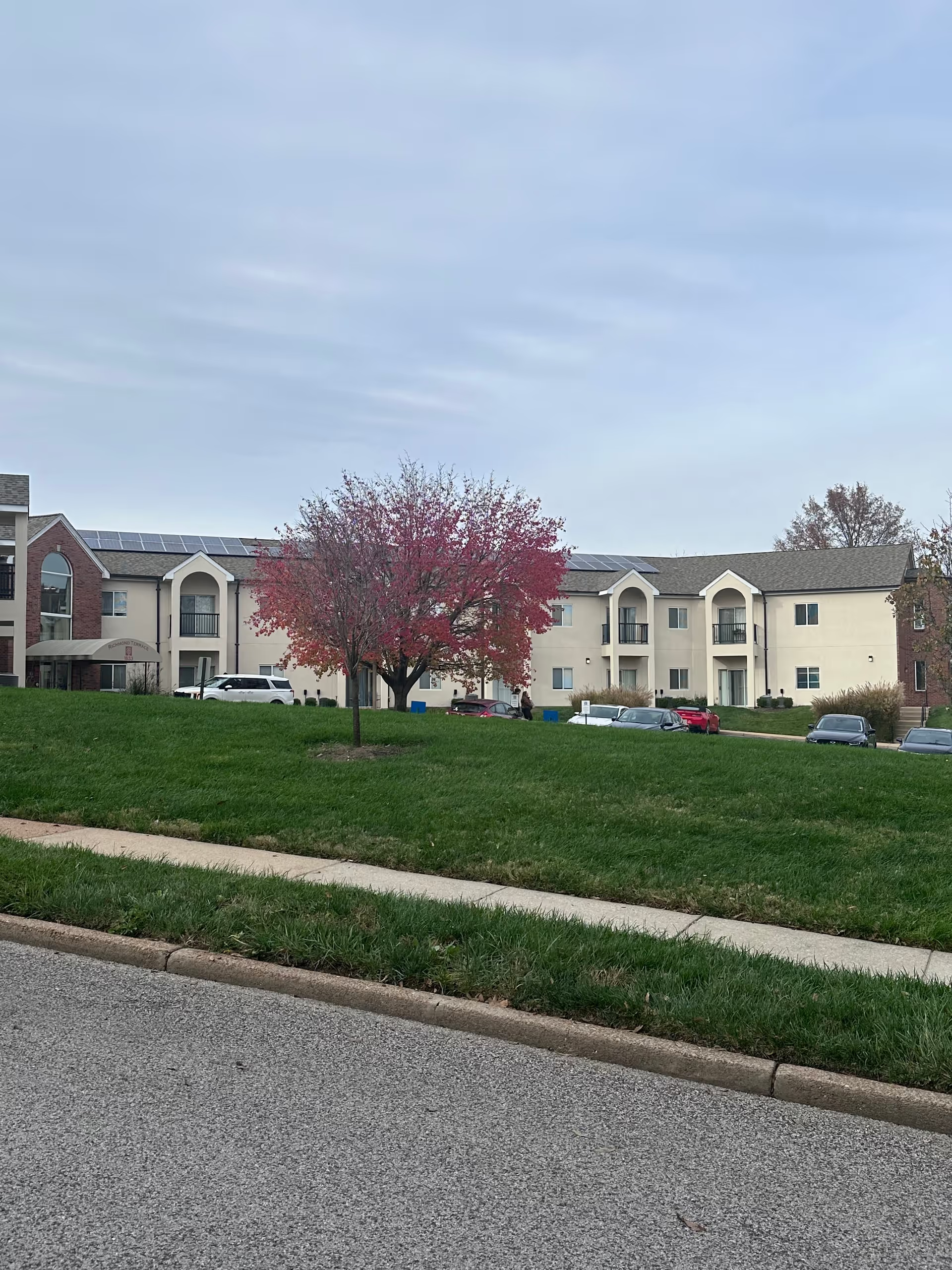
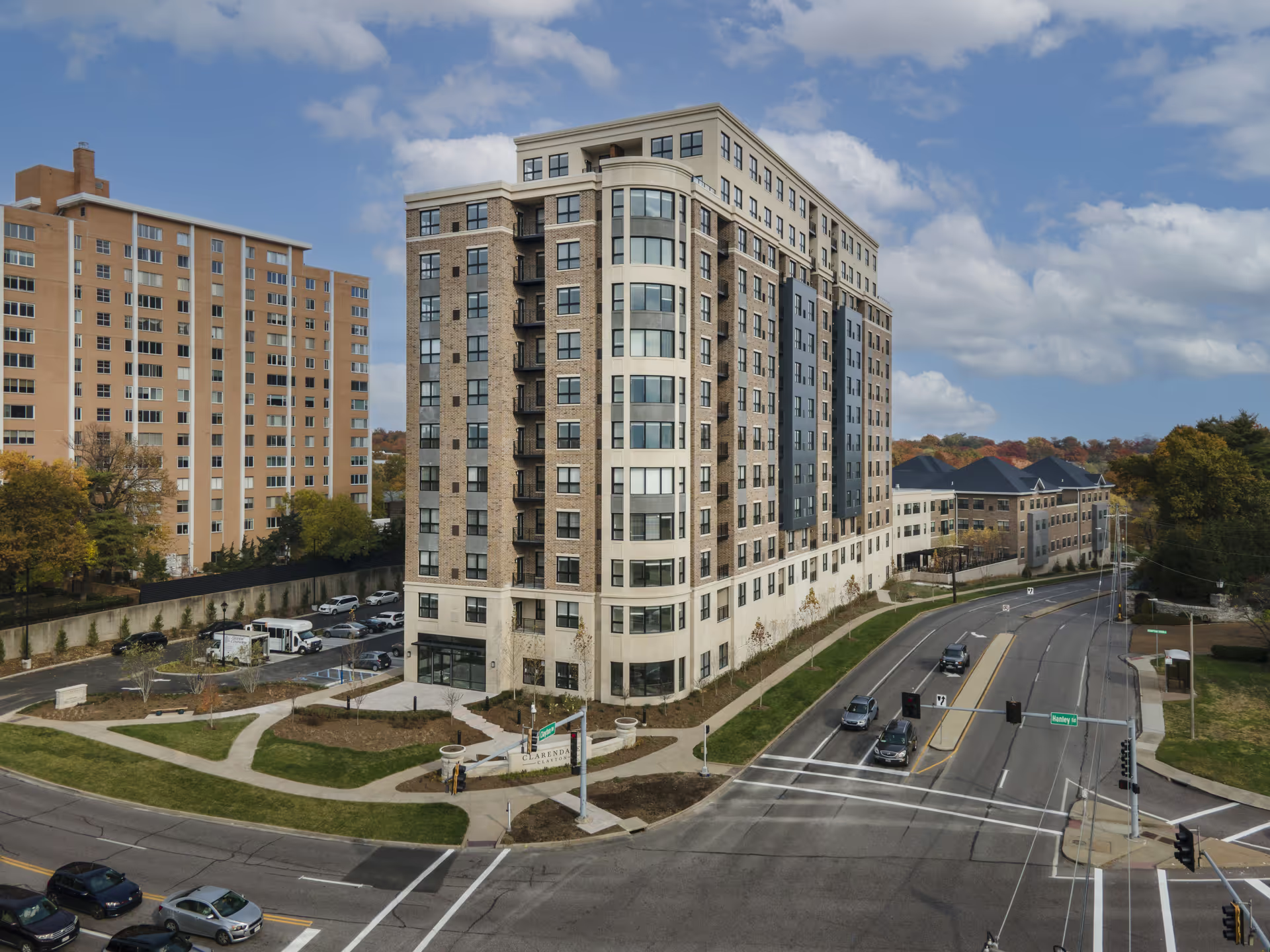
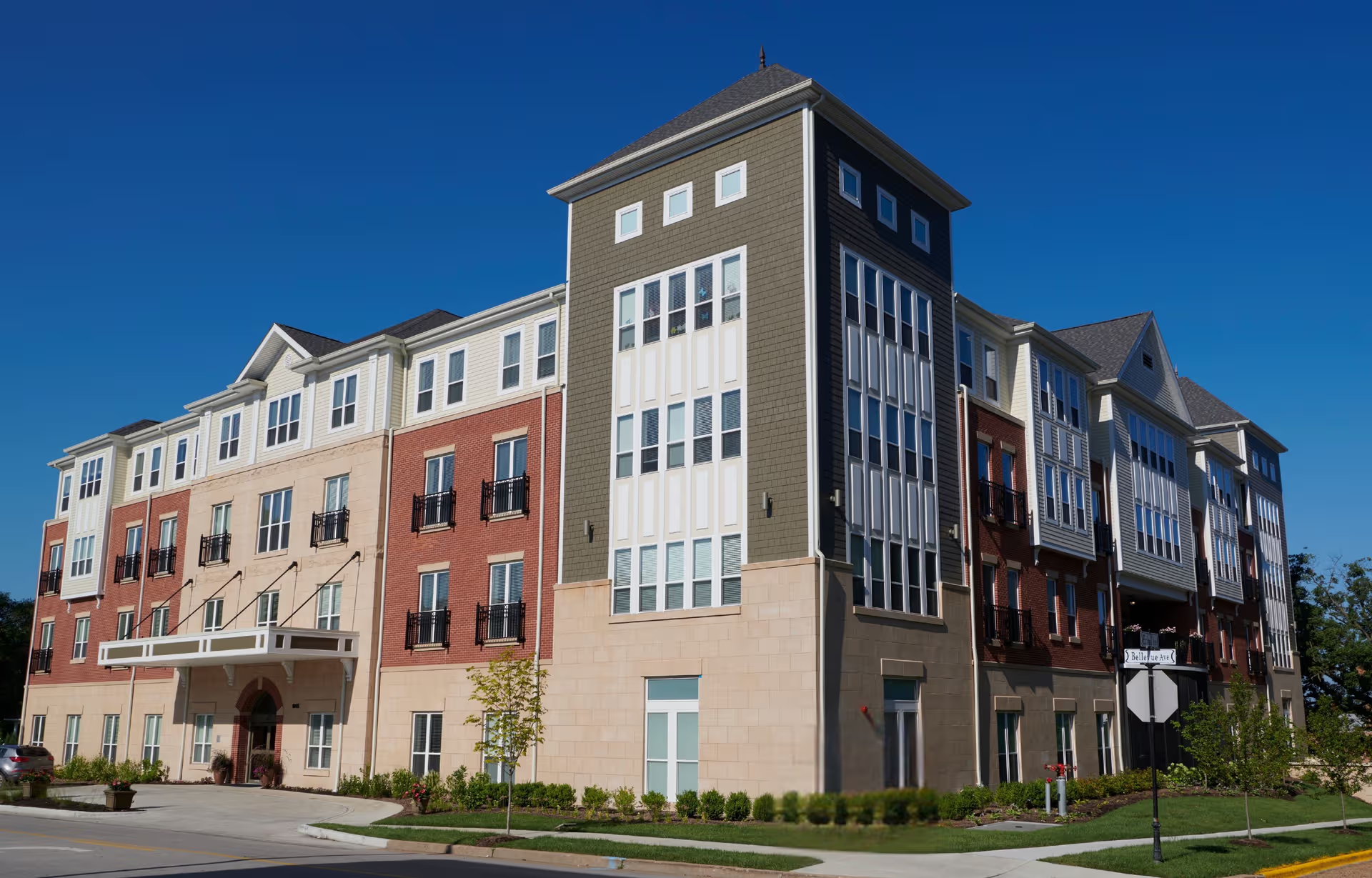
The building is often described as bright, attractive, clean, and well equipped, with common areas and amenities such as a bistro, salon, theater, chapel, and exercise space. Apartment sizes vary in reviewers’ impressions: some found rooms spacious, while others considered studios or available units tight. Pricing was a barrier for some families. Views of management and communication are mixed as well; some describe organized, supportive leadership, while others cite turnover, unclear contacts, and inconsistent follow-through. Overall, tours and positive resident experiences are common, but the reported variation in staffing, clinical support, dining service, and management makes it important to assess current operations and care capacity in person.