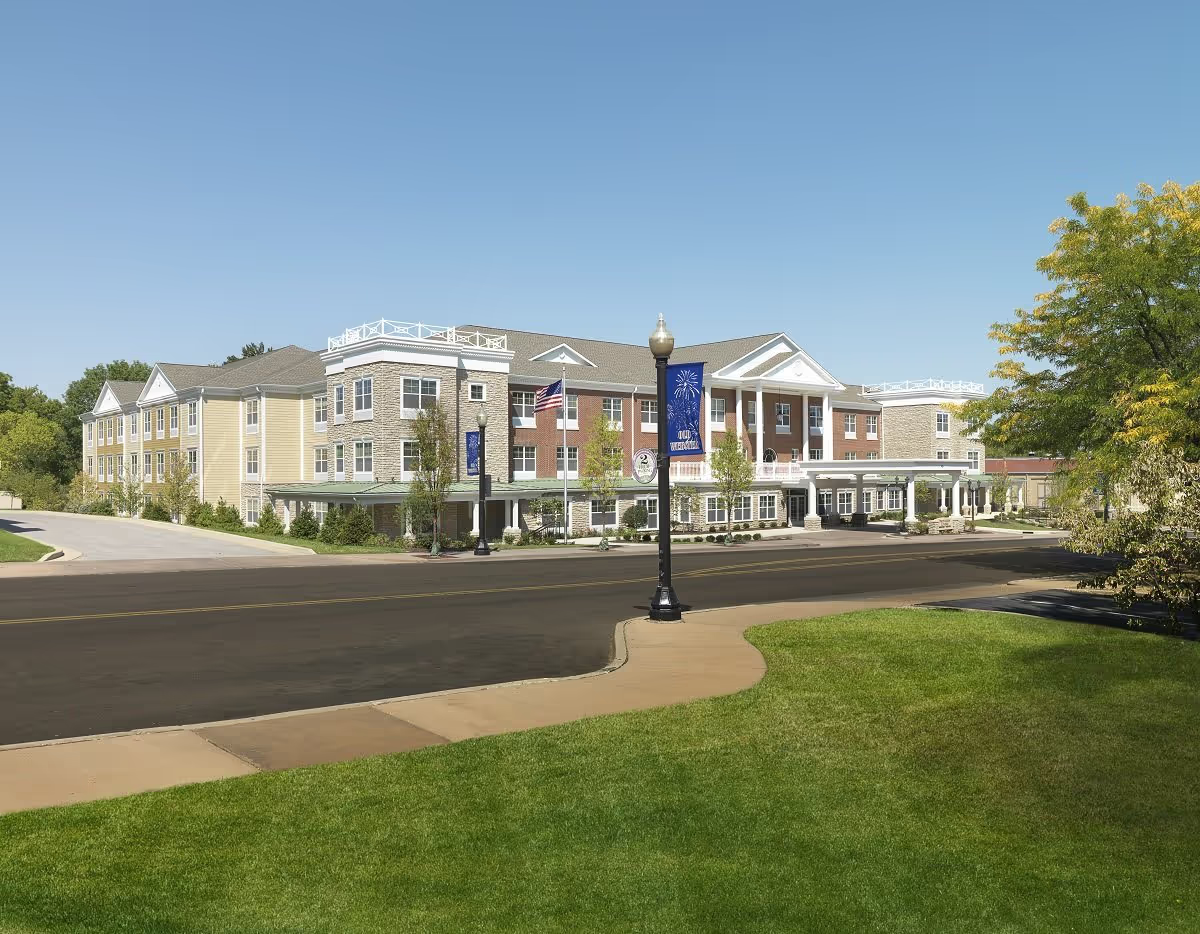
Clarendale Clayton presents as a newly built, high-end senior living community with a clear focus on hospitality, amenities, and resident engagement. The property’s finishes, public spaces and rooftop terrace, in-unit conveniences (full kitchens, washer/dryer), and on-site features (movie theater, fitness studios, salon, art studio, private dining rooms) receive consistent praise. Many reviewers described the community atmosphere as warm and hotel-like; concierge, sales and frontline teams are frequently characterized as welcoming, knowledgeable, and responsive during tours and move-in. Activity programming is broad and resident-driven, with partnerships and classes that support continued engagement.
Frontline caregiving is a strong and recurring positive: numerous comments highlight compassionate, patient, and personable direct-care staff who develop relationships with residents. Several families singled out specific staff members and coordinators for helpful move-in support, care coordination, and rehabilitation services. For prospective residents who prioritize independent living, social activity, and high-quality public amenities, Clarendale Clayton often meets or exceeds expectations.
At the same time, there is a consistent cluster of operational and clinical concerns that prospective residents and families should evaluate closely. Reviews indicate variability in clinical staffing levels and continuity—particularly in assisted living and memory care—resulting in delayed responses to calls, insufficient supervision overnight, and concerns about follow-through after hospitalizations. These patterns point to gaps in staffing model, supervision, and clinical handoff processes rather than isolated one-off events. There are also specific reports raising serious communication and record-keeping concerns; these have been framed by some families as significant and warrant direct inquiry during tour and contracting discussions.
Dining and kitchen operations are another mixed area. Many reviewers praised the restaurant-style dining, chef-driven menus, flexible dining hours and special-event meals. However, other reviewers described inconsistent meal quality, slow service, frequent chef turnover, and occasional sanitation concerns during service; dining staffing levels and training are cited as contributing factors. Clarendale’s pricing structure was described as premium, and several families noted ancillary costs (garage parking, storage, apartment upgrades, grab-bar installation, etc.) that can substantially increase total monthly expense.
Management and organizational consistency emerge as a recurrent theme. While some reviews praise proactive leadership and clear communication from the executive team, others cite periods of unresponsiveness, frequent leadership turnover, an emphasis on sales and incentives over operational follow-through, and difficulties obtaining timely answers to clinical or billing questions. Housekeeping and routine maintenance quality were generally described as acceptable but uneven in some reports, and reviewers flagged design and accessibility limitations in some apartment bathrooms and building circulation (non-zero thresholds in showers, limited first-floor options, elevator logistics for pet outings) that may challenge residents with higher mobility needs.
In summary, Clarendale Clayton offers a compelling environment for independent and socially active seniors who value new construction, extensive amenities, and a hospitality-oriented culture supported by many dedicated staff. Families seeking memory care or higher-acuity assisted living should perform targeted due diligence: ask for current staffing ratios by shift and unit, written incident-response protocols, medication-management policies, documentation of post-hospital follow-up, housekeeping and pest-control procedures, and a clear schedule of ancillary fees. Scheduling an extended visit, speaking with current residents and families, and requesting recent staffing and clinical quality metrics will help determine whether Clarendale Clayton’s strengths align with a specific resident’s care needs and safety expectations.