The reviews for Woodlands - Skilled Nursing & Rehab describe a facility with sharply divided experiences. Many families and short-stay patients report strong clinical outcomes, attentive caregivers, and effective rehabilitation services; others describe repeated operational failures that affected daily care and family trust. The overall pattern is one of considerable variability in resident experience depending on unit, shift, and individual staff members.
Care quality shows a mixture of strengths and weaknesses. Positively, multiple accounts highlight effective physical and occupational therapy that helped residents regain function, regular nursing checks for some patients, and dignified hospice support for end-of-life needs. At the same time, there are recurring concerns about medication management (late or missing doses and documentation gaps), inconsistent assistance with activities of daily living (including bathing and toileting support), and wound-prevention/turning practices. These issues translate into intermittent clinical risks for some residents, while others appear to receive appropriate and timely care.
Staff and communication are similarly mixed. Numerous comments praise individual nurses, CNAs, therapists, and support staff for compassion, knowledge, and going beyond expectations. Conversely, families report inconsistent staffing levels, weekends or particular shifts with lower competence or responsiveness, delays answering call lights, and a reception/phone system that can be unresponsive. Several reviews describe concerns about staff tone or conduct toward residents and families. Communication from administration and admissions was also flagged as uneven: some families experienced informative care-planning meetings and responsive administrators, whereas others found phone calls unanswered and complaints unresolved.
Dining and activities receive both favorable and critical remarks. Some residents/families describe meals as better than expected and note an active calendar with music, exercises, chapel services, and outings. Others describe inconsistent meal temperature and portioning, a menu skewed toward simple/high-carbohydrate items on some shifts, and limited activity engagement for certain residents. Families considering a stay should ask about current dining processes and activity participation for a typical day.
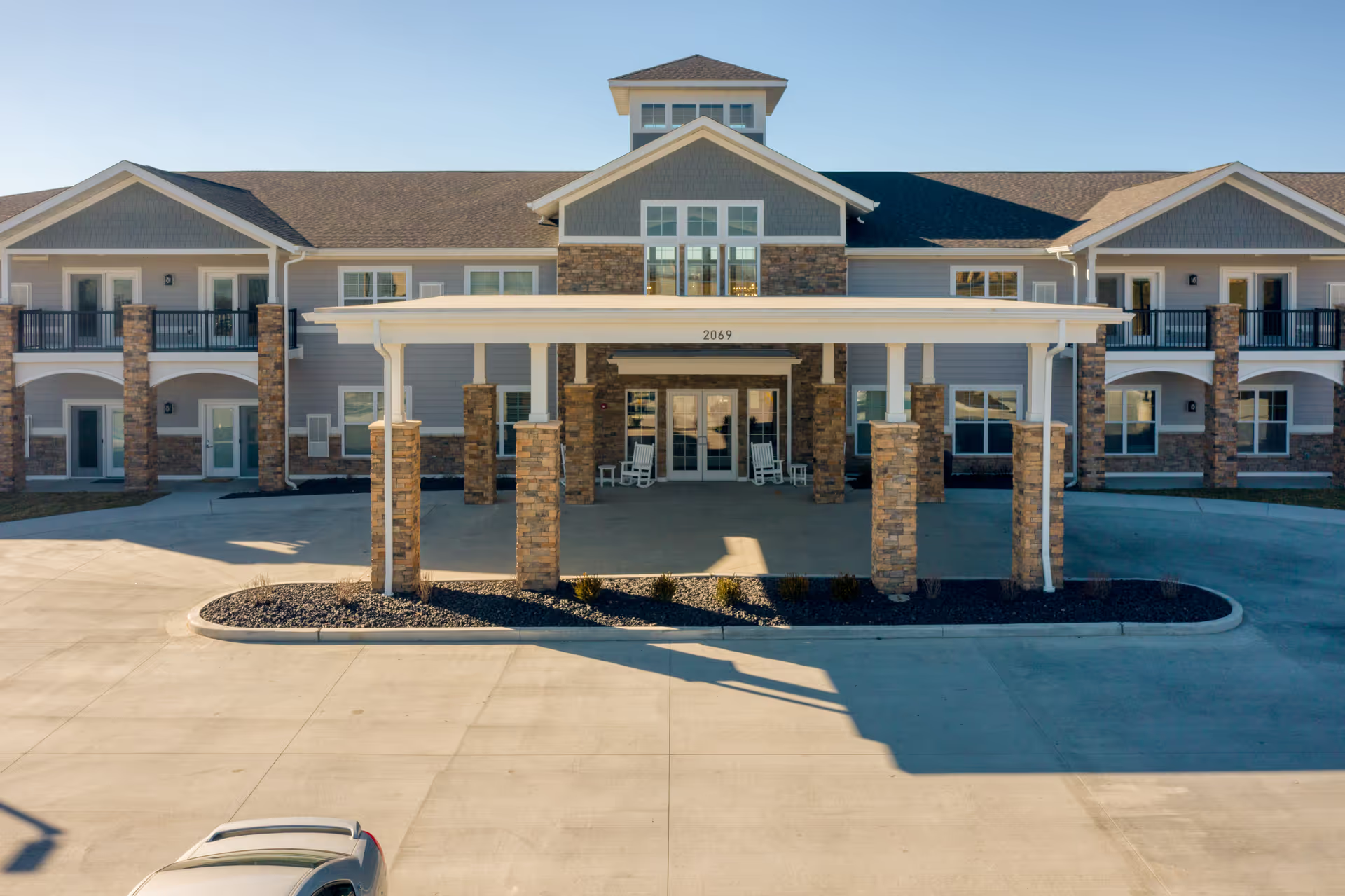
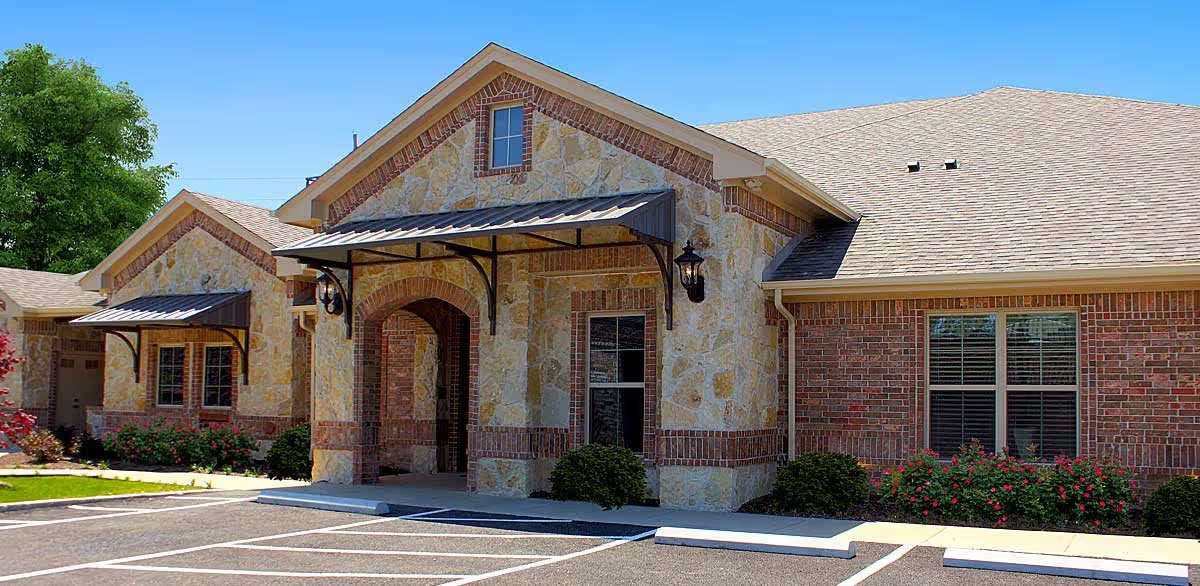
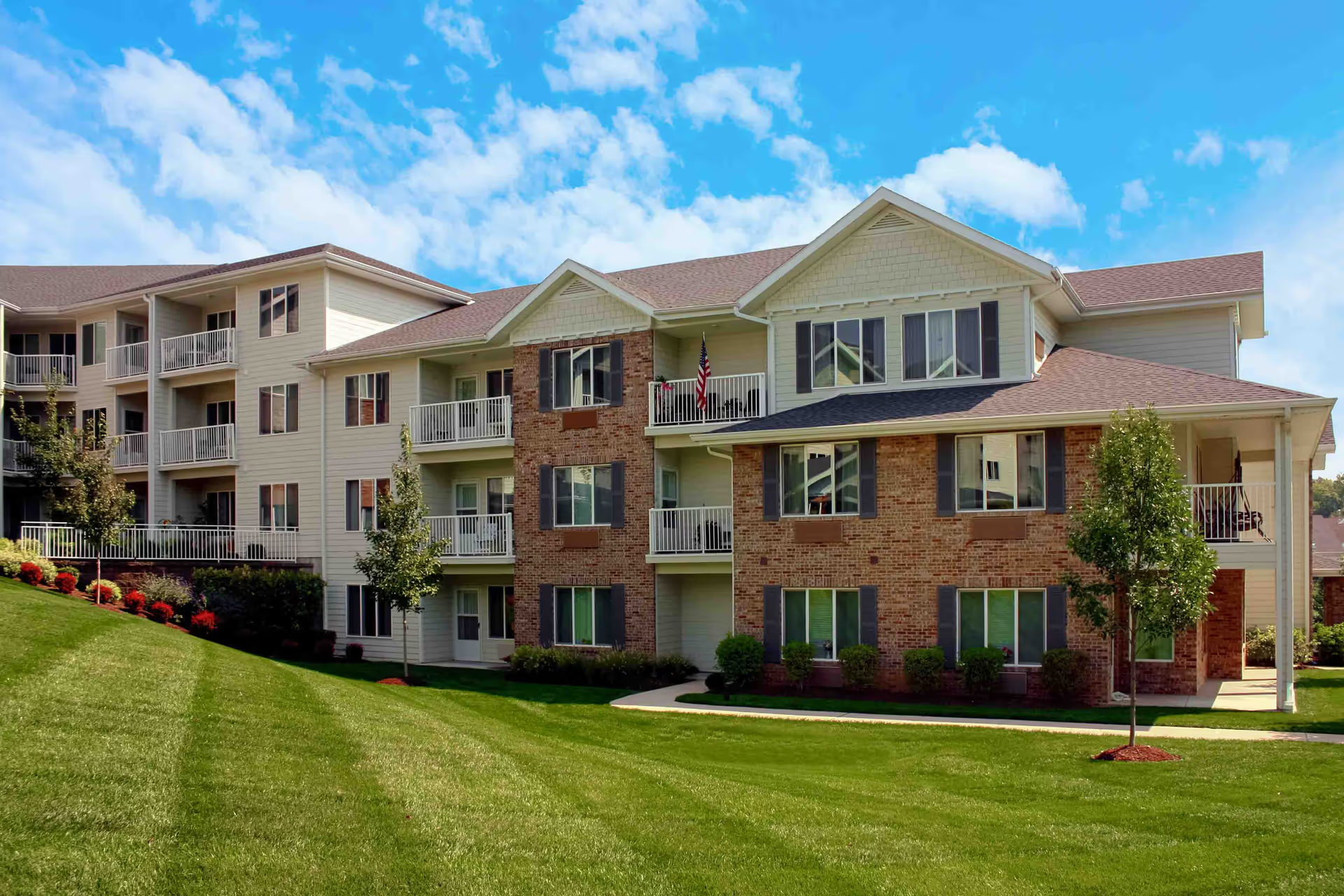
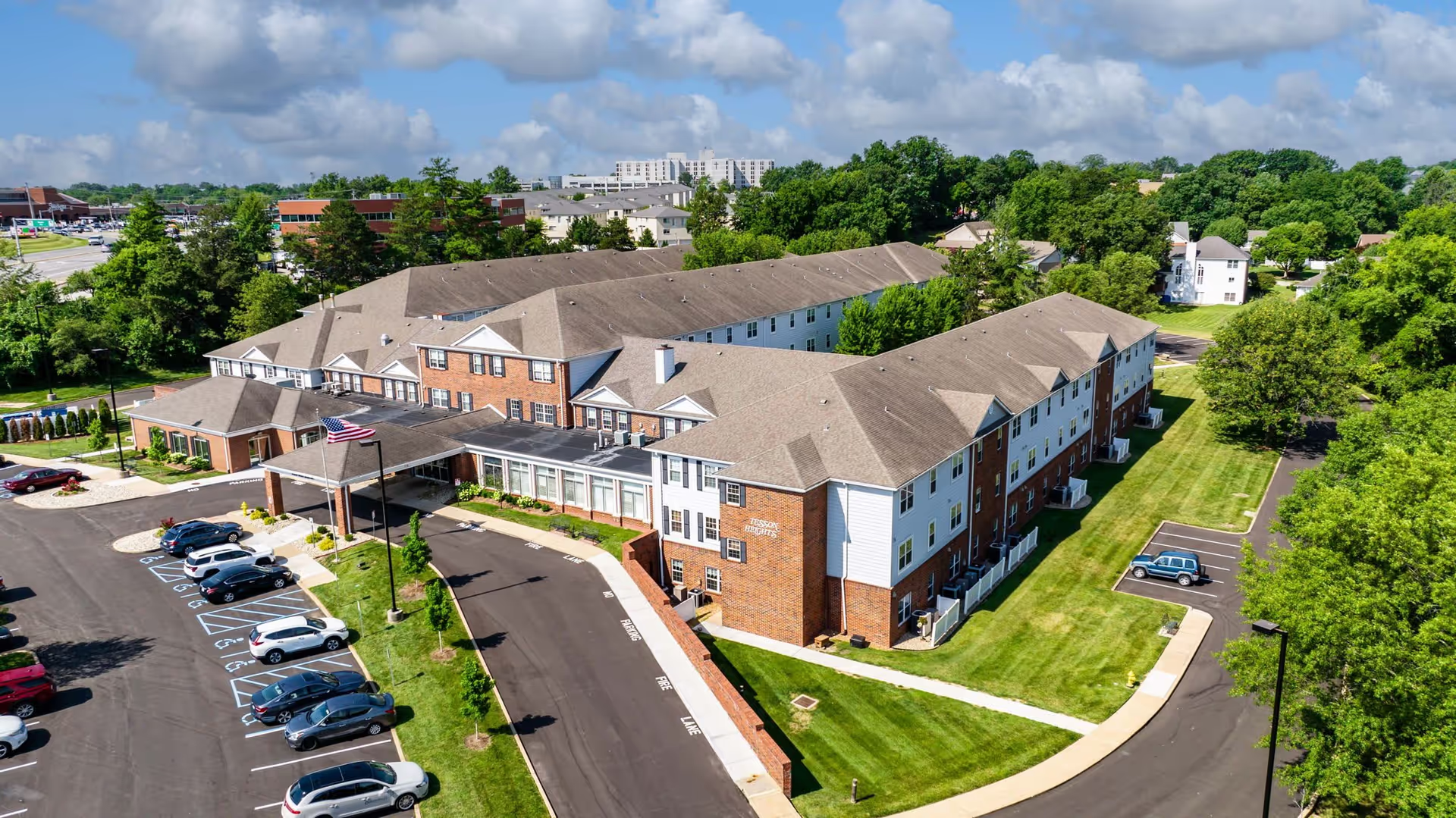
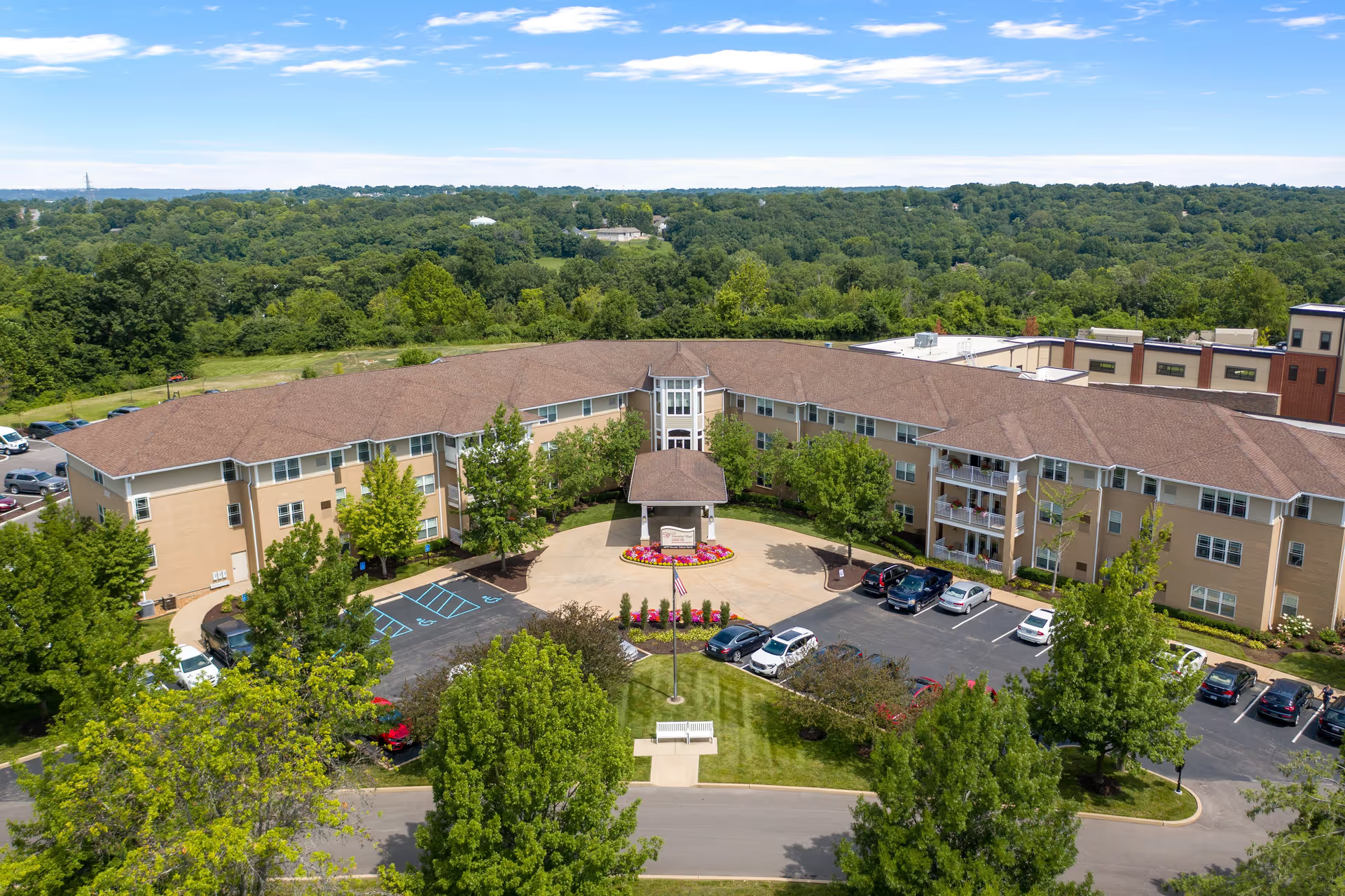
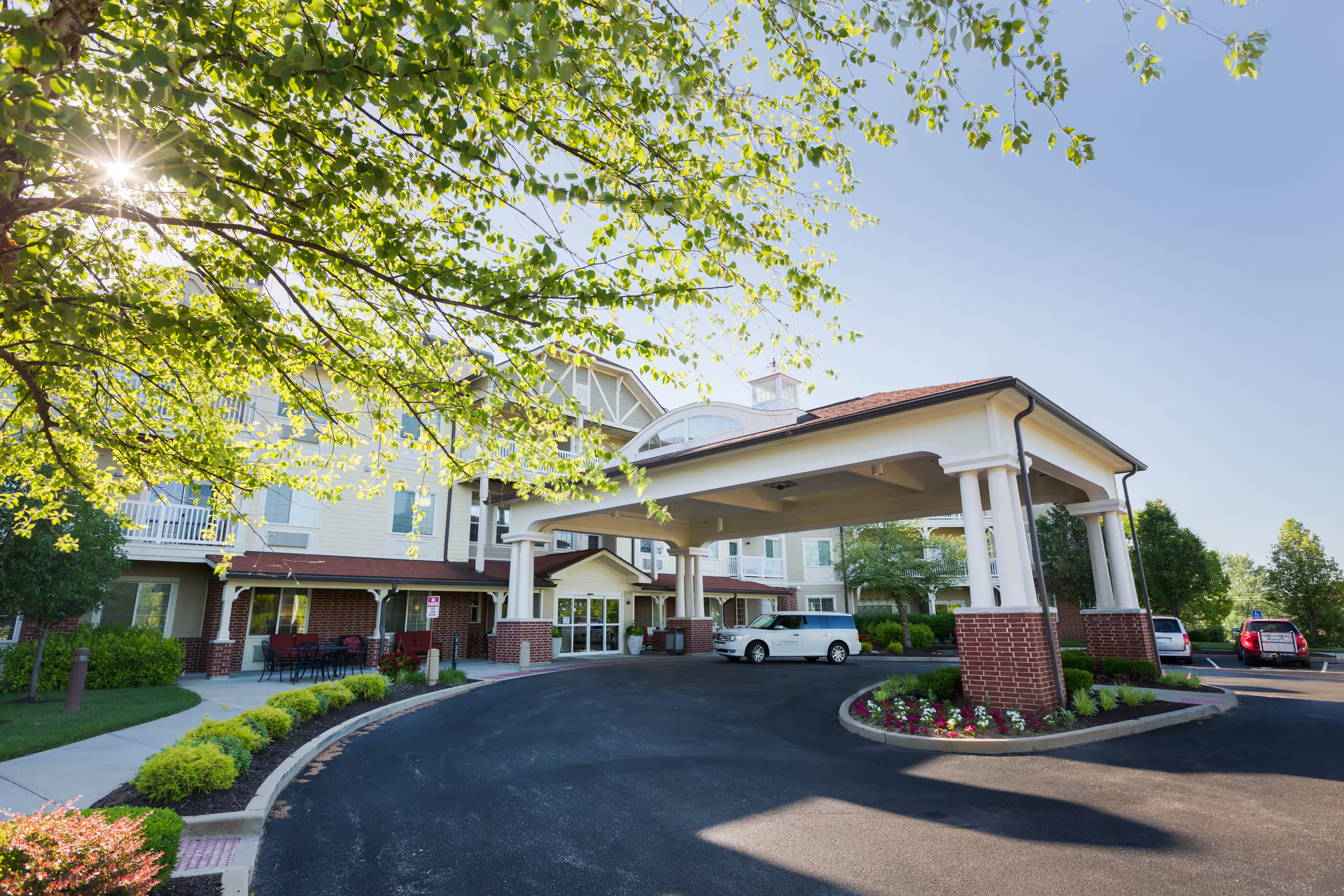
Facility condition and logistics vary by area. The building and rooms are described as attractive and recently updated in parts of the facility, and a smaller size contributes to familiarity between staff and residents. However, sanitation and housekeeping consistency is a frequent concern: reviewers note odor concerns in some halls, inconsistent room cleaning, and incontinence-care issues. There are also reports of damaged or nonfunctional equipment in some rooms and questions about personal-property controls, including allegations of missing belongings. These items suggest variable housekeeping standards and the need to confirm equipment functionality during a tour.
Management and system-level patterns emerge as central to many of the negative accounts. Recurrent themes are inconsistent staffing models, uneven training or supervision across shifts, weak complaint-resolution processes, and occasional mentions of regulatory involvement in response to specific incidents. While some families experienced compassionate, organized management that supported care transitions, others point to administrative unresponsiveness and admission-process difficulties.
For prospective residents and families: the facility can provide high-quality rehab and compassionate care under certain circumstances, but experiences appear to depend heavily on timing (shift and day), specific staff, and location within the building. When evaluating Woodlands, families should prioritize direct observation and targeted questions — ask about current staffing ratios, medication-administration protocols and audit processes, infection-control and visitor policies, how incontinence and bathing schedules are managed, the process for reporting and resolving concerns, recent regulatory surveys or corrective actions, and property-accountability procedures. A focused tour during a weekday and conversations with therapy, nursing leadership, and activities staff will help identify whether the operational strengths are present for the intended level of care.