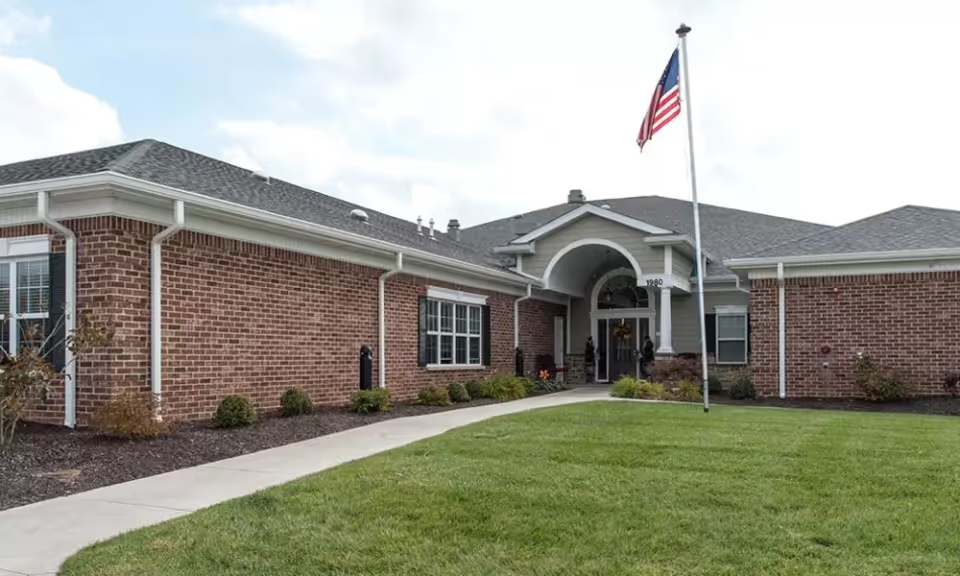
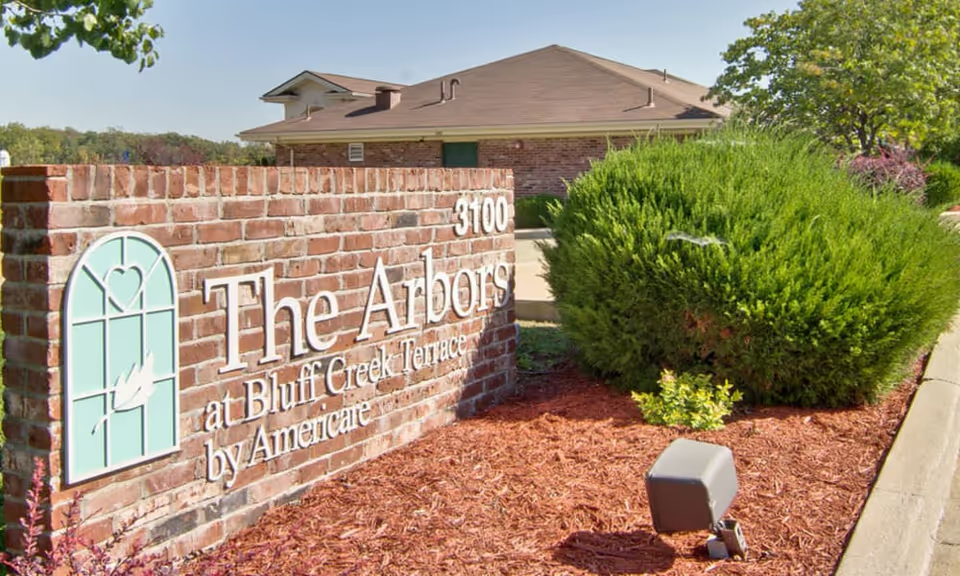
The reviews for Bristol Manor present a mixed picture. Several reviewers praised the human side of the operation: staff are frequently described as caring, helpful, and willing to go beyond basic duties, and the on-site administrator is often characterized as kind and involved. Families and residents also comment positively on the dining program — noting variety and generally appealing meals — and many highlight an active activities calendar and spacious resident rooms as definite strengths.
At the same time the feedback identifies significant operational risks that prospective families should consider. There are allegations of unsafe medication handling and improper sharps disposal; these are serious clinical-safety concerns that point to potential gaps in medication-administration and waste-management protocols. Reviewers also describe high staff turnover and frequent changes in house managers, which appears to contribute to inconsistency in day-to-day care and to periods when staffing is insufficient, leading to overwhelmed staff and missed services such as room cleaning.
Cleanliness impressions are mixed: some accounts describe clean, well-maintained areas, while others note inconsistent housekeeping and back-room smoking that produces odor concerns. Administrative practices are another recurrent theme — some reviewers perceive an emphasis on operational priorities over resident concerns and describe a grievance process that felt discouraged or ineffective. Along with turnover, these management patterns are associated with variability in staff conduct and care quality across different shifts or units.
Taken together, the facility shows clear strengths in resident engagement, food, and individual staff members’ dedication, but also displays systemic operational weaknesses that could affect safety and consistency of care. Families visiting Bristol Manor should directly assess clinical-safety practices (including medication and sharps protocols), staffing levels and shift coverage, housekeeping schedules and odor-control policies, and the facility’s formal complaint-resolution process. Observing a meal, an activity, and a medication-administration period can help validate the positives and identify whether the operational concerns have been addressed.