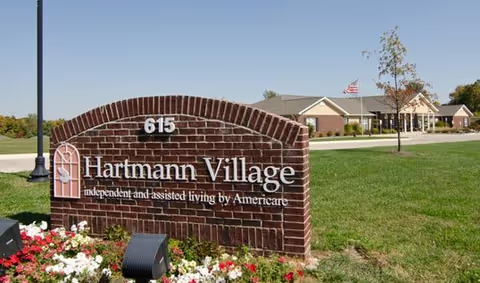
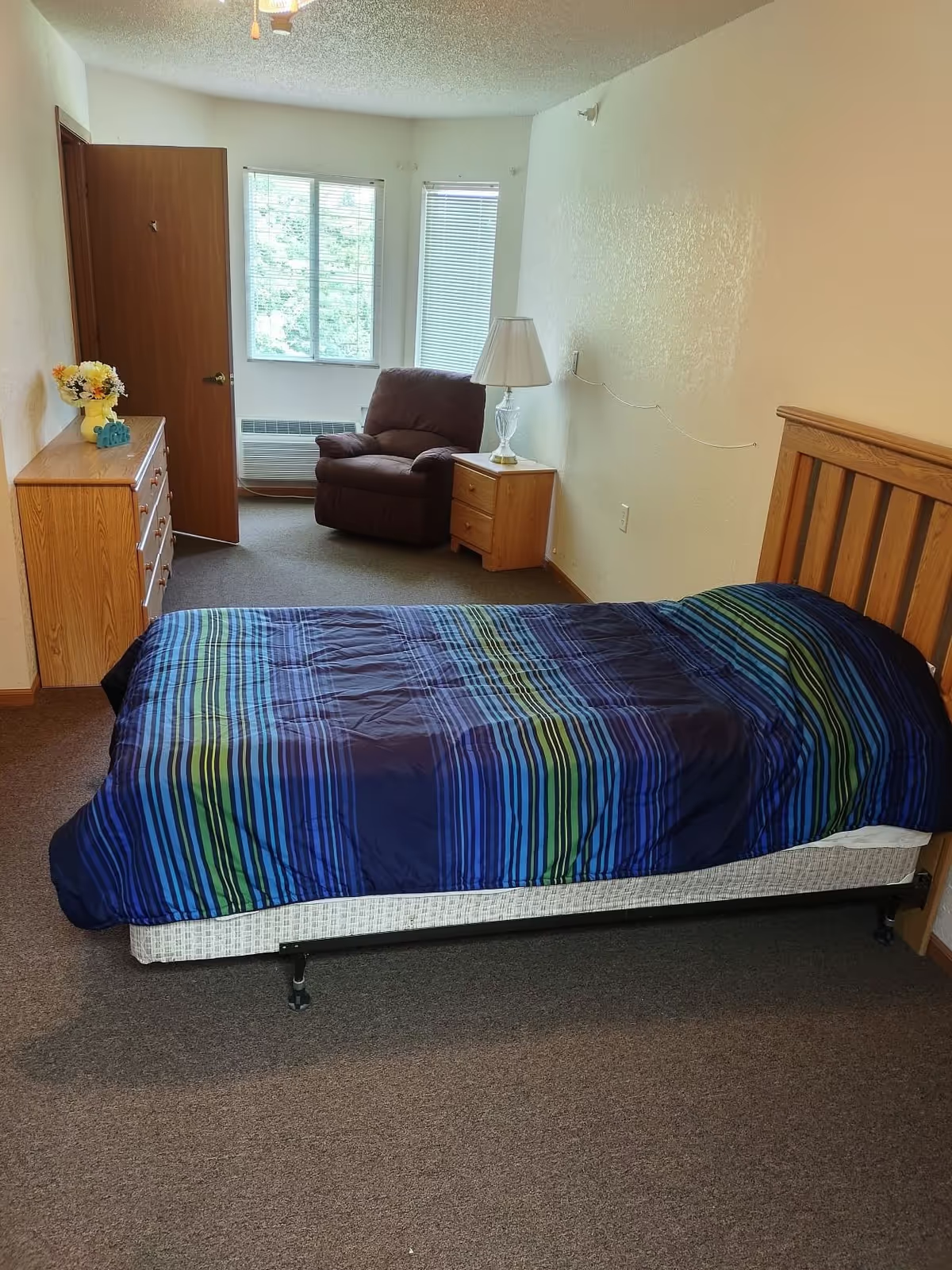
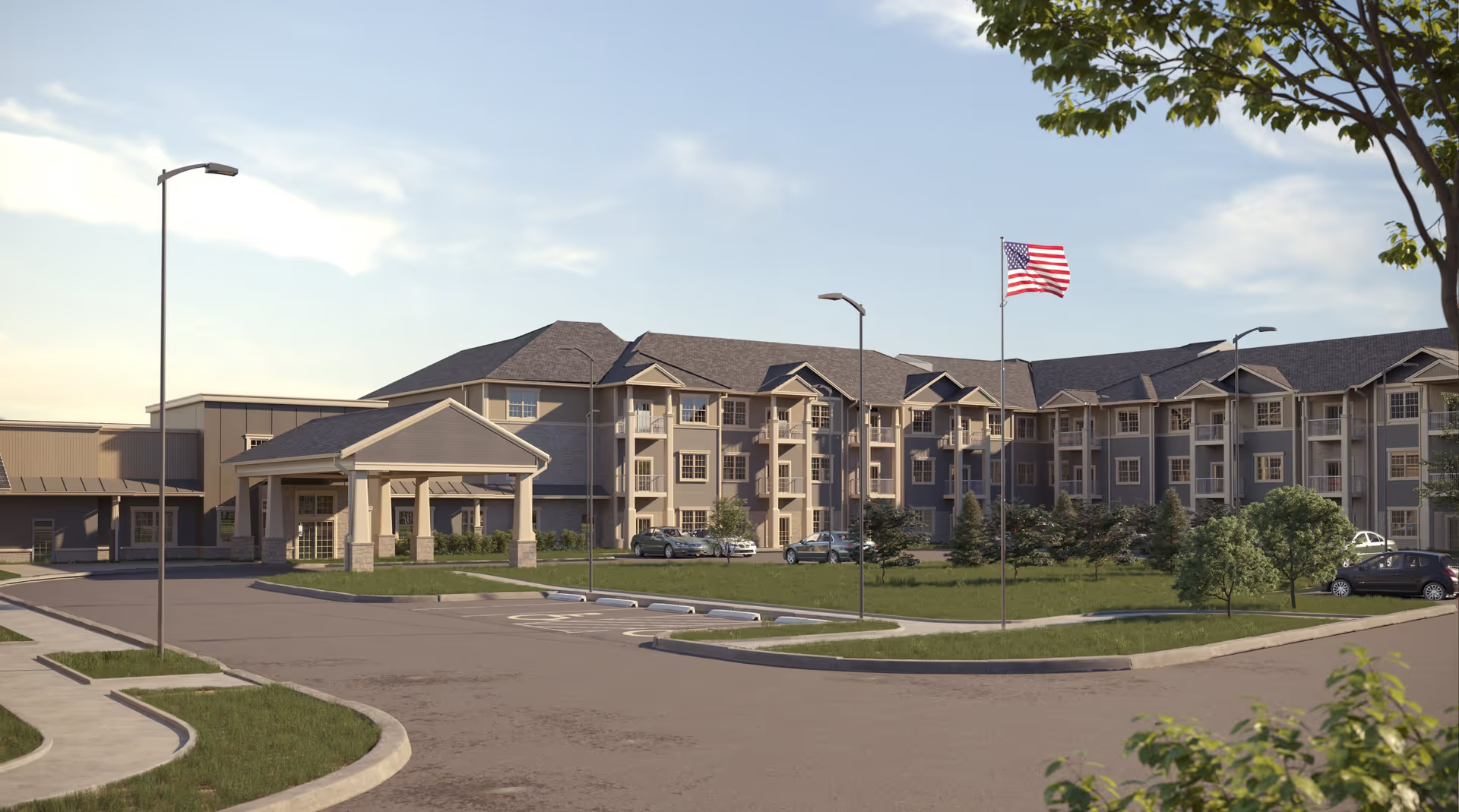
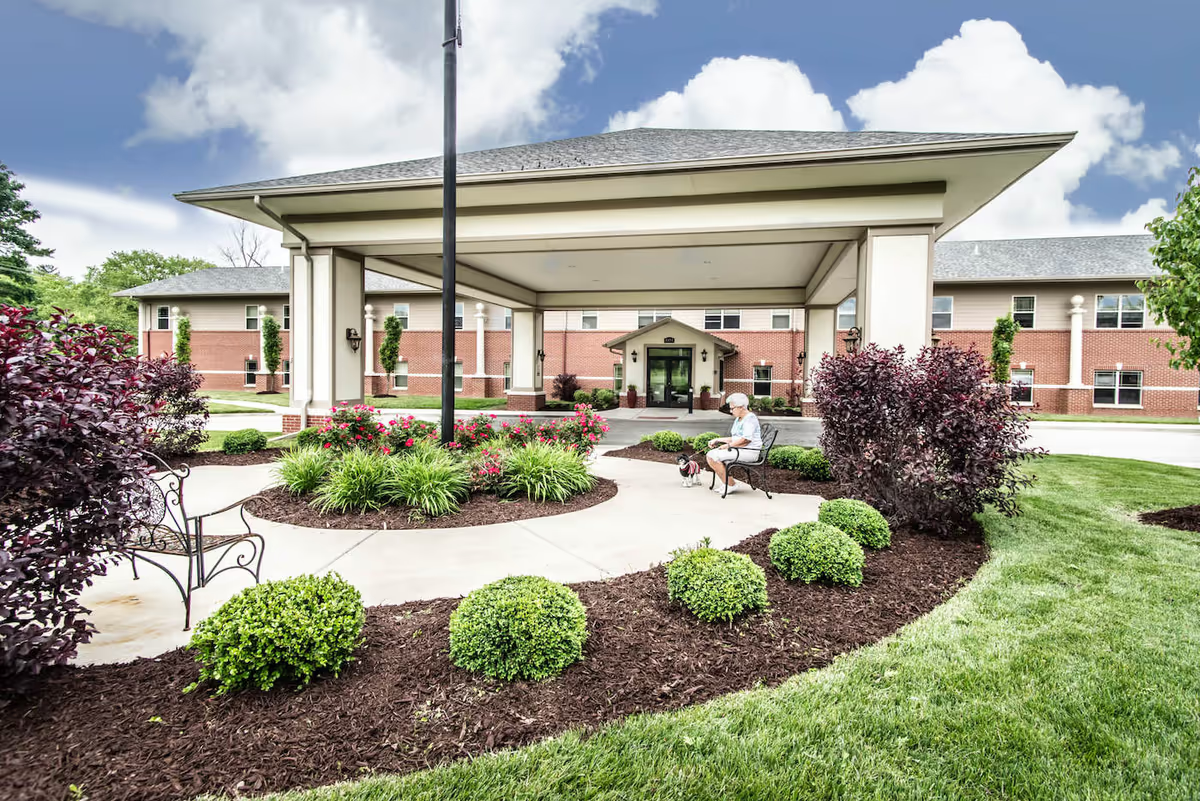
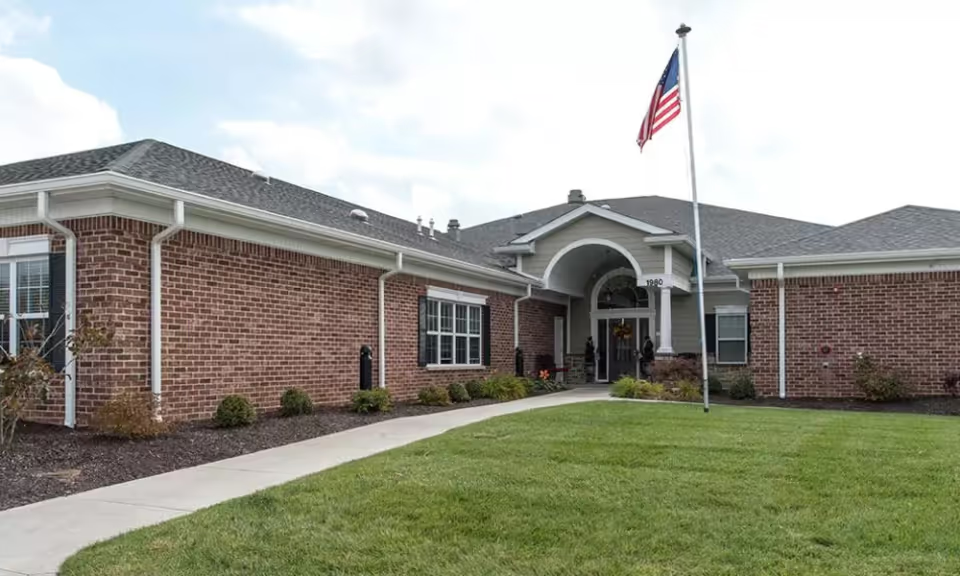
The reviews present a mixed picture in which strong, often personal caregiving contrasts with recurring operational weaknesses. Many families and residents praise the frontline staff as compassionate, respectful, and engaged; several accounts describe staff who create a warm, social atmosphere, facilitate friendships, and provide attentive end-of-life care. Activity space and programming have been noted as positive when active, with a large activity room and evidence that group activities have returned after prior interruptions. Some reviewers also highlighted recent visible improvements: exterior decorating, dining-room reopening, kitchen remodeling, and administrative restructuring that have improved the facility’s atmosphere for residents.
Despite these strengths, a set of consistent operational concerns appears across the feedback. Medication-management problems — including missed doses, refill delays, and instances requiring external pharmacy involvement — emerge as a recurrent issue and a clear clinical risk. Understaffing and high turnover are closely linked to delays in care, slower clinical response, and inconsistent housekeeping; families described variability in how promptly staff attend to resident needs. Housekeeping and sanitation inconsistencies, together with odor concerns in some areas, were raised alongside remarks about an aging, antiquated physical plant that is mid-renovation in places.
Dining and activities show a mixed but improving picture. Food quality was frequently described as acceptable or good, and the dining room’s reopening was welcomed; however, meal-service continuity has sometimes been disrupted, with meals delivered in-room during certain periods. Activity programming was curtailed during infection-control restrictions but has since resumed in many accounts; continuity and consistency of offerings remain variable depending on staffing and scheduling.
Management and organizational issues are an important theme. Several reviewers acknowledged a new administrator and visible efforts to improve operations, while others cited management instability, communication gaps with families, payroll delays, and morale problems among staff. A small number of serious allegations — including privacy (HIPAA) concerns and worries following resident deaths — were mentioned and should prompt families to ask about regulatory history and incident follow-up when evaluating the facility.
Taken together, the pattern is one of strong individual caregivers operating within a facility that has infrastructure, staffing, and systems challenges. Prospective residents and families who prioritize compassionate, person-focused caregiving will find notable strengths here, but they should also seek current, specific information about medication-safety protocols, staffing levels and turnover, housekeeping standards, recent inspection or complaint history, and the status of ongoing renovations before making a placement decision.