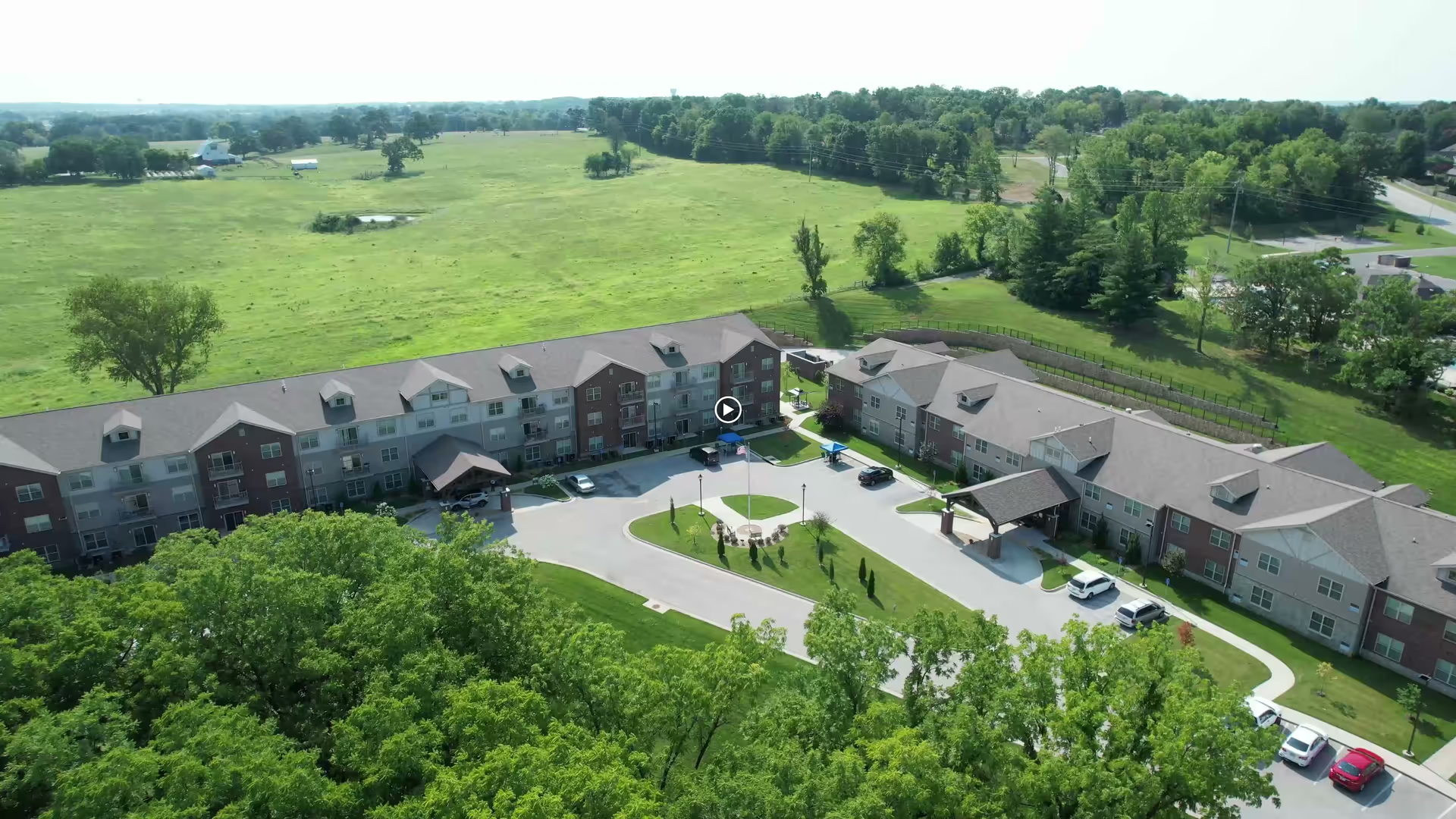
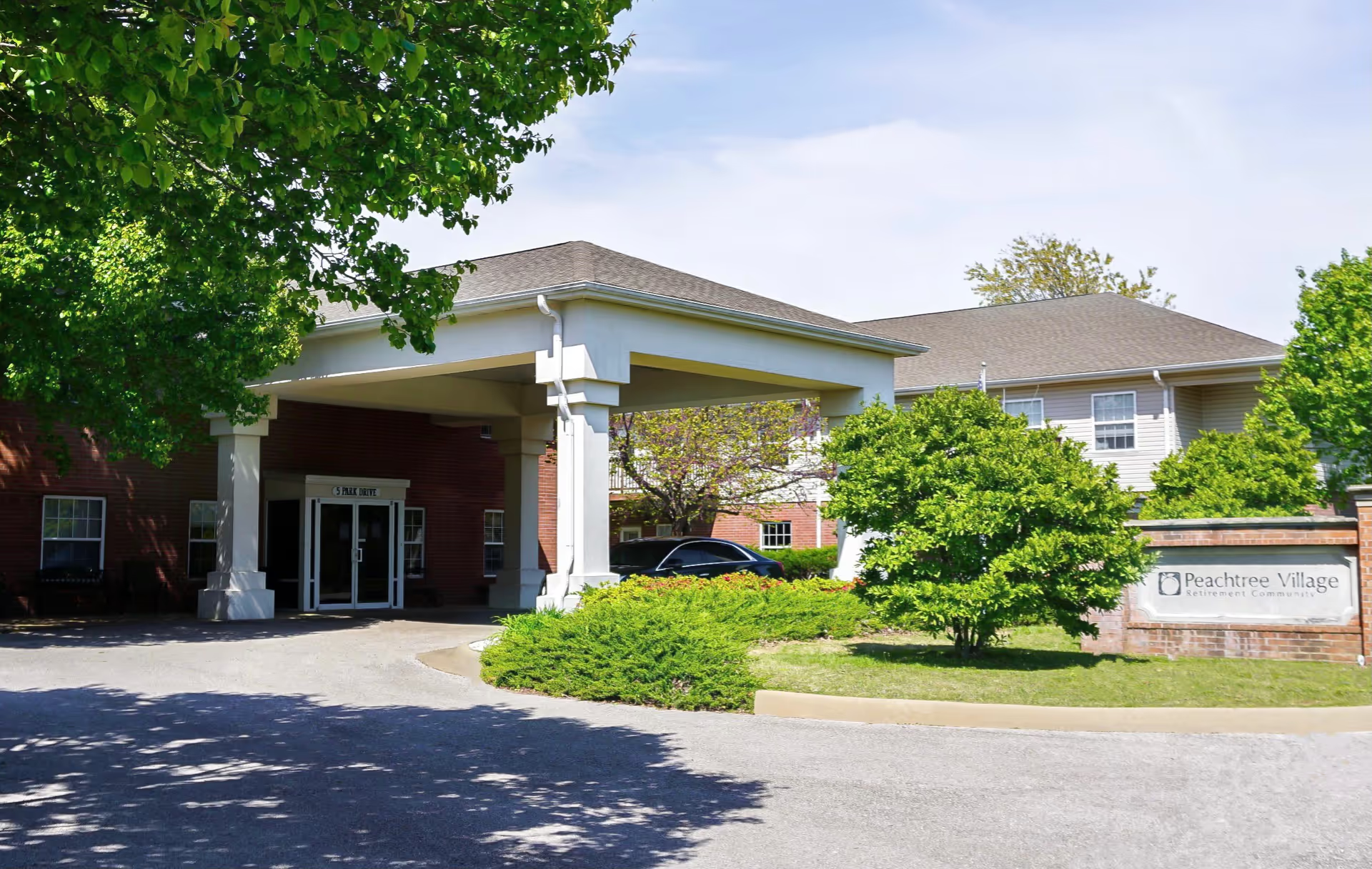
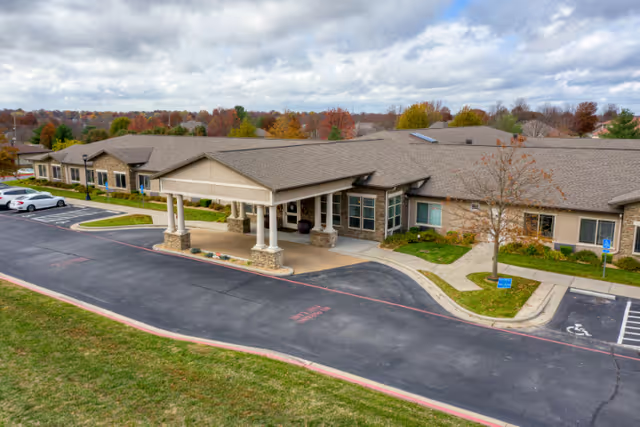
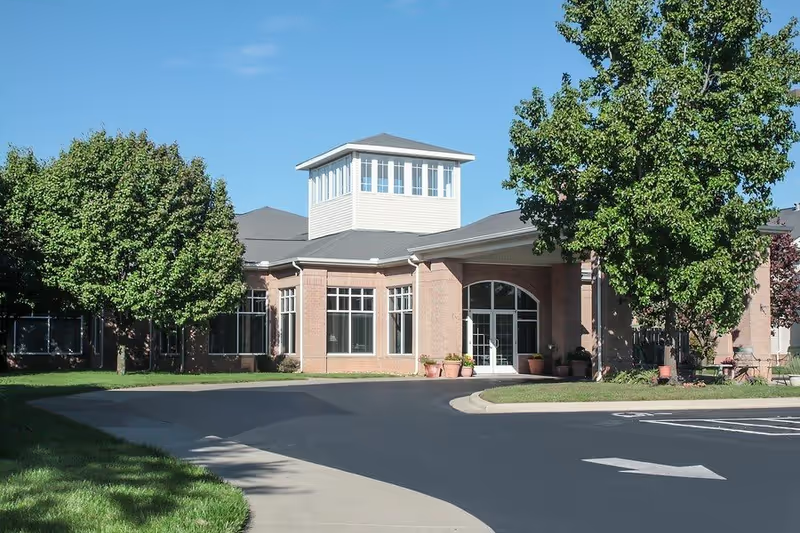
The reviews present a polarized picture of Shepherd of the Hills Living. Many commenters praise individual caregivers, rehabilitation therapists, and administrative staff for compassionate, attentive hands-on care, smooth admissions, and strong social-work support. Housekeeping and certain areas of the building are described as clean and well-maintained, and some families highlight a warm, family-like culture with personalized celebrations and staff who know residents by name.
At the same time, a number of consistent operational concerns emerge. Staffing levels and scheduling are frequently cited as a root cause of service variability: slow responses to call buttons, delayed assistance for toileting and bathing, and long wait times for basic needs. Several comments indicate inconsistent medication administration and delayed pain management, and some reviewers expressed concerns about practices around end-of-life symptom control. A cluster of resident deaths over a short period also prompted concern among families and led to questions about clinical oversight and incident response.
Safety and clinical-practice issues form a second area of concern. Reports point to falls and injuries associated with transfer techniques or environmental hazards, refusal or delay in installing safety adaptations such as rails, and small room layouts that can be difficult to navigate. Families described inconsistent wound and post-operative care in some cases. These incidents, combined with mentions of limited RN coverage at night and the use of temporary or student staff, suggest gaps in supervision and training in certain shifts.
Dining, activities, and the physical environment are described unevenly. Some residents enjoyed therapy, social events, and individualized attention, while others found the dining experience inconsistent with complaints about meal quality and temperature control and the dining area location. Activity programming is adequate for some residents but appears limited or poorly executed for others, creating variable resident engagement across units.
Management and communication receive mixed evaluations. Several reviews commend responsive administrators, helpful social workers, and staff who facilitate paperwork and family involvement. Conversely, other families report difficulty obtaining clear information, disputes over billing and discharge procedures, and perceptions of departmental opacity. Concerns were also raised about the reliance on student workers, including compensation and supervision practices.
In summary, Shepherd of the Hills Living appears to offer strong interpersonal care and effective rehabilitative services in many cases, supported by dedicated nurses, aides, and social-work staff. However, recurring operational weaknesses — particularly inconsistent staffing, slow responsiveness to resident needs, gaps in medication and safety practices, variability in cleanliness and meal service, and uneven management communication — warrant careful inquiry by prospective residents and families. Visitors considering the facility should tour in person, ask specific questions about staffing ratios (including night coverage), call-response benchmarks, fall-prevention protocols, medication administration policies, end-of-life care practices, and billing/discharge procedures, and request references from recent families when possible.