Care and clinical capacity: Overall, reviewers describe a facility where front-line caregivers are frequently described as caring, attentive, and responsive, with examples of individualized attention and coordination with hospice when needed. The community provides assistance with appointments and therapies and offers 24/7 contact availability. At the same time, several operational concerns suggest limits in clinical capacity: medication-administration delays and gaps in clinical coordination were noted, and families indicated that residents with more advanced dementia or higher medical acuity may exceed the facility’s capability.
Staff and culture: Staff are repeatedly praised for being friendly, patient, and resident-focused; activity staff and nursing personnel receive strong positive comments. These strengths contribute to a family-like atmosphere for many residents. However, reviewers also raised issues around staffing consistency and turnover, and some visitors described staff who appeared hurried or less welcoming during admissions or sales interactions. There are also instances of perceived unprofessionalism and customer-service deficiencies at the management level, which have affected family trust in a subset of cases.
Dining and meals: The community operates with a full-time chef and many reviewers described restaurant-style dining and appealing meals. Conversely, others described inconsistent food quality and repetitiveness in menu offerings. In-room meal service and accommodations for dietary needs (for example, gluten-free options) were appreciated by families. The pattern is one of generally strong dining infrastructure with variable day-to-day execution.
Activities and social life: Activities are a clear strength. The program is active and varied—Bible study, musical presentations, games, outings, and themed events are regularly offered—and reviewers often singled out the activities director and the social atmosphere as major positives. The setting supports engagement through frequent programming, community events, and multiple common spaces that facilitate resident interaction.
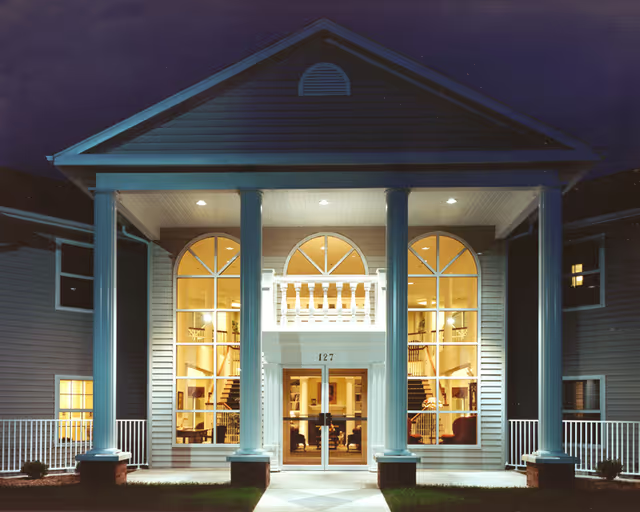
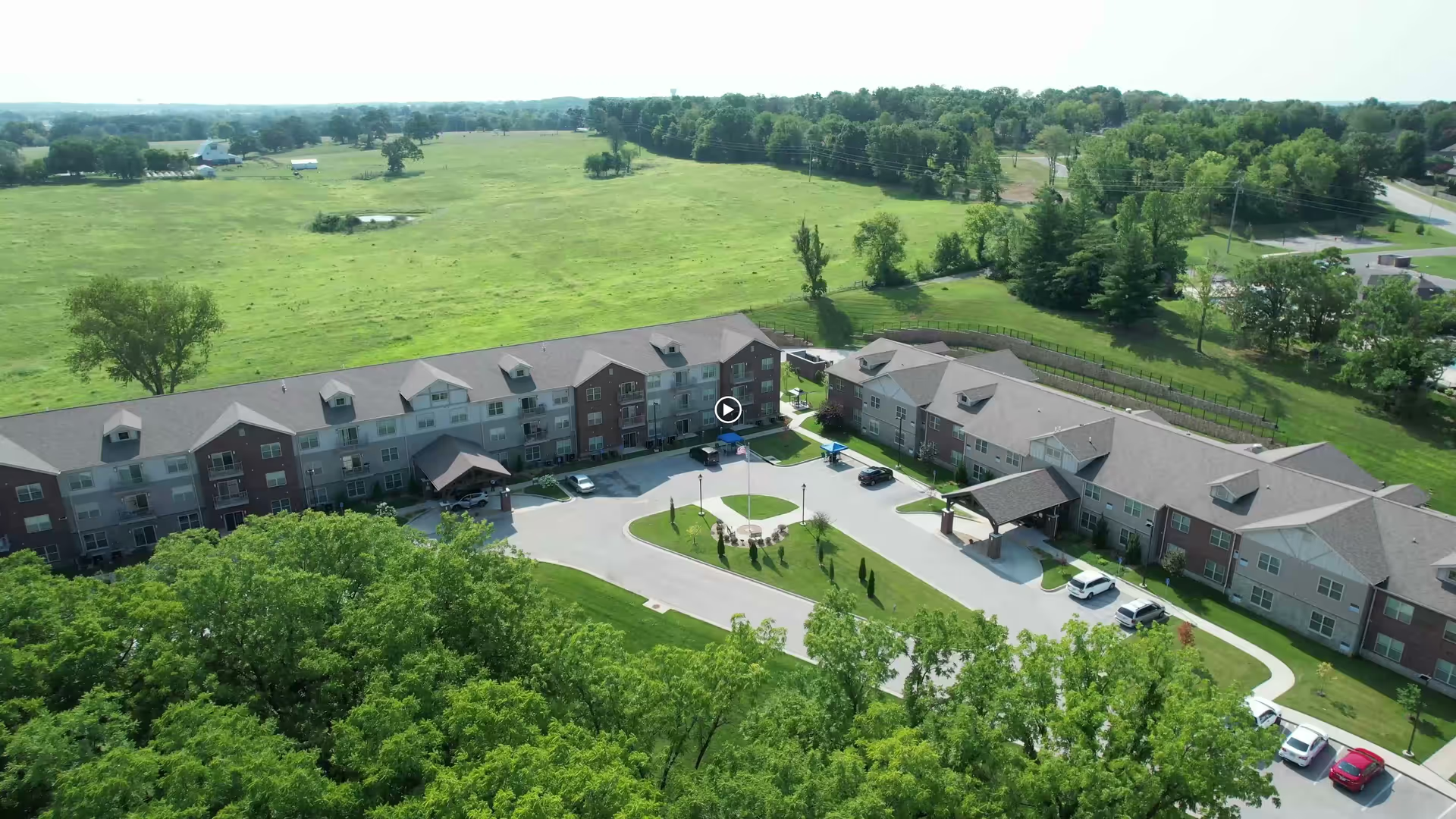
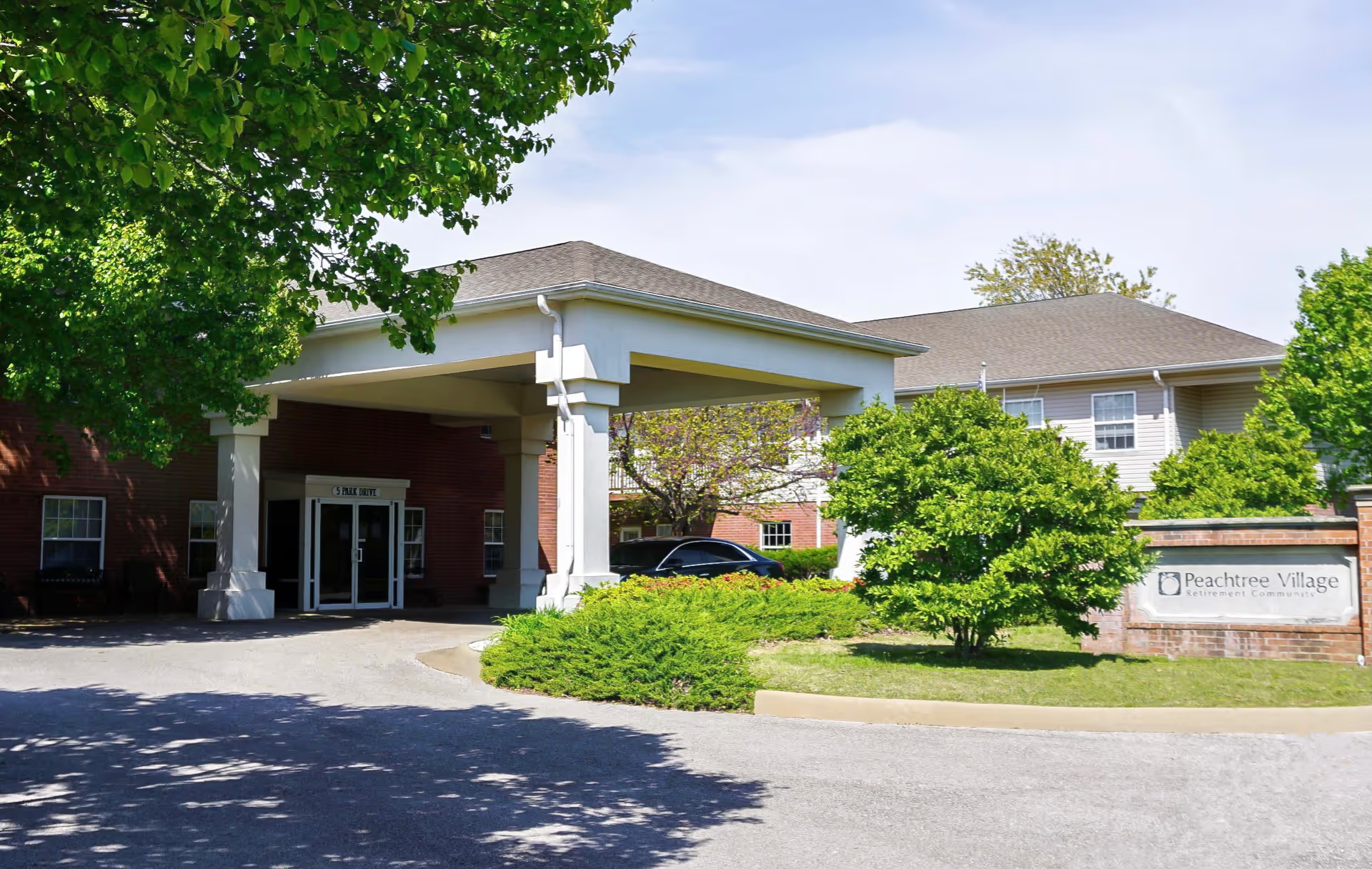
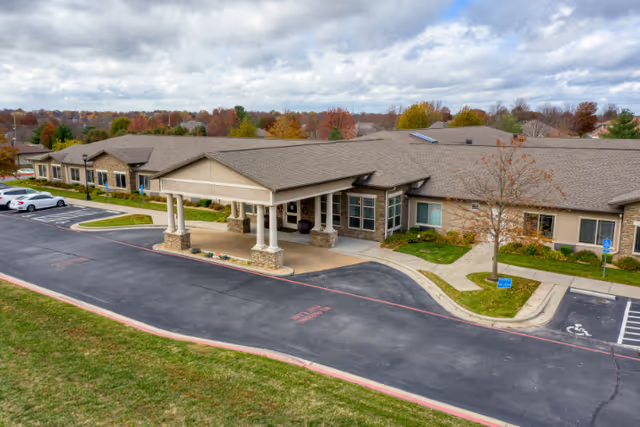
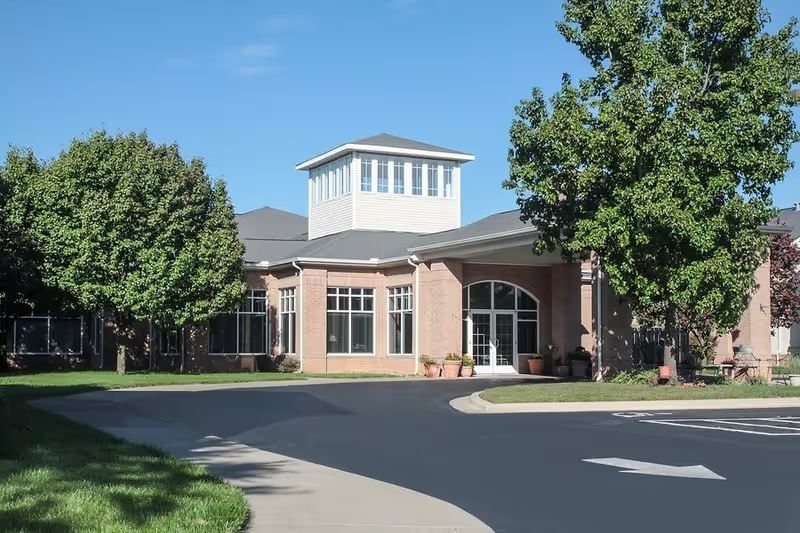
Facilities and amenities: The building and grounds are described as attractive, clean, and recently updated in many areas. There are multiple inviting common areas (library with fireplace, courtyard, aviary), a range of apartment types, and accessible features in many units. That said, a few reviews noted unit-specific accessibility issues (for example, problematic door alignment in a one-bedroom unit) and at least one instance of inconsistent housekeeping or room-turnover following move-out.
Management and operations: A recurring theme is a divergence between strong front-line care and weaknesses in back-office operations. Families cited delays in paperwork, scheduling problems with medical providers, and occasional poor responsiveness from management. One or more reviews described mishandled documentation and protracted administrative follow-up, which contributed to dissatisfaction and decisions to leave. These operational gaps, together with staffing variability, appear to be the primary areas for improvement despite generally positive impressions of direct care and programming.
Notable patterns and recommendation framing: For prospective residents and families, The Bungalows at Branson Meadows presents as a well-appointed, activity-rich community with many compassionate staff and strong social programming. Those prioritizing an engaging lifestyle, on-site services, and attractive common spaces are likely to find it appealing. Families with residents who have advanced medical or dementia needs, or those who place a high premium on seamless administrative communication and consistent medication handling, should assess clinical capabilities and administrative processes closely during a tour and reference-checking. Asking specific questions about staffing levels, medication protocols, paperwork turn-around, and unit accessibility during the visit is advisable.