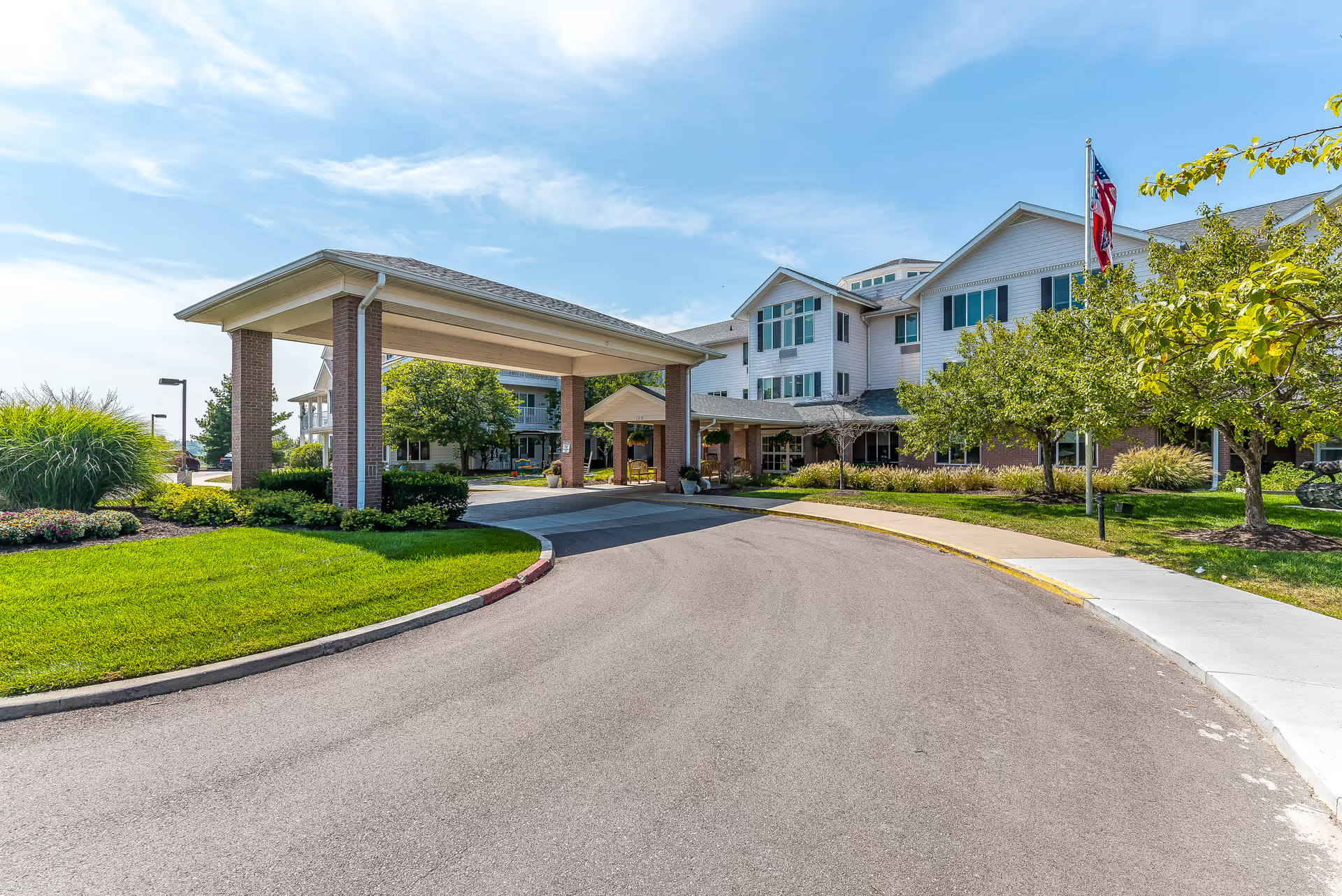
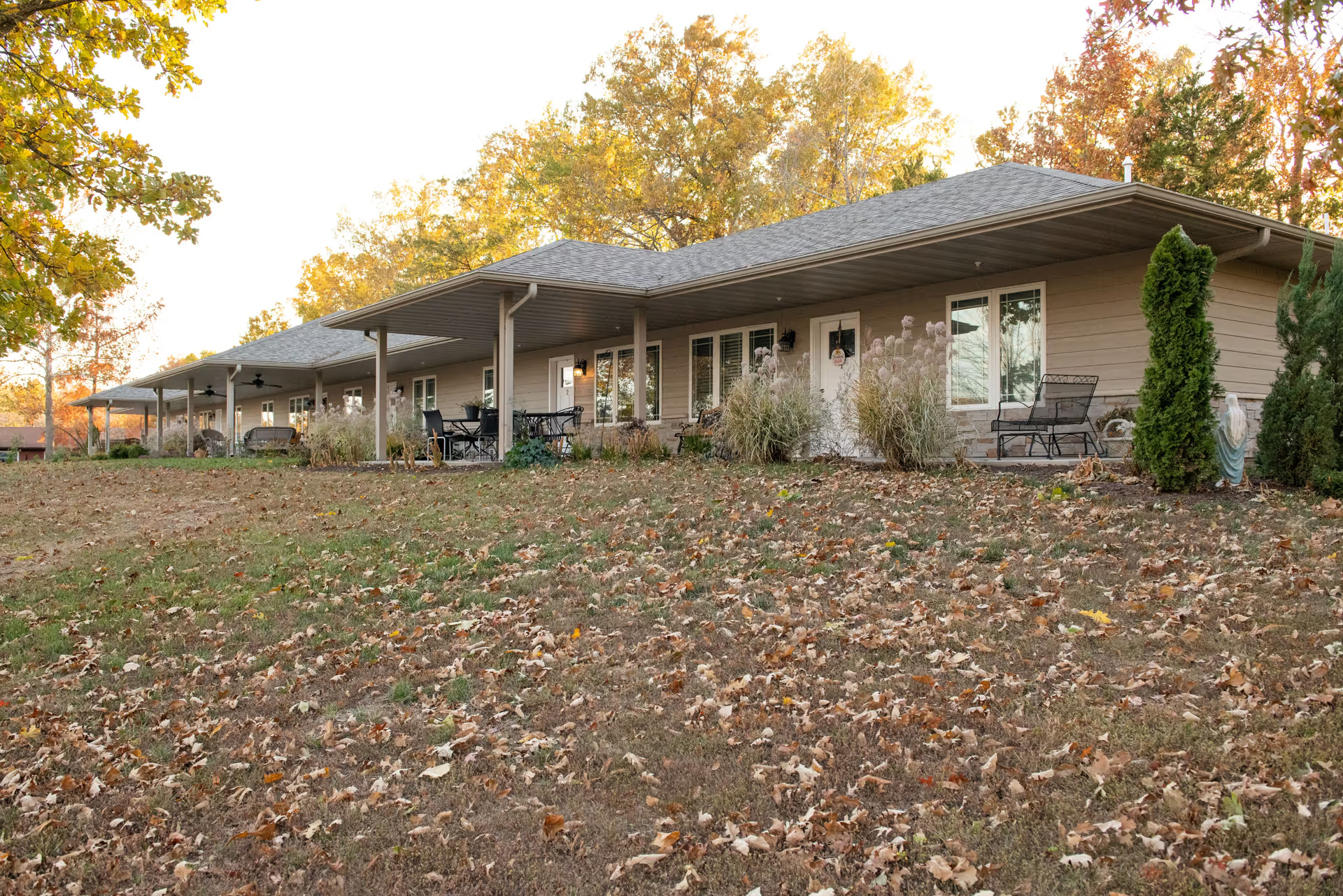
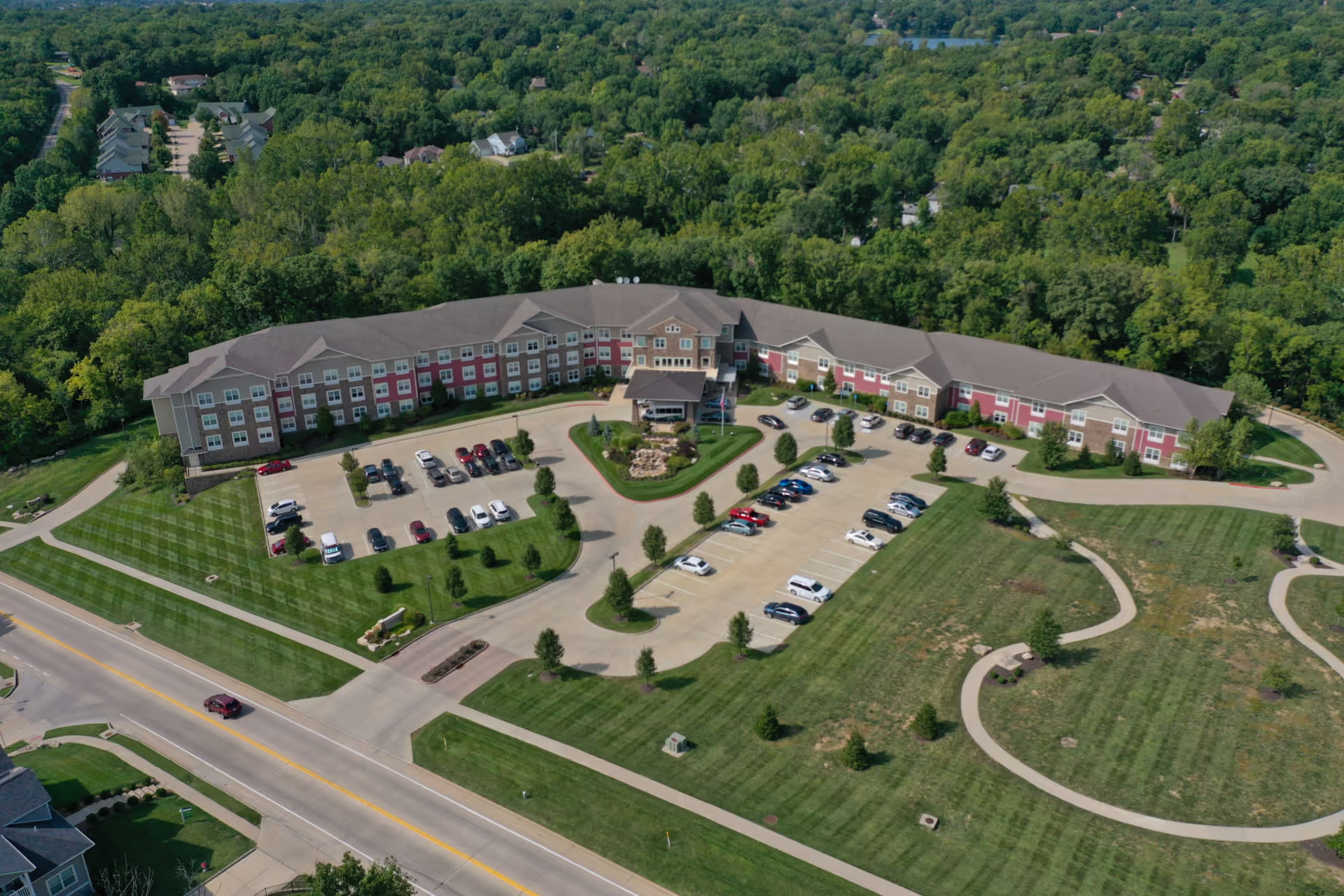
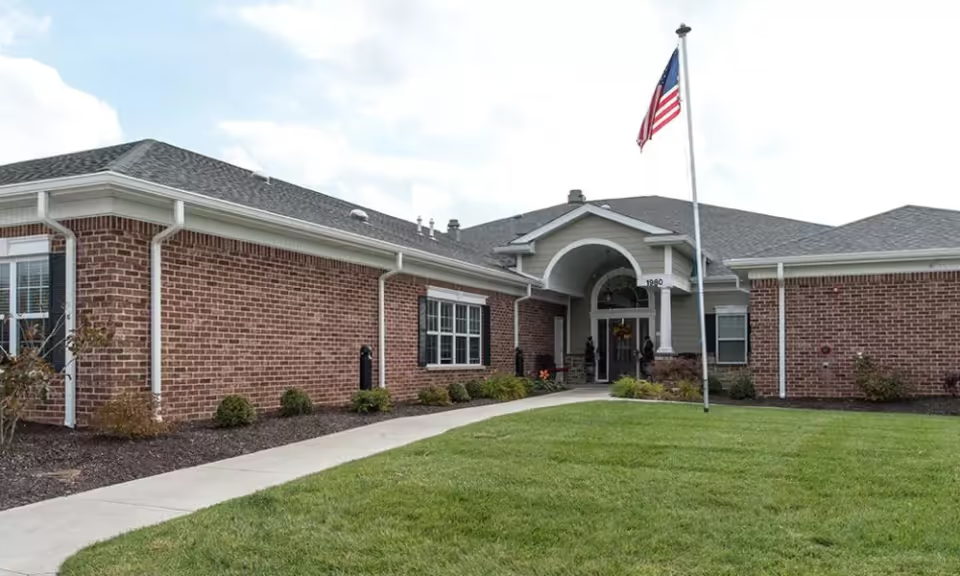
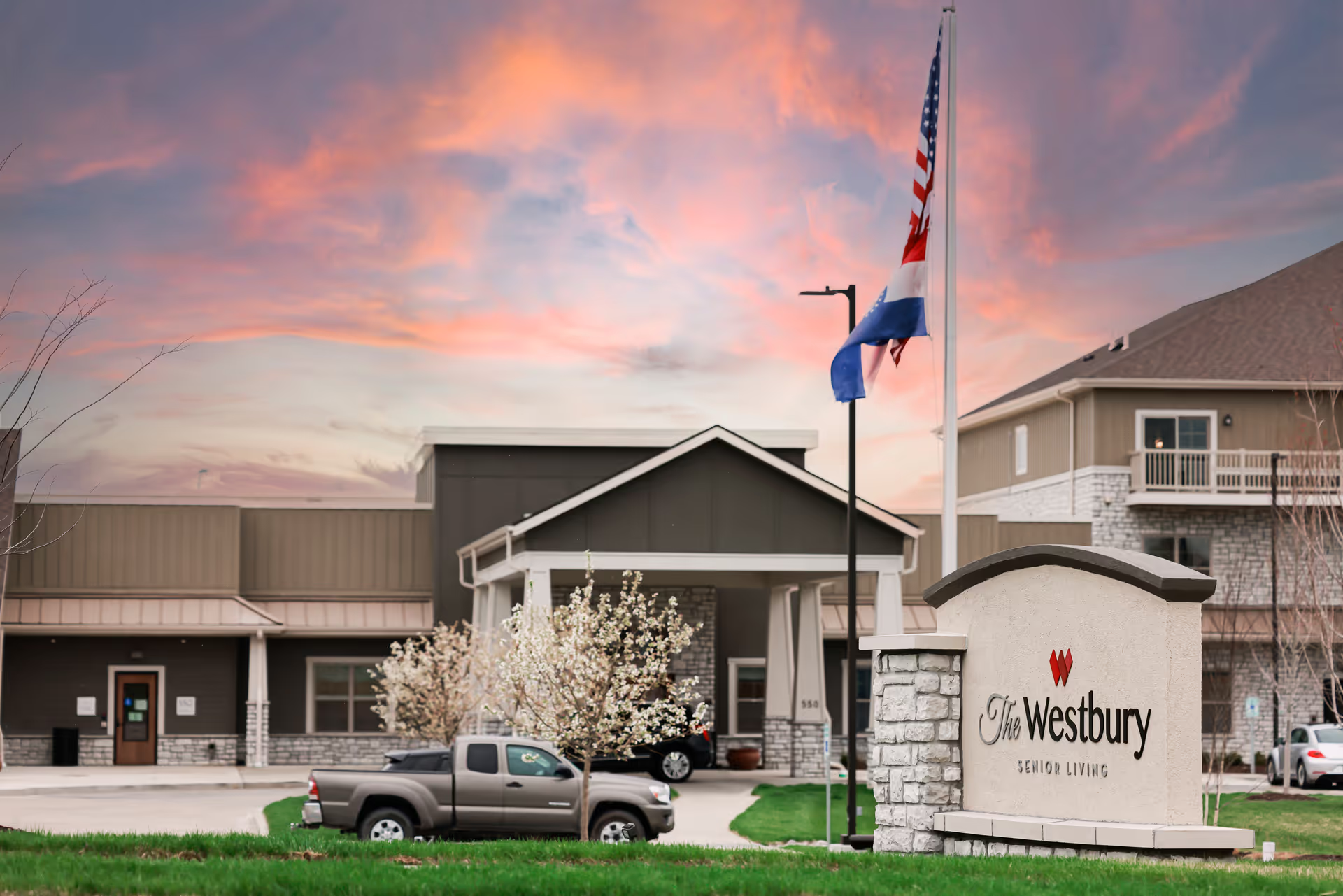
Columbia Post Acute presents as a rehabilitation-focused, recently opened facility with extensive amenities and a strong emphasis on therapy-driven recovery. Many families and patients highlight the modern, hotel-like environment: private rooms with en-suite bathrooms, spacious interiors, large therapy gyms and a range of on-site services such as a salon, bistro, coffee bar and family lounges. Housekeeping and laundry are frequently described as reliable, and the facility is generally perceived as clean and well maintained.
Clinical strengths are a consistent theme. The facility’s physical, occupational and speech therapy teams receive frequent praise for individualized plans and measurable functional gains. Specialized wound care capability is noted as a particular asset, with clinicians credited for complex wound-management outcomes. Admissions and transfers from hospital settings are often described as smooth, and the administration is visible and engaged in community events and family-facing activities.
Areas of operational inconsistency emerge across reviews. Dining quality and delivery are recurrent concerns: reviewers cite meals that arrive cold, limited variety at times, and menu choices that do not adequately accommodate diabetic needs. Relatedly, some comments describe pre-prepared or frozen items being used in ways that affect perceived meal quality. Staffing variability also appears: while many accounts describe attentive, compassionate nurses and aides, other accounts point to slow response times, inconsistent weekend coverage, and variability in staff conduct and customer-service tone. These patterns are linked in some reports to medication timing and documentation issues, and a few reviewers described lapses in clinical handling of complex devices that suggest targeted competency gaps.
Communication experiences are mixed. Several families praised frequent updates, proactive discharge planning and strong post-discharge follow-up; others reported unclear or curt communication from clinical staff and occasions when family members felt they needed to monitor medications or care. Infection-control measures (for example, confinement during an infection event) were handled in ways some families found restrictive, which underscores the importance of confirming visitation policies and exception processes at the time of admission.
Overall, Columbia Post Acute appears to offer a high-quality rehabilitation environment with substantial amenities and strong therapy and wound-care capabilities. Its strengths make it a compelling option for patients who need intensive rehab in a modern setting. Prospective residents and families should balance those strengths against the operational inconsistencies noted above by asking targeted questions at tour/admission: how diabetic and therapeutic diets are managed, how ostomy and other complex-device care competencies are maintained and supervised, weekend staffing levels and handoff procedures, medication-administration and documentation practices, and the facility’s approach to family communication and visitation during infection-control events. Doing so will help align expectations with the facility’s notable clinical and environmental advantages while addressing the intermittent operational weaknesses described by reviewers.