Care quality and clinical responsiveness: Reviews emphasize concerns about the facility's ability to respond to medical needs and acute events. Several accounts describe delays or barriers when a resident required urgent transfer to higher-level care, and there are specific concerns about staff not facilitating timely hospital evaluations. Reviewers also indicated instances where individual caregivers did not address ongoing medical needs, suggesting gaps in care coordination and monitoring.
Staff and communication: A consistent theme is concern about staff conduct and the tone of communication with residents and families. Comments described yelling, harassment, and interactions that families perceived as demeaning or emotionally harmful. These descriptions point to weaknesses in staff training, supervision, and de-escalation practices rather than isolated personality conflicts. There are also indications of limited accountability and oversight of personnel, which may contribute to ongoing interpersonal problems.
Dining, activities, and daily life: Review content focused primarily on safety, staffing, and facilities; there was little consistent information about dining quality, meal service reliability, or organized activities. The absence of commentary on programming suggests prospective families should request specific information and examples of daily schedules, recreational offerings, and nutritional services during a tour.
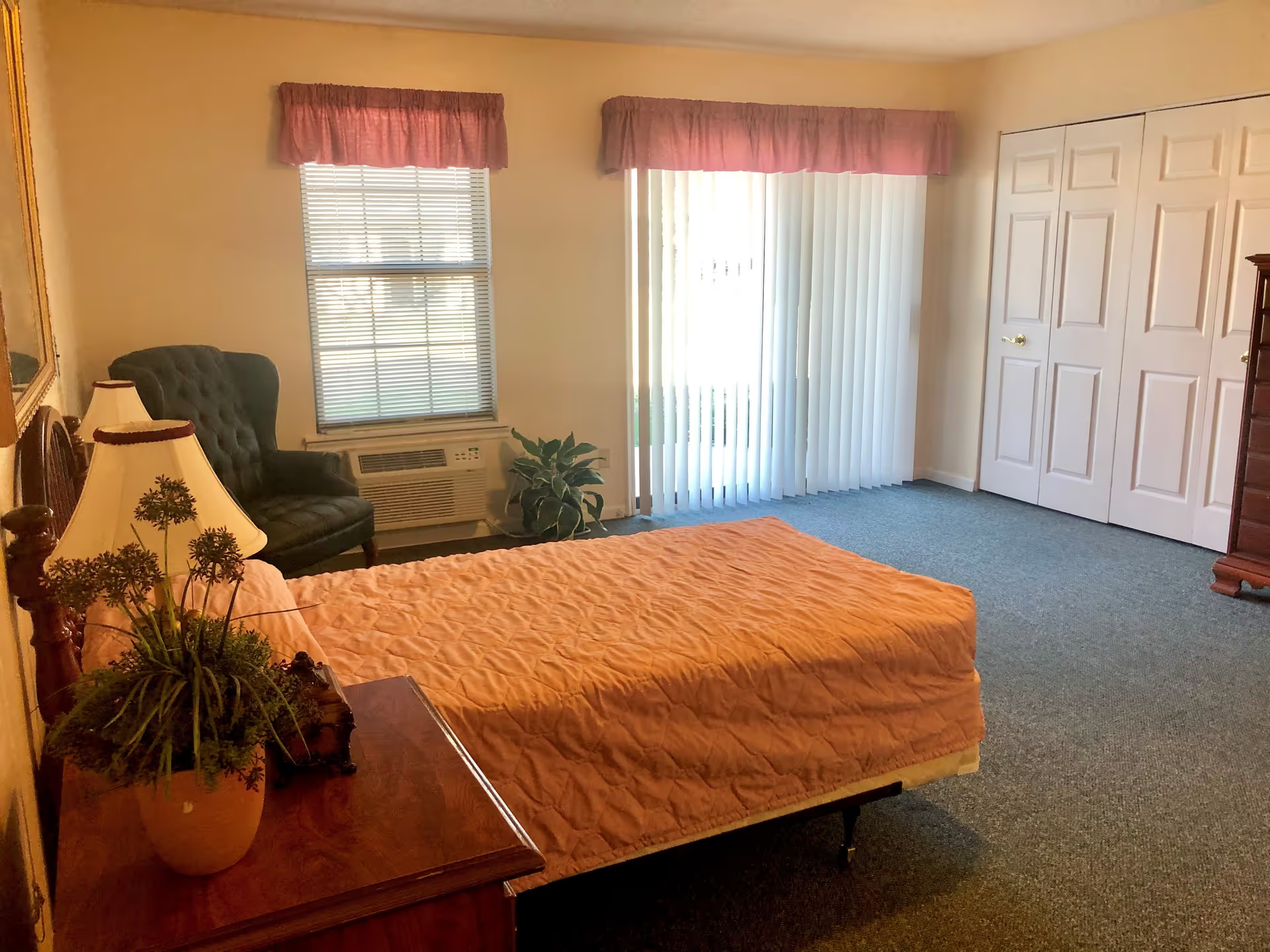
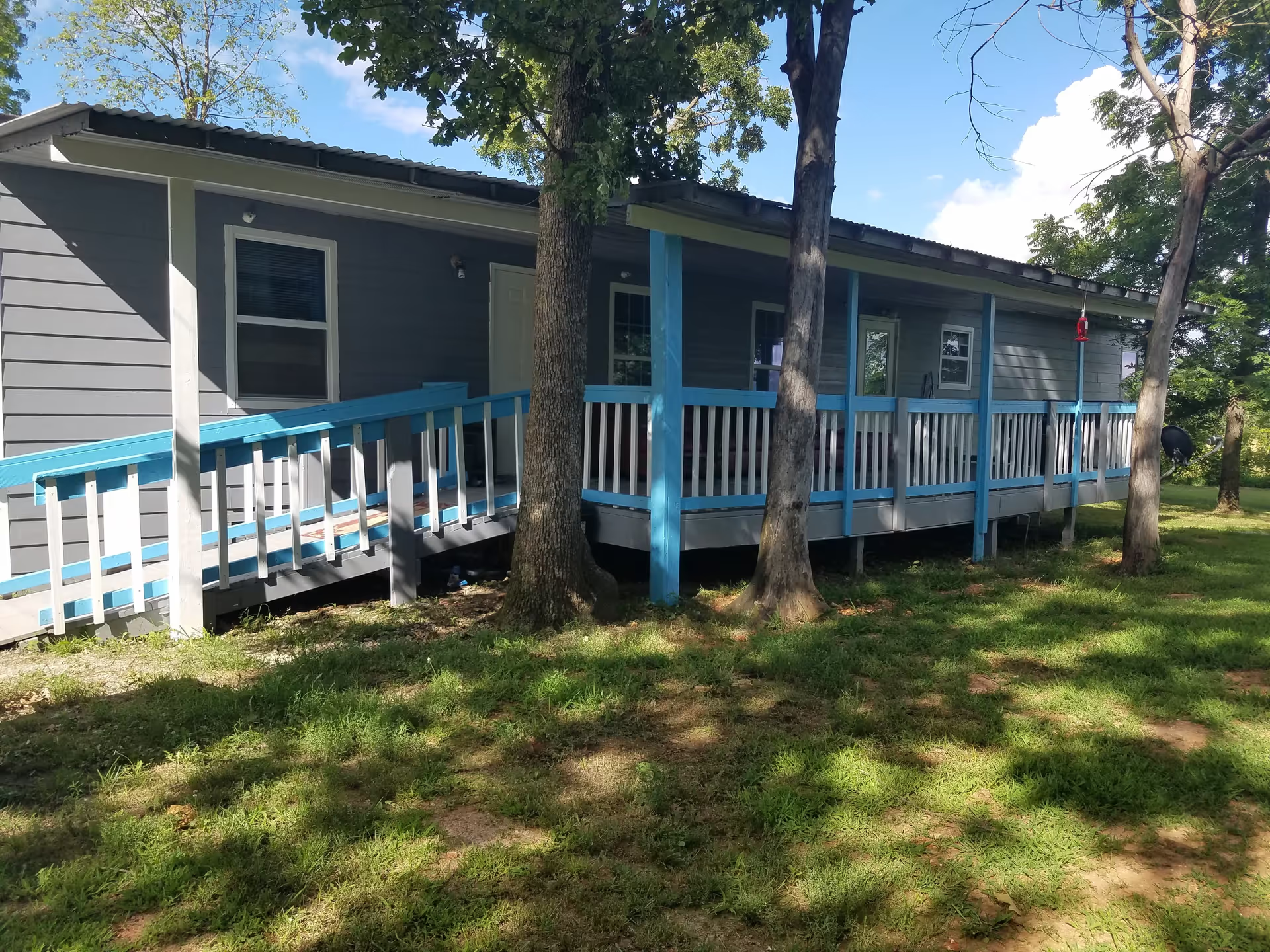
Facilities and environment: Multiple reviewers raised pest-control and sanitation concerns, including sightings of small animals and insects and a perception that pest-mitigation measures were inadequate. Reviewers also noted unreliable internet connectivity and described the neighborhood as unsafe; together these issues affect resident comfort, family communication, and perceived security.
Management and financial practices: Cost emerged as a strong concern: reviewers characterized fees as high relative to the level of service provided. There are also serious financial-related complaints, including allegations of improper handling of resident funds. In addition, some reviews describe policies or practices that restrict or complicate emergency 911 responses, which suggests a need for clearer, family-accessible emergency protocols and stronger financial controls.
Notable patterns and guidance for families: Across the comments, recurring patterns are (1) a mismatch between price and perceived quality or service, (2) operational gaps around emergency response and clinical escalation, (3) staff conduct and supervisory issues, and (4) environmental problems such as pest-control deficiencies and unreliable connectivity. Prospective residents and families should seek written documentation of emergency procedures, ask about clinical staffing and transfer protocols, review financial safeguards for resident funds, inspect unit cleanliness and pest-control records, and speak with multiple families or recent move-outs to assess satisfaction and turnover. Where serious individual allegations or named-staff concerns arise, families may wish to request facility incident records or regulatory inspection reports as part of their decision-making process.